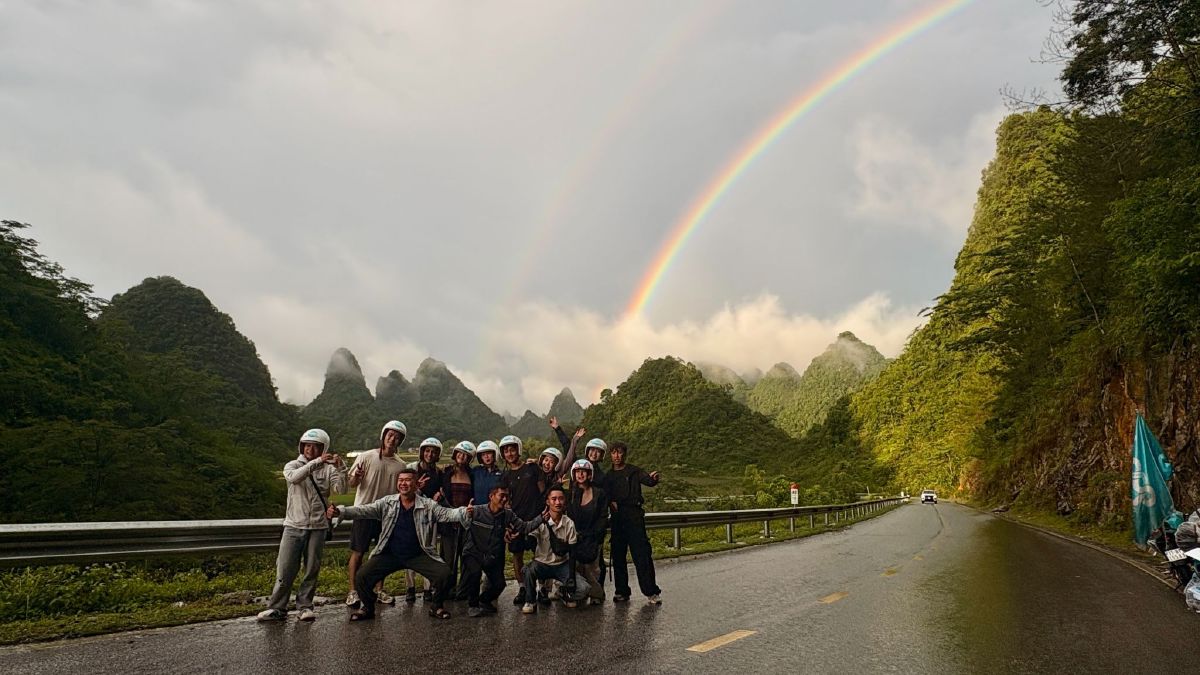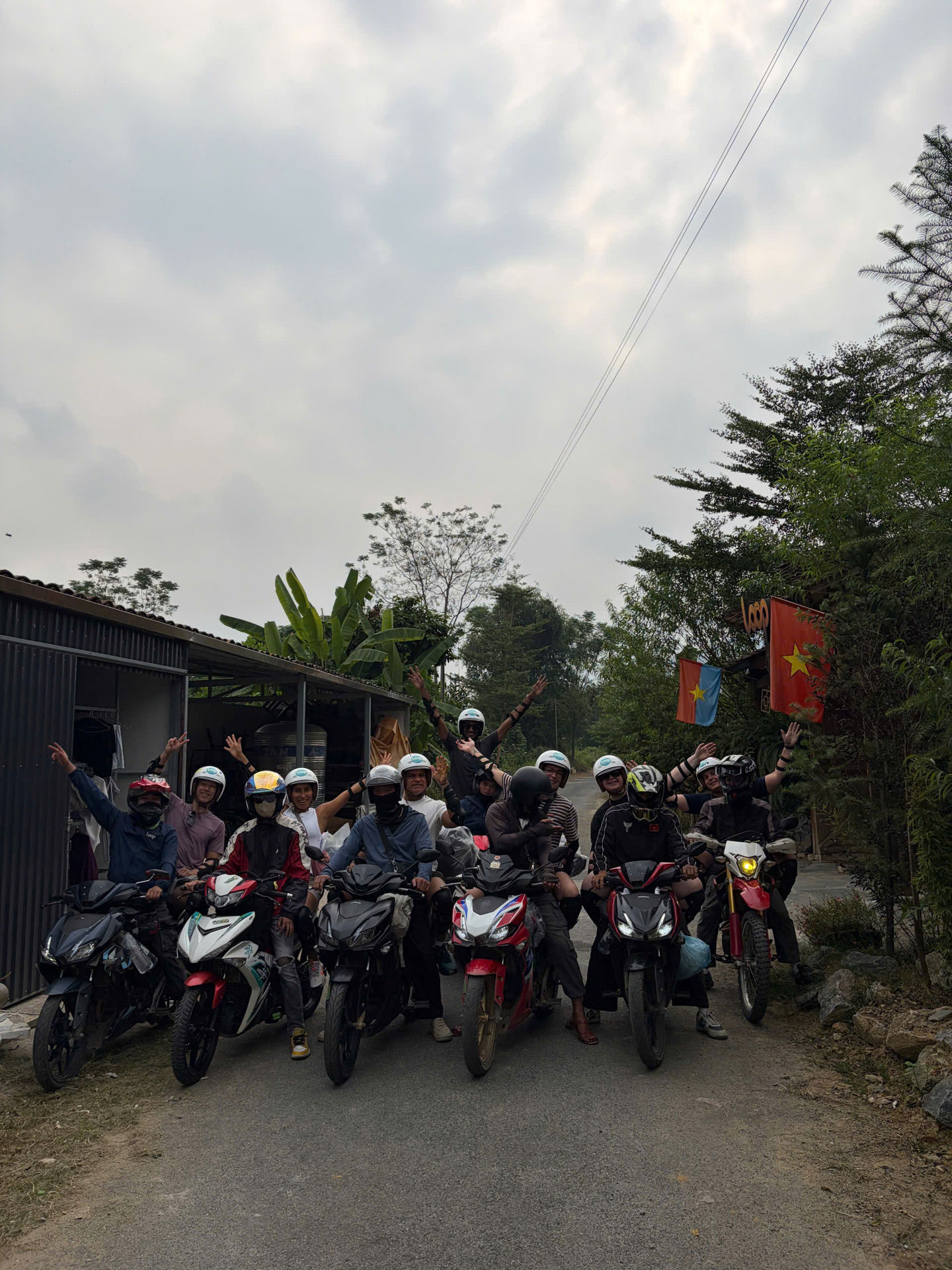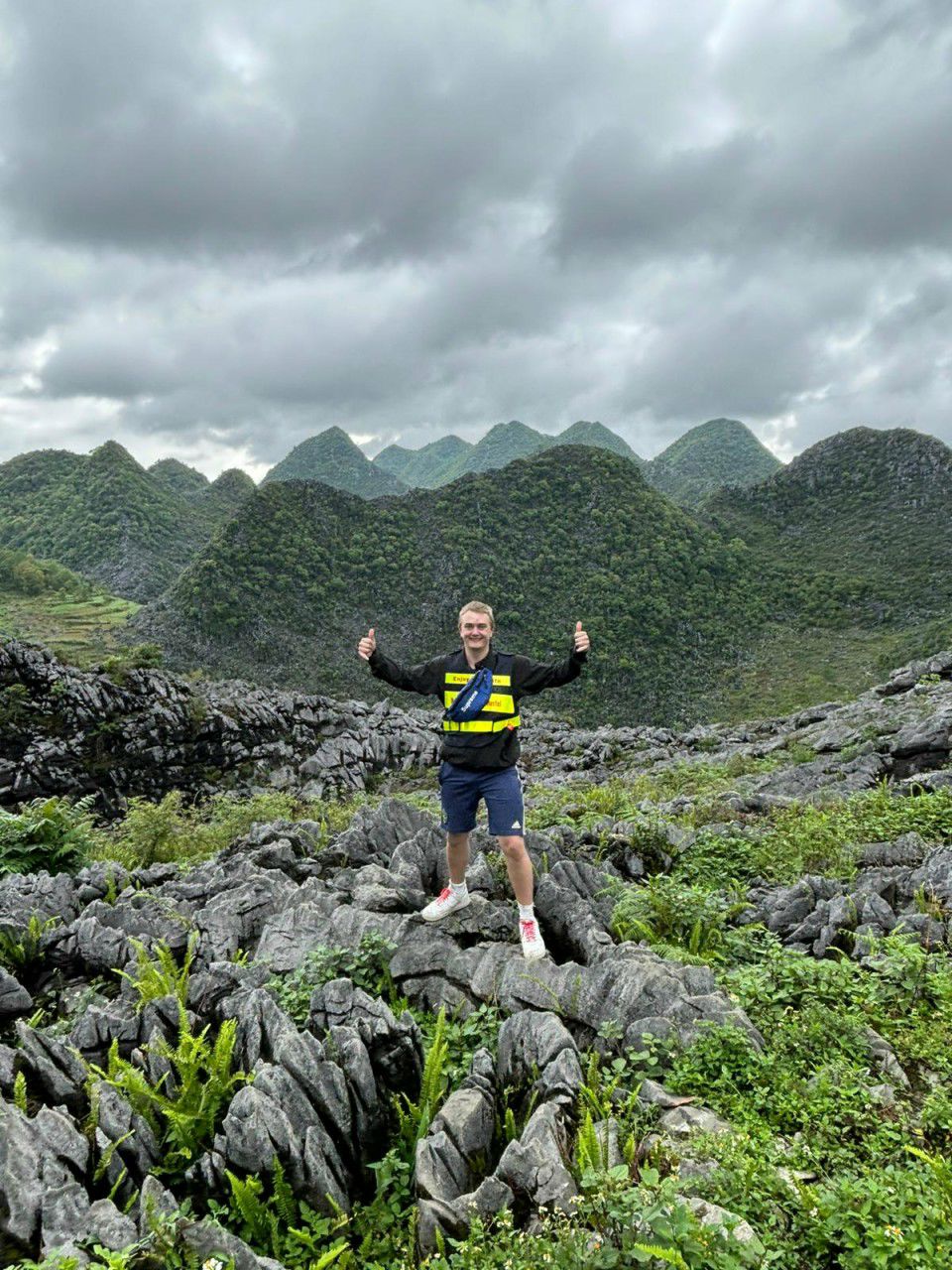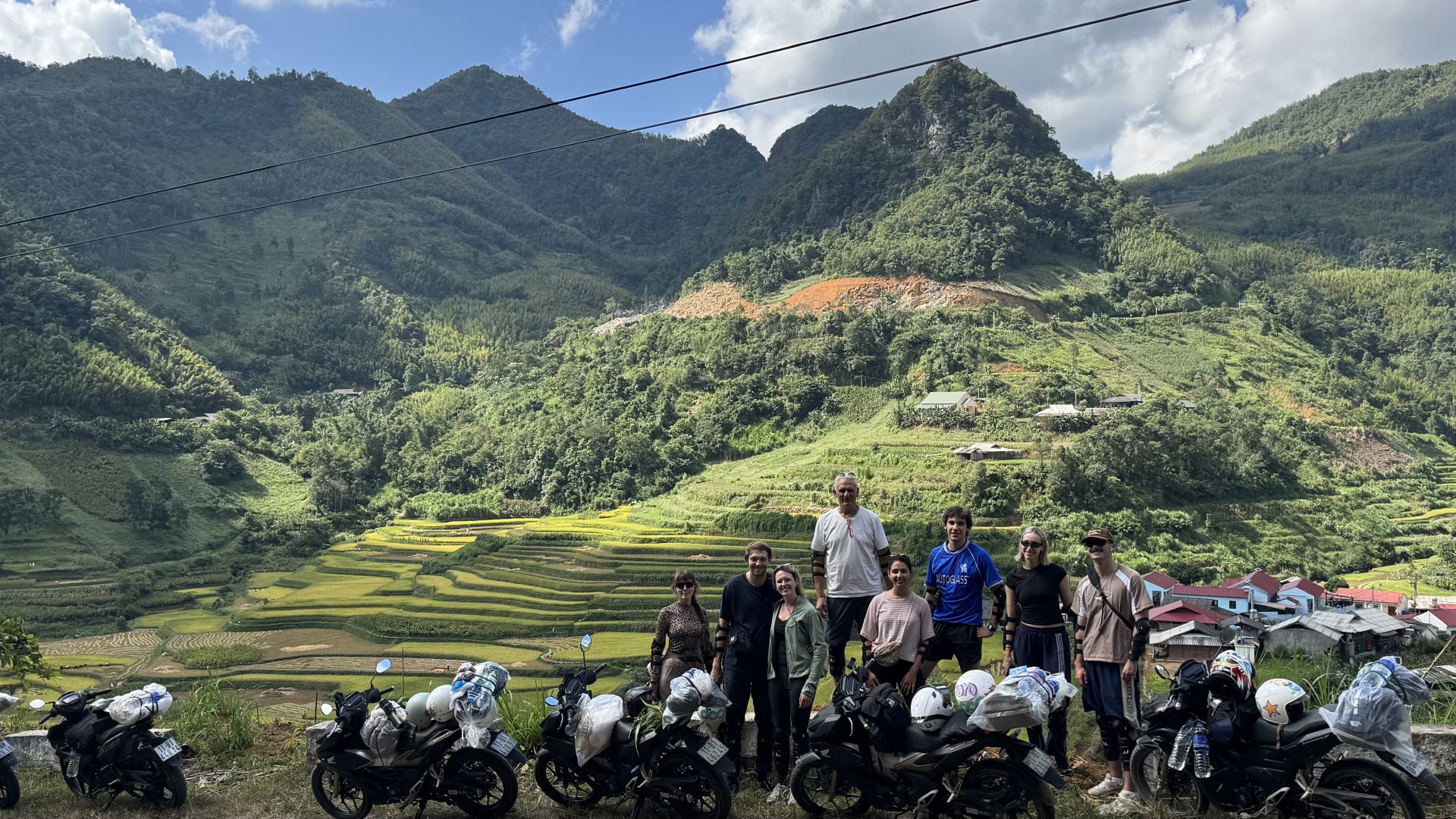


The transition from the low-lying valleys of Ha Giang City into the dramatic highlands of the Dong Van Karst Plateau is one of the most exhilarating stretches of any Ha Giang Loop tour. While many riders rush this initial leg, those who take the time to plan a Thon Tha Village to Quan Ba day trip discover that the change in landscape is almost cinematic. You start among the soft, palm-fringed hills of the Tay people and end the day standing at the "Heaven’s Gate," looking out over a world made entirely of limestone. This route isn't just about getting from point A to point B, it’s about crossing an invisible border between the suburban outskirts and the wild, vertical frontier of the North.
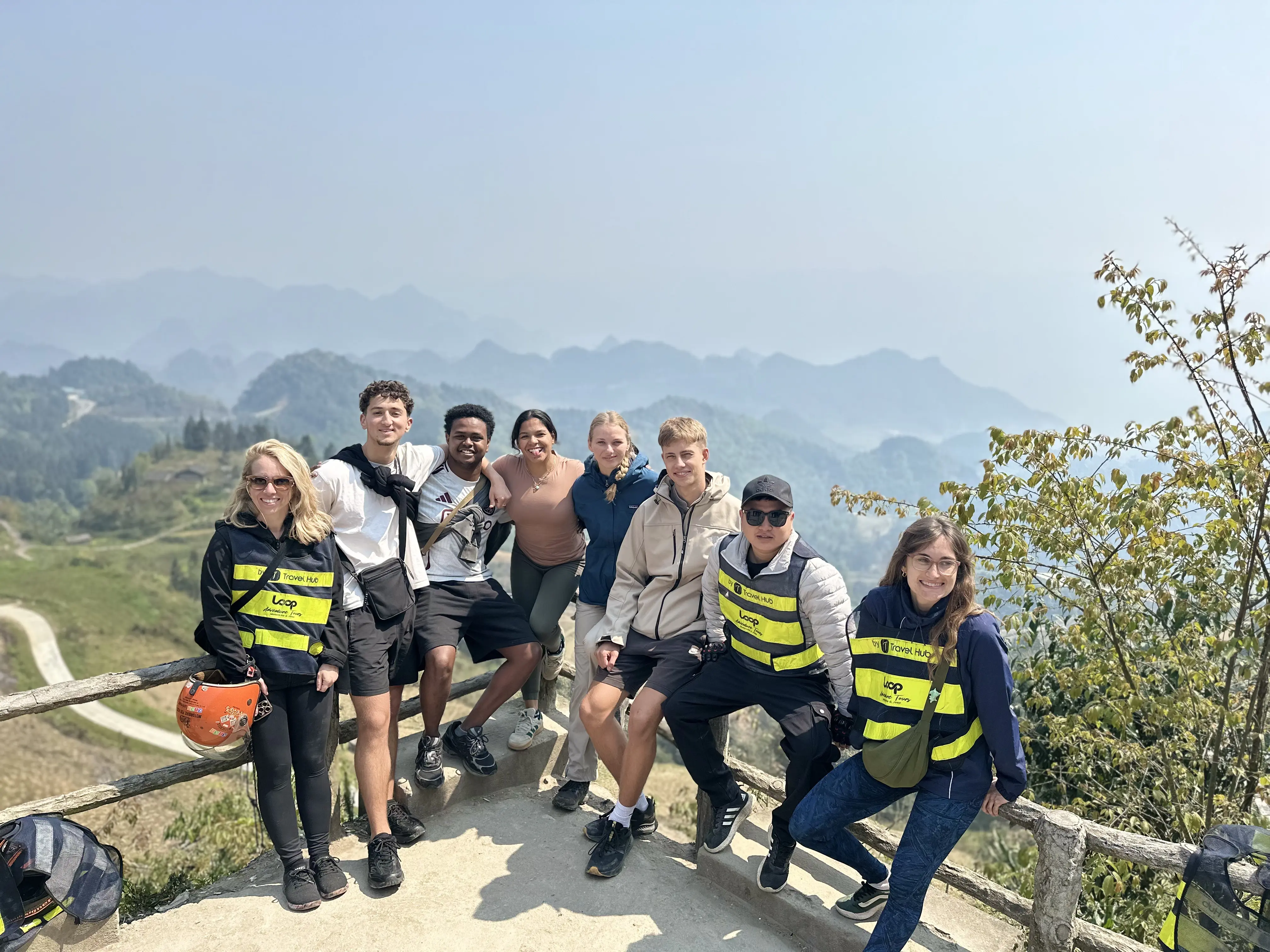
Starting the Journey: Leaving the Palm Valleys
The day begins in the quiet, indigo-tinted morning of Thon Tha. Leaving a Thon Tha Village homestay early is key, as the morning mist often clings to the valley floor, making the first few kilometers feel like riding through a dream. From Thon Tha, you briefly reconnect with the main road (QL4C), better known as the Happiness Road.
As you leave the city limits of Ha Giang behind, the architecture begins to shift. The wide stilt houses of the Tay give way to the more compact dwellings of the Hmong and Dao people. The road starts to follow the Lo River, its turquoise waters carved deep into the valley below. This is a gentle warm-up before the real climbing begins. About 20 kilometers in, you’ll reach the Minh Tan checkpoint. This is a good place to double-check your gear and ensure your fuel tank is full, as the engine will be working significantly harder over the next hour.
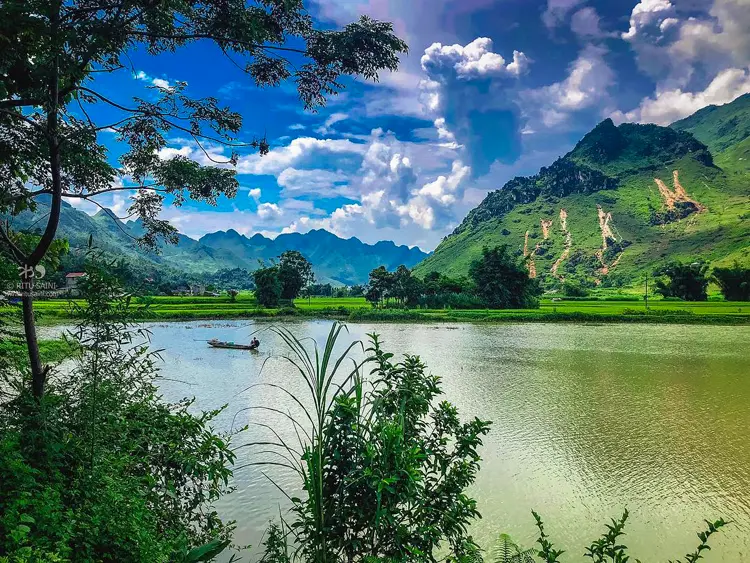
The Ascent to Bac Sum Pass
The first major challenge of a Thon Tha Village Quan Ba day trip is the Bac Sum Pass. This is a series of giant "S" curves that wind up the face of a massive limestone ridge. For a rider, this is where the fun starts. The road is well-paved but demands respect, the hairpins are tight, and the views behind you grow more expansive with every gear shift.
From the top of Bac Sum, looking back down at the road you just climbed is a rite of passage. The pavement looks like a discarded ribbon dropped onto the green hills. On a clear day, you can see all the way back toward the valley of Thon Tha, a distant memory of flat land. The air here is noticeably cooler, and the vegetation begins to change from tropical palms to hardy pines and shrubs that can survive the thin soil of the karst.
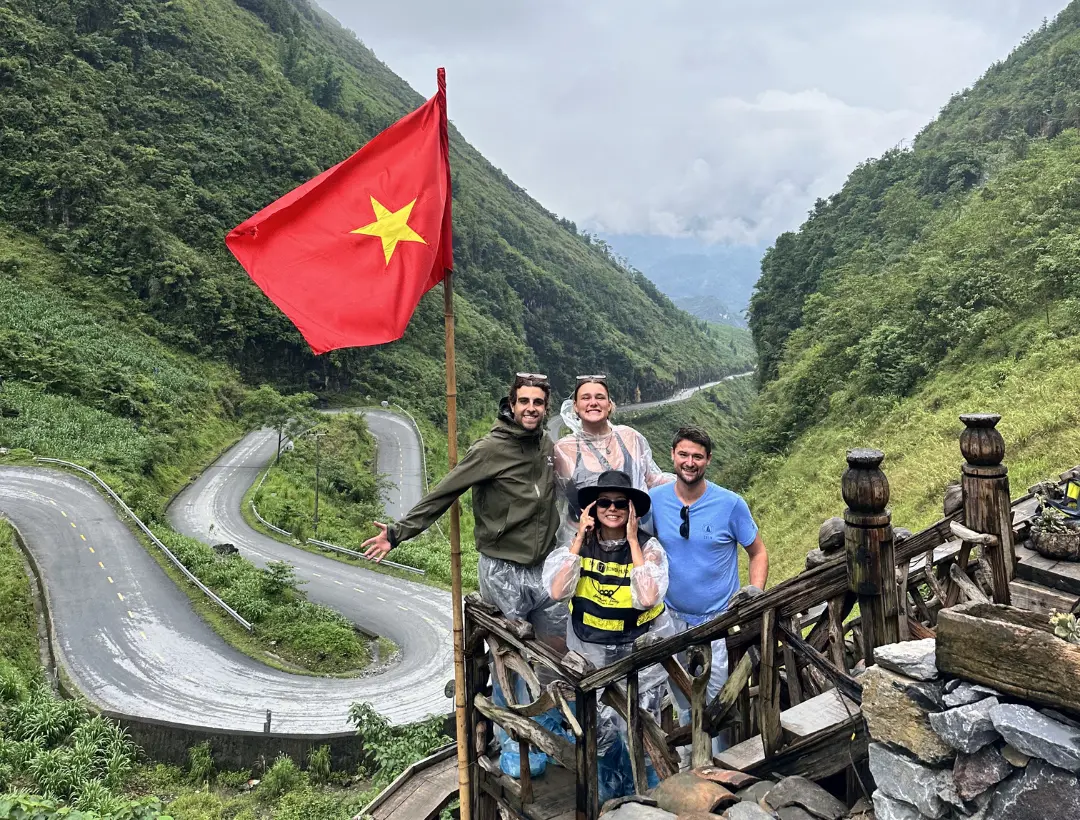
Crossing Heaven’s Gate
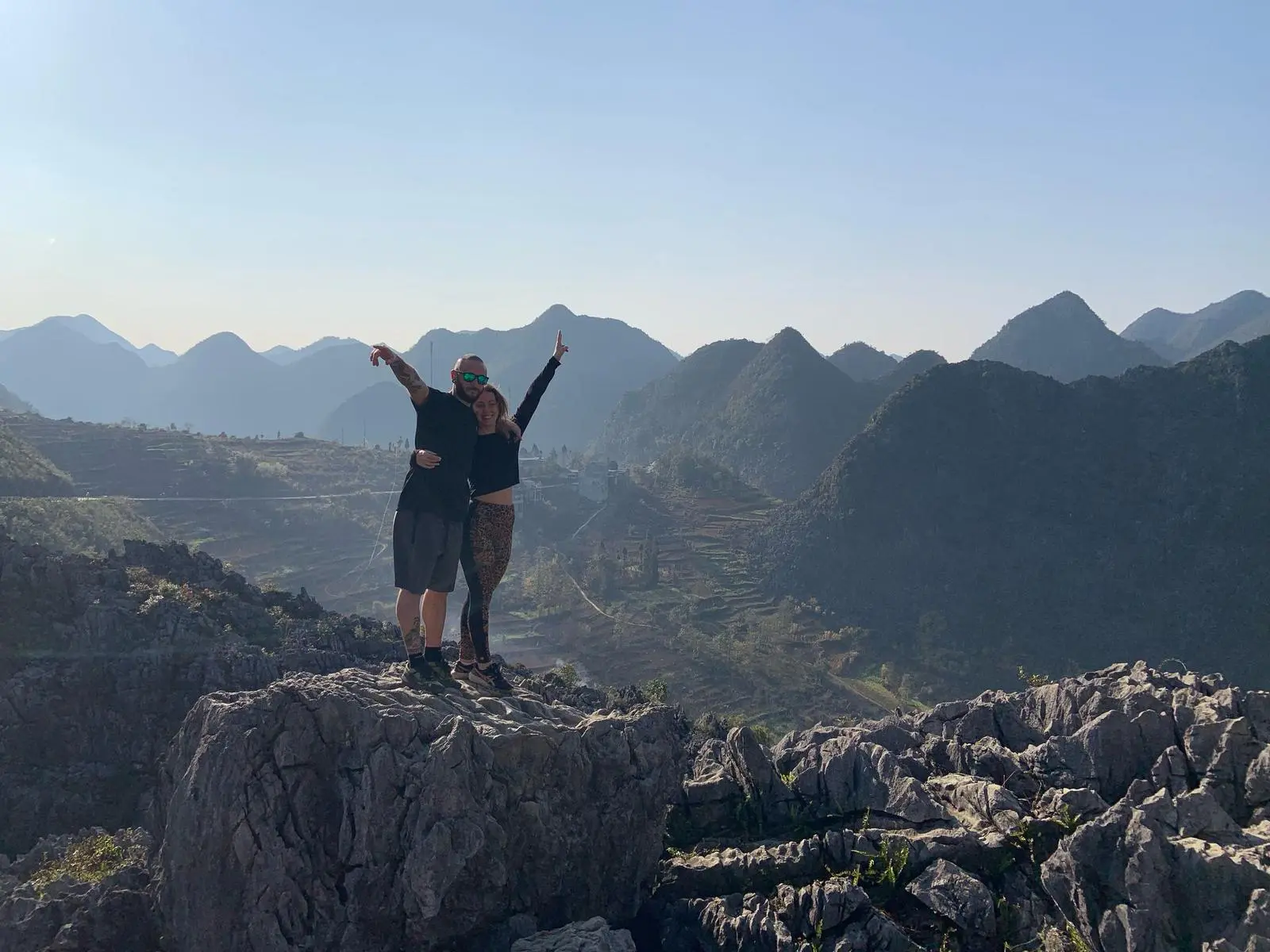
As you continue toward Quan Ba, you will hit the most iconic landmark of the day: the Quan Ba Heaven’s Gate. This is a narrow gap between two limestone pinnacles that serves as the literal entrance to the Dong Van Karst Plateau UNESCO Global Geopark.
We always suggest parking the bike at the information center and taking the walk up the stone steps to the viewing platform. Standing there, you get your first true "big picture" of the Highlands. Below you lies the Tam Son valley, and rising perfectly from the center of the valley floor are the Twin Mountains (Co Tien Mountain). These two symmetrical limestone hills are steeped in local legend - told by the Hmong people as the breasts of a fairy who left them behind to provide milk for her child on earth. Whether you believe the legend or the geology, the sight is one of the most photographed in Northern Vietnam for a reason.
Exploring the Heart of Quan Ba
Once you descend from Heaven’s Gate into the town of Tam Son, the day trip opens up into several cultural opportunities. While the town itself is a bustling hub for the region, the real interest lies in the surrounding villages.
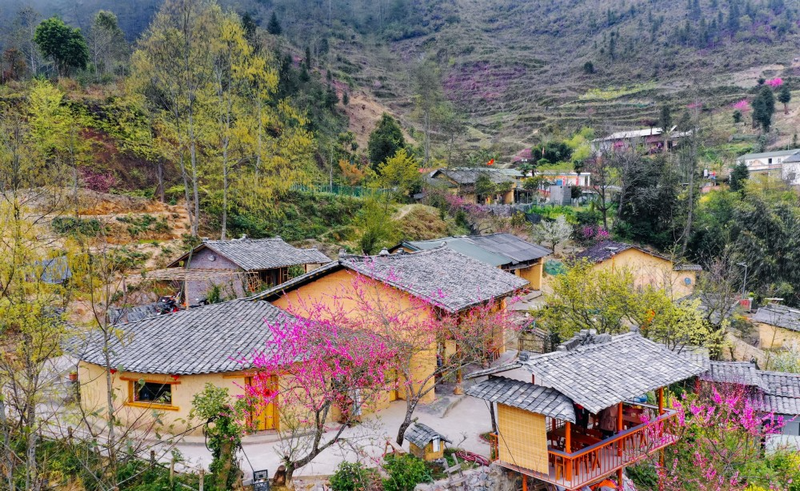
One of the most meaningful stops is Nam Dam Village. Much like Thon Tha, Nam Dam is a traditional ethnic village, but here the residents are the Black Dao people. Their architecture is "Trinh Tuong" houses with thick walls painted in a warm, earthy yellow. The Dao are famous for their herbal medicine and their "Long-Life" baths. If your muscles are sore from the morning climb, stopping at a local Dao home for a traditional herbal soak is an experience that connects you directly to the ancient wisdom of the forest.
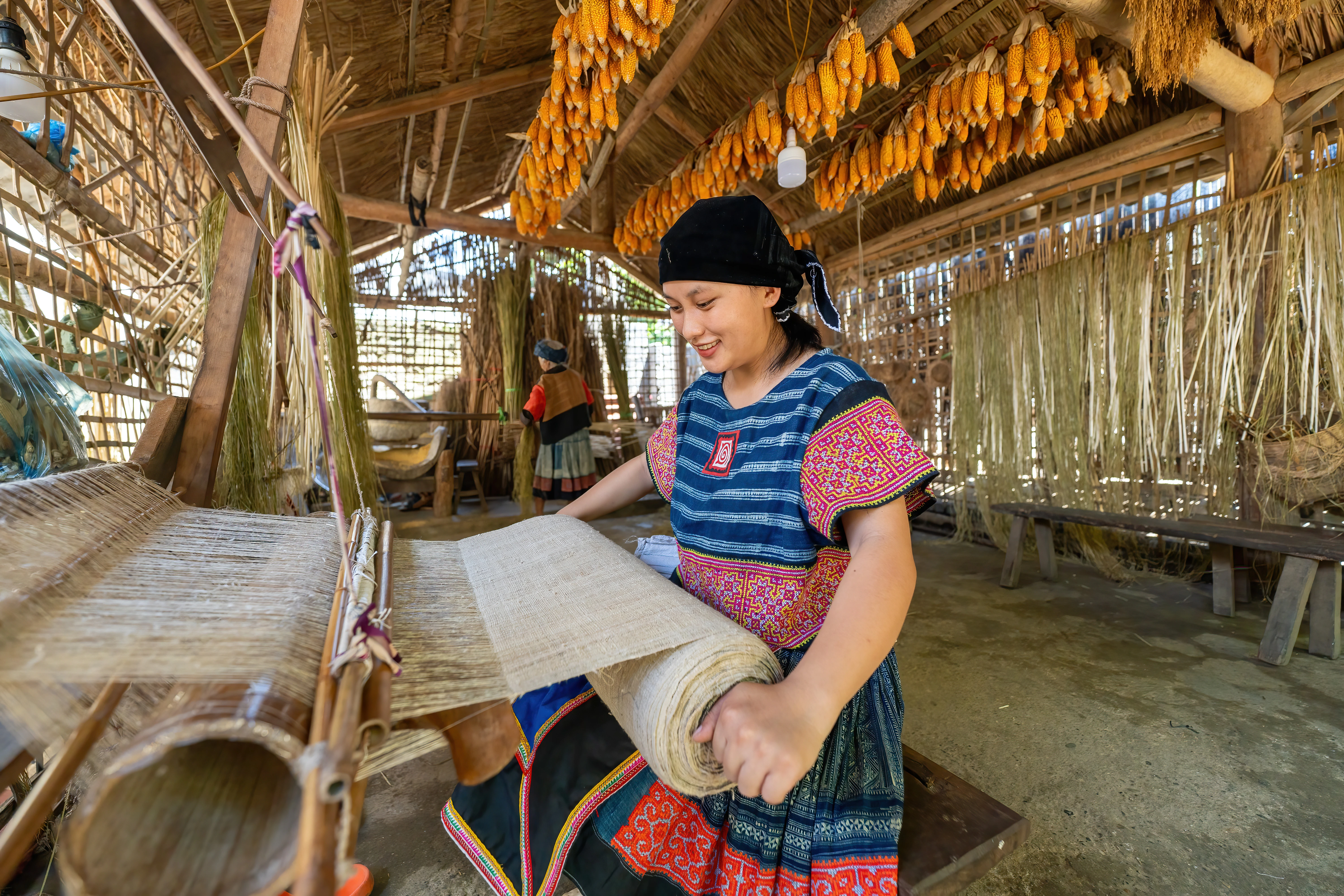
For those interested in local crafts, a short ride to Lung Tam Village is essential. This is the home of the Hmong linen weaving cooperative. Here, you can watch the women transform raw flax plants into beautiful, indigo-dyed textiles using techniques that haven't changed in centuries. It is a slow, methodical process of boiling, weaving, and wax-resist dyeing (batik) that produces some of the most durable and beautiful fabric in the world.
The Return to the Lowlands
If you are doing this as a round trip back to Thon Tha, the return journey offers a completely different perspective. Descending the Bac Sum Pass as the sun begins to dip behind the peaks is a masterclass in light and shadow. The limestone ridges turn deep purple, and the smoke from evening cooking fires begins to settle in the valleys.
The ride back toward the city feels faster, but the transition back to the warmer, humid air of the Tay valleys is a gentle way to end the day. Returning to the familiar palm-leaf roofs of Thon Tha after seeing the rugged heights of Quan Ba helps you appreciate the incredible diversity of Ha Giang. You’ve traveled only a few dozen kilometers, but you’ve crossed through two distinct worlds.
Practical Insights for the Day Trip
A Thon Tha Village Quan Ba Day Trip is roughly 100 kilometers round-trip, but because of the steep grades and the many stops, it should be treated as a full-day affair. Start no later than 8:30 AM to ensure you have time to explore the villages of Nam Dam or Lung Tam without rushing.
Road safety is paramount on this stretch. You will encounter large trucks and passenger buses on the hairpins of Bac Sum. Always stay to the right, use your horn before blind corners, and never overtake on a curve. If it’s your first time riding in the mountains, this is the perfect route to practice your gear shifting - staying in 2nd or 3rd gear for the climbs to keep the engine in its power band.
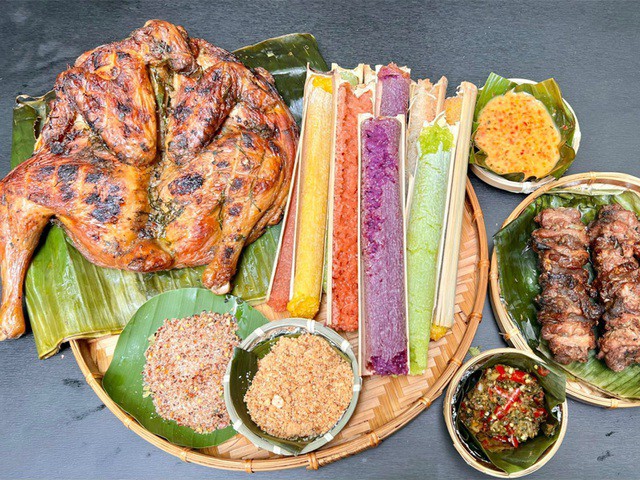
Food options are plentiful in Tam Son town, but for a more authentic experience, we recommend finding a small local "Quan" (eatery) in Nam Dam. Ask for Com Lam or some grilled pork with forest herbs. It’s the kind of honest, mountain food that tastes best when you’ve earned it through a day of riding.
Final Thoughts: The Spirit of the Climb
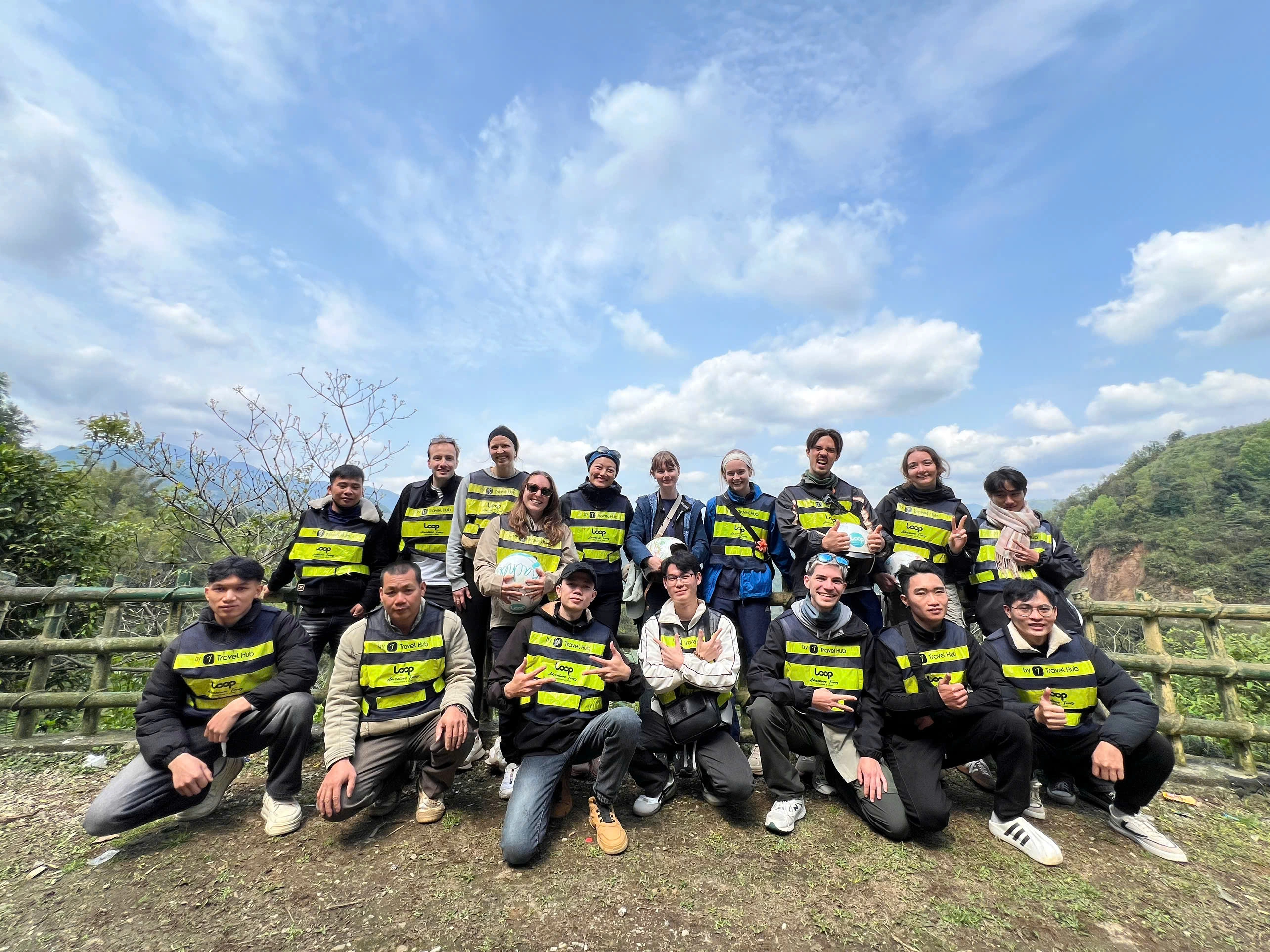
At Loop Tours, we see this day trip as the perfect "teaser" for the full Ha Giang Loop tour. It provides the vertical thrill of the passes and the cultural depth of the ethnic villages, all within a manageable distance. It proves that you don't have to go far to find adventure; you just have to be willing to climb.
As you sit back in Thon Tha at the end of the day, perhaps with a glass of corn wine in hand, you’ll look up at the dark silhouettes of the mountains you just conquered. The high plateau is no longer just a place on a map - it’s a memory of wind, stone, and the immense freedom of the open road.