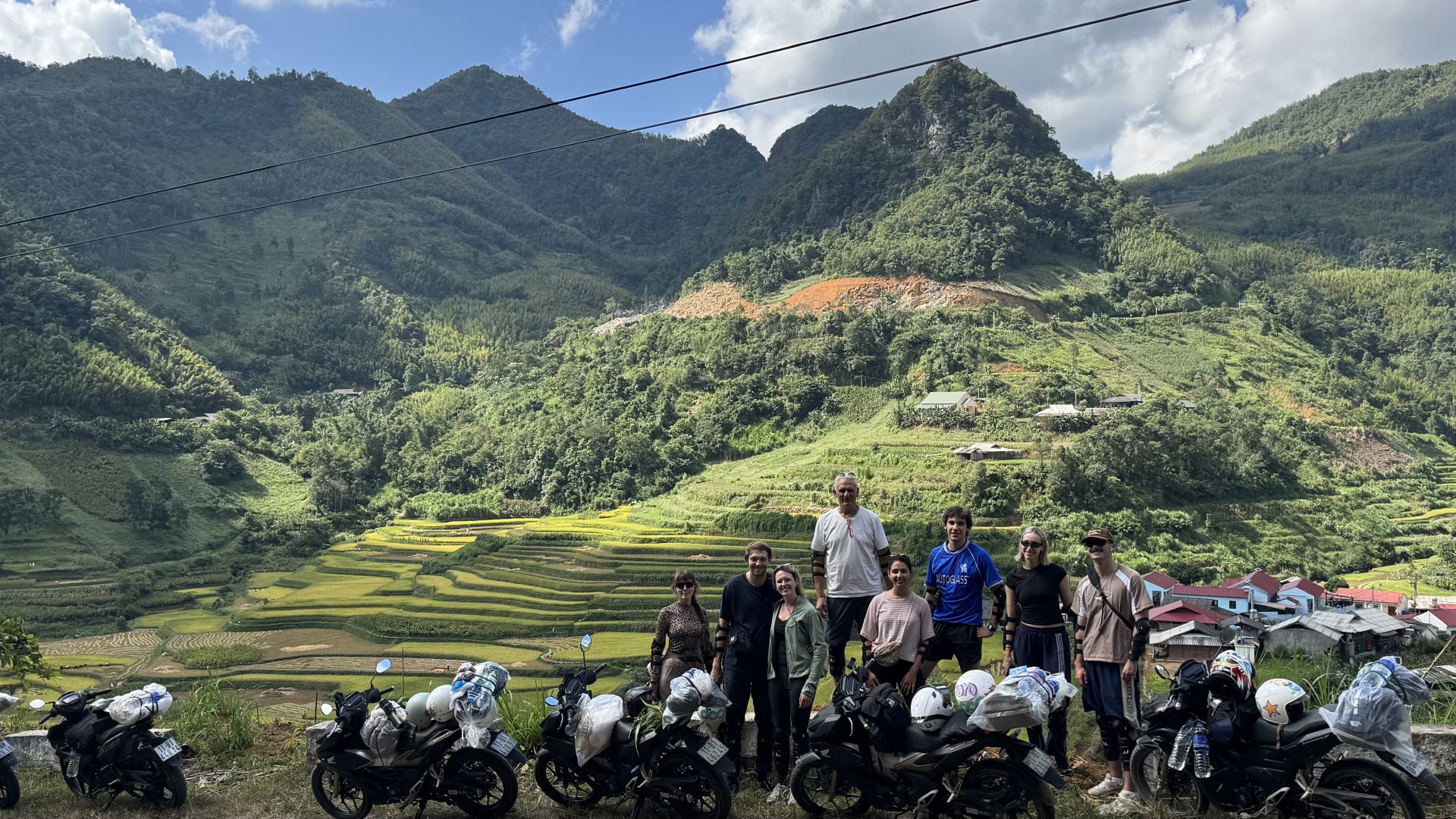


When most travelers start their journey on the Ha Giang Loop tour, they often rush past the outskirts of the city, eager to hit the high mountain passes of Dong Van and Meo Vac. But for those who know the region deeply, the real magic starts just 6 kilometers outside of the city center. Staying in a Thon Tha Village homestay isn't just about finding a bed for the night, it’s about grounding yourself in the rhythm of the North before you tackle the "Happiness Road." It’s a place of stilt houses, emerald rice paddies, and a community that has preserved its identity despite the growing popularity of the region.
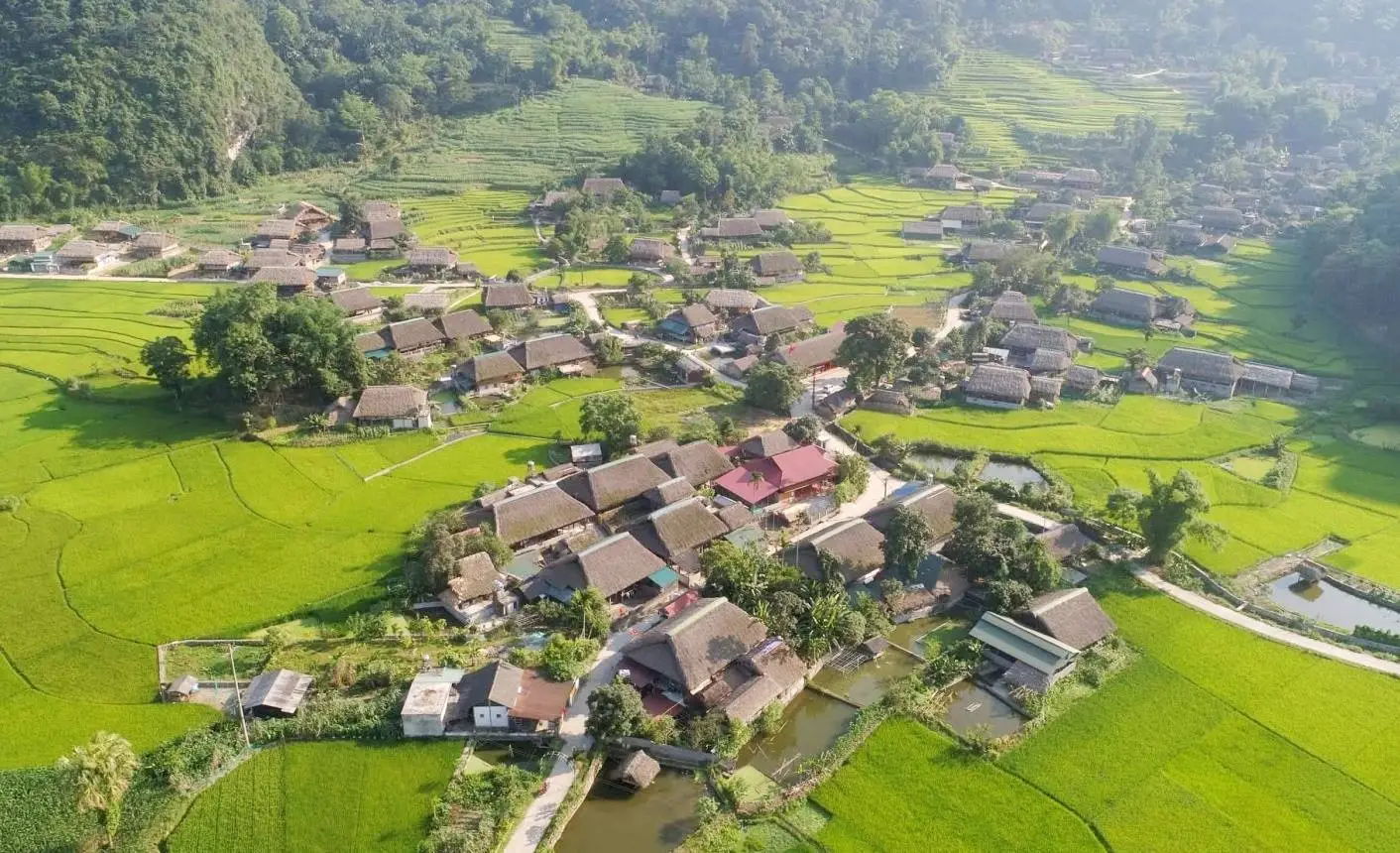
The Soul of Thon Tha: A Tay Ethnic Stronghold
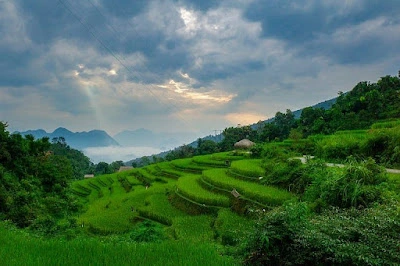
Thon Tha is a small, serene village inhabited entirely by the Tay ethnic group. As you ride into the village, the first thing you notice is the uniformity of the architecture. Unlike other areas where modern bricks are creeping in, Thon Tha remains a sanctuary of traditional stilt houses. These homes are built with wood and bamboo, topped with thick palm-leaf roofs that have weathered decades of mountain mist. The village is surrounded by a natural amphitheater of limestone peaks and terraced fields, making it feel like a world hidden away from the modern bustle of Ha Giang city.
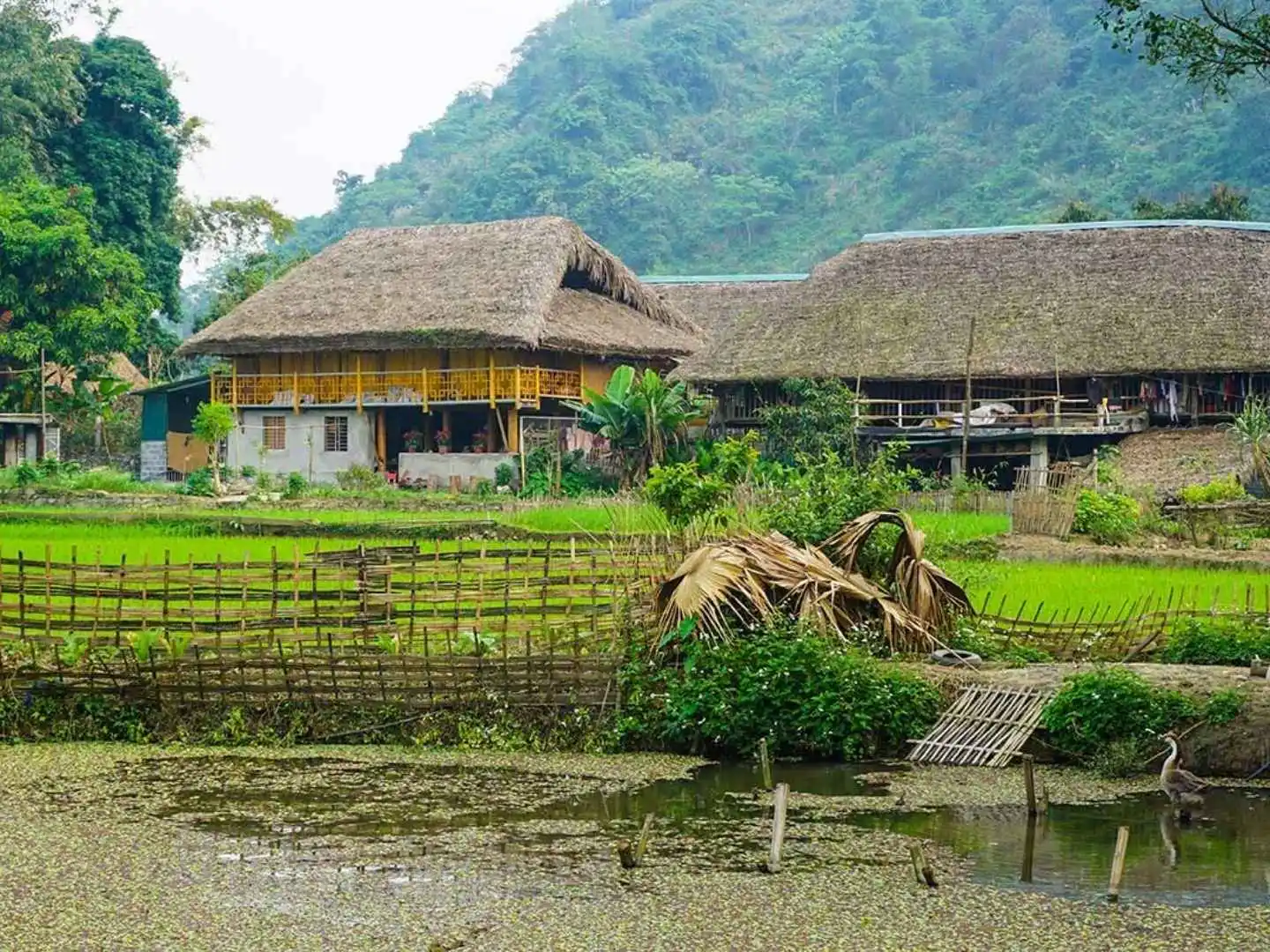
The Homestay Experience: What to Expect
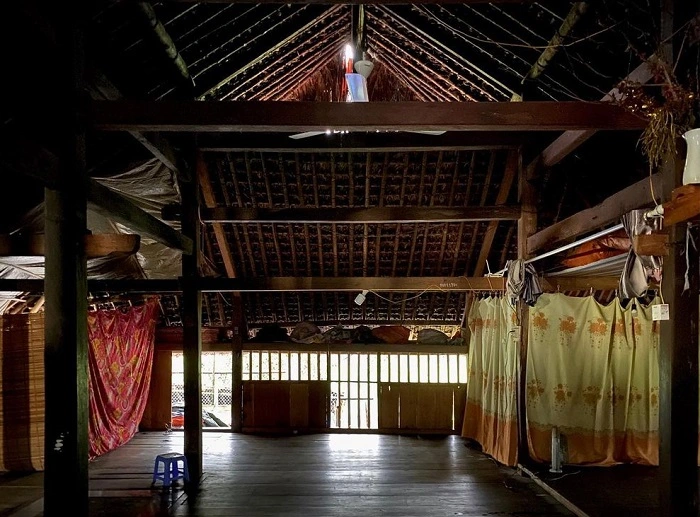
Staying in a traditional stilt house is a sensory experience. The houses are typically large, open-plan structures where the living area, kitchen, and sleeping quarters are partitioned by simple curtains or wooden screens.
Authentic Living
When you stay at a Thon Tha Village homestay, you sleep on a comfortable mattress on the wooden floor, protected by a mosquito net. There is something deeply peaceful about falling asleep to the sound of the nearby stream and waking up to the call of roosters and the smell of woodsmoke. While the amenities are simple, the cleanliness and warmth provided by the hosts make it feel more welcoming than any city hotel.
Family-Style Feasts
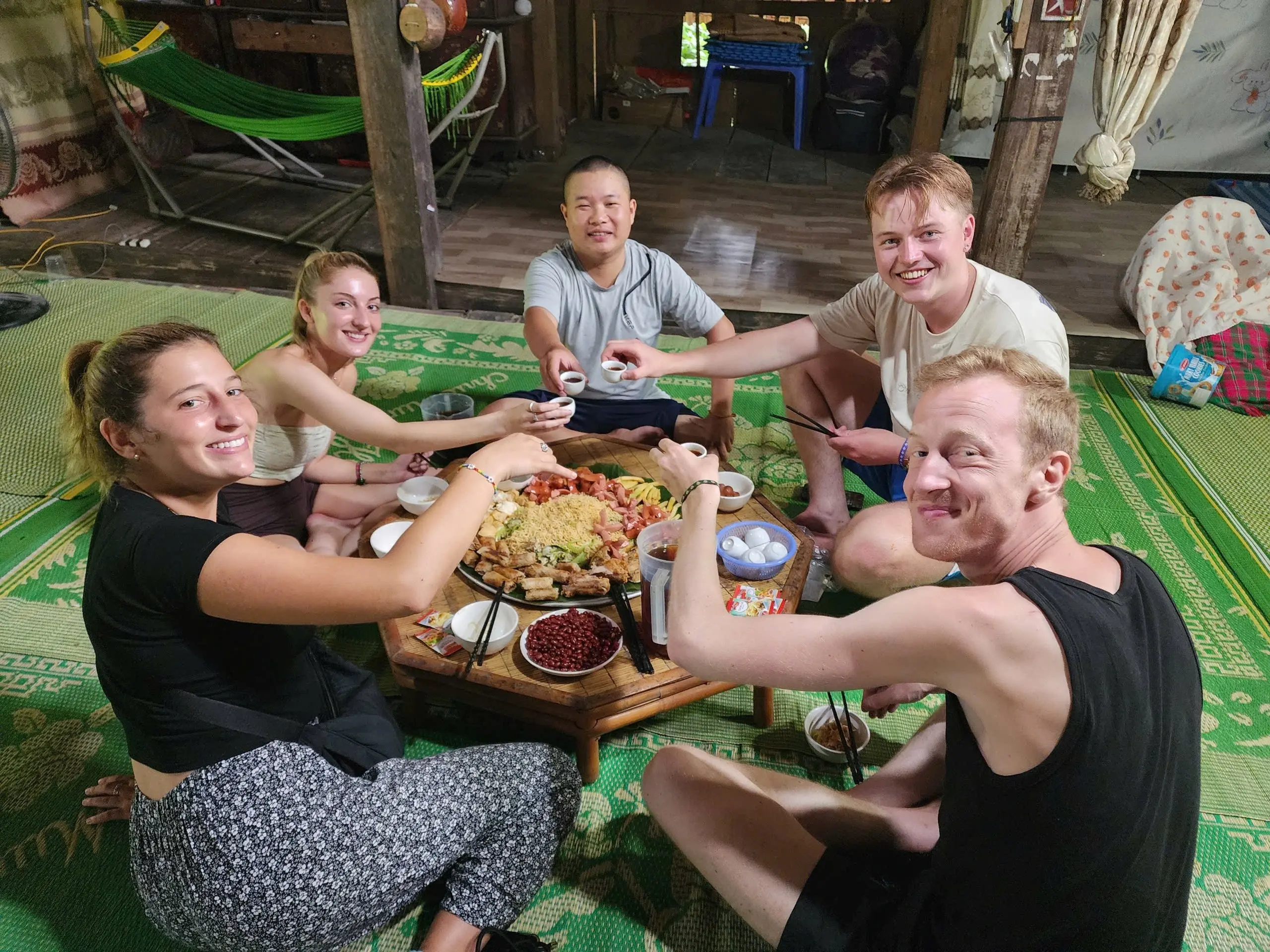
Food in a Thon Tha Village homestay is a lesson in self-sufficiency. Almost everything on your plate comes from within a few miles of the village. The Tay are incredible cooks, using a wide array of mountain spices like cardamom, basil, and wild pepper to create flavors you won't find in city restaurants. You’ll likely find yourself gathered around a low table with your hosts, enjoying dishes like:
-
Thit Lon Den (Black Pork): Stir-fried with local herbs or smoked over the kitchen fire.
-
River Fish: Caught fresh from the streams running through the valley.
-
Wild Bamboo Shoots: Foraged from the nearby hills.
-
Happy Water: No meal in Ha Giang is complete without a few rounds of local corn wine or rice wine, shared as a sign of friendship.
Things to Do Around Thon Tha Village
While the village itself is a destination, the surrounding wilderness is where the adventure truly deepens. For those who want to stretch their legs before a long Ha Giang Loop tour, Thon Tha is the gateway to some of the most untouched trails in the province.
Hike to the Waterfall
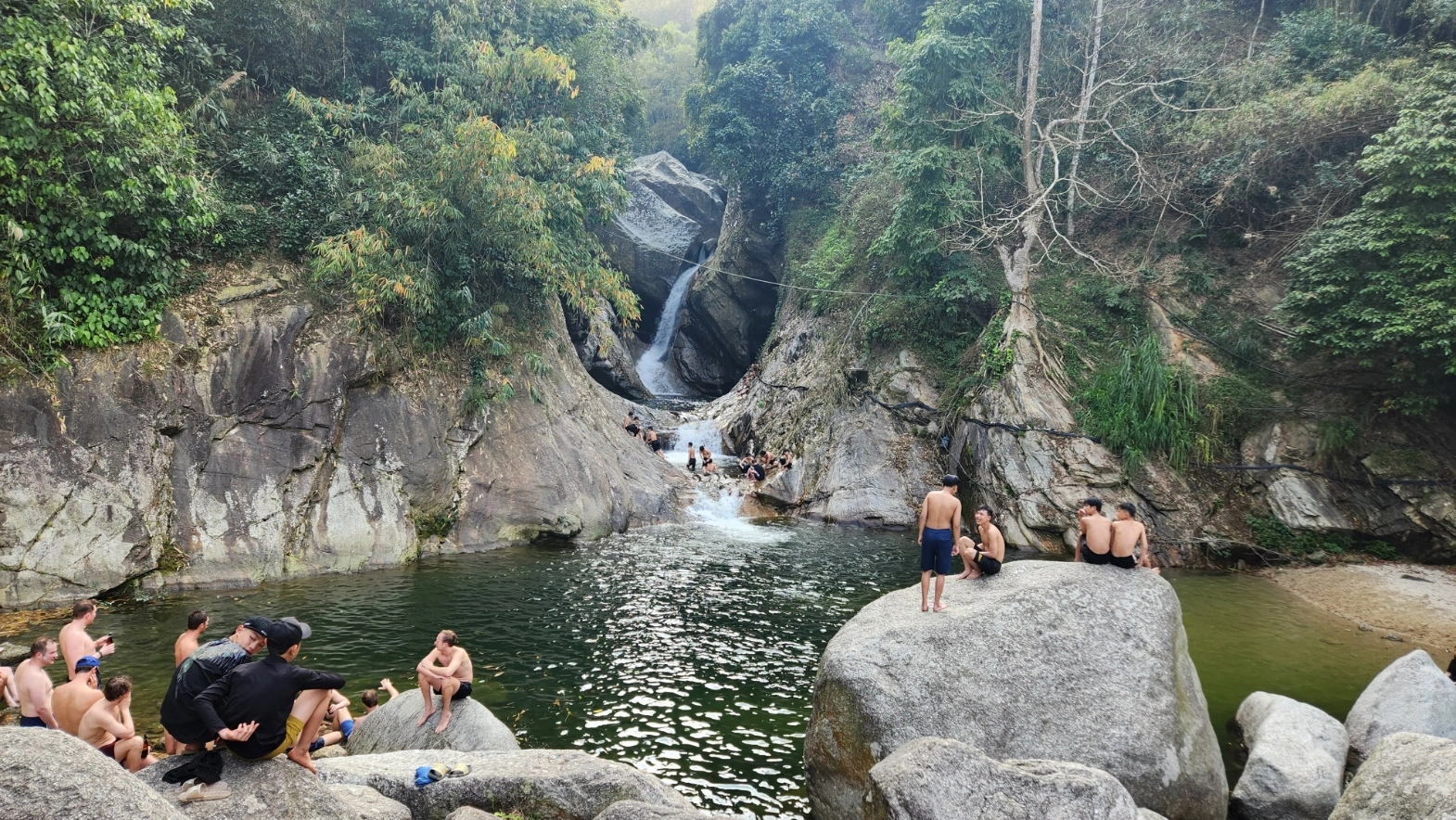
If you prefer something more relaxing, a short walk or ride leads to the Ha Thanh Waterfall (Waterfall Number 6). It’s a pristine natural pool tucked into the forest. In the heat of the summer, there is nothing quite like a dip in these cold, clear mountain waters to reset your system. It is a quiet alternative to the more crowded waterfalls you might find along Ha Giang.
Explore the Hidden Trails
A favorite route for seasoned hikers is the trek from Thon Tha toward Khuoi My and Lung Vai. This path winds through luxuriant palm forests and thick woods, eventually leading to fog-shrouded summits that offer a panoramic view of the entire valley. Along the way, you’ll encounter the Black Dao people, whose culture and dress provide a striking contrast to the Tay villagers below.
Festivals and the Soul of the Then Song
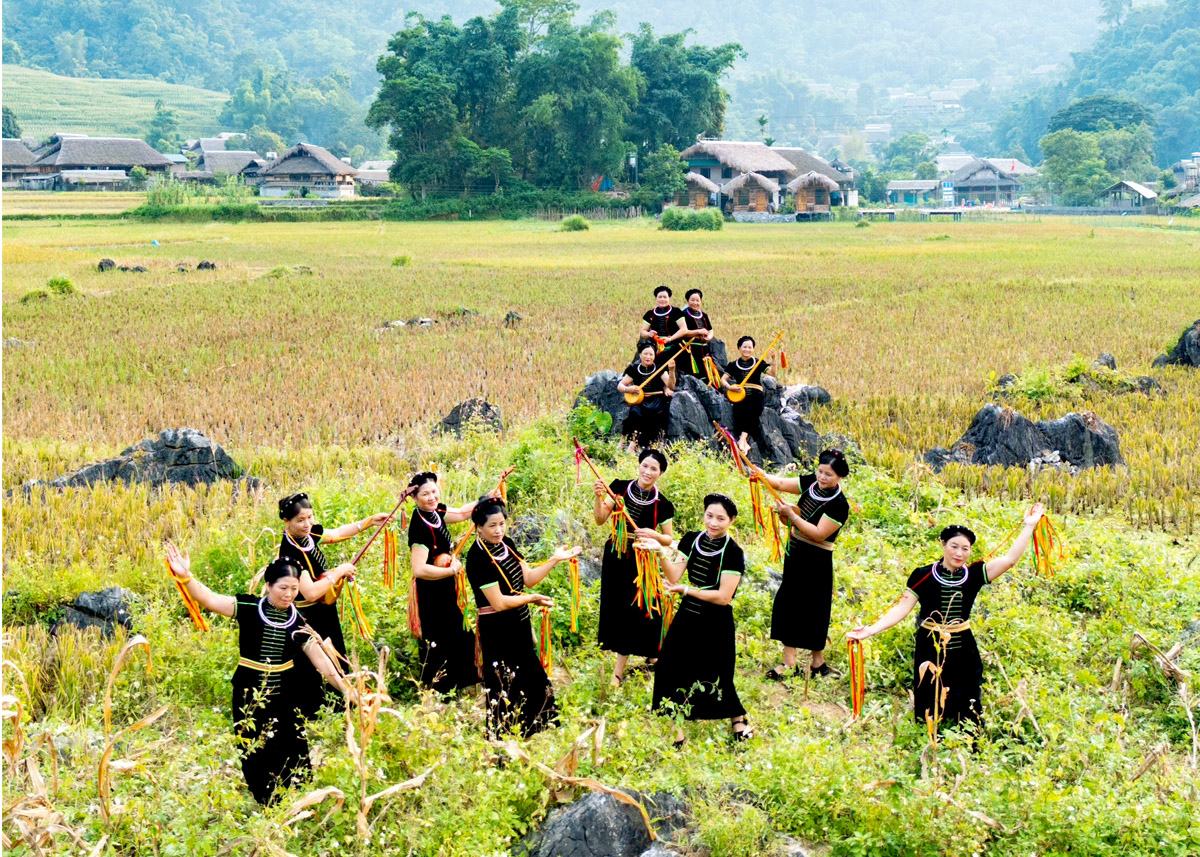
If your visit coincides with the lunar calendar, you might witness the spiritual heart of the Tay: the Then singing rituals. This isn't just music; it is an oratorio art form that integrates poetry, melody, and dance. UNESCO has recognized Then singing as an Intangible Cultural Heritage of Humanity, and for good reason. Accompanied by the "Dan Tinh" (a gourd lute), Then singers act as messengers between the living and the spirit world, praying for health, prosperity, and a successful harvest.
Technical Details for Your Stay
When planning your stay, remember that there are no ATMs in the village. Cash is the only currency here, and you should withdraw enough in Ha Giang City before arriving. Connectivity is surprisingly good, with 4G signals reaching most parts of the valley, but we find that most travelers prefer to leave their phones in their bags once the "Happy Water" starts flowing.
The roads within the village can be uneven and are mostly unlit at night, so a small flashlight is a handy tool for the short walk back to your homestay after dinner. Most importantly, always ask for permission before taking photos of people or their homes. A smile and a respectful gesture go a long way in a place where hospitality is the highest law.
Final thought
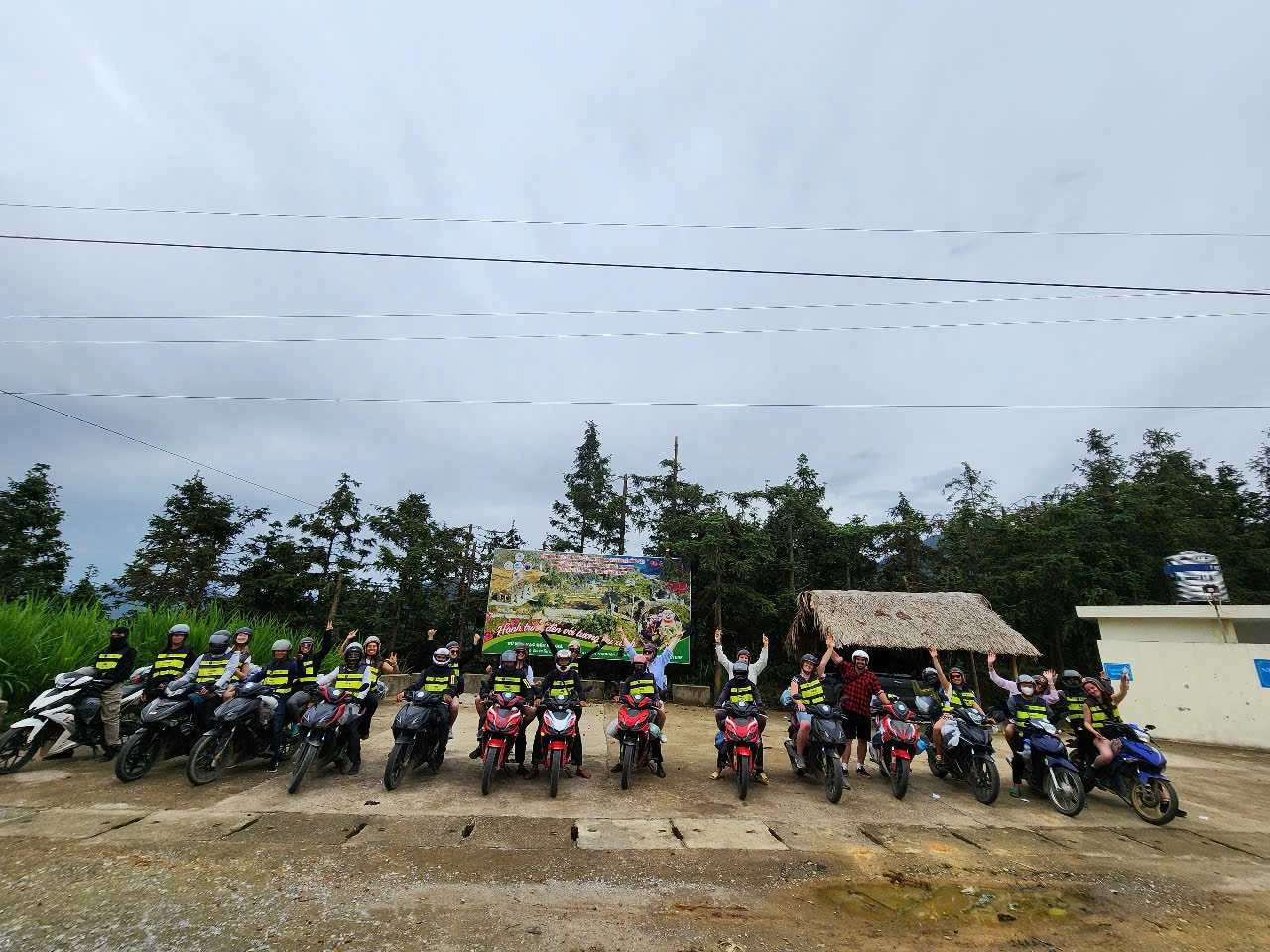
While we don't stay in Thon Tha on our standard itineraries, we often point it out to travelers as they leave the city. It stands as a reminder that the "Loop" isn't just about the distance covered or the height of the passes; it is about the quiet resilience of the people living in these valleys. Even if you are just passing through on your way to the higher altitudes of the Ha Giang Loop tour, the sight of the palm-roofed houses against the limestone backdrop is the perfect first handshake with the North. It represents the authentic, grounded spirit that we carry with us as we head toward the more rugged frontiers of Dong Van and the Cao Bang Loop.