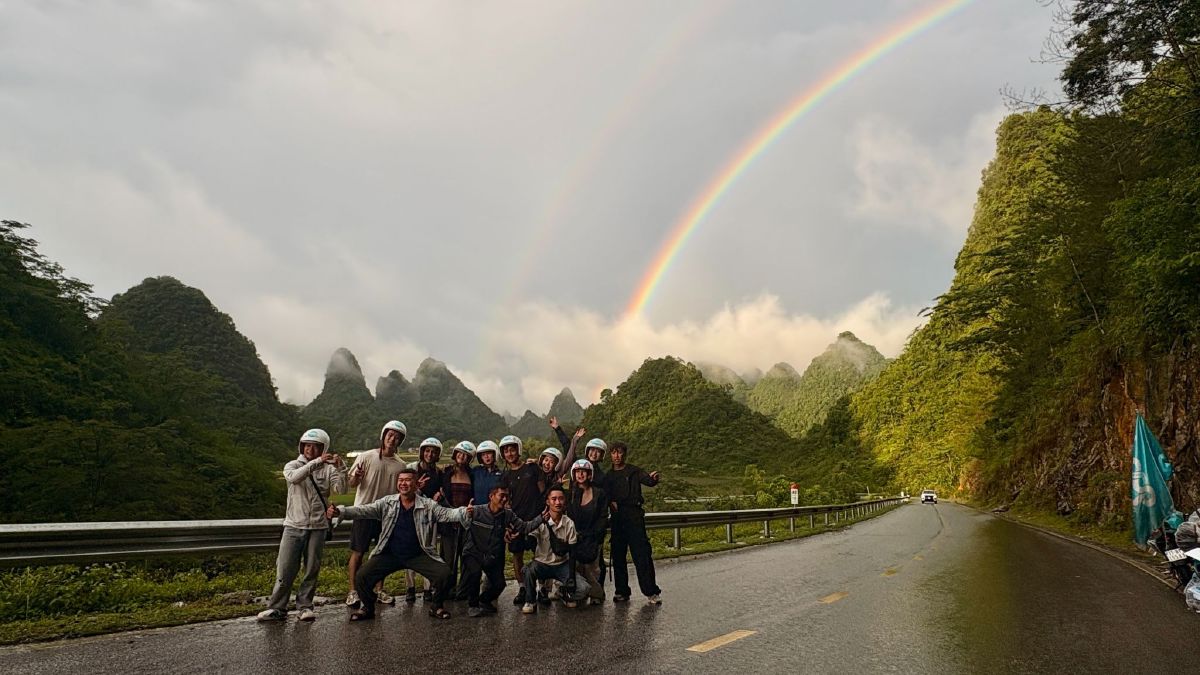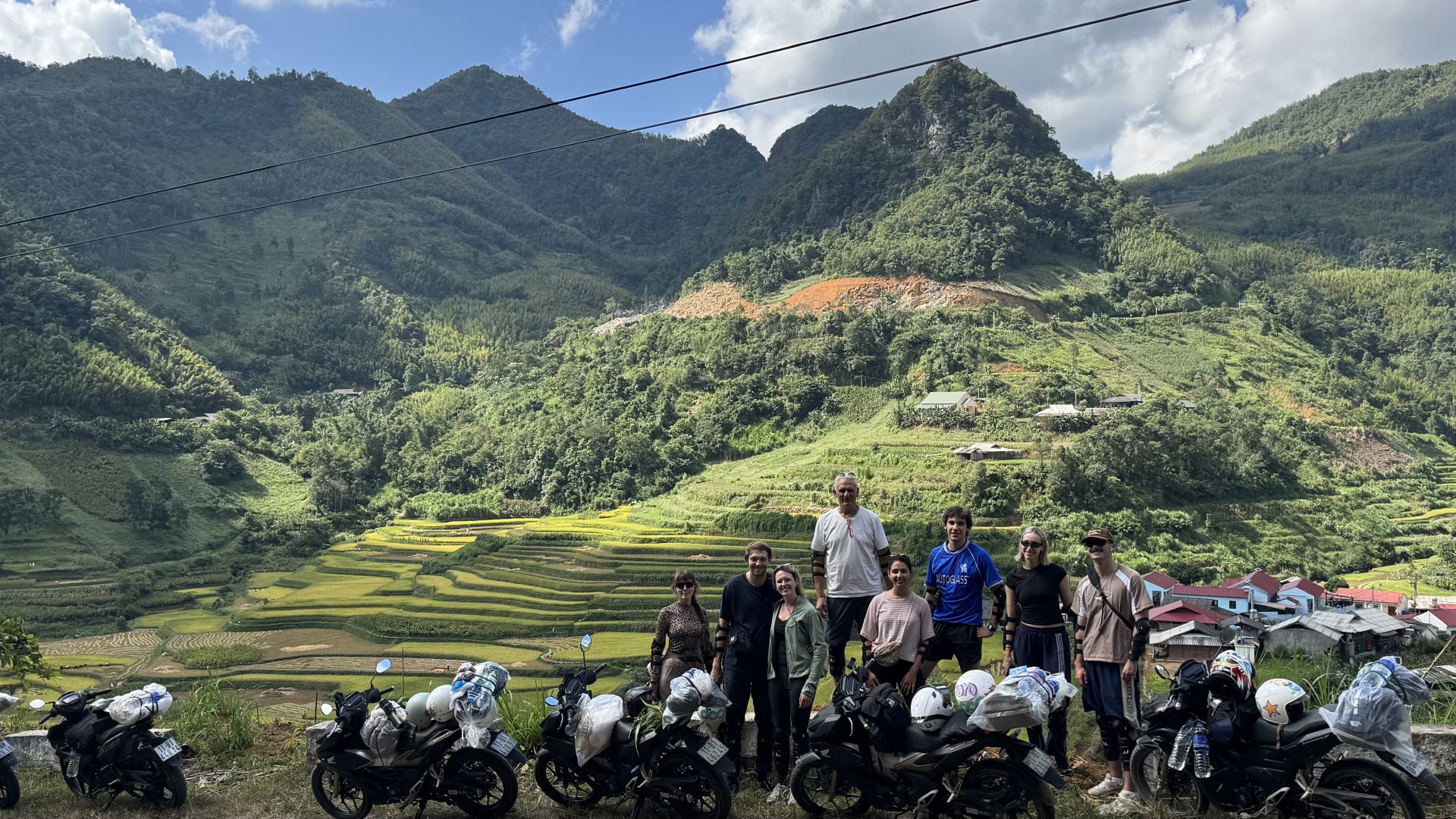


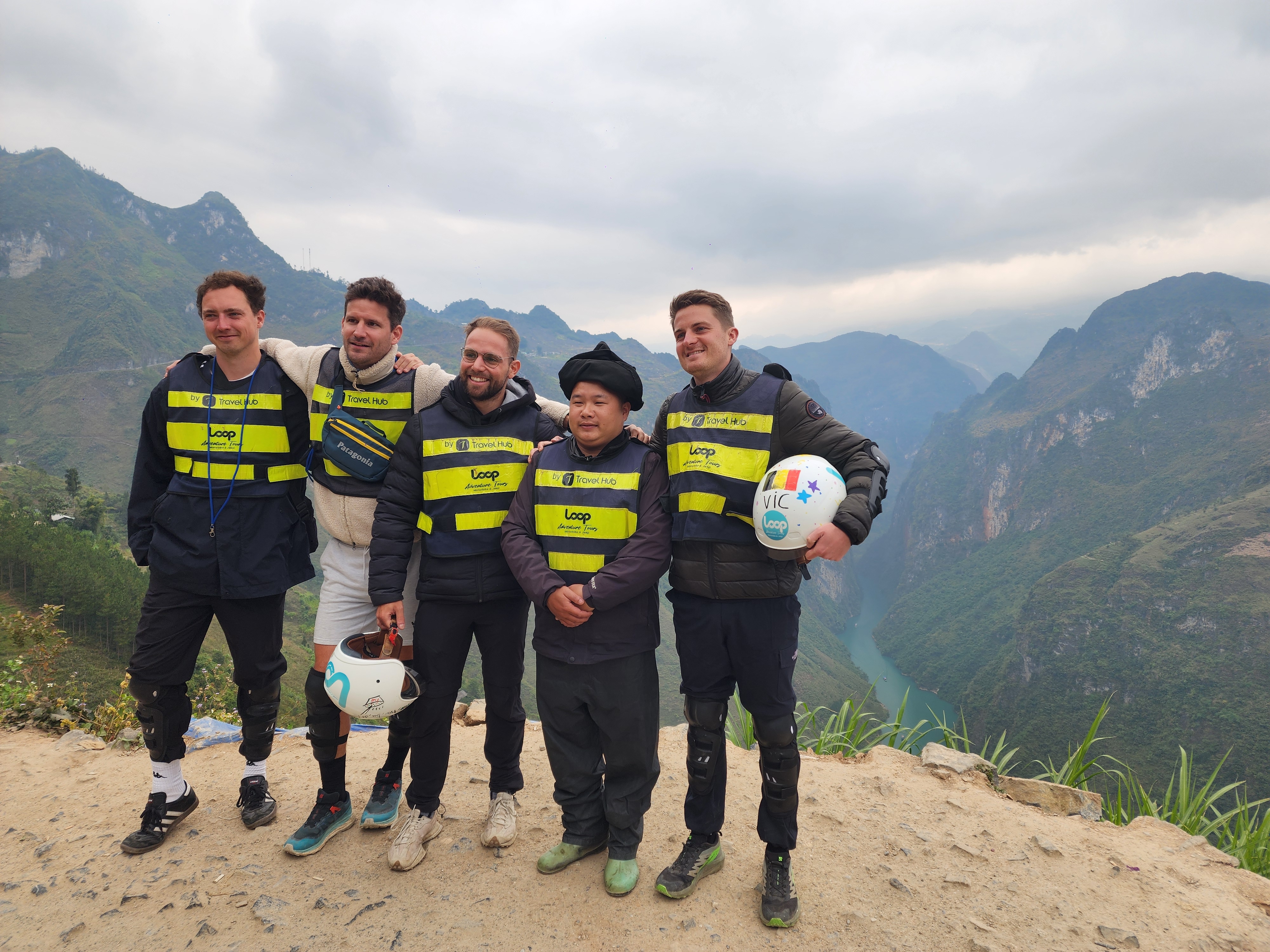
At Loop Tours, we’ve seen too many travelers show up in tank tops and flip-flops only to realize that at 1,500 meters, the mountains play by different rules. We grew from backpackers who have shivered through many winter nights in Dong Van, so we want to make sure you’re prepared for the reality of the Northern climate.
Whether you are planning a Ha Giang Loop tour in the peak of summer or the dead of winter, understanding the altitude is the key to staying comfortable.
The Four Seasons Of The Ha Giang Loop
The temperature on the Ha Giang Loop tour isn't just about the month; it’s about the elevation. You can experience four seasons in a single day as you move from the low valleys to the high limestone peaks.
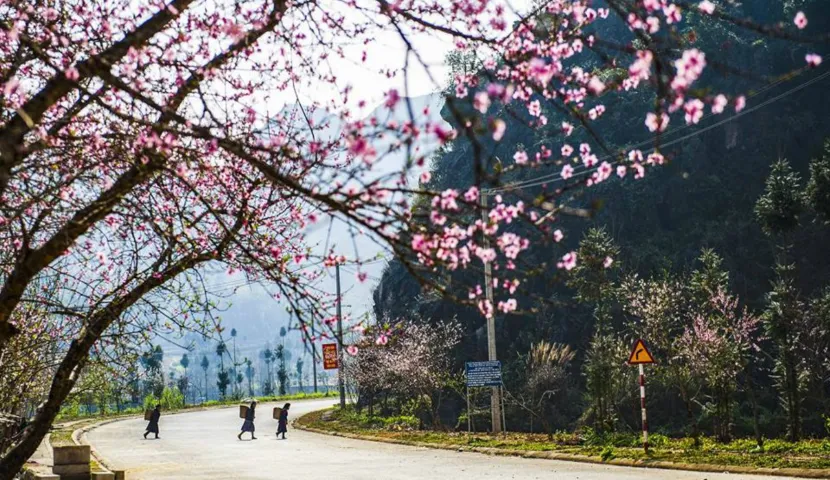
Spring: The Season of Blossoms (March - May)
This is widely considered the most beautiful time for a Ha Giang Loop tour. After the harsh winter, the mountains literally wake up.
-
The Landscape: This is when the peach and plum blossoms turn the grey limestone valleys into shades of pink and white. The rice paddies are often being prepared, so you’ll see locals working the terraces.
-
The Temperature: It’s a "goldilocks" season - not too hot, not too cold. Expect daytime highs around 18°C - 24°C.
-
The Riding Conditions: The roads are generally dry, but morning fog at Heaven’s Gate is very common. You’ll start the day in a jacket and end it in a T-shirt.
-
The Vibe: Fresh, vibrant, and perfect for photography.
Summer: The Emerald Highs (June - August)
If you want to see the Ha Giang Loop route at its greenest, this is your window.
-
The Landscape: Everything is a deep, glowing emerald. The corn fields (Ha Giang's "gold") are tall, and the Nho Que River is at its fullest.
-
The Temperature: It’s hot. In the valleys like Du Gia, it can hit 30°C+. However, the high altitude of Dong Van keeps it breathable.
-
The Riding Conditions: This is the rainy season. Expect sudden, heavy tropical downpours. The roads can get slippery, and landslides are a real factor. If you aren't an expert, this is the best time to hire a Ha Giang Loop easy rider to navigate the mud.
-
The Vibe: Lush, dramatic, and a bit of an adrenaline rush.
Autumn: The Golden Harvest (September - November)
For many, this is the "Ultimate" time for a Ha Giang Loop tour.
-
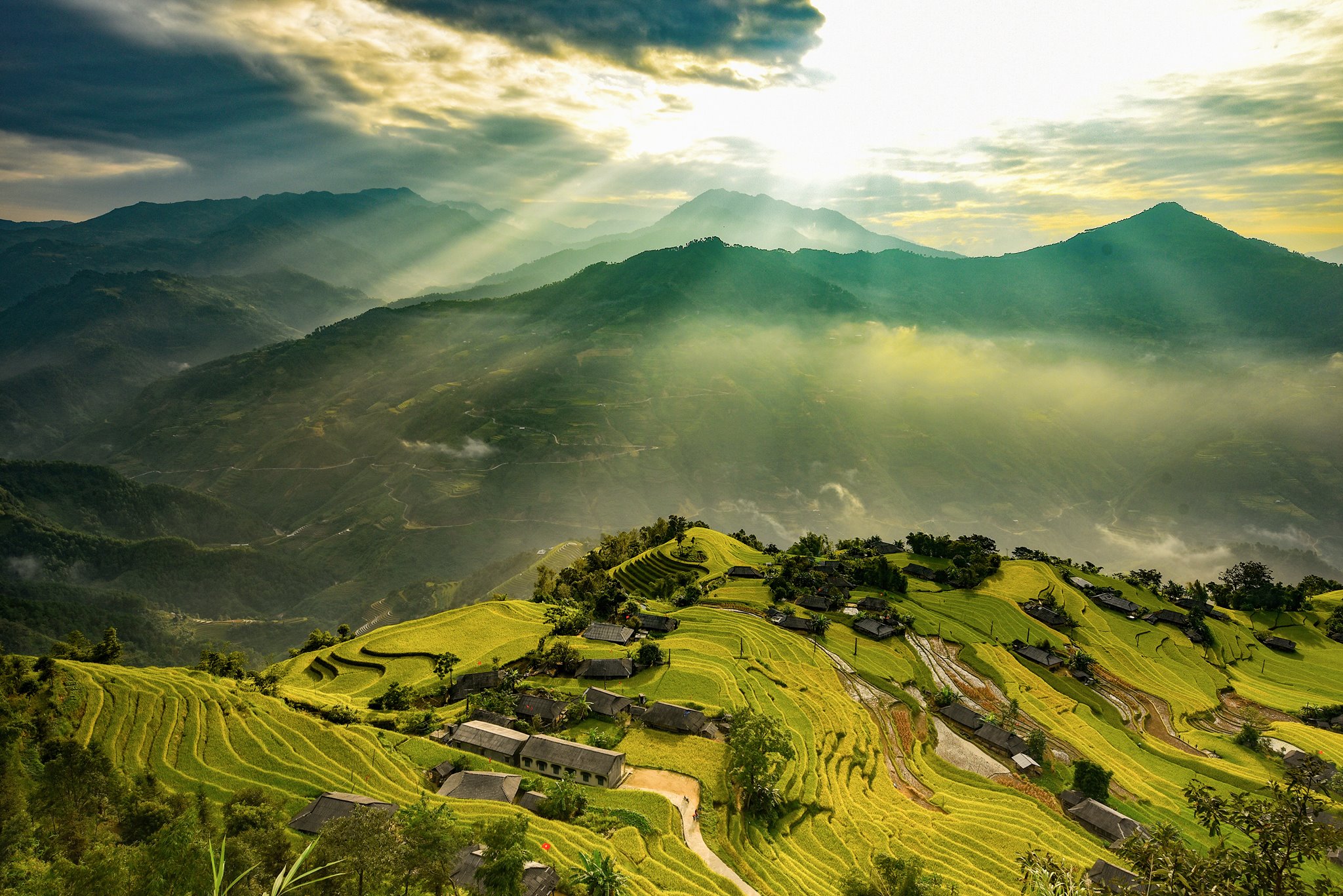
The Landscape: This is the season of the golden rice. The terraces in Hoang Su Phi (near the start of the loop) turn bright yellow as the rice ripens. The buckwheat flowers (the symbol of Ha Giang) begin to bloom in late October, covering the hills in purple and white.
-
The Temperature: Crisp and dry. It’s perfect riding weather - around 20°C. The sky is often a deep, clear blue, giving you the best visibility of the 800-meter drops on the Ma Pi Leng Pass.
-
The Riding Conditions: Excellent. This is the safest time for self-drive enthusiasts because the roads are at their driest and most predictable.
-
The Vibe: Majestic and busy. This is peak season, so expect more travelers at the homestays.
Winter: The Grey Frontier (December - February)
Winter turns the Ha Giang Loop route into a raw, moody, and deeply atmospheric experience.
-
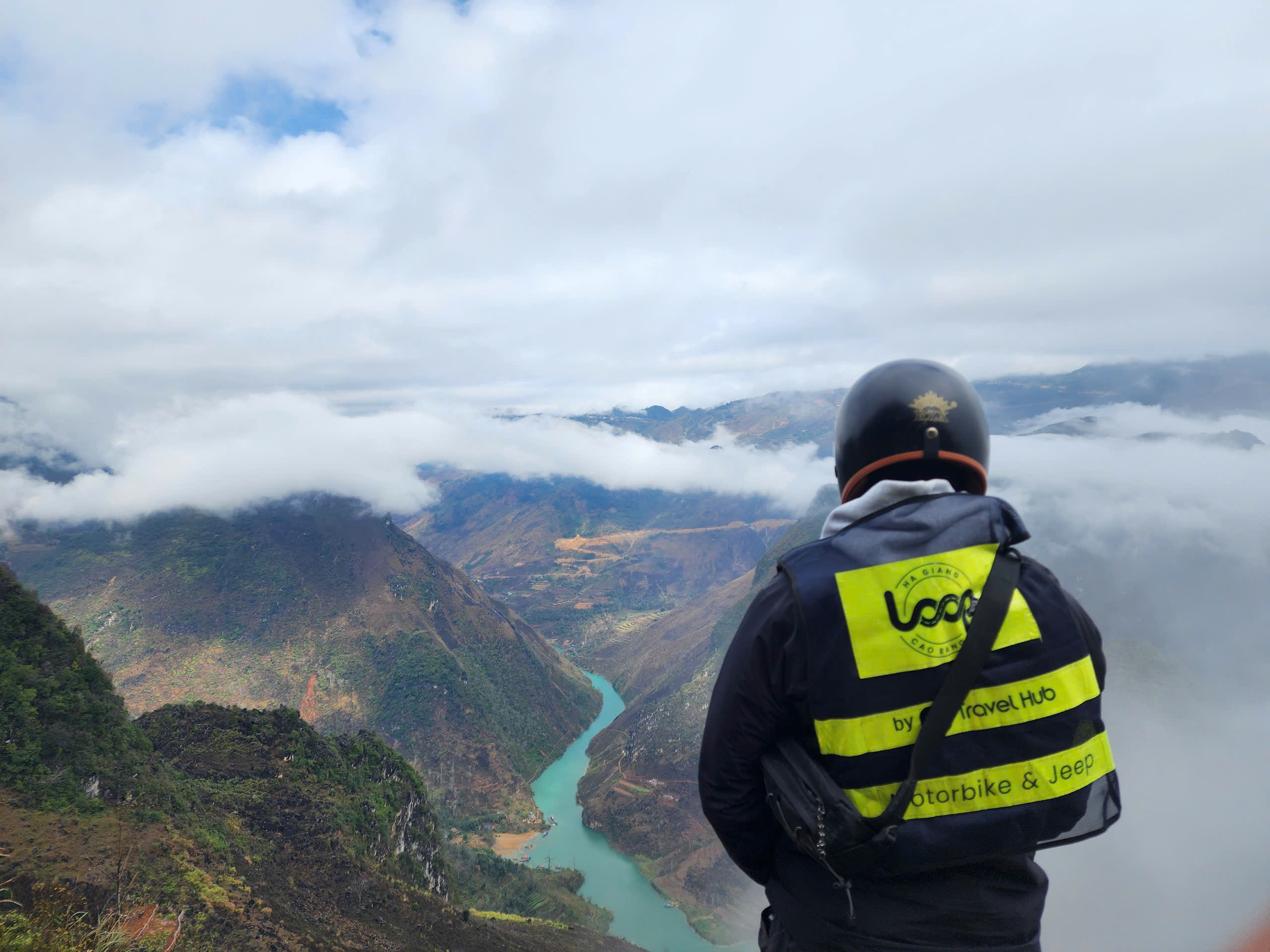
The Landscape: The greenery fades, revealing the "skeleton" of the limestone peaks. It feels like a fantasy novel. You'll see the famous "sea of clouds" where the valleys are completely buried in white mist.
-
The Temperature: It is genuinely cold. Temperatures frequently drop to 5°C and can even hit 0°C on the high ridges. There is no heating in most homestays, so the "Happy Water" and the communal fire become your best friends.
-
The Riding Conditions: Challenging due to the cold and the fog. Visibility can be zero for hours. You need serious layers and a windproof shell.
-
The Vibe: Quiet, mystical, and tough. It’s for the travelers who want to see the mountains without the "tourist" polish.
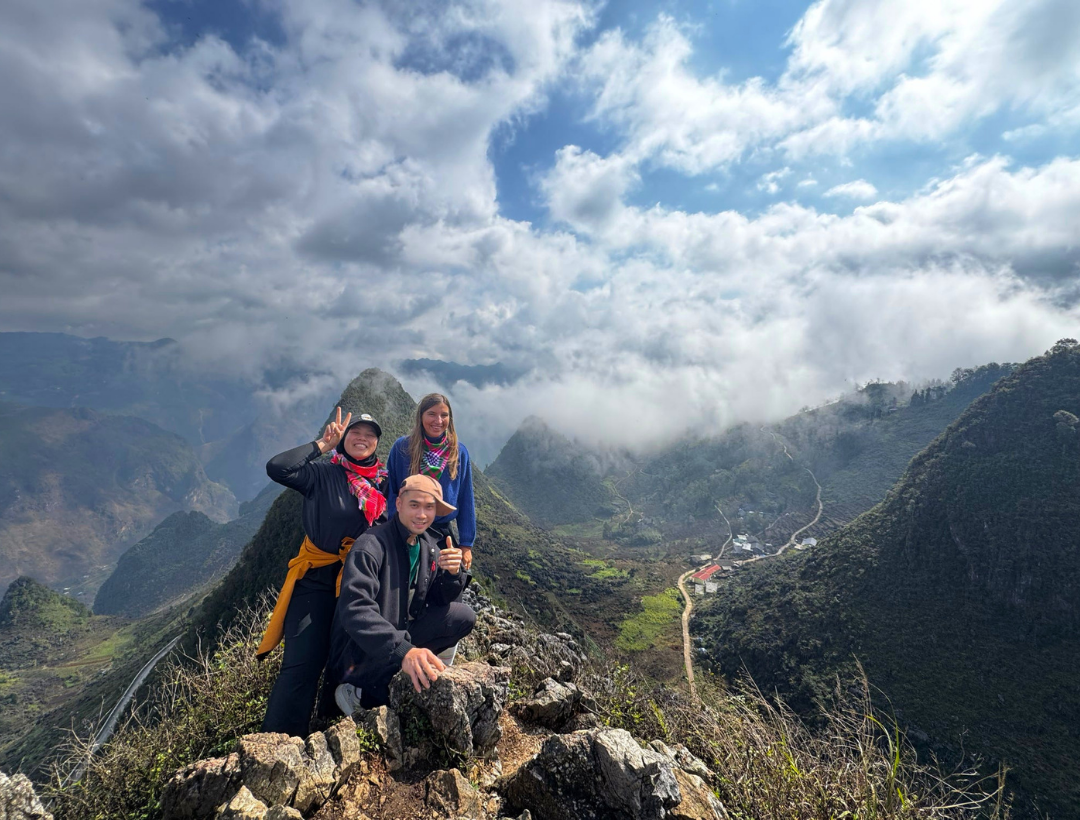
The Essential Packing List For The Cold
At Loop Tours, we provide high-quality rain and wind gear, but your base layers are up to you. If you want to enjoy the Ha Giang Loop tour without shivering, bring these:
-
A Solid Windbreaker: It doesn't need to be a heavy parka, a high-quality shell that stops the wind is much more effective.
-
Thermal Base Layers: If you're riding between December and March, these are non-negotiable.
-
The "Buff" (Neck Gaiter): Protects your neck from the biting wind and keeps the dust out of your lungs.
-
Long Socks: Avoid the "ankle gap" between your shoes and trousers where the cold air loves to whistle in.
-
A Warm Hat: For when the helmet comes off at those high-altitude coffee stops.
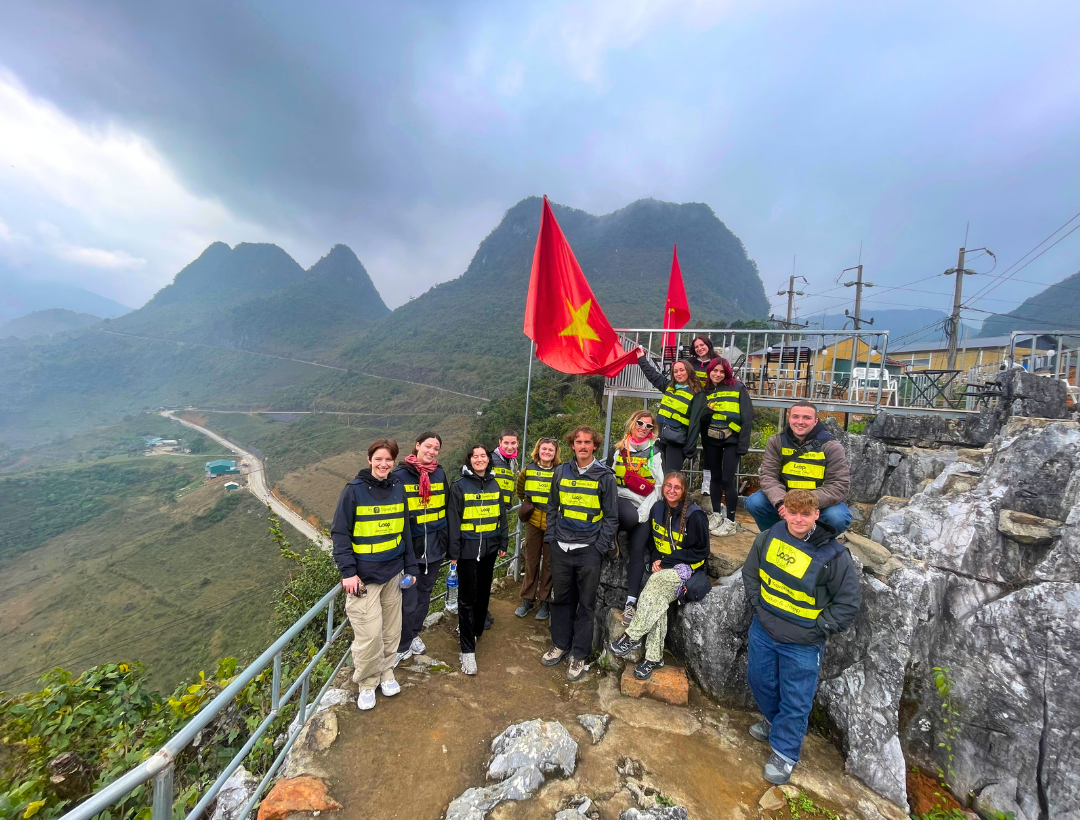
Ha Giang vs. Cao Bang: Which Is Colder?
Generally, Ha Giang Loop tours are significantly colder than the Cao Bang Loop. Ha Giang has a much higher average elevation with more exposed ridgelines. Cao Bang is lower, greener, and more sheltered, meaning it stays more humid and slightly warmer throughout the year. If you are very sensitive to the cold, keep this in mind when choosing your route.
Final Thoughts: Respect The Altitude
So, is the Ha Giang Loop cold? Yes.
But the cold is part of what makes the Northern frontier feel so raw and powerful. There is nothing like the feeling of pulling into a homestay in Du Gia after a chilly afternoon, warming your hands by the fire, and sharing a hot meal with your fellow travelers.
Pack smart, layer up, and don't let a little chill stop you from seeing the most beautiful landscape in Vietnam.
📲 WhatsApp / Phone: +84 862 44 33 20