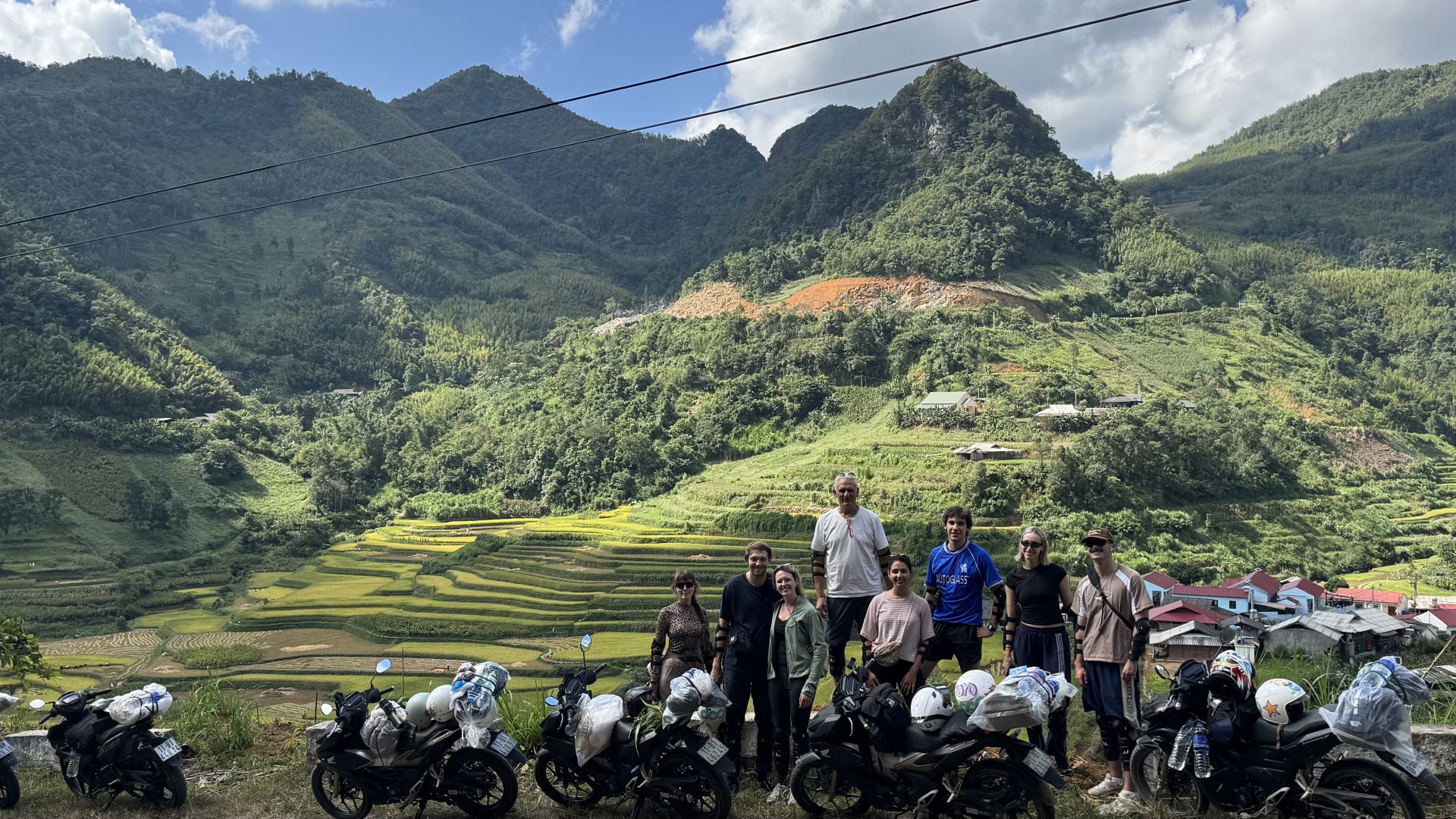


If Ban Gioc Waterfall brings travelers to Trung Khanh, local food gives them another reason to stay longer. Hidden among limestone mountains, rivers, rice fields and Tay and Nung villages, this part of Cao Bang has a food culture closely connected to the land and changing seasons. This Trung Khanh local food guide introduces the dishes and ingredients worth looking for while traveling around Ban Gioc Waterfall and the wider Cao Bang region.
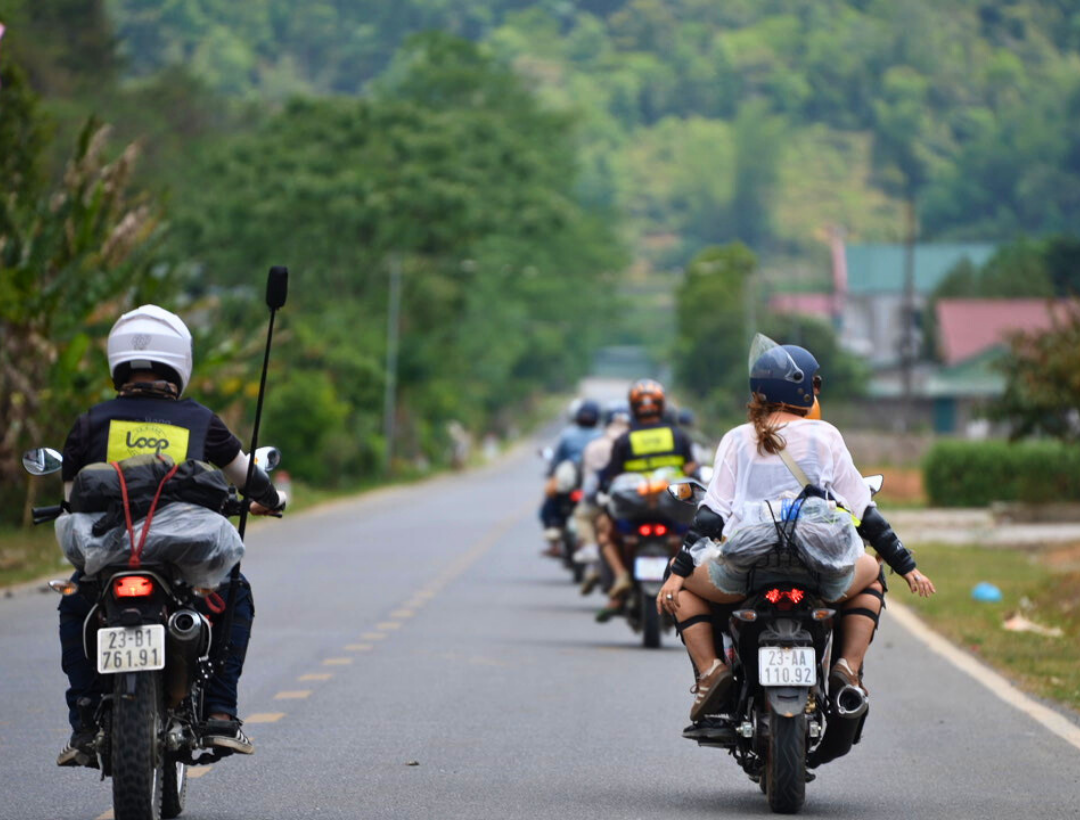
The Loop Tours provides guided Cao Bang and Ha Giang–Cao Bang travel experiences, giving visitors the chance to combine mountain roads, waterfalls and traditional villages with local restaurants, markets and homestay meals. The company’s current Cao Bang food guide highlights dishes such as bánh cuốn, phở chua, roasted duck, smoked sausage and Trung Khanh chestnuts as part of the province’s culinary experience.
Perfect Tours for You:
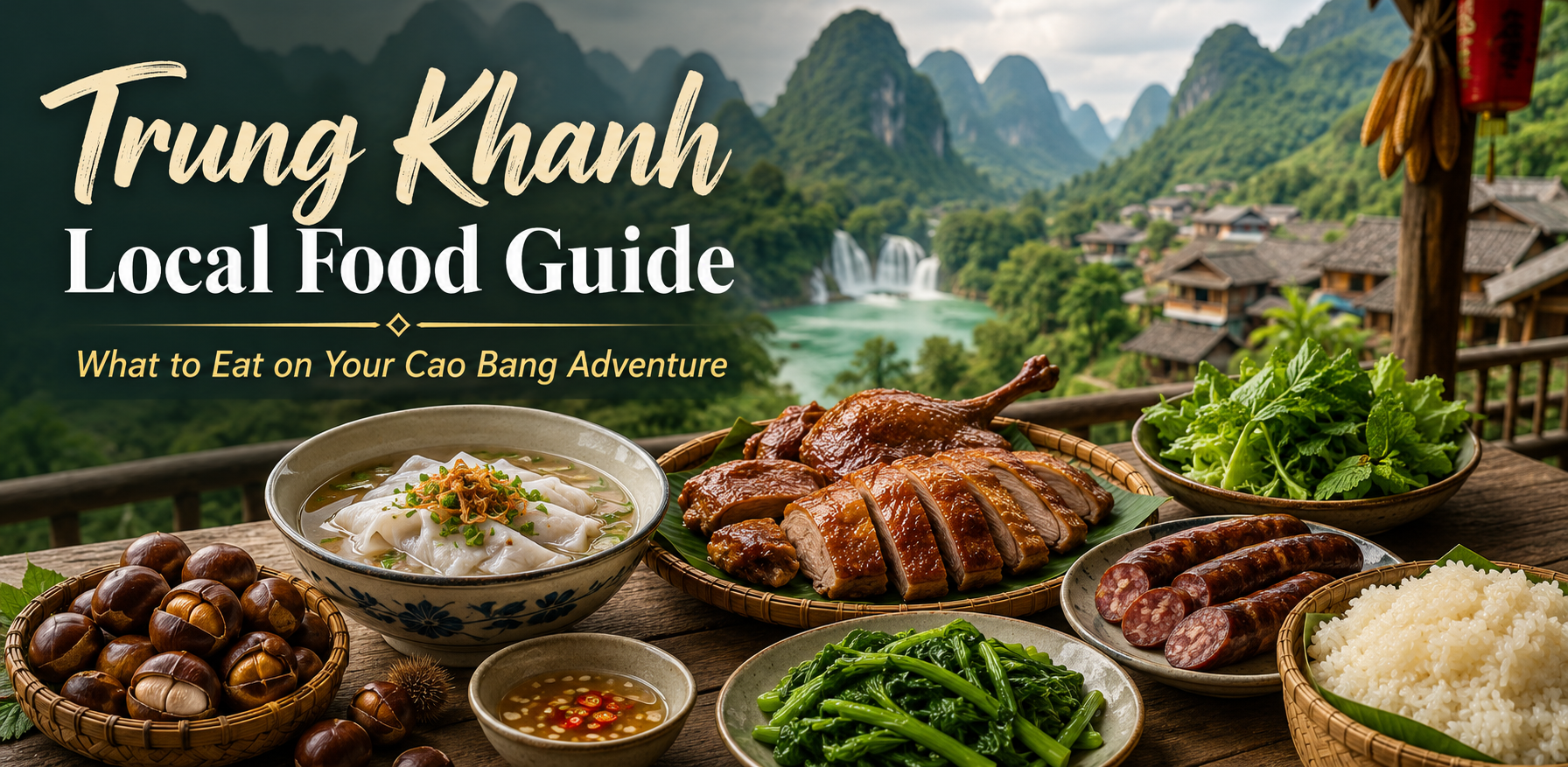
Trung Khanh Chestnuts – The Food You Should Not Miss
The first food on any Trung Khanh local food guide has to be the famous Trung Khanh chestnut.
Known locally as Mác Lịch, Trung Khanh chestnuts have become one of Cao Bang’s best-known agricultural specialties. In 2011, “Trùng Khánh” was officially registered as a geographical indication for chestnuts by Vietnam’s Intellectual Property Office.
The nuts are recognized for their large size, glossy dark-brown shells and yellow flesh with a rich, naturally sweet and nutty flavor. Their characteristics are associated with Trung Khanh’s cooler climate, limestone geography, soil and traditional cultivation methods.
The easiest way to enjoy them is simply roasted, boiled or steamed.
But local people also use chestnuts in dishes such as sticky rice, cakes and meat stews. Cao Bang tourism sources mention chestnut sticky rice, chestnut cakes and pork-leg stewed with chestnuts among the ways this local ingredient is prepared.
If you want one food souvenir that immediately says “Trung Khanh,” this is it.
When Is Trung Khanh Chestnut Season?
Food-focused travelers should pay attention to the season.
The main harvest arrives around early to mid-autumn. Local tourism information describes September and October as an important period for chestnut harvesting, while the traditional harvest falls around the eighth and ninth lunar months.
During harvest time, travelers may see fresh chestnuts sold at local markets and roadside stalls. Some orchards have also welcomed visitors to experience collecting ripe chestnuts alongside local residents.
This makes autumn particularly attractive if you want your Cao Bang trip to include both scenery and regional food.
Cao Bang Banh Cuon – A Warm Breakfast for Mountain Mornings
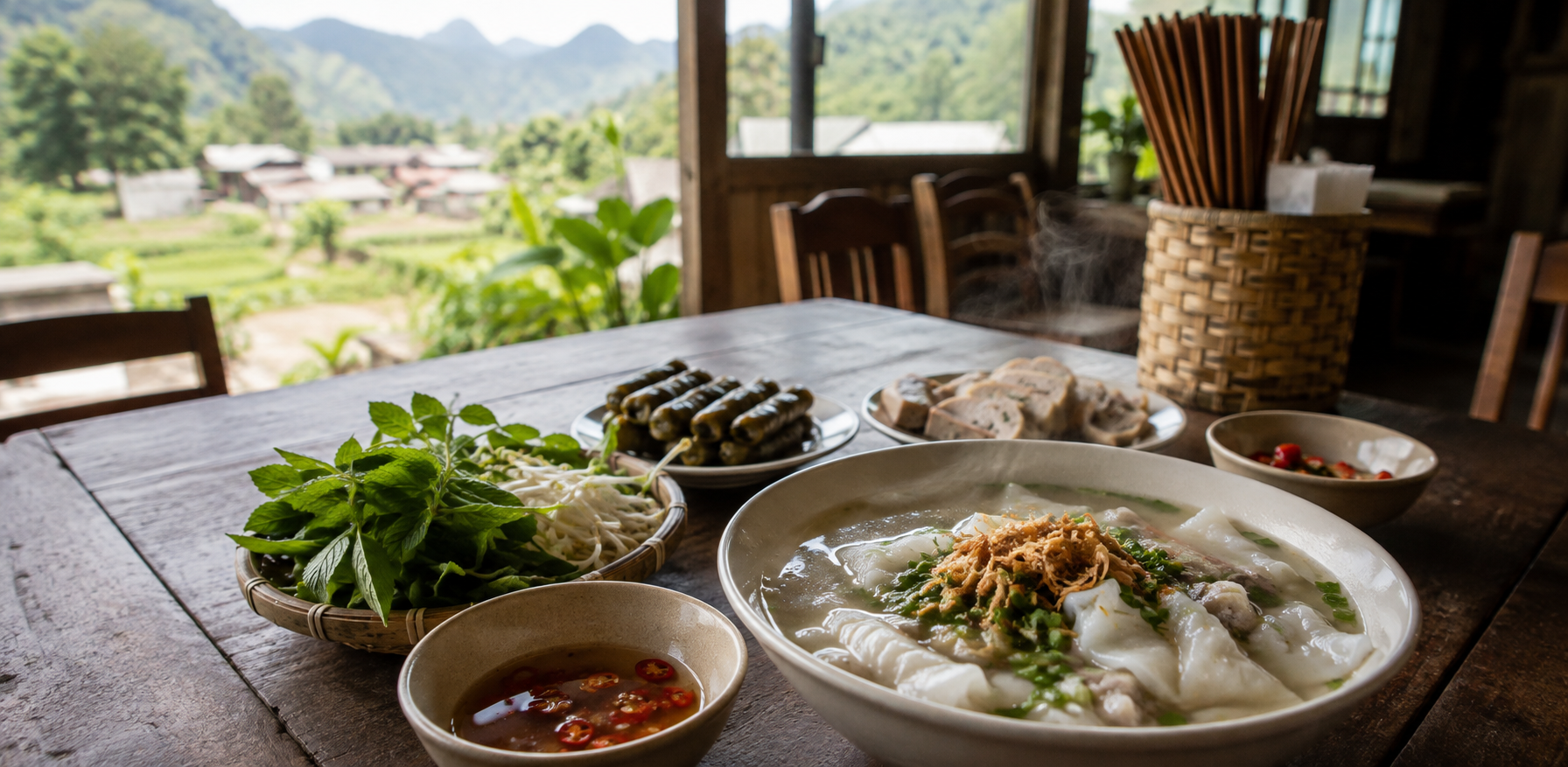
If you wake up early in Trung Khanh, look for bánh cuốn Cao Bằng.
Bánh cuốn is found throughout Vietnam, but the Cao Bang version has its own regional identity. Thin steamed rice sheets are traditionally paired with warm broth, creating a comforting breakfast that is especially enjoyable during cool mountain mornings.
Vietnam’s national tourism authority lists hot bánh cuốn among Cao Bang’s characteristic local dishes and recognizes it as part of the province’s distinctive culinary culture.
For the best experience, eat it at a small local breakfast shop rather than waiting until later in the day.
Mountain towns tend to start early, and breakfast is a good opportunity to see everyday life before sightseeing begins.
Seven-Flavour Roasted Duck
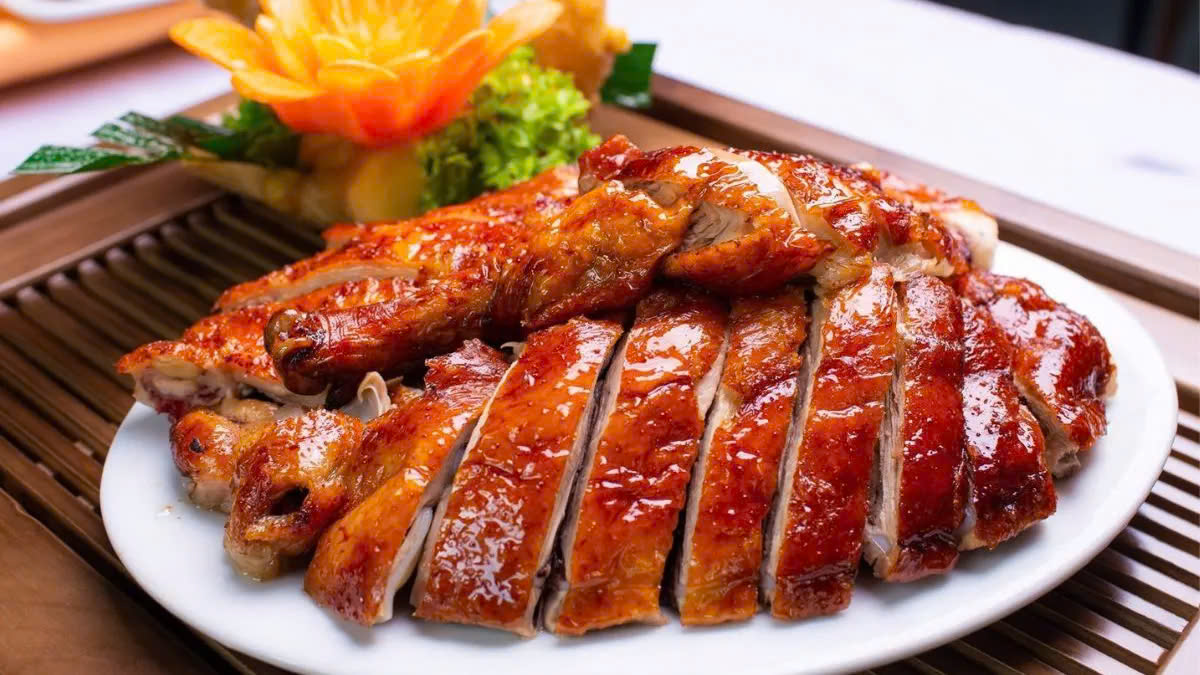
One of the most recognizable dishes in Cao Bang cuisine is vịt quay 7 vị, or seven-flavour roasted duck.
It is regularly listed among Cao Bang’s notable specialties alongside bánh cuốn, phở chua and smoked sausage.
The dish reflects the strong use of mountain herbs and regional seasonings in Tay and Nung cooking. The result is aromatic meat with a rich roasted flavor that works particularly well as a shared lunch or dinner.
If you are traveling as a group, roasted duck is an excellent dish to order together with rice, vegetables and several smaller plates.
It is also the kind of meal that feels especially satisfying after spending hours riding through Cao Bang’s mountain roads.
Pho Chua – Cao Bang’s Sour Noodle Specialty
Travelers familiar with Vietnamese pho may be surprised by phở chua.
Instead of the familiar steaming bowl of clear noodle soup, Cao Bang sour pho is part of a different local food tradition and is regularly promoted by Vietnamese tourism authorities as one of the province’s signature dishes.
Its combination of noodles, meat and contrasting savory, sweet and sour flavors makes it a useful change after several days of rice-based meals.
You may find more phở chua options in larger towns or Cao Bang City, so consider trying it either before heading toward Trung Khanh or when finishing your Cao Bang Loop.
Lap Xuong – Cao Bang Smoked Sausage
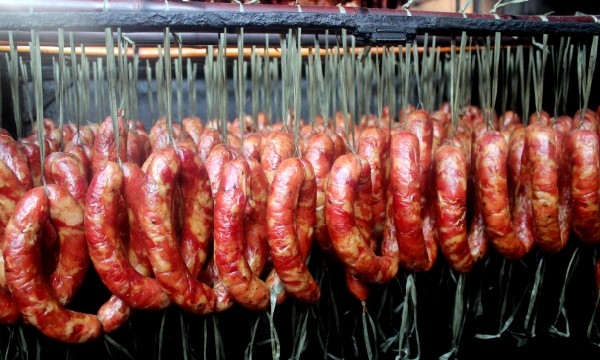
Lạp xưởng, or smoked sausage, is another mountain specialty worth trying.
Cao Bang cuisine makes extensive use of preserved and smoked meats, particularly in cooler mountain conditions. Lạp xưởng is commonly served grilled, fried or sliced and may appear as one dish within a larger homestay dinner.
Vietnam’s tourism authority includes smoked sausage among Cao Bang’s characteristic regional foods, while The Loop Tours also recommends it to visitors traveling through the province.
Its smoky, slightly rich flavor makes it particularly enjoyable with hot rice and vegetables.
Stream Fish and Local River Food
Trung Khanh’s food culture is also influenced by its rivers and streams.
Local tourism information identifies fish among the specialties associated with the area, and Cao Bang cuisine more broadly makes use of freshwater and stream fish together with seasonal vegetables and mountain ingredients.
Availability depends on the season and restaurant, which is why this is one of those foods where asking a local host can be more useful than searching for a famous restaurant.
At a homestay, fresh fish may appear grilled, fried or cooked as part of a family meal.
The exact dish matters less than the experience of eating ingredients that come directly from the surrounding landscape.
Sticky Rice and Local Grains
Rice remains central to everyday meals, but Trung Khanh also has local varieties worth discovering.
Tourism authorities have identified nếp Ong, a local sticky-rice product, among the agricultural specialties developed in the former Trung Khanh district.
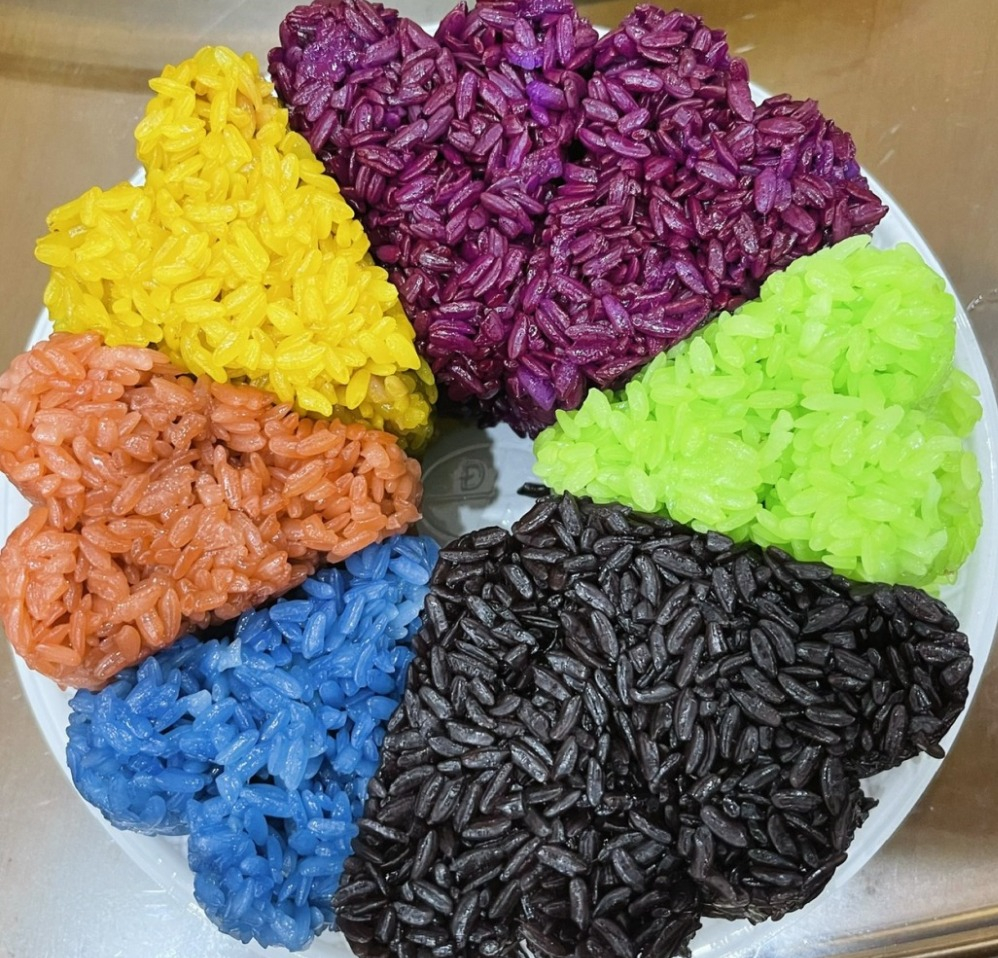
Across Cao Bang, visitors may also encounter colorful sticky rice, black-canarium sticky rice and chestnut sticky rice. These dishes frequently appear during festivals, celebrations or traditional meals.
If your homestay serves a type of sticky rice you do not recognize, ask what it is made from. The story behind the ingredient is often as interesting as the dish itself.
Mountain Vegetables and Seasonal Ingredients
One of the best things about eating in Trung Khanh is that the menu can change according to what is available.
Cao Bang food traditions make use of mountain vegetables, bamboo shoots, local herbs, pork, chicken and ingredients collected or cultivated nearby. Tourism authorities describe the province’s cuisine as strongly seasonal and linked to ingredients such as forest vegetables, stream fish, black pork and free-range chicken.
Instead of asking only for famous dishes, try asking:
“What is fresh today?”
You may end up with a plate of greens or a simple soup that never appears in a tourist guide but becomes one of your favorite meals of the journey.
Cao Bang Cakes and Local Sweets
Do not leave all your appetite for savory food.
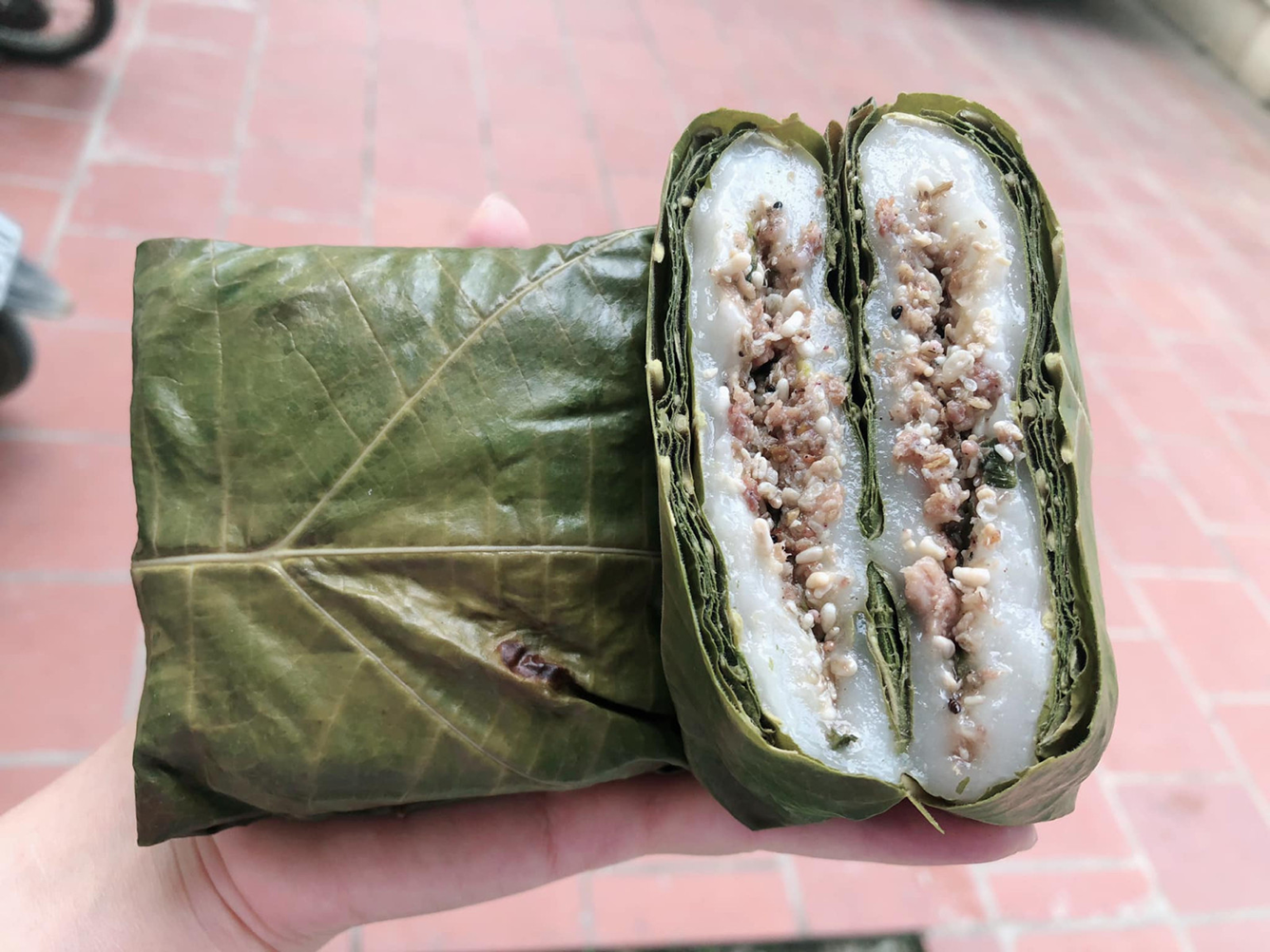
Cao Bang has a wide variety of traditional cakes and sweets, including bánh khảo, chè lam, bánh trứng kiến, coóng phù and regional jellies. These foods are associated with festivals, family traditions and local agricultural ingredients.
Some may be easier to find in markets than restaurants.
A local market is therefore worth visiting even if you are not planning to buy a full meal. It lets you see seasonal fruits, rice products, preserved meats, vegetables and snacks used by local families.
Where Should You Eat in Trung Khanh?
You do not necessarily need an expensive restaurant to find memorable food here.
For breakfast, try small local eateries serving bánh cuốn or noodles. For snacks, visit local markets and roadside sellers, especially during chestnut season.
For dinner, one of the best experiences is eating at a homestay near Ban Gioc Waterfall or one of the surrounding villages.
Homestay meals are usually served family-style, allowing several people to share rice, meat, vegetables, soup and whatever ingredients are fresh that day. The Loop Tours also highlights homestay dinners and local markets as important parts of experiencing Cao Bang food culture.
Do not be afraid to ask your host what they recommend.
Food Tips for International Travelers
Carry some Vietnamese cash because smaller restaurants and market vendors may not always offer the payment options available in larger cities.
If you are vegetarian, vegan or have food allergies, communicate this clearly before arriving at a homestay. Rural kitchens may have fewer replacement ingredients available at short notice.
When buying chestnuts as a souvenir, buying them during the harvest period gives you the best chance of experiencing the product close to its natural season. Fresh Trung Khanh chestnuts do not keep indefinitely, and local sources note that they are normally processed or consumed relatively soon after harvesting.
And most importantly, leave some meals unplanned.
In a region like Cao Bang, the small roadside place recommended by your guide can sometimes be more memorable than the restaurant you found online.
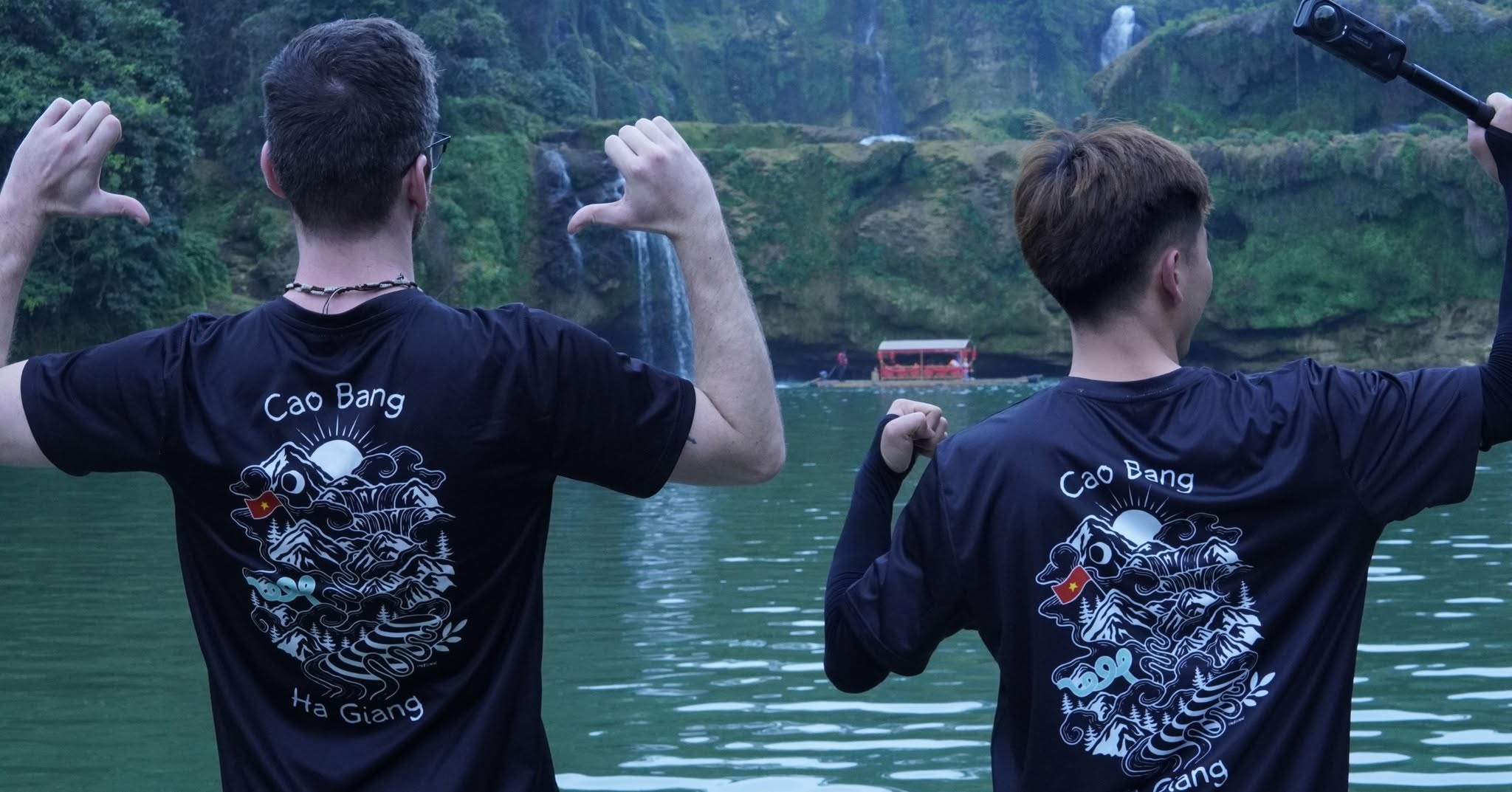
Experience Trung Khanh Food with The Loop Tours
A good Trung Khanh local food guide can show you what to look for, but local knowledge can help you find the experiences behind each dish.
With The Loop Tours, travelers can combine the food of Trung Khanh with Ban Gioc Waterfall, local villages, scenic mountain roads and a wider Cao Bang or Ha Giang–Cao Bang adventure.
Rather than simply moving from one famous viewpoint to another, traveling through the region gives you opportunities to stop at local restaurants, share dinner at homestays and discover seasonal ingredients along the road. The Loop Tours currently publishes dedicated Cao Bang travel and food content as part of its northern Vietnam travel offering.