

Photography Spots on the Ha Giang and Cao Bang Loop: Where to Shoot Northern Vietnam’s Best Views
The best photography spots on the Ha Giang and Cao Bang loop stretch from the cliff-hugging Ma Pi Leng Pass to the wide, layered Ban Gioc Waterfall on the Chinese border. Ha Giang is the dramatic one, with limestone karst and deep canyons. Cao Bang is quieter, with emerald rivers and far fewer travellers, so you can often take your time at a viewpoint instead of queuing for it.
In this guide, we cover where to shoot, when to go and how to travel so you have free hands for the camera. Whether you use a phone or a full-frame camera, you will finish with a clear plan.
Best Photography Spots on the Ha Giang Loop
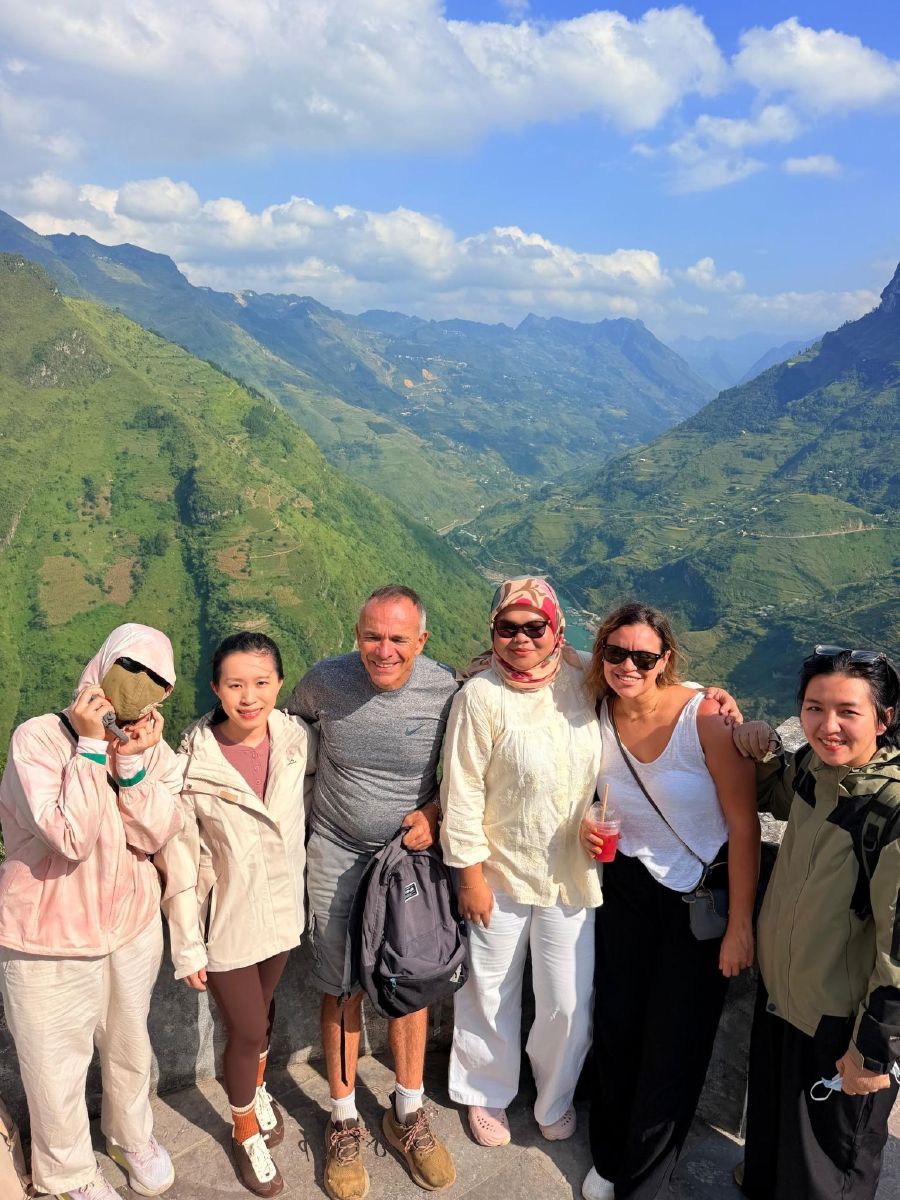
Heaven’s Gate, Quan Ba
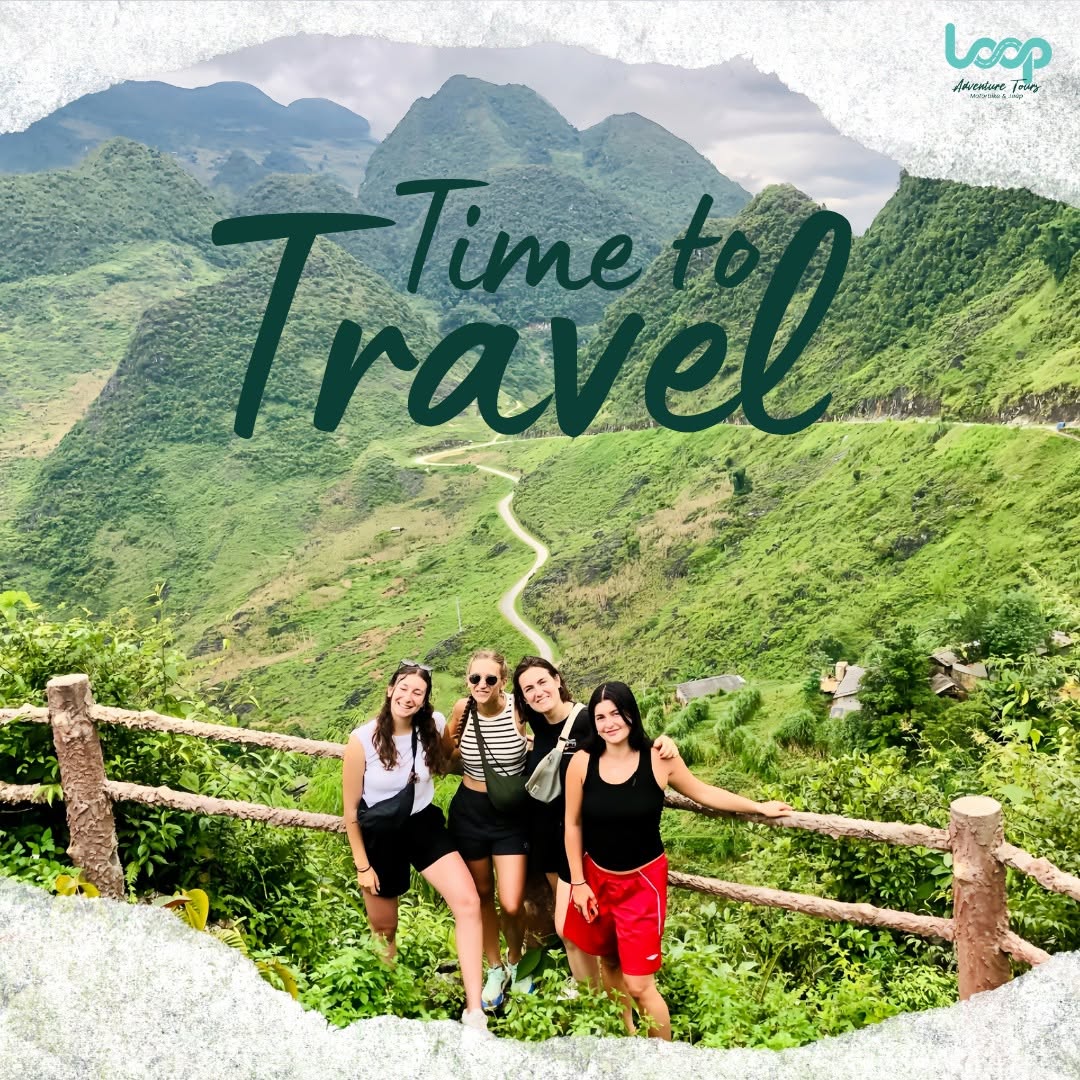
Heaven’s Gate is usually the first big viewpoint on the loop. From the pass you look down over a green valley and the rounded Twin Mountains, a classic Ha Giang frame. Go in the morning, when mist still sits low in the valley and the layers of hills give your photo depth
Ma Pi Leng Pass and the Nho Que River
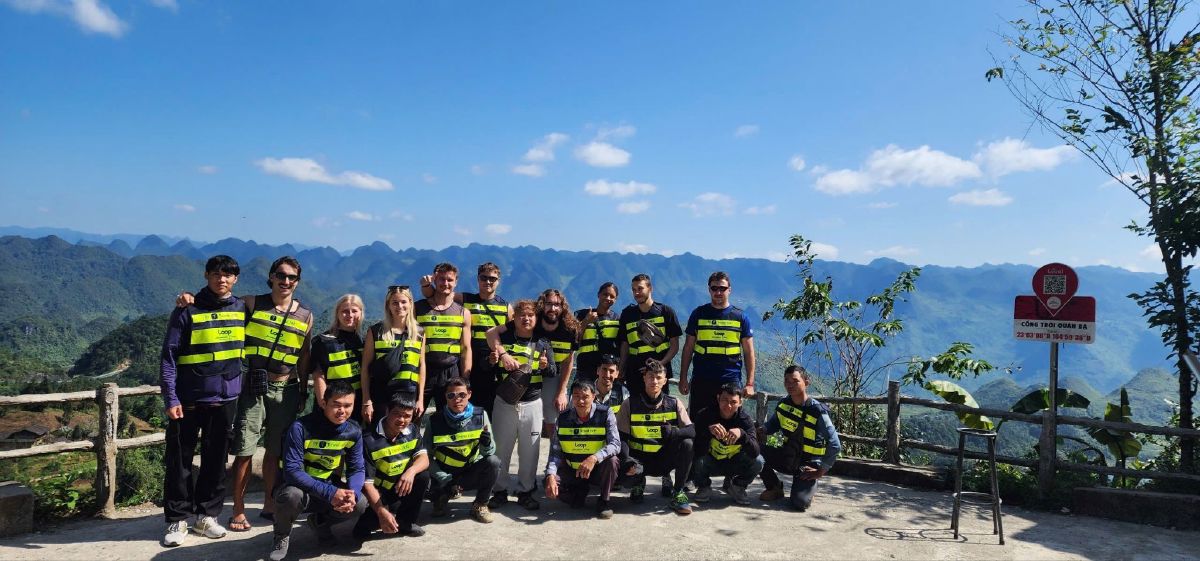
If you only shoot one place in Ha Giang, make it Ma Pi Leng. The road clings to the cliff while the Nho Que River runs far below in a narrow green canyon. A wide lens captures the scale, and a longer lens picks out the ridgelines and the thin line of the river. Sunrise and late afternoon give the best contrast.

Bac Sum Pass
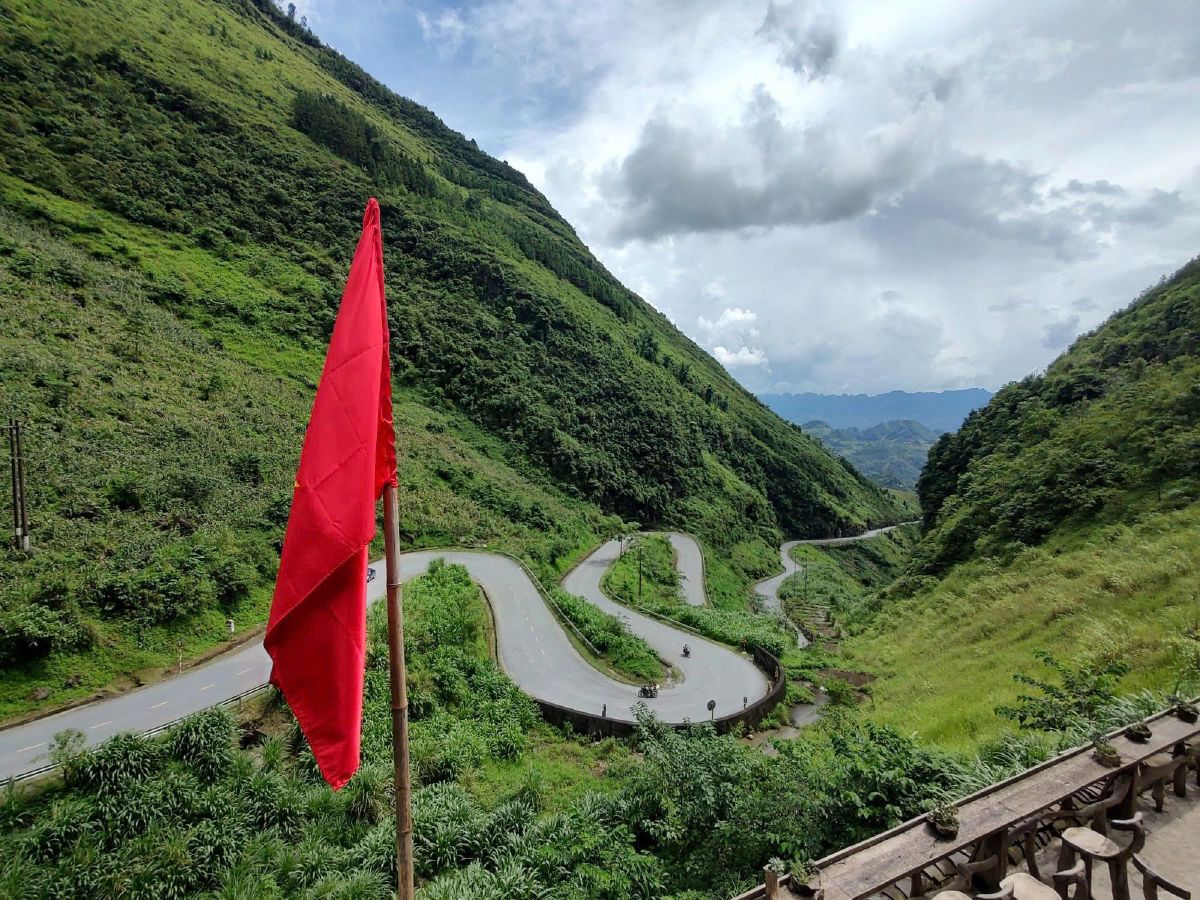
Bac Sum is famous for its zigzag road that drops into the valley. Stop at a safe point and look for the repeating curves, which make strong compositions from above. If a rider or motorbike passes through the frame, it shows just how steep and winding the road really is.
Lung Tam and the Local Villages
Not every good photograph is a landscape. In small villages like Lung Tam, you will find traditional houses and everyday life in the mountains. Always ask before photographing people, and say hello before you raise the camera, because portraits taken this way are far better than anything shot from a distance.
Best Photography Spots on the Cao Bang Loop
Ban Gioc Waterfall
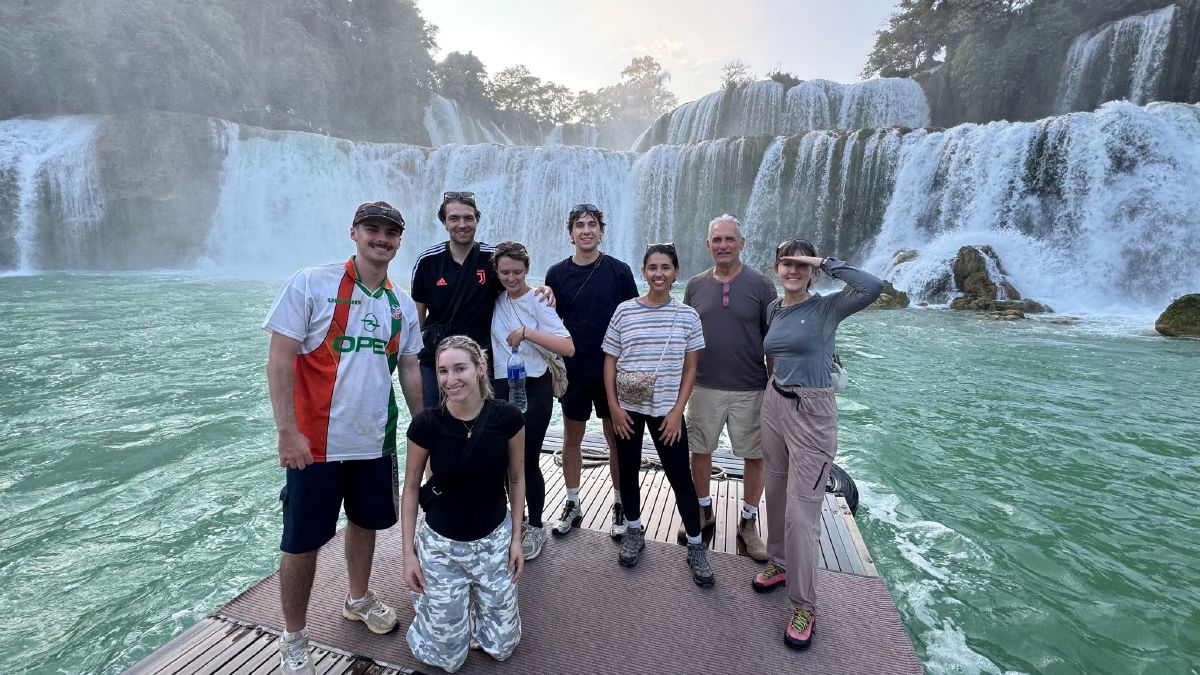
Ban Gioc sits on the border with China and is the most famous sight in Cao Bang. It is wider than it is tall, with several tiers falling over limestone steps and green hills behind. The flow is strongest in the wetter months. Arrive early for softer light and fewer people, and try a slower shutter speed to smooth the water. Bamboo rafts near the base add a sense of scale.
Angel Eye Mountain
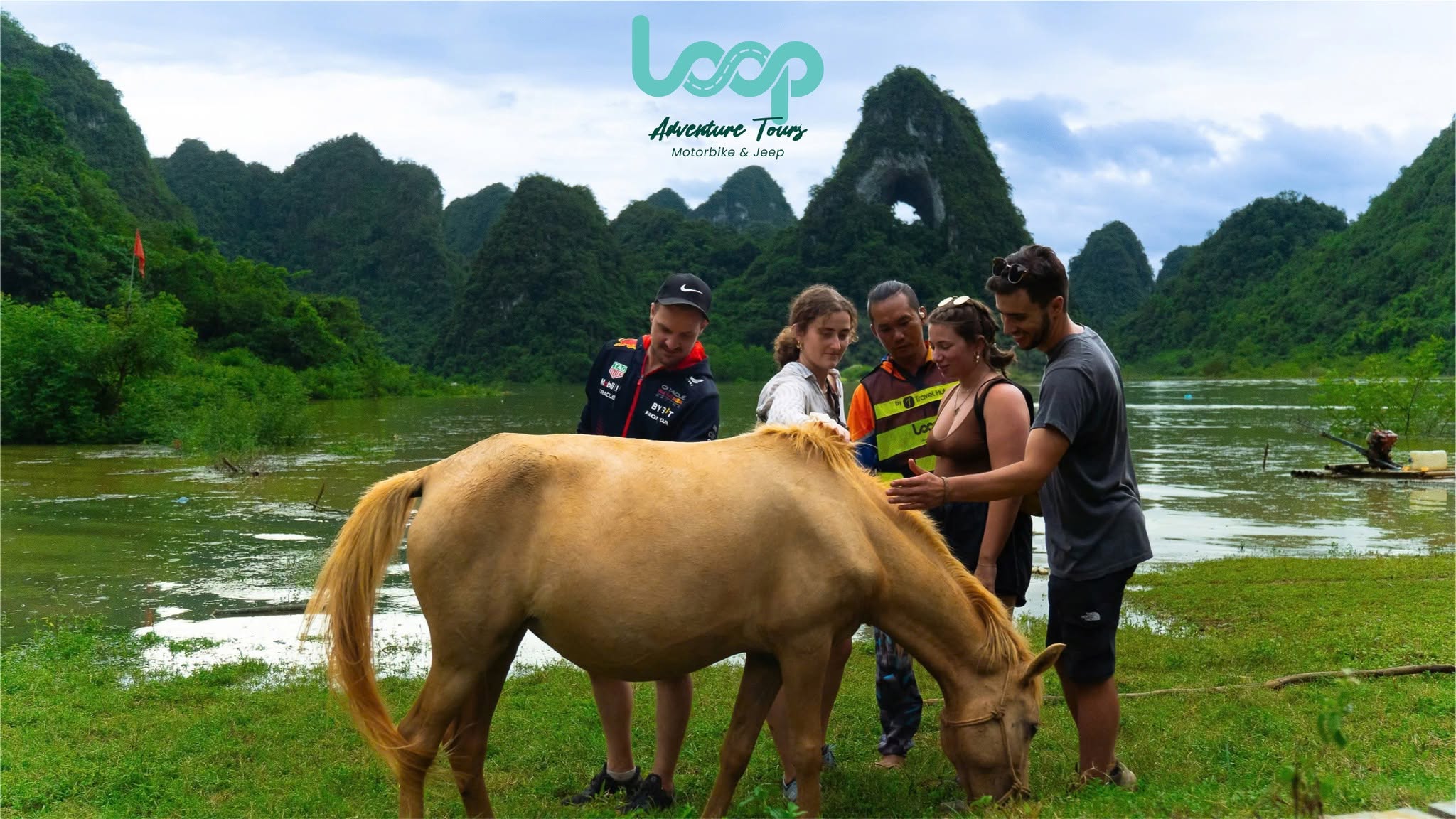
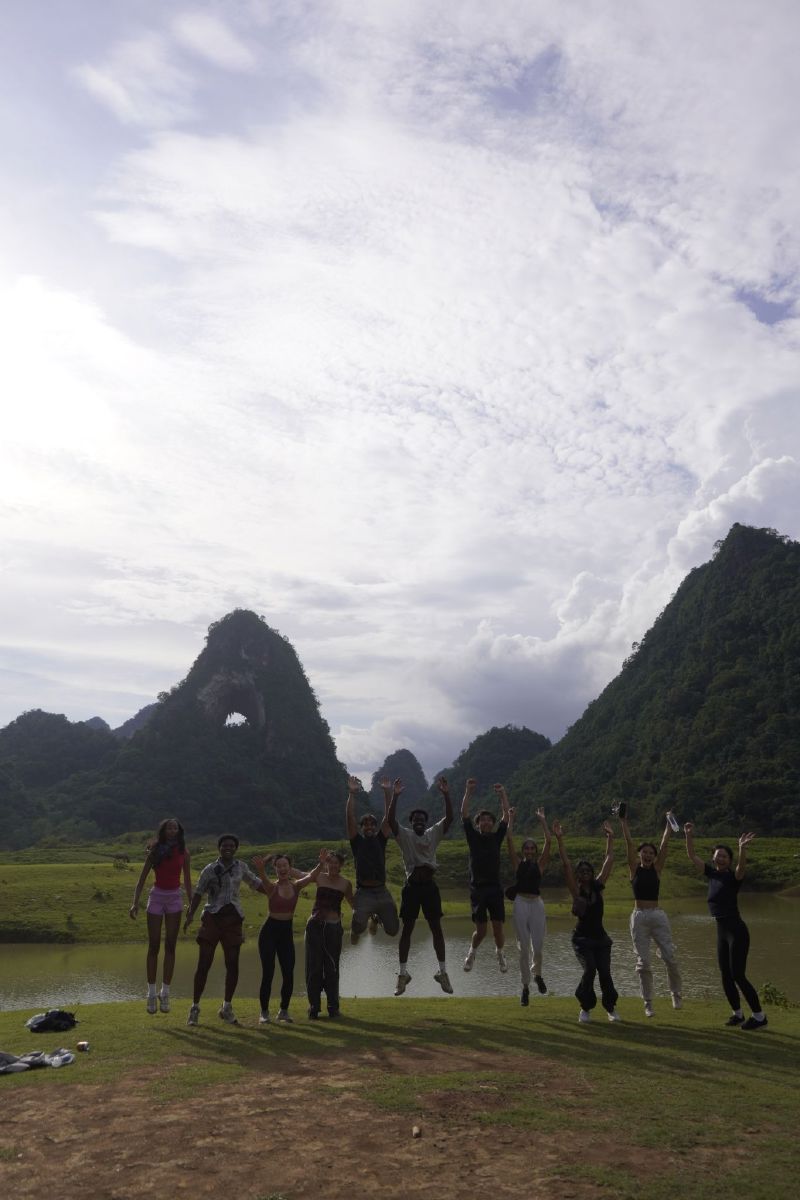
Angel Eye Mountain is a natural opening in a limestone mountain that looks like an eye from the right angle. Frame the arch with the sky showing through, or step back and include the fields around it. Late afternoon light works especially well on the rock face.
Khau Coc Cha Pass
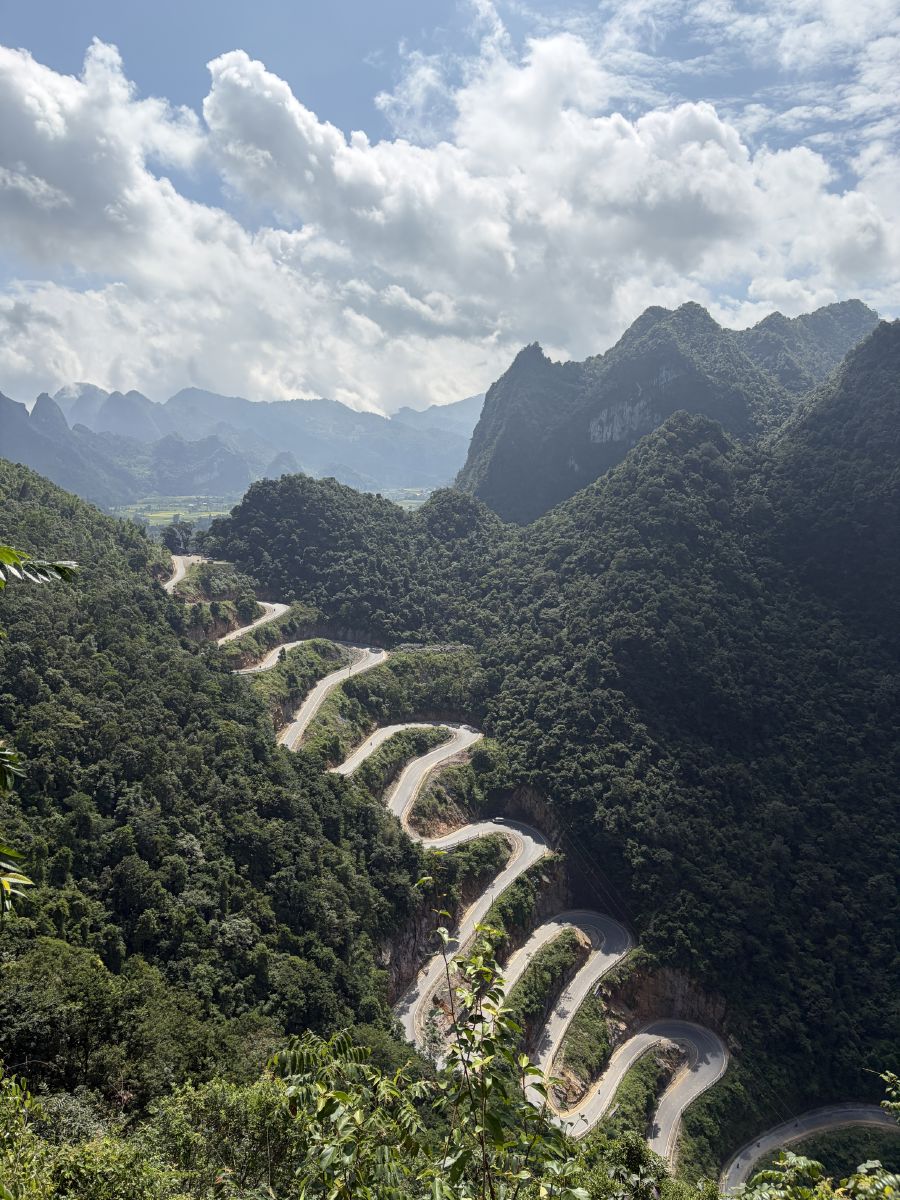
The road over Khau Coc Cha Pass climbs through 14 hairpin turns, which makes it one of the most photogenic roads in the province. Choose a spot where you can see several bends at once, then wait for a rider or vehicle to pass through the frame.
Best Time to Photograph the Ha Giang and Cao Bang Loop
September to November is the strongest window for the combined loop, with golden rice terraces, clearer skies and drier roads. Buckwheat flowers usually bloom from around October into November, adding pink and white to the plateau. March to May is also a good choice, with fresh green terraces and mild weather.
If waterfalls are your priority, May to September is when Ban Gioc is at full flow, though showers are likely. Winter, from December to February, brings mist and quiet roads, but it gets cold in the mountains. June to August is the wettest period in Ha Giang, and the roads can be slippery.
Easy Rider, Jeep or Your Own Motorbike?
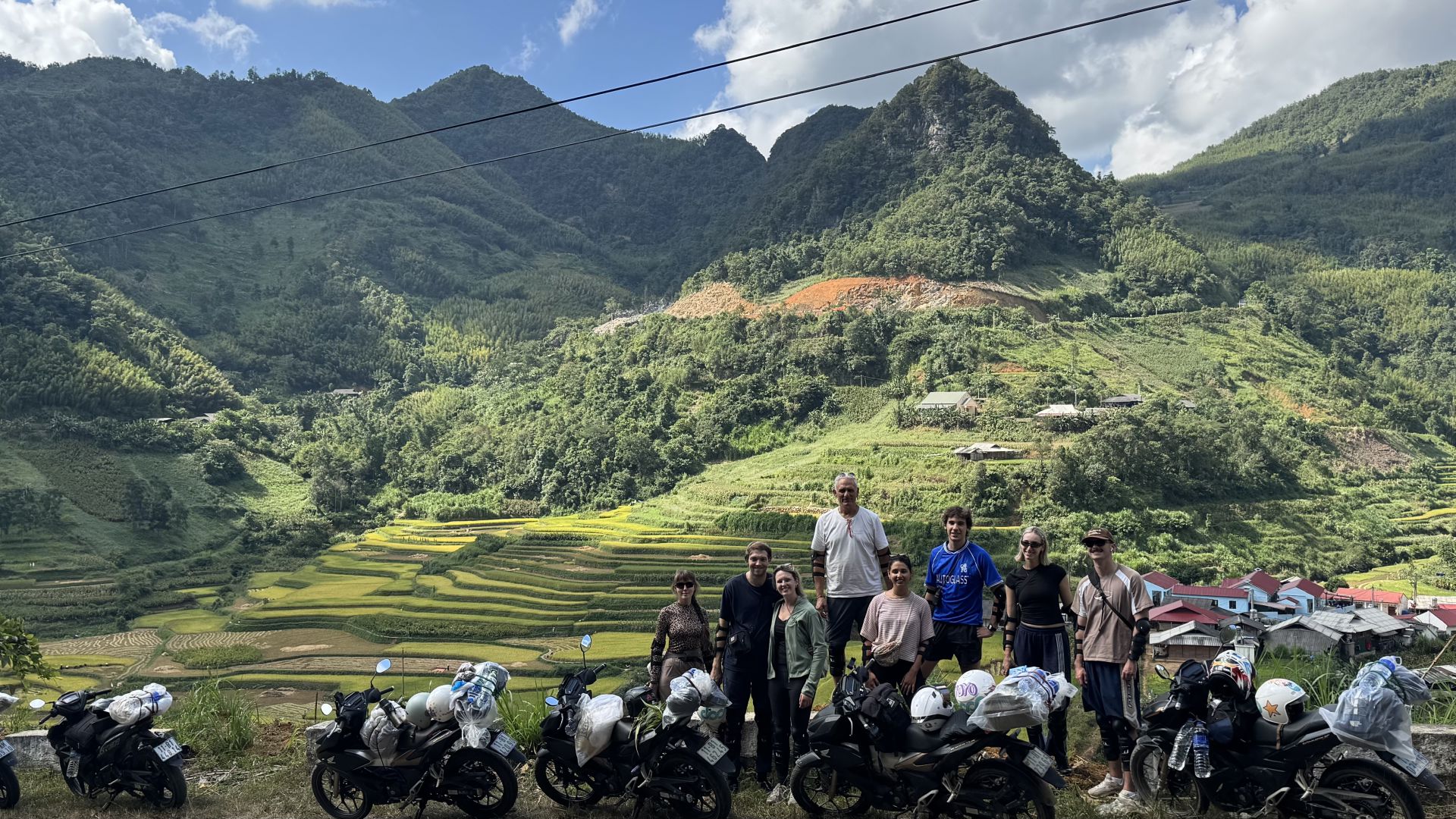
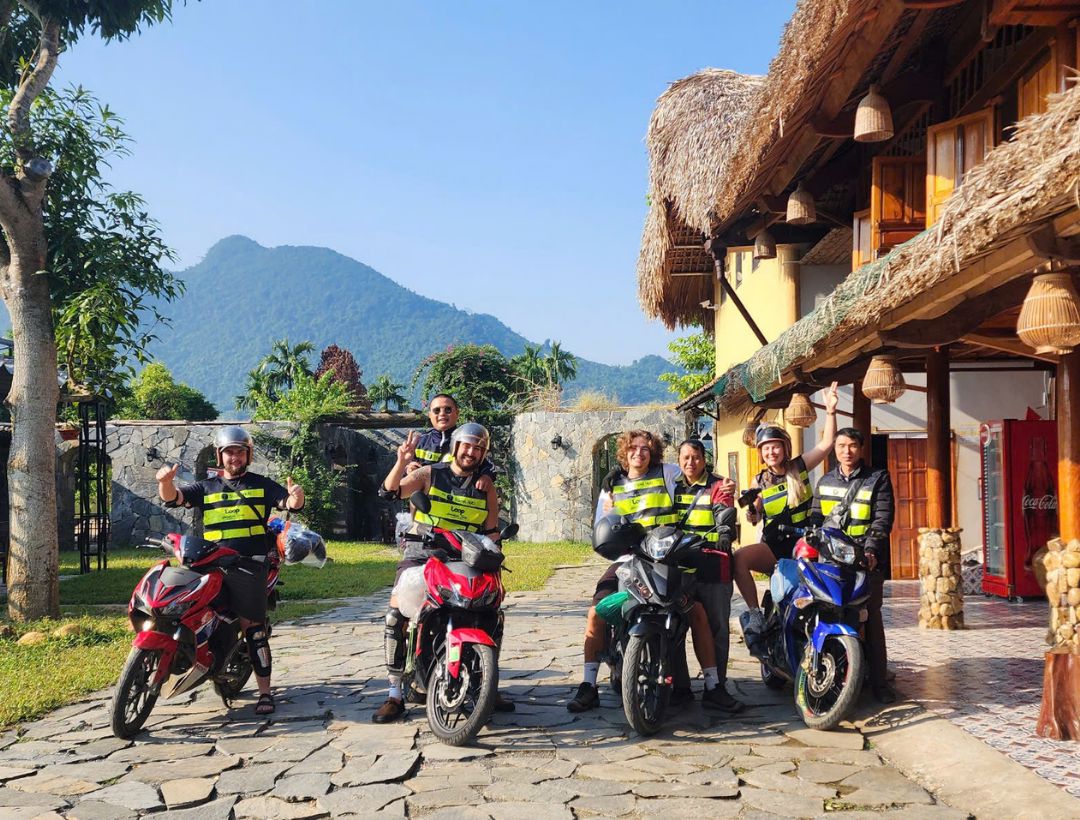
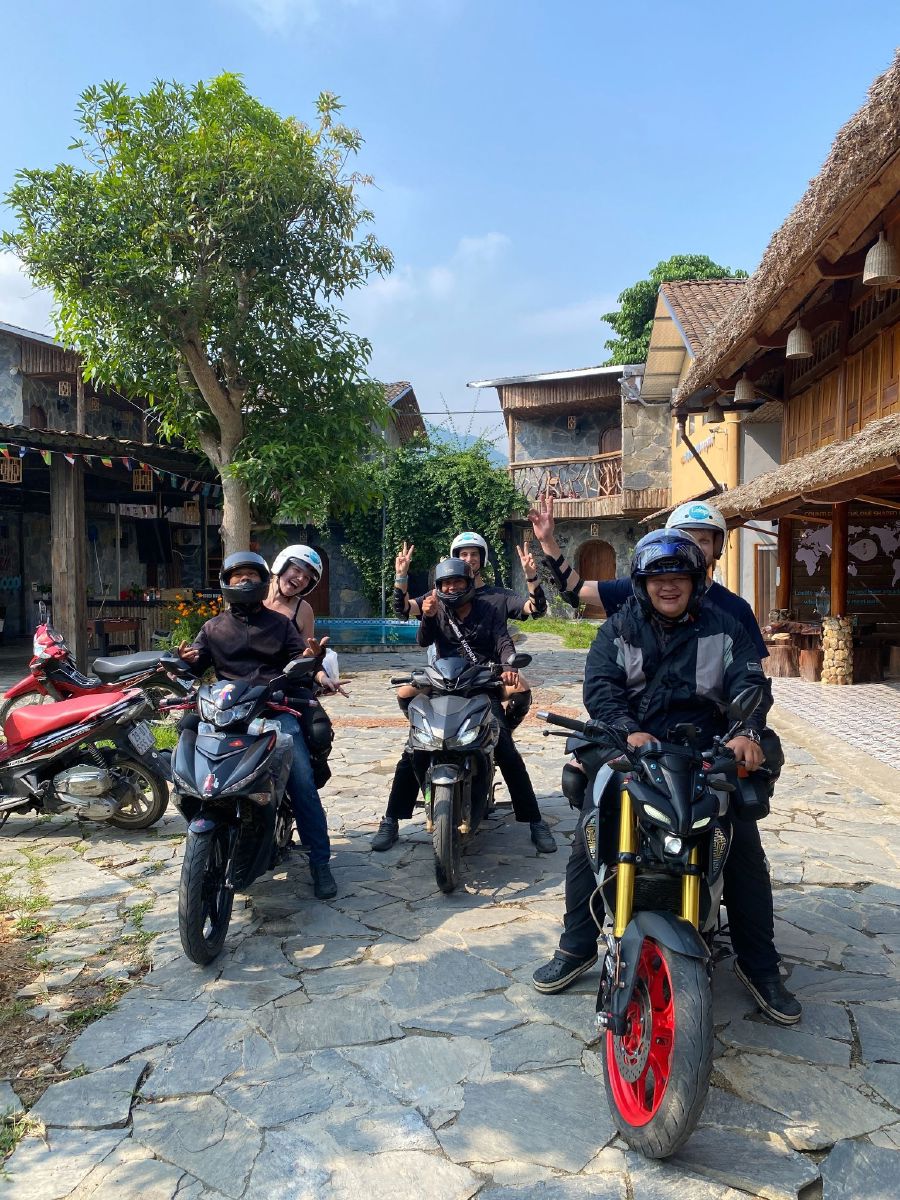
How you travel changes how many photos you take. On an Easy Rider tour, a local rider drives while you sit behind with both hands free, which makes it the most popular option for photographers. A Jeep suits small groups of two to four, with a roof for rain and cold and space for camera gear.
Riding your own motorbike gives you freedom, but your eyes must stay on the road, and in Ha Giang you need a valid International Driving Permit with the right licence class. For most visitors who want to focus on photos, Easy Rider or Jeep is the better choice, and a local driver also knows which viewpoints are safe to stop at and when the light is best.
A Few Photography Tips for the Loop
A few simple habits will improve your photos. Shoot at sunrise and late afternoon, because midday sun flattens the mountains. Bring a power bank, since filming on the road drains batteries quickly, and keep your gear protected from dust and drizzle. Above all, ask before photographing people: a smile and a quick question will get you much further than a long lens.
Frequently Asked Questions
What is the best photography spot on the Ha Giang loop?
Ma Pi Leng Pass is the top choice, thanks to its view over the Nho Que River canyon. Heaven’s Gate and Bac Sum Pass are close behind.
What is the best photography spot on the Cao Bang loop?
Ban Gioc Waterfall is the headline spot, with Angel Eye Mountain and Khau Coc Cha Pass adding variety.
Can I do both in one trip?
Yes. A combined Ha Giang and Cao Bang tour covers the best of both provinces in four or five days.
Book Your Ha Giang and Cao Bang Loop Tour
The best photography spots on the Ha Giang and Cao Bang loop are easier to enjoy when someone else handles the roads and the timing. At Loop Tours, we run small groups with local guides and stay in authentic homestays, so you can spend your energy on the view instead of the logistics.
If you want to see both provinces, take a look at our 4 day Ha Giang and Cao Bang tour or the 5 day version. If Cao Bang is your priority, our 3 day Cao Bang tour is a great place to start. Not sure which one fits? Message us and we will help you choose.