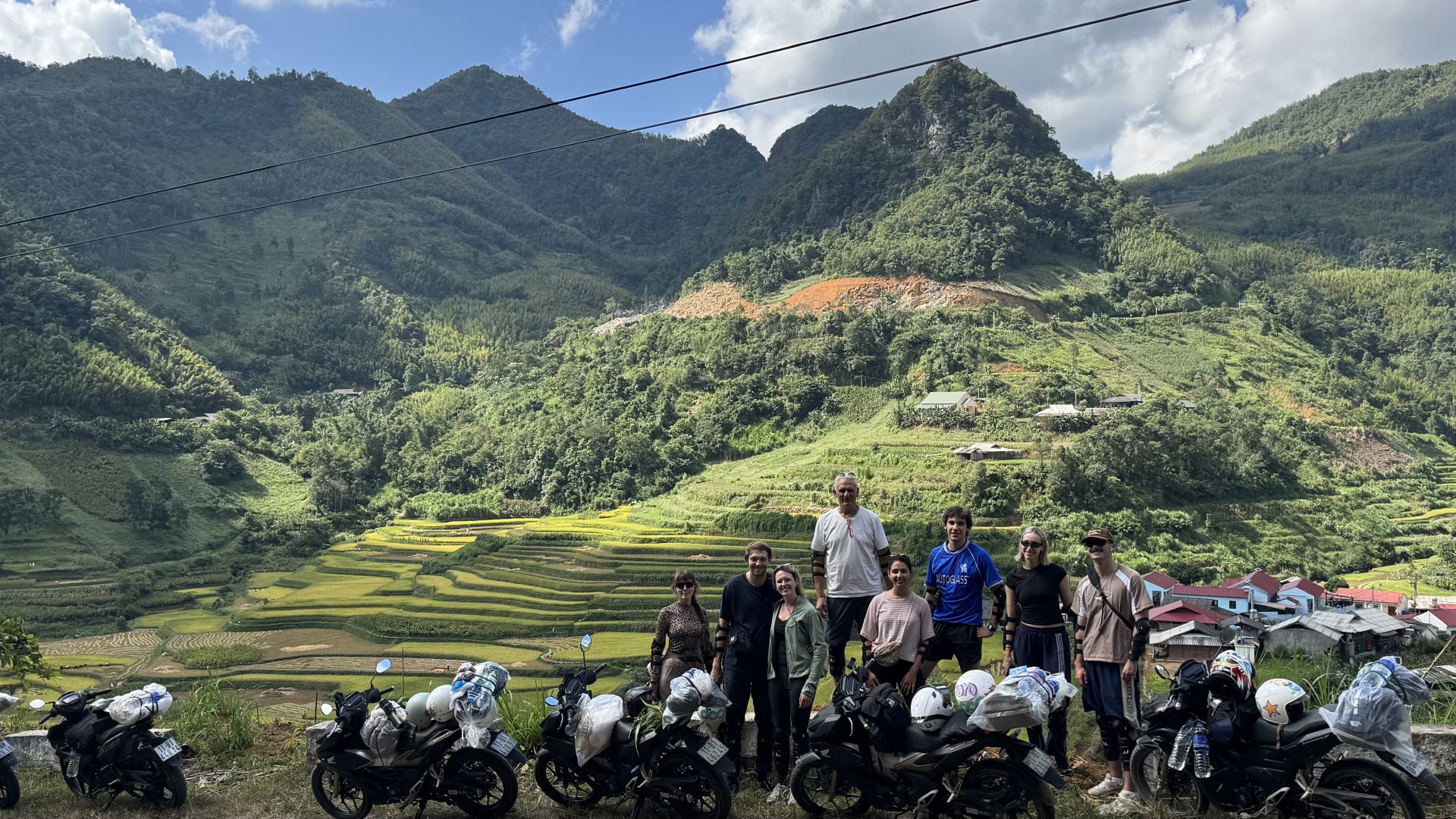


If you are planning a photography journey through Northern Vietnam, Phia Thap incense village photography spots should be high on your list. Located in Cao Bang Province, Phia Thap Incense Village is famous for its long-standing incense-making tradition preserved by the local Nung An community. What makes this village truly special for photographers is the combination of vivid colors, authentic daily life, and a deep sense of cultural heritage.
From striking red incense bundles to peaceful village scenes framed by limestone mountains, Phia Thap offers countless opportunities for storytelling through images. This guide will help you discover the best photography spots in Phia Thap Incense Village and capture images that are both visually powerful and culturally respectful.
Perfect Tours for You:
Why Phia Thap Incense Village Is a Dream Destination for Photographers
Phia Thap is not a staged tourist attraction - it is a living craft village where incense is still handmade using traditional techniques. The production process involves preparing natural materials, shaping incense sticks, drying them in the sun, dyeing the lower ends red, and drying them again. Each step creates visually rich scenes filled with rhythm, repetition, and texture.
For photographers, this means:
-
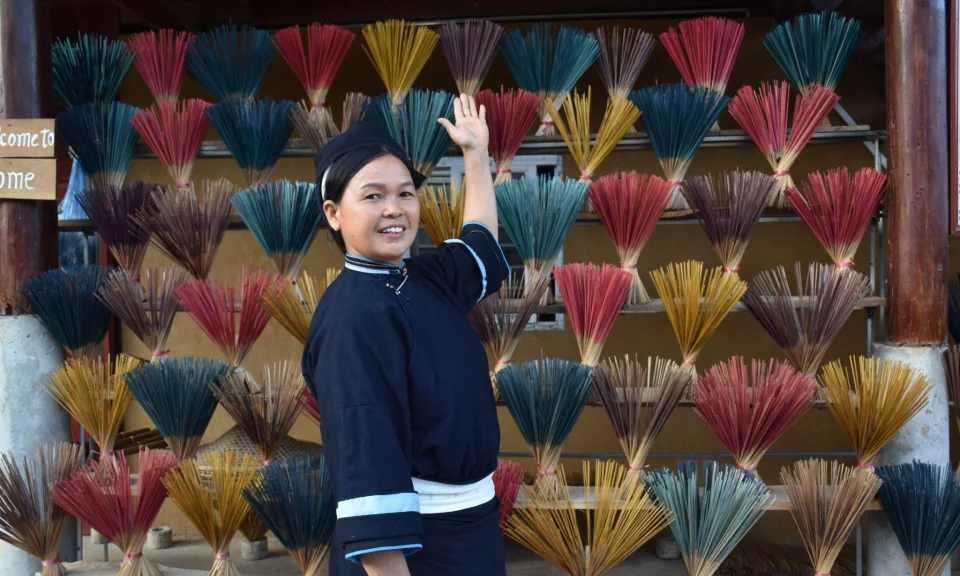
Strong visual patterns created by neatly arranged incense bundles
-
Bold color contrast between bright red incense tips and earthy village tones
-
Natural human moments that feel genuine and unposed
These elements make Phia Thap incense village photography spots ideal for travel photography, portraits, documentary work, and even cinematic content.
Best Phia Thap Incense Village Photography Spots
1. Incense Sunburst Courtyards – The Iconic Shot
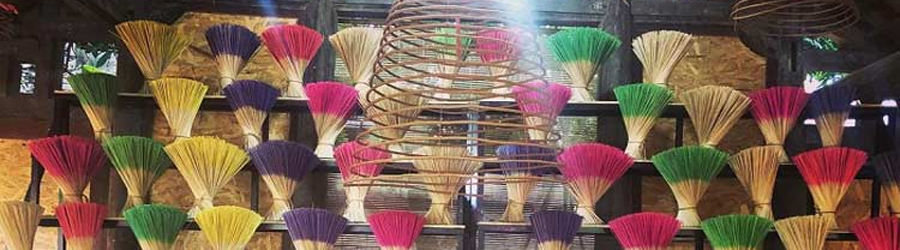
The most recognizable photography scene in Phia Thap is incense sticks arranged in circular “sunburst” patterns to dry under the sun. Many families spread incense across their courtyards, creating stunning geometric compositions.
Photography tips:
-
Shoot early in the morning when patterns are fresh and untouched
-
Use a higher angle for symmetry and graphic impact
-
Combine wide shots for patterns with close-up portraits for storytelling
2. Red Incense Drying Areas – Color and Detail
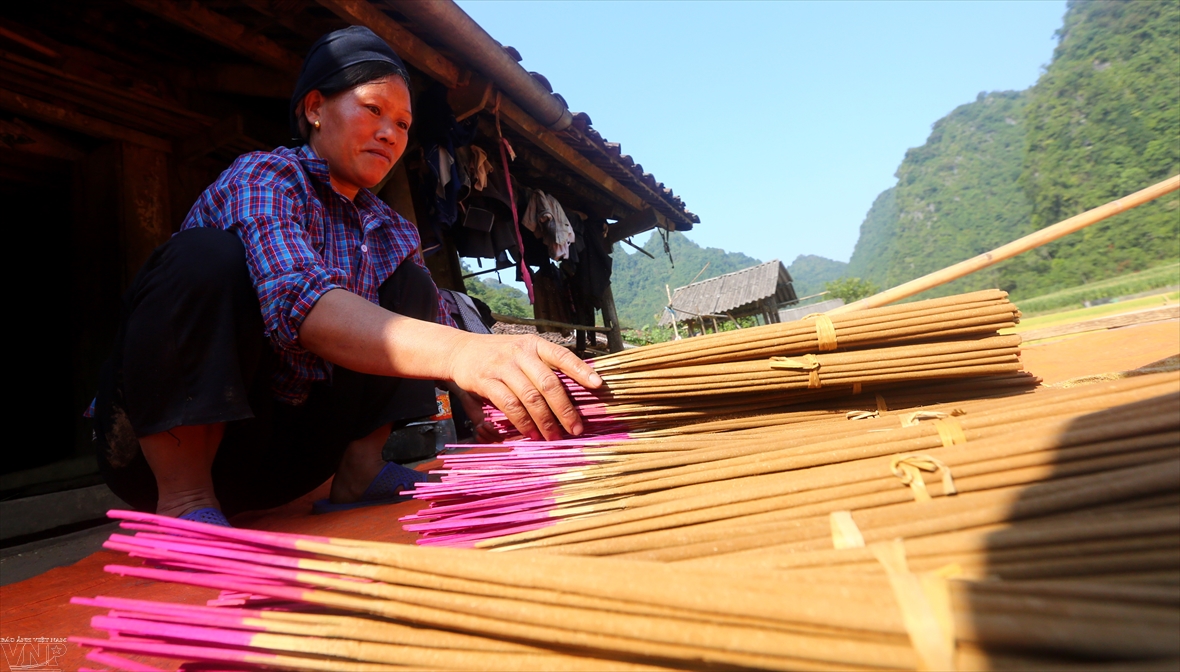
After shaping and initial drying, incense sticks are dyed red at one end and laid out again to dry. These areas are perfect for capturing color-focused photography.
What to capture:
-
Close-ups of red incense tips and textures
-
Hands stained with dye during the process
-
Minimalist frames highlighting color contrast
These shots work especially well for editorial and lifestyle photography.
3. Traditional Stilt Houses and Rooflines
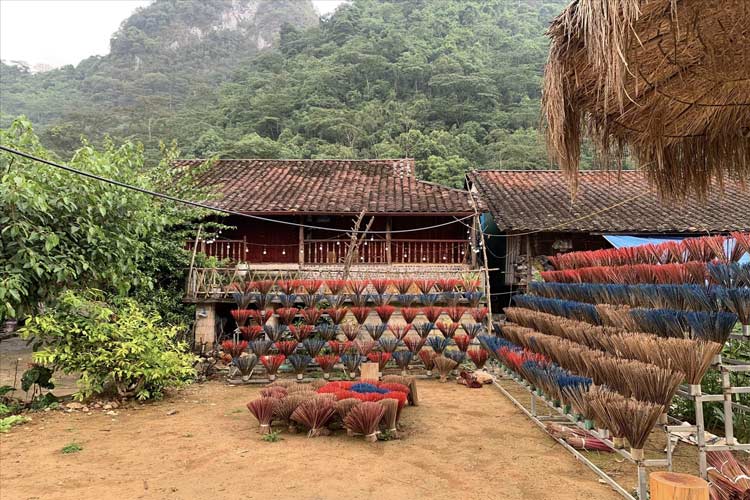
Phia Thap’s traditional stilt houses add architectural depth to your images. Photograph incense bundles framed by wooden doors, windows, or tiled rooftops to create a strong sense of place.
Composition idea:
Shoot slightly upward so incense fills the foreground while rooftops and mountains anchor the background.
4. Workshop Moments – Hands, Tools, and Rhythm
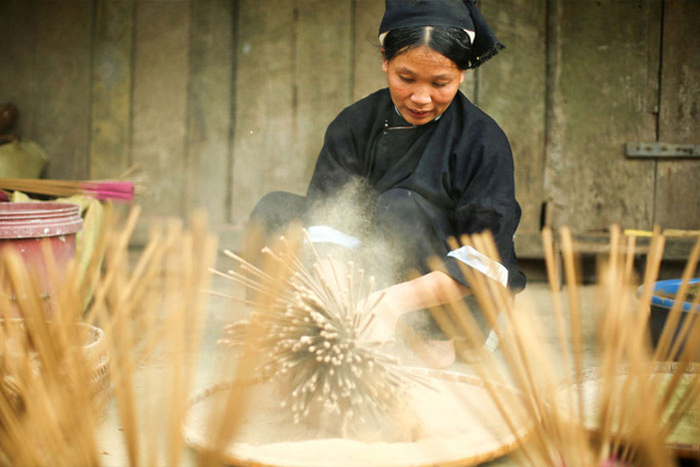
Some of the most powerful images come from observing the incense-making process up close. These moments reflect generations of craftsmanship and daily village life.
Suggested shots:
-
Hands rolling incense onto sticks
-
Families working together in small spaces
-
Quiet portraits of artisans surrounded by their tools
This style works well for documentary and storytelling-focused photographers.
5. Village Lanes and Everyday Details
Not every great photo is dramatic. Simple scenes - incense leaning against fences, drying near stone walls, or stacked beside village paths—often feel the most authentic.
Slow walks through the village will reveal many subtle but meaningful photography moments.
Best Time to Visit Phia Thap for Photography
Phia Thap is photogenic throughout the year, but the most visually active period is usually before Lunar New Year, when incense production increases.
Lighting advice:
-
Morning: Soft light, fewer shadows, calmer atmosphere
-
Midday: Strong colors, but watch for harsh highlights
-
Late afternoon: Warm tones, ideal for portraits and landscape shots
Photography Tips for a Better Experience
Ask Before You Shoot
Phia Thap is a working village. A polite greeting and asking permission often leads to better access and more relaxed portraits.
Build Visual Layers
Use incense in the foreground, artisans in the midground, and houses or mountains in the background to add depth.
Respect the Craft
Avoid stepping on drying incense or rearranging scenes. Respectful behavior results in better photos and meaningful interactions.
Recommended Gear for Phia Thap Photography
-
24–70mm lens for versatility
-
50mm or 85mm lens for portraits
-
Polarizing filter for bright daylight
-
Extra batteries and memory cards
-
Light rain protection for changing weather
Frequently Asked Questions
Is Phia Thap Incense Village good for photography?
Yes. The village offers vibrant colors, strong patterns, traditional crafts, and authentic village life—perfect for photography.
What makes Phia Thap unique compared to other villages?
Its incense-making tradition, visual sunburst layouts, and preserved cultural atmosphere set it apart.
Can beginners photograph in Phia Thap?
Absolutely. The village is compact, accessible, and visually rich, making it suitable for photographers of all levels.
Final Thoughts
The best Phia Thap incense village photography spots are not just locations—they are moments of culture, color, and craftsmanship. From early morning drying scenes to quiet afternoon workshops, every corner of the village tells a story worth capturing.
If you plan your visit with patience and respect, Phia Thap will reward you with images that feel timeless, authentic, and deeply connected to Vietnam’s cultural heritage.
👉 Call/WhatsApp The Loop Tours — Hotline: +84862443320