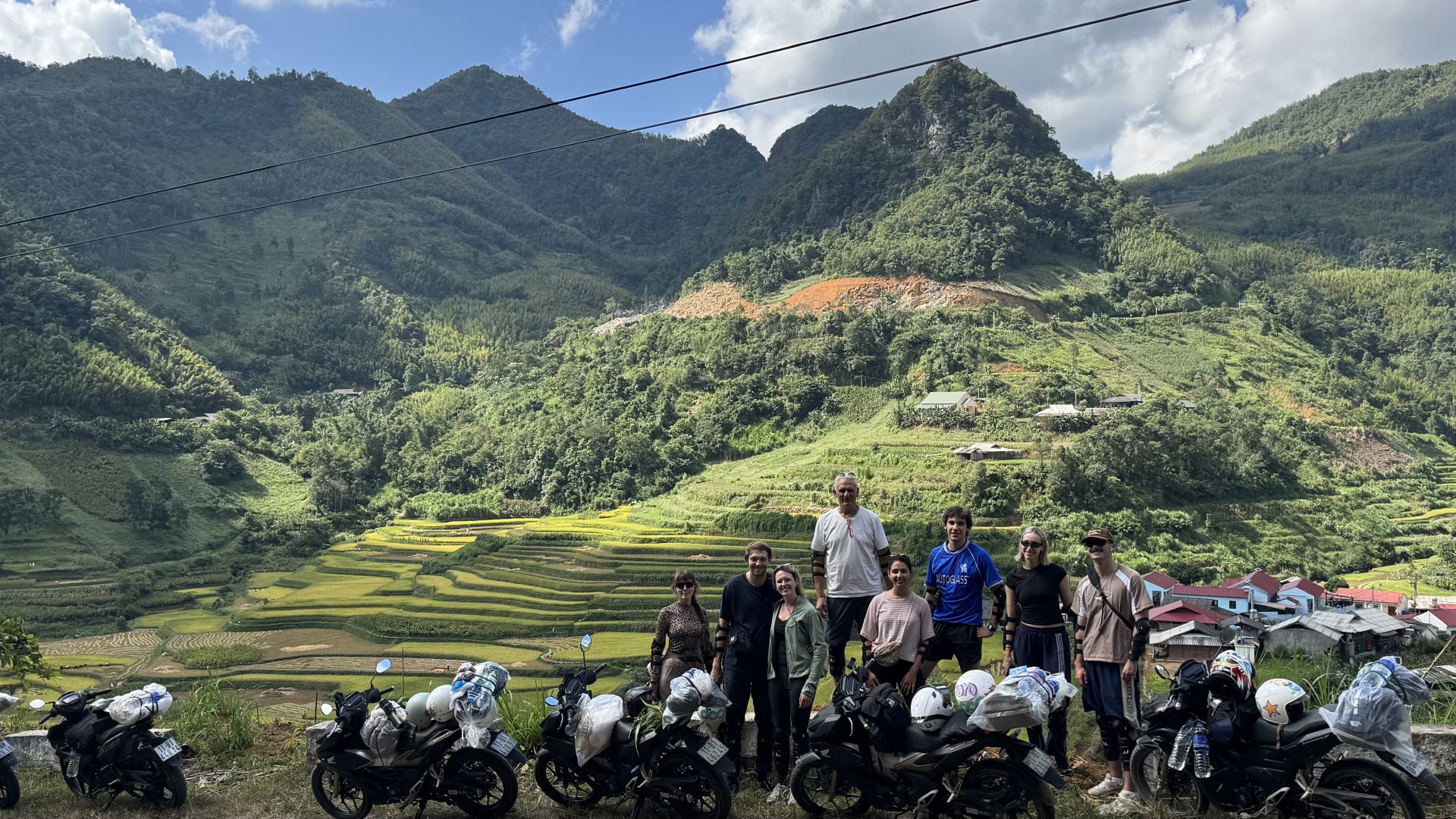


Traveling through Northern Vietnam during the rainy season can be an unforgettable experience, but it also requires more careful planning. Many travelers comparing Ha Giang vs Cao Bang in rainy season want to know which destination offers better scenery, easier transportation, safer routes, and a more enjoyable overall journey when the weather becomes unpredictable. Both Ha Giang and Cao Bang are spectacular during the wetter months, when mountains become greener, rivers carry more water, rice fields look vibrant, and waterfalls become especially powerful.
At the same time, rainy-season travel comes with several challenges. Mountain roads may become slippery, visibility can be reduced by fog, trekking trails may become muddy, and outdoor activities can occasionally be affected by heavy rain. Ha Giang generally offers a more adventurous road-trip experience, while Cao Bang provides a slower journey focused on waterfalls, caves, valleys, villages, and cultural exploration. The better choice therefore depends on your travel style, riding experience, available time, and how comfortable you are with changing weather conditions.
Recommended Tours for You:
Explore Ha Giang and Cao Bang in the Rainy Season with The Loop Tour
For international travelers, exploring mountainous areas during the rainy season can be more complicated than traveling during dry weather. Road conditions may change quickly, outdoor activities sometimes need to be adjusted, and choosing the right route becomes even more important. A well-planned tour can make the experience much easier by reducing the amount of time travelers need to spend arranging transportation, accommodation, sightseeing stops, and alternative plans.
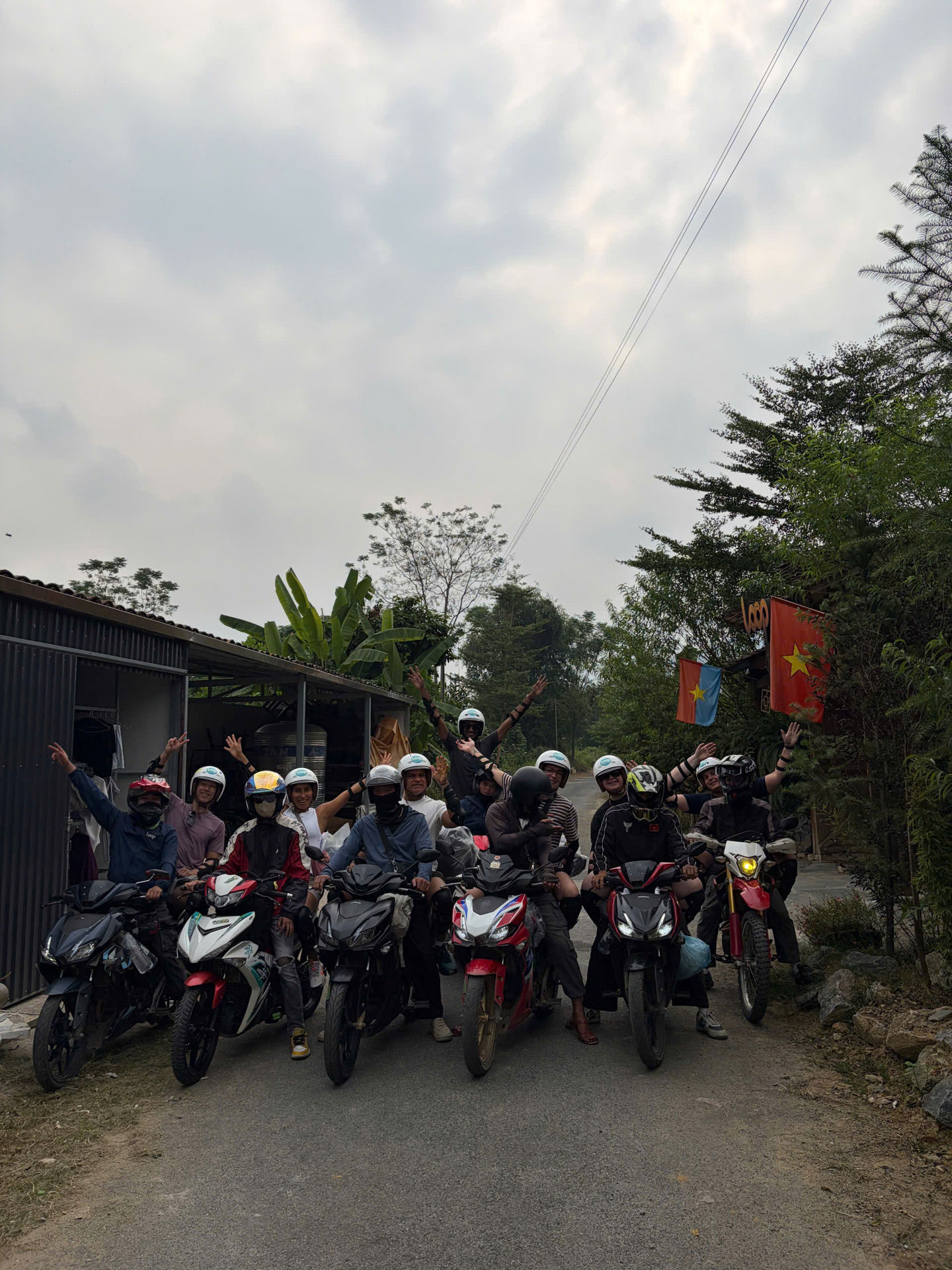
With The Loop Tour, travelers can choose Northern Vietnam itineraries covering Ha Giang, Cao Bang, or a combination of both destinations. Instead of organizing transportation, accommodation, local experiences, and daily routes independently, visitors can select a package that matches their available time, budget, and preferred level of adventure. This approach is particularly useful during the rainy season, when flexibility can be more valuable than following a strict schedule.
Experienced local support can also help travelers respond more effectively to changing conditions. If one route becomes unsuitable because of heavy rain or poor visibility, the itinerary can be adjusted rather than forcing travelers to continue simply to maintain the original plan. Choosing a suitable package with The Loop Tour can therefore help visitors optimize costs while enjoying Northern Vietnam with greater convenience and less concern about logistics.
Ha Giang vs Cao Bang in Rainy Season: What Is the Main Difference?
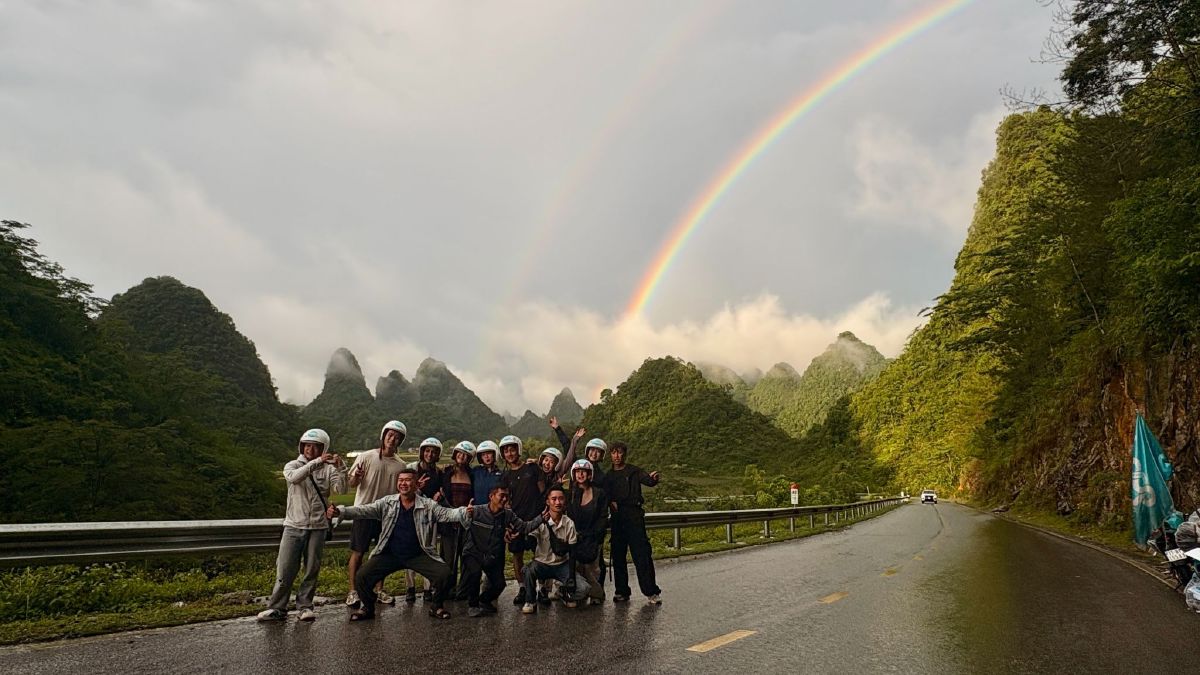
The biggest difference between Ha Giang and Cao Bang during the rainy season is the style of experience they offer. Ha Giang becomes incredibly dramatic, with mist-covered peaks, deep green valleys, winding mountain roads, and clouds drifting between limestone formations. The journey itself is a major part of the attraction, making Ha Giang particularly appealing to adventurous travelers who enjoy road trips and dramatic mountain landscapes.
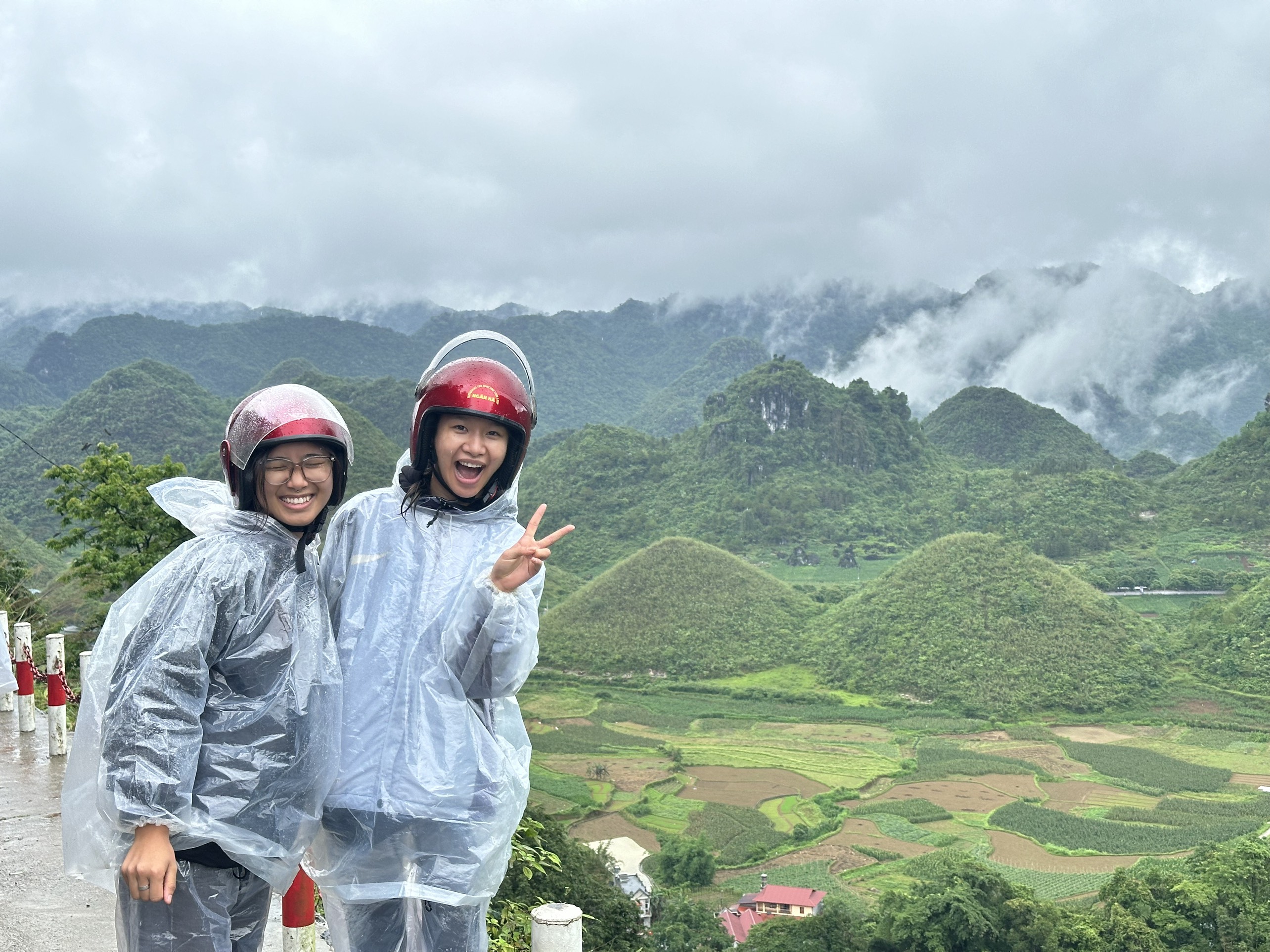
Cao Bang feels different. Rain brings more water to the rivers and waterfalls, turning attractions such as Ban Gioc Waterfall into even more impressive natural spectacles. The valleys and countryside become lush and green, while travelers can combine outdoor sightseeing with caves, villages, and cultural activities. For people who prefer a more relaxed journey rather than spending long periods riding through mountain passes, Cao Bang can feel easier during wet weather.
Ha Giang in Rainy Season: Green Mountains and Dramatic Roads
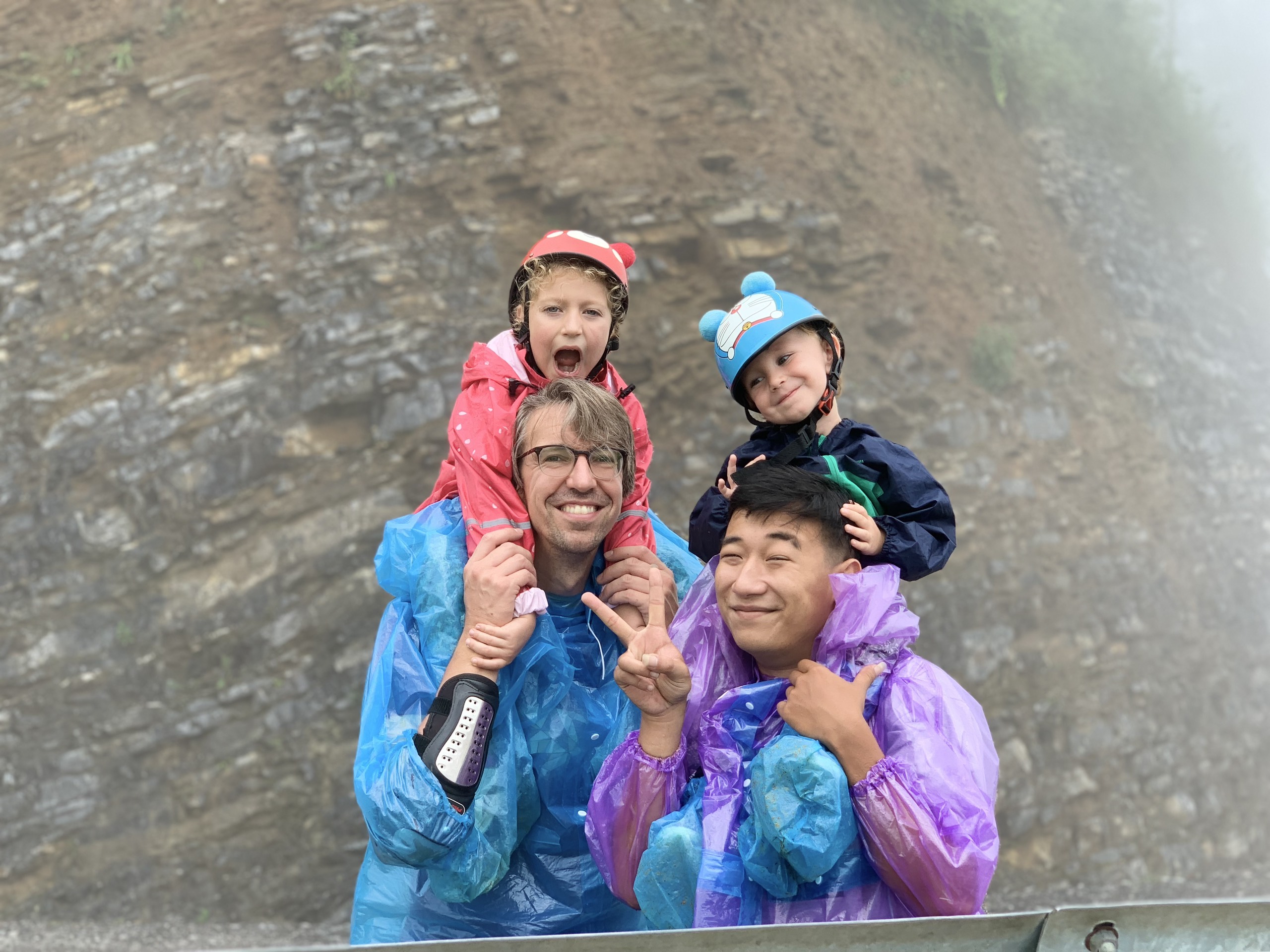
Ha Giang is one of Vietnam’s most spectacular mountain destinations throughout the year, but the rainy season creates a particularly atmospheric landscape. Rain transforms dry mountain slopes into vibrant green scenery, while low clouds and mist can make the valleys look almost cinematic. Travelers interested in photography may find this period especially rewarding because the mountains often appear completely different from one hour to the next.
However, the same conditions that create dramatic scenery can also make traveling more challenging. Ha Giang is famous for steep mountain passes, sharp curves, narrow roads, and high viewpoints. When rain arrives, surfaces can become slippery and fog may reduce visibility. Travelers who intend to ride independently should therefore have suitable experience and avoid treating the Ha Giang Loop as an ordinary motorcycle route.
Ma Pi Leng Pass During the Rainy Season
Ma Pi Leng Pass is one of the most iconic sections of the Ha Giang Loop, offering spectacular views across mountains, valleys, and the Nho Que River. During the rainy season, clouds often move across the mountains, creating a dramatic and mysterious atmosphere. When visibility improves after rainfall, the combination of green slopes, mist, and the river below can create some of the most memorable views in Northern Vietnam.
The downside is that fog can sometimes hide the scenery completely. Wet roads also require slower driving, which means travelers should avoid creating an itinerary that depends on reaching every destination at an exact time. Allowing additional travel time is one of the best ways to enjoy Ha Giang during wet weather without turning the journey into a race against the schedule.
Nho Que River in Wet Weather
The Nho Que River remains one of Ha Giang’s most famous attractions during the rainy season. Surrounded by steep cliffs and green mountains, the river offers a peaceful contrast to the adventurous roads above. A boat trip can be a memorable part of the journey when local conditions allow.
However, rainfall can influence water conditions and local operations. Travelers should therefore remain flexible rather than assuming that every activity will be available exactly as planned. This is another reason why a slower itinerary is often better during the rainy season.
Is Ha Giang Difficult During the Rainy Season?
Ha Giang is not necessarily too difficult to visit during the rainy season, but travelers need to approach the journey more carefully. Those with limited motorcycle experience may find wet roads, sharp bends, and changing visibility stressful. In these situations, choosing an easy rider or guided option can provide a more comfortable experience because local drivers are familiar with the roads and understand how conditions can change.
The key to enjoying Ha Giang in wet weather is flexibility. If heavy rain affects one section of the route, adjusting the schedule is usually better than insisting on following the original plan. Spending more time at one destination or delaying part of the journey can often lead to a safer and more enjoyable experience.
Cao Bang in Rainy Season: Waterfalls, Green Valleys and Countryside
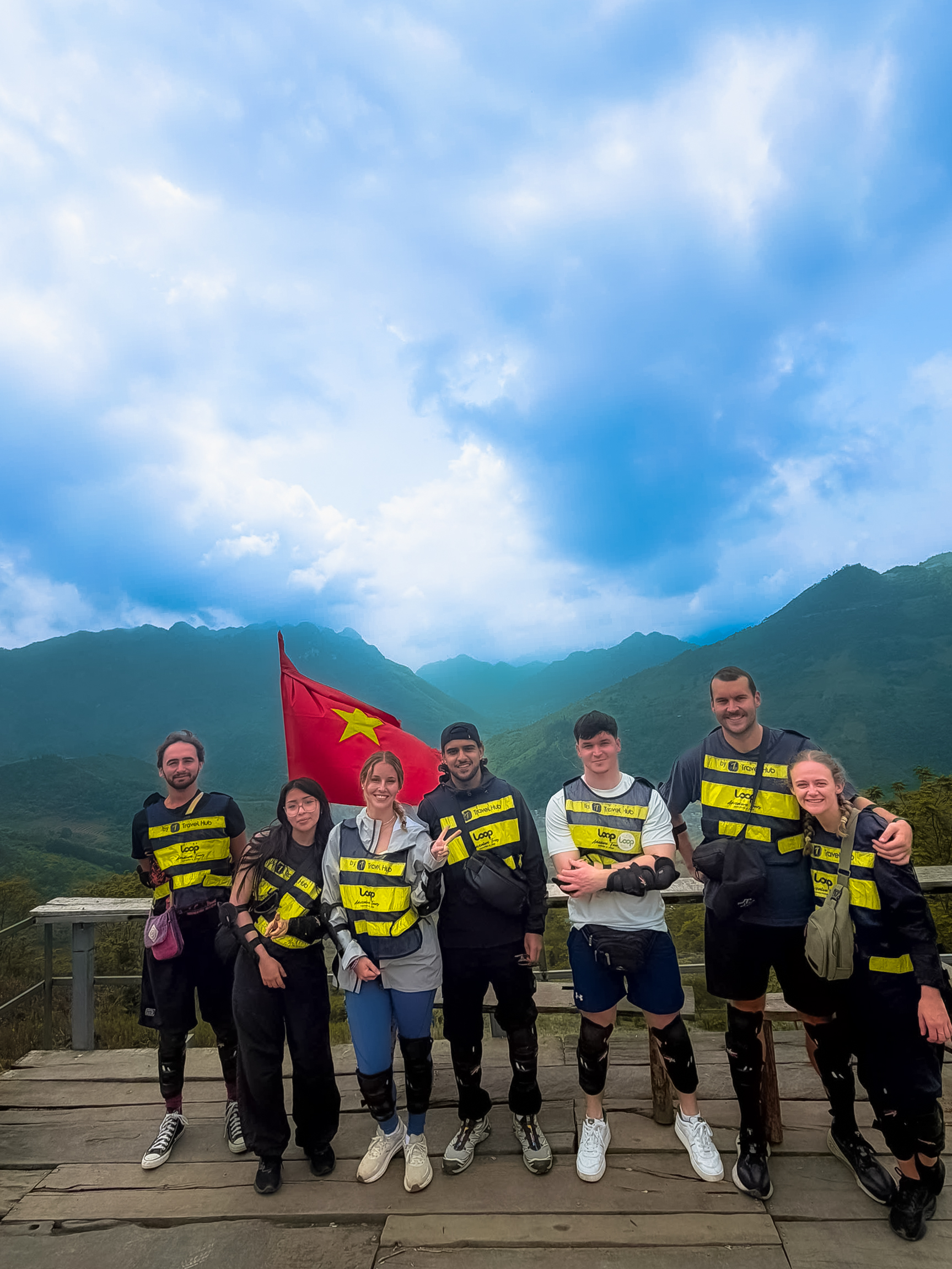
Cao Bang offers a different type of rainy-season adventure. Although the province also has mountain roads, its most famous attractions include waterfalls, caves, valleys, rivers, and traditional villages. This variety means travelers are not always dependent on spectacular views from high mountain passes.
Rain also enhances some of Cao Bang’s greatest natural attractions. Rivers become fuller, vegetation turns intensely green, and waterfalls can become much more powerful. For nature lovers and landscape photographers, these conditions can make Cao Bang particularly attractive during the wetter months.
Ban Gioc Waterfall During the Rainy Season
Ban Gioc Waterfall is one of the strongest reasons to consider Cao Bang during the rainy season. When water levels increase, the waterfall can become wider and more dramatic, with large volumes of water flowing across its multiple levels. The surrounding mountains, fields, and countryside also become greener, creating a beautiful setting for photography and sightseeing.
Visitors should still remember that very heavy rain can influence access, visibility, and activities around the waterfall. The goal should be to experience Ban Gioc when conditions are suitable rather than simply trying to arrive during the heaviest rainfall. A flexible itinerary allows travelers to make better use of clearer periods during the day.
Nguom Ngao Cave as an Alternative Experience
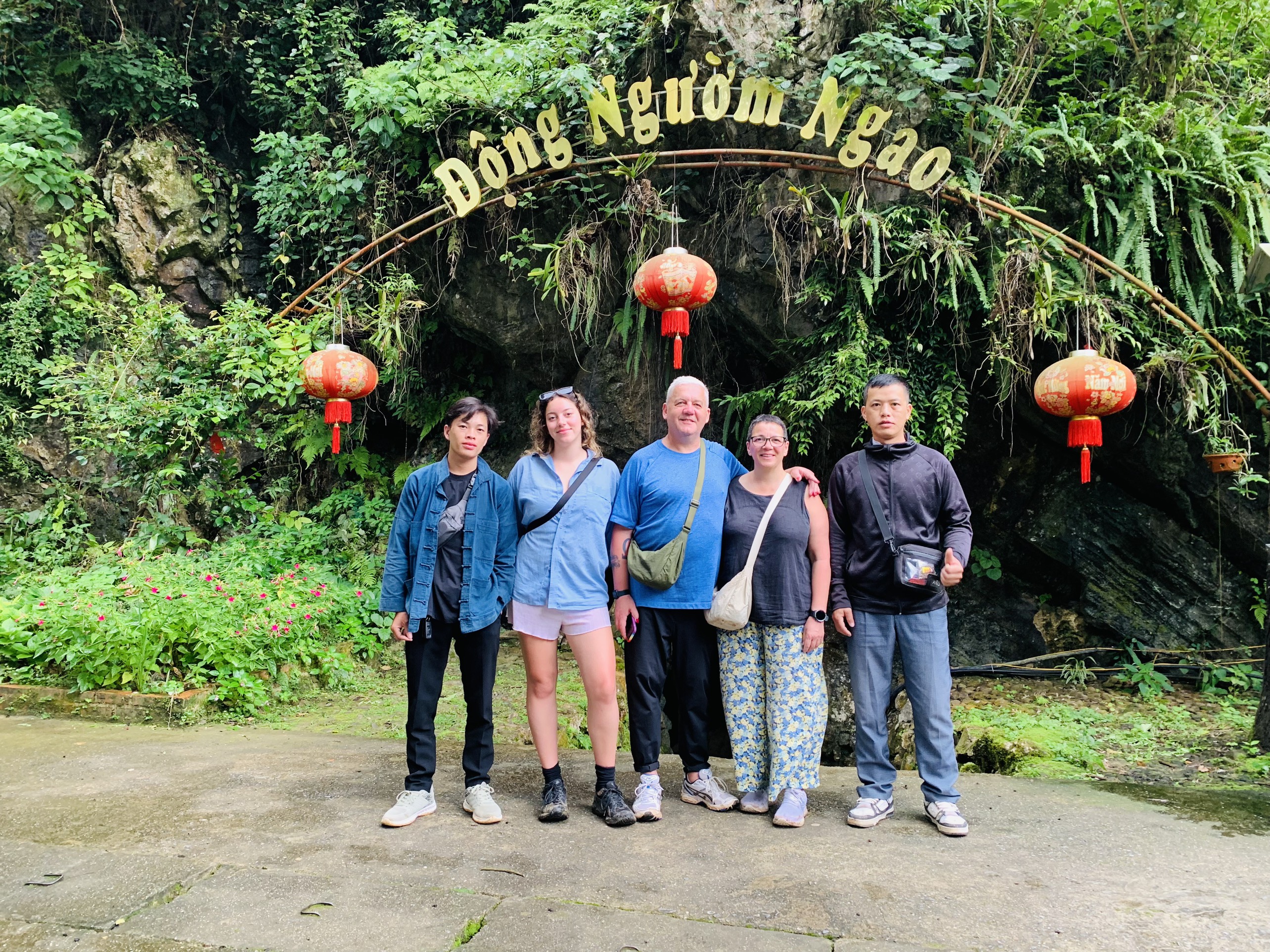
Nguom Ngao Cave is another advantage of visiting Cao Bang during less predictable weather. The cave offers an impressive landscape of limestone formations and provides a different type of experience from open-air viewpoints and waterfalls. Although visitors still need to travel to the entrance, exploring the cave can help add variety to an itinerary when outdoor conditions are less comfortable.
Combining Ban Gioc Waterfall, Nguom Ngao Cave, local villages, and countryside landscapes makes Cao Bang relatively flexible compared with a journey built mainly around mountain roads.
Which Destination Is Easier in Rainy Weather?
For many first-time travelers, Cao Bang may feel easier than Ha Giang during the rainy season. This does not mean Cao Bang has no difficult roads or weather-related challenges, but the overall experience is less dependent on continuous mountain riding.
Ha Giang’s famous roads are a major part of its attraction, so rain, fog, and poor visibility can directly affect the experience. Cao Bang provides more variety between waterfalls, caves, rural scenery, cultural stops, and shorter outdoor activities. Travelers who are nervous about wet mountain roads may therefore feel more comfortable in Cao Bang.
Ha Giang or Cao Bang for Rainy-Season Photography?
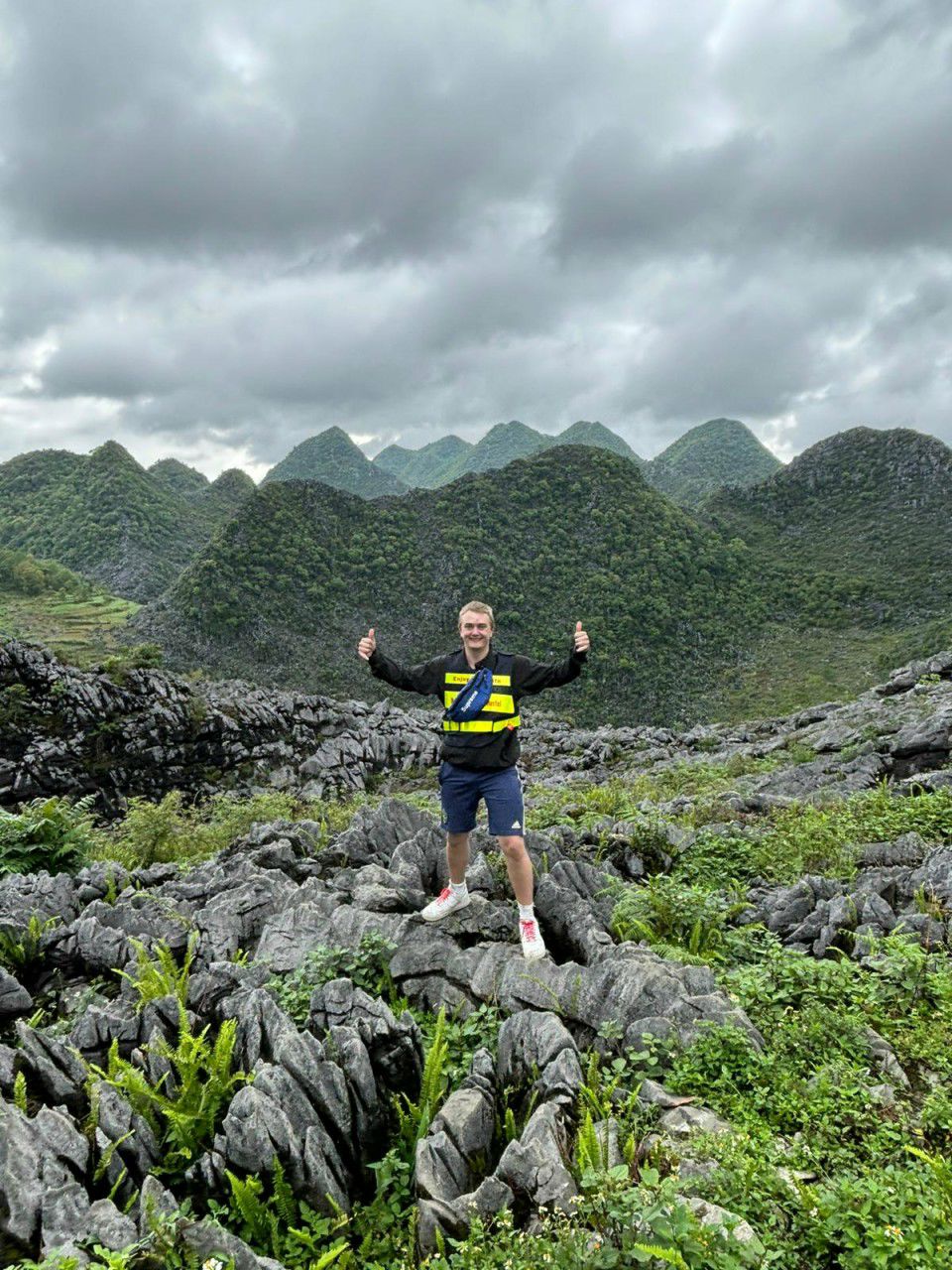
Both destinations can be excellent for photography, but they offer very different visual styles. Ha Giang is better suited to travelers who want dramatic mountain roads, mist-covered peaks, deep valleys, and atmospheric cloud formations. The scenery can look spectacular after rain, although fog sometimes makes viewpoints impossible to see.
Cao Bang is particularly attractive for waterfalls, rice fields, rivers, green valleys, and rural landscapes. Ban Gioc Waterfall can become especially impressive during periods of stronger water flow. Photographers interested in powerful waterfalls and softer countryside scenery may therefore prefer Cao Bang, while those looking for more dramatic mountain images may favor Ha Giang.
Can You Combine Ha Giang and Cao Bang During the Rainy Season?
Combining both destinations is possible and can create one of the most diverse journeys through Northern Vietnam. Ha Giang provides dramatic mountain adventure, while Cao Bang offers waterfalls, caves, valleys, and countryside experiences. Together, they give travelers a broader understanding of Northern Vietnam’s landscapes and cultures.
However, travelers should allow more time than they would during dry weather. Long distances and unpredictable conditions mean that a tightly packed itinerary can quickly become stressful if rain causes delays. Building buffer time into the schedule makes it easier to adjust without missing important parts of the journey.
For travelers who want to visit both regions, a connected itinerary with The Loop Tour can help reduce unnecessary backtracking and simplify transportation between remote destinations. This can also make it easier to control the overall travel budget.
What Should You Pack for the Rainy Season?
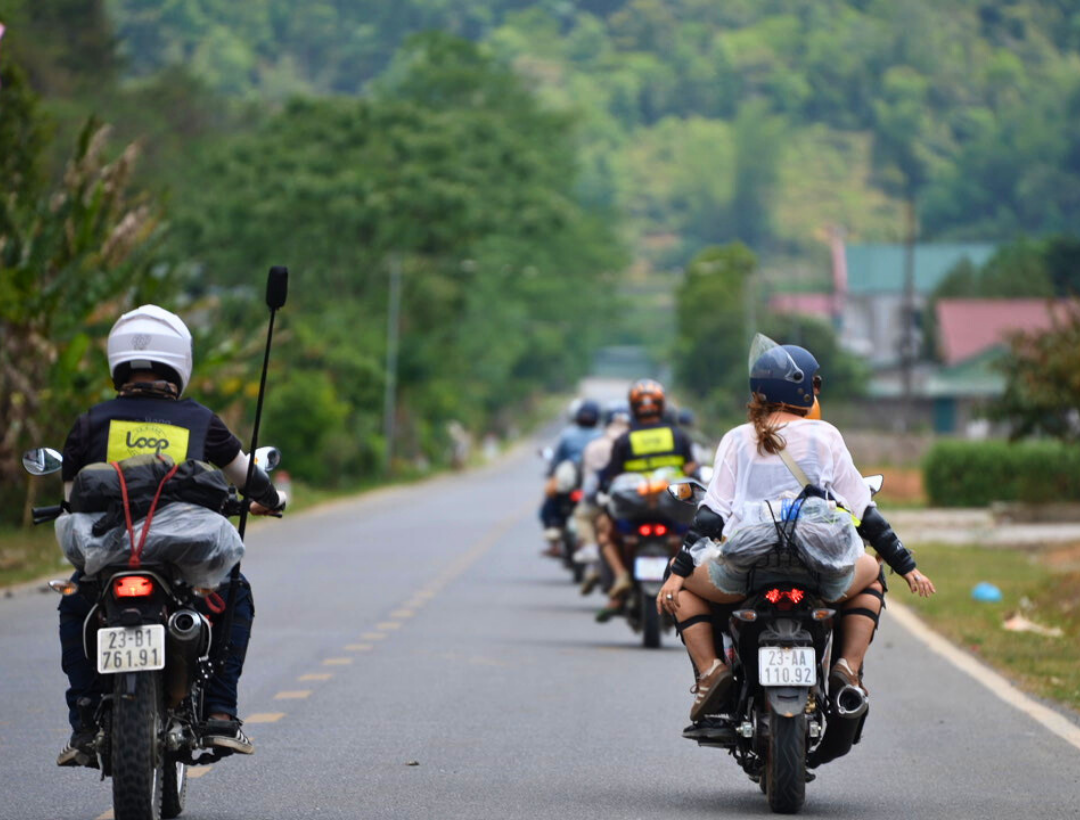
Packing appropriately can make a major difference when traveling through Northern Vietnam during wet weather. A lightweight waterproof jacket, quick-drying clothing, comfortable footwear with good grip, and waterproof protection for electronics are particularly useful. Travelers carrying cameras or other valuables should also consider using a waterproof bag or dry bag.
Temperatures in the mountains can feel cooler during rainfall, especially at higher elevations, so bringing an additional light layer is useful. At the same time, carrying excessive luggage can make transportation more difficult, particularly when moving between homestays or traveling by motorcycle. Packing light but preparing specifically for rain is usually the best approach.
Why Choose The Loop Tour During the Rainy Season?
Traveling through remote mountainous regions during wet weather requires more flexibility than following a fixed itinerary during the dry season. Local knowledge becomes especially valuable because road conditions, weather patterns, and attraction accessibility can change quickly.
The Loop Tour can help travelers choose a journey suited to their available time, budget, and desired level of adventure. Instead of spending the trip constantly checking routes or reorganizing transportation, travelers can focus more on landscapes, local culture, and the overall experience. This can be particularly valuable for international visitors who are unfamiliar with the mountain roads of Northern Vietnam.
Final Thoughts: Ha Giang vs Cao Bang in Rainy Season
When comparing Ha Giang vs Cao Bang in rainy season, there is no single destination that is better for every traveler. Ha Giang is ideal for adventurous visitors who want dramatic mountains, misty passes, winding roads, and a journey where the route itself becomes part of the experience. Rain makes the scenery greener and more atmospheric, but it can also make mountain travel more demanding.
Cao Bang is often the better choice for travelers seeking a calmer experience with waterfalls, caves, valleys, countryside landscapes, and cultural activities. Ban Gioc Waterfall can be particularly impressive when water levels are higher, making the rainy season a rewarding period for nature lovers.
If you are comfortable with changing weather and want more adventure, Ha Giang may be the better option. If you prefer a gentler pace and more varied sightseeing, Cao Bang can be easier. Travelers with enough time can also combine both destinations to experience two very different sides of Northern Vietnam.
By selecting a suitable itinerary with The Loop Tour, you can optimize travel costs, reduce the stress of dealing with unpredictable weather, and experience Northern Vietnam during one of its greenest and most atmospheric seasons.