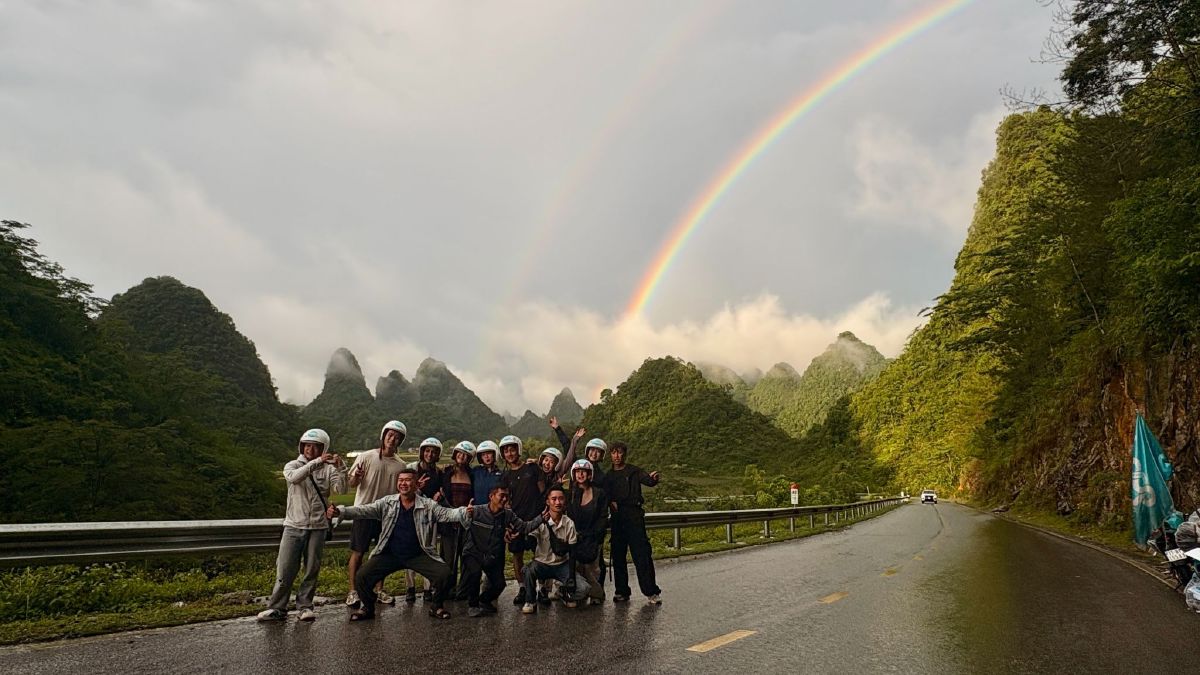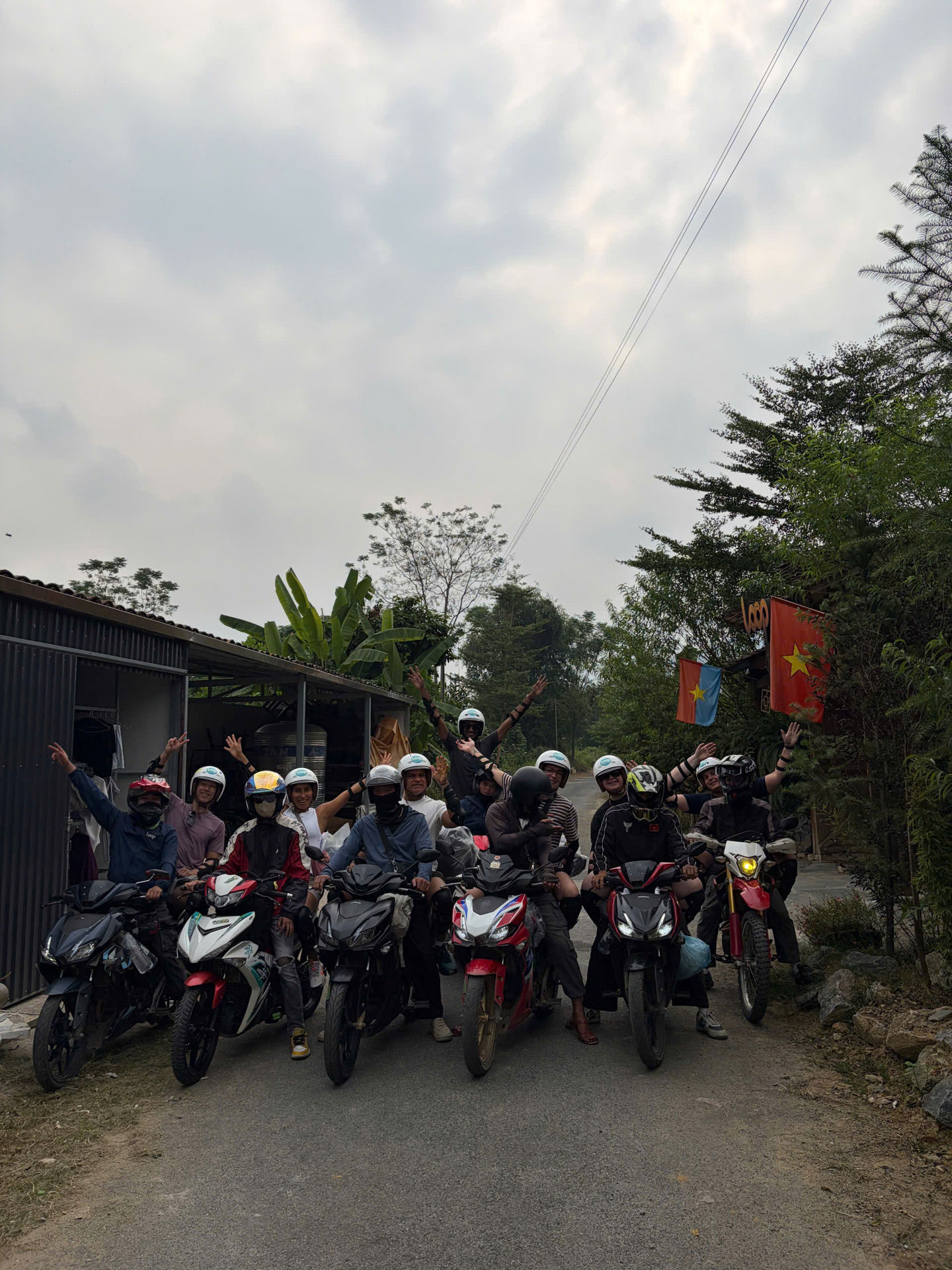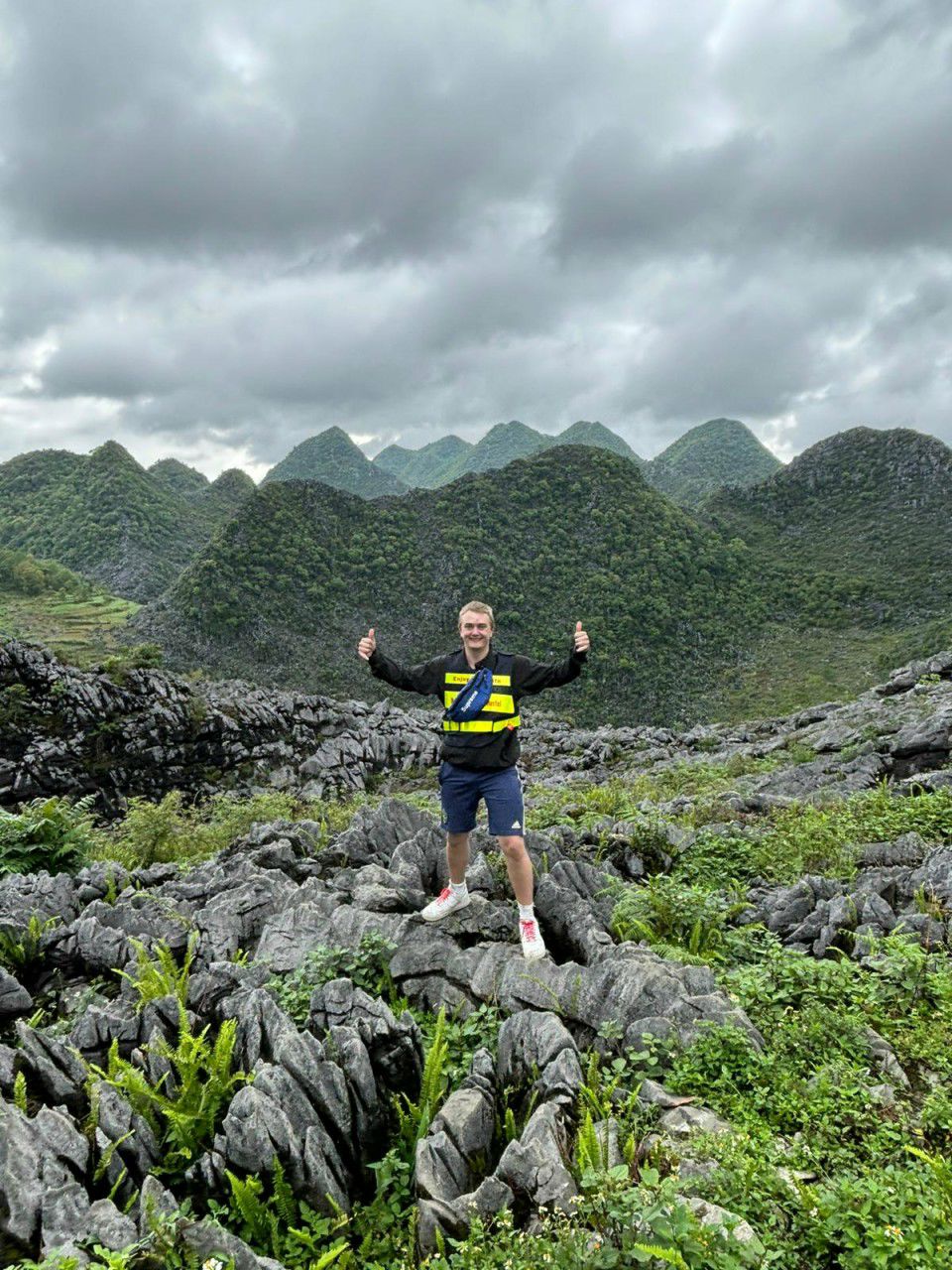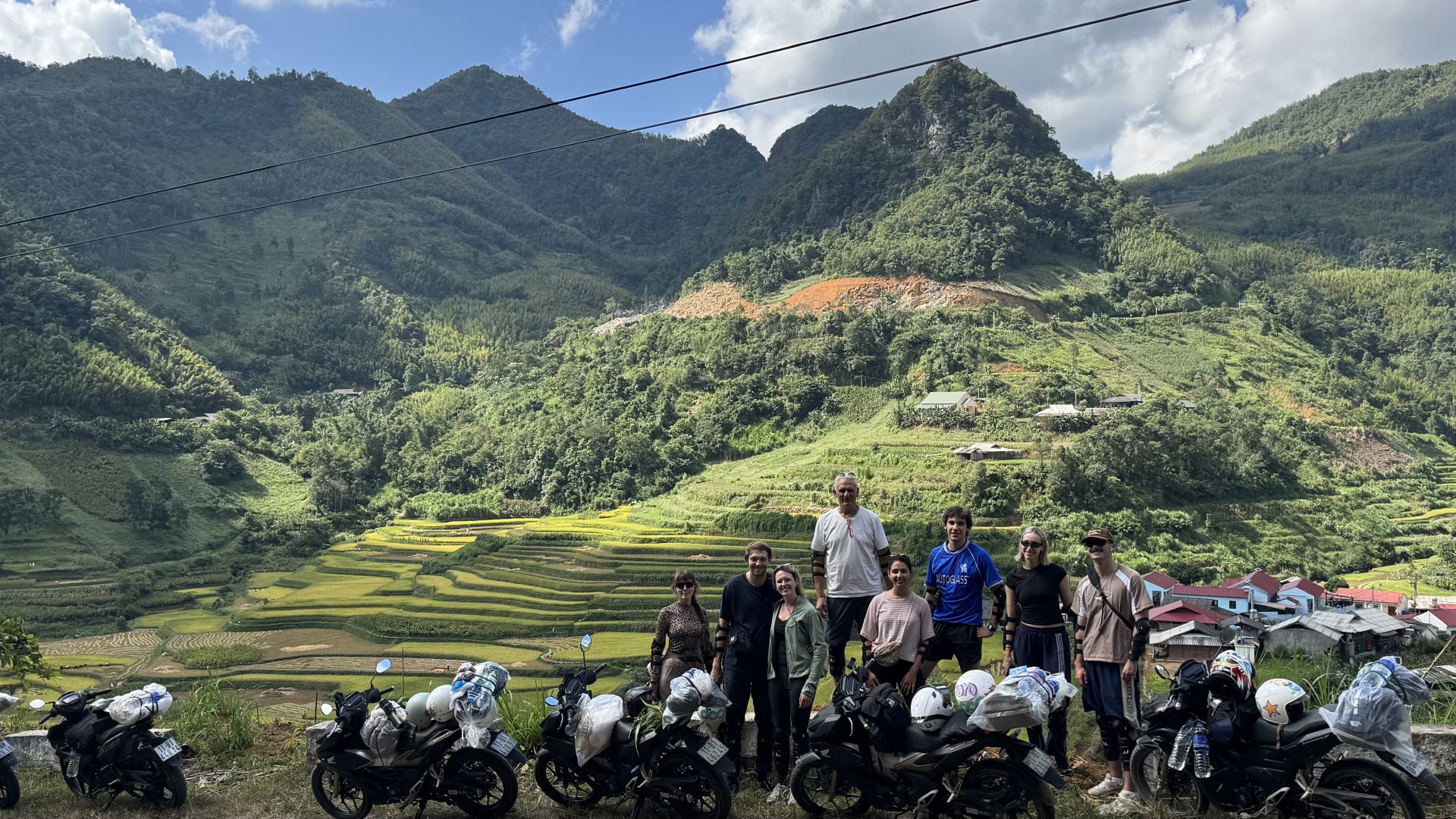


A well-planned Ha Giang photography itinerary can help you capture the most dramatic landscapes in northern Vietnam without rushing from one viewpoint to another. Ha Giang is famous for winding mountain roads, limestone peaks, deep valleys, ethnic villages, terraced fields, and the legendary Ha Giang Loop. For photographers, every curve of the road can reveal a new frame: misty valleys in the morning, golden ridges in the afternoon, local markets full of color, and quiet villages surrounded by mountains.
The Ha Giang Loop is usually completed in 3 to 4 days. However, if photography is your main goal, a 4-day itinerary is often better. It gives you more time to wait for good light, stop at viewpoints, explore villages, and avoid riding too late in the day. Some of the most photogenic places on the route include Quan Ba Heaven Gate, Bac Sum Pass, Yen Minh Pine Forest, Tham Ma Pass, Dong Van Karst Plateau, Lung Cu, Ma Pi Leng Pass, Nho Que River, Meo Vac, and Du Gia. Recent travel guides consistently list these areas among the key viewpoints and photography stops on the Ha Giang Loop.
If you want a smoother experience, The Loop Tours can help arrange your route, Easy Rider, accommodation, and photo stops. Comfortable stays such as Loop Eco Stone House Ha Giang and Dong Van Eco Stone House also make it easier to rest well and start early for the best light.
Perfect Tours for You:
Why Ha Giang Is Perfect for Photography
Ha Giang is one of the most visually powerful regions in Vietnam. The province combines sharp limestone mountains, high passes, rivers, valleys, rice fields, and ethnic villages. This variety makes it ideal for landscape, travel, street, portrait, drone, and cultural photography.
Unlike flat destinations, Ha Giang offers depth in almost every scene. Mountain layers create strong backgrounds, roads form leading lines, and small villages add human scale to the landscape. In the morning, mist often softens the valleys. In the late afternoon, warm light creates contrast on the ridges. For photographers, this means Ha Giang is not only beautiful, but also highly dynamic throughout the day.
The key to a good Ha Giang photography itinerary is timing. Many travelers stop quickly for photos, but photographers should plan around light. Early morning and late afternoon are usually best for soft shadows, warm tones, and atmospheric scenery.
Day 1: Ha Giang City to Yen Minh
Your photography journey usually begins in Ha Giang City. Before starting the loop, you can stay at Loop Eco Stone House Ha Giang with The Loop Tours. This gives you a comfortable base to prepare your camera gear, charge batteries, check your route, and rest after traveling from Hanoi.
Morning: Bac Sum Pass
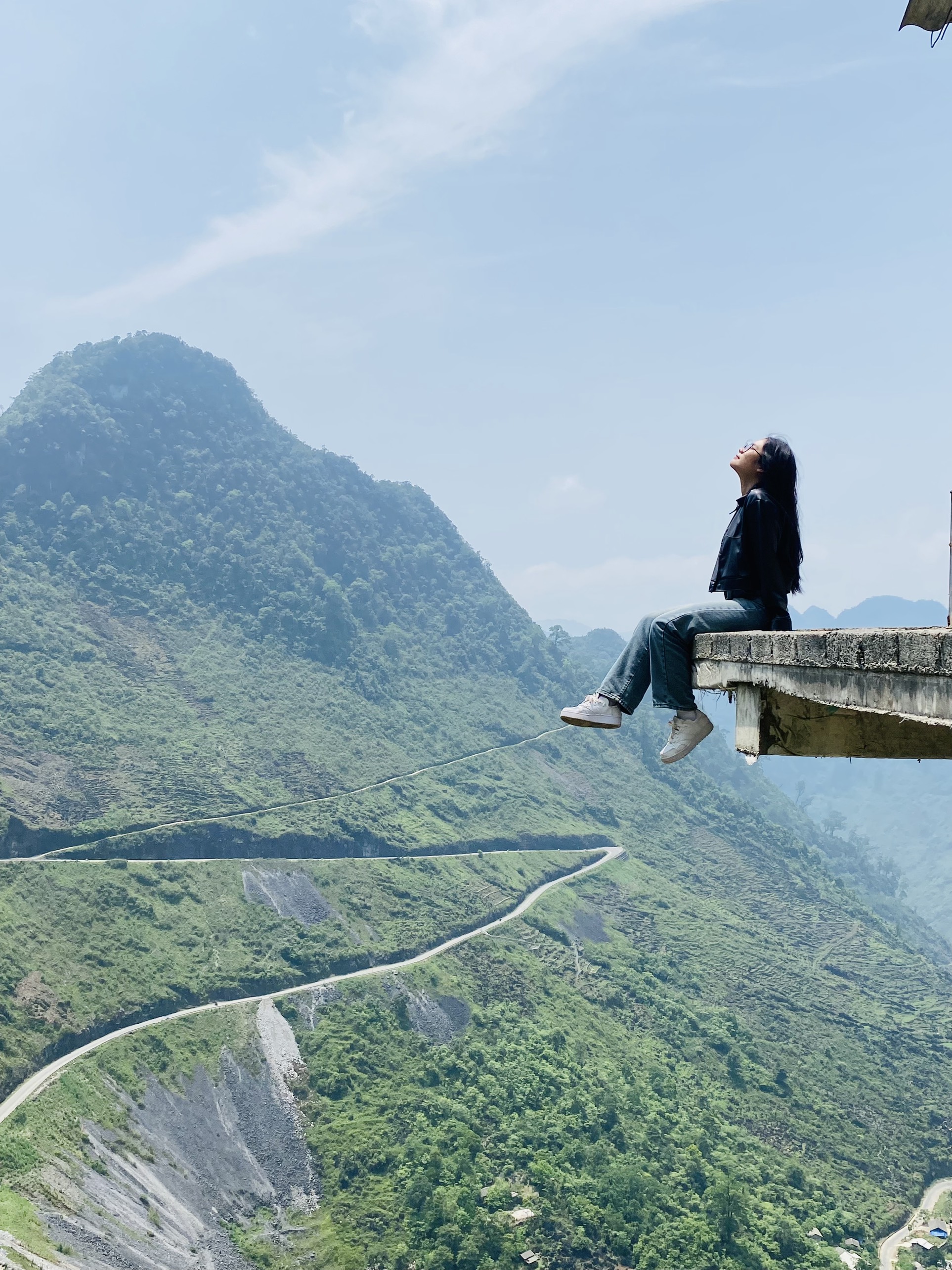
The first major photo stop is Bac Sum Pass. This section introduces you to the winding roads and mountain scenery of the loop. The road curves through green hills, creating strong leading lines for photography. Wide shots work well here, especially if you include motorbikes or people to show scale.
Try to shoot from a safe viewpoint rather than stopping on a dangerous curve. A good composition includes the road, mountains, and sky. If the weather is misty, Bac Sum Pass can feel even more dramatic.
Midday: Quan Ba Heaven Gate and Twin Mountains
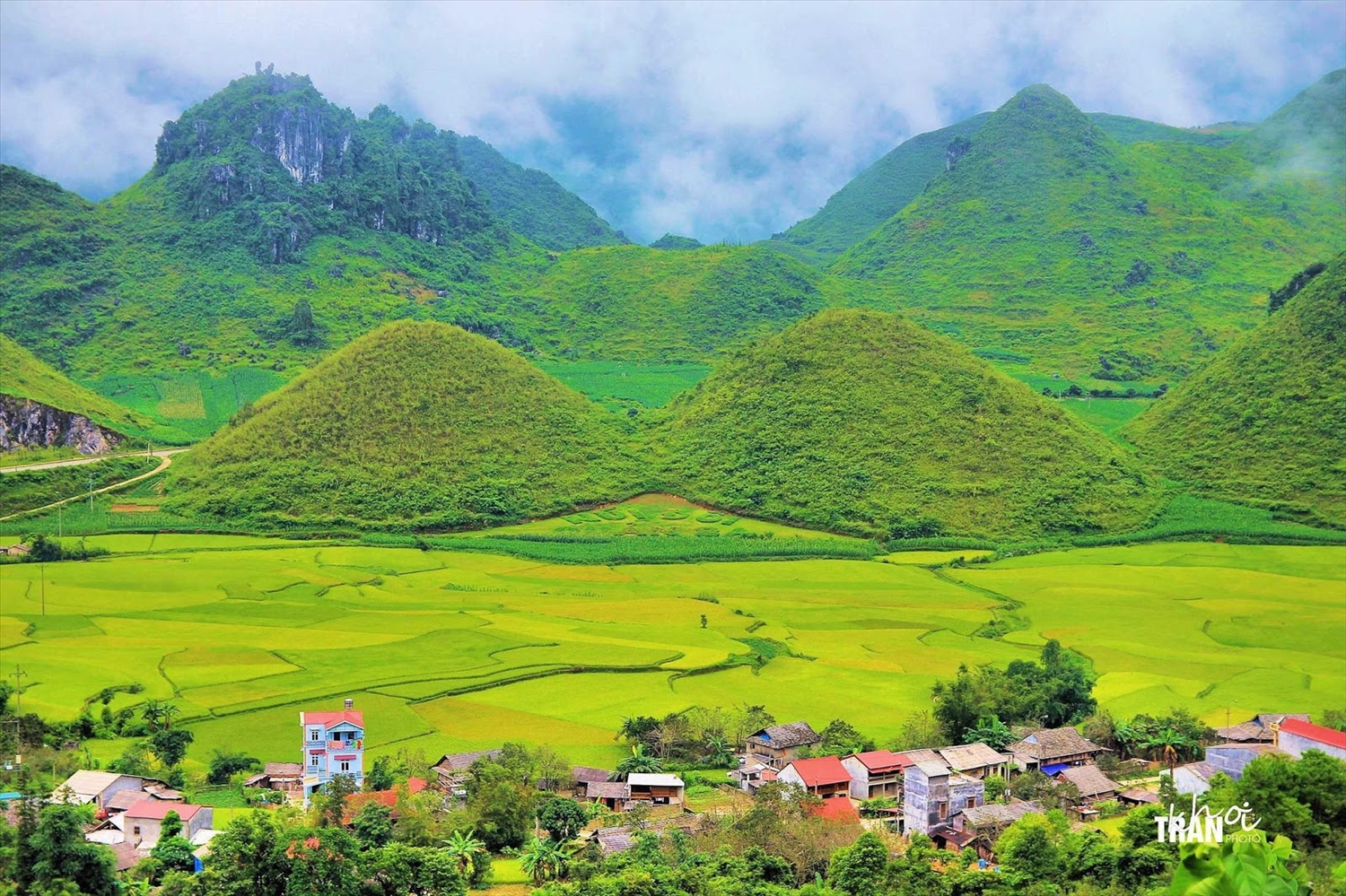
Quan Ba Heaven Gate is one of the most famous early stops on the loop. From here, you can photograph the Twin Mountains and Tam Son Valley. Photography guides often recommend Quan Ba for wide valley views and late-afternoon light, but it is also a strong daytime stop if the visibility is clear.
For the best shots, use a wide-angle lens to capture the valley and surrounding mountains. If the sky is bright, try exposing for the highlights and recovering shadows later. A polarizing filter can also help reduce haze and deepen the sky.
Afternoon: Yen Minh Pine Forest
Continue toward Yen Minh, where the scenery changes from rocky mountains to pine forests and softer rural landscapes. This is a good place for slower, quieter photography. Look for road curves, trees, village scenes, and mountain layers.
Yen Minh is a practical overnight stop for a 4-day itinerary. Staying here helps you avoid rushing and gives you a better chance to start early for the next day’s photo stops.
Day 2: Yen Minh to Dong Van
Day two is rich in cultural and landscape photography. This route includes some of the most iconic scenes on the Ha Giang Loop, including Tham Ma Pass, Hmong King Palace, ethnic villages, and Dong Van.
Morning: Tham Ma Pass
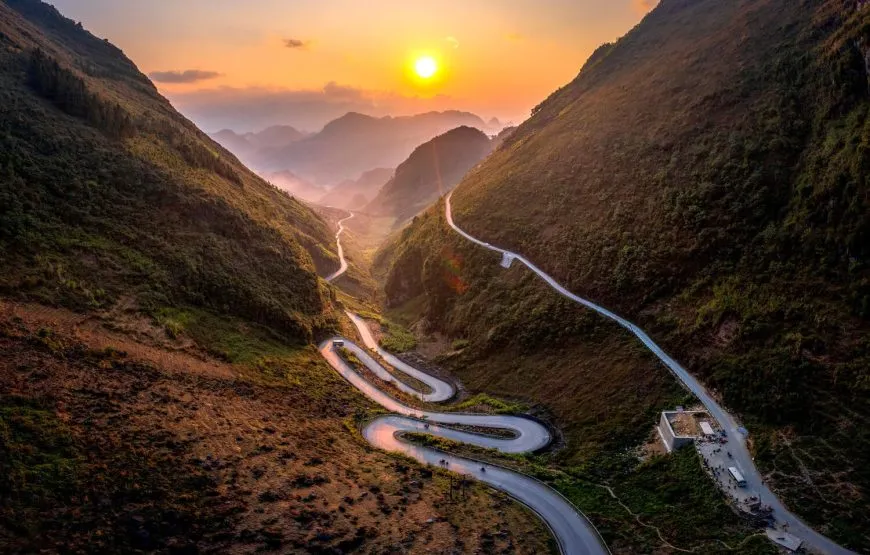
Tham Ma Pass is one of the most photographed roads in Ha Giang. Its elegant hairpin curves create a perfect composition from above. Travel guides frequently list Tham Ma Pass among the best passes and roads on the Ha Giang Loop.
This is a great place for road photography. Wait for motorbikes to enter the frame to add movement and scale. A vertical composition can work well if you want to emphasize the curves climbing through the mountains.
Midday: Hmong King Palace and Local Villages
After Tham Ma Pass, continue toward the Hmong King Palace. This stop is ideal for architecture and cultural photography. The stone walls, wooden details, courtyards, and mountain setting give you a different visual style from the road viewpoints.
Along the way, you can also photograph local villages, traditional houses, and daily life. Be respectful when taking photos of people. Always ask before shooting portraits, especially of children or elderly residents.
Afternoon: Dong Van Karst Plateau
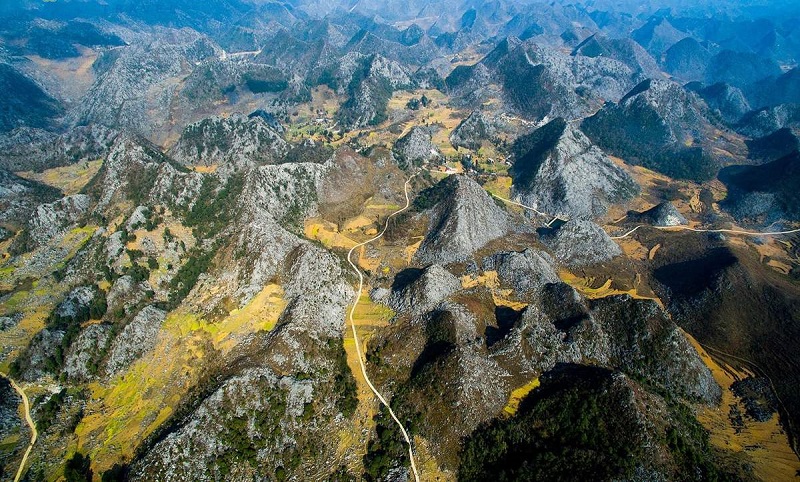
Dong Van is surrounded by dramatic limestone formations and is part of the wider Dong Van Karst Plateau landscape. This area is excellent for rugged mountain shots, village scenes, and old-town photography. Several Ha Giang guides highlight Dong Van Karst Plateau as one of the key scenic and geological attractions of the region.
In the evening, explore Dong Van Old Quarter. The stone houses, lanterns, cafes, and slow mountain-town atmosphere make it a strong location for street and travel photography. For accommodation, Dong Van Eco Stone House by The Loop Tours is a convenient base before the next day’s Ma Pi Leng section.
Day 3: Dong Van to Meo Vac or Du Gia
Day three is usually the highlight of any Ha Giang photography itinerary. This is when you photograph Ma Pi Leng Pass, the Nho Que River canyon, and some of the most dramatic mountain scenery in Vietnam.
Early Morning: Dong Van Town
Start early in Dong Van. Morning light gives the town a soft and quiet feeling. You can photograph local streets, breakfast scenes, stone houses, and market life if you are there on the right day.
Early starts are important in Ha Giang because they give you more time for photography and help you avoid arriving at your overnight stop after dark.
Morning to Midday: Ma Pi Leng Pass
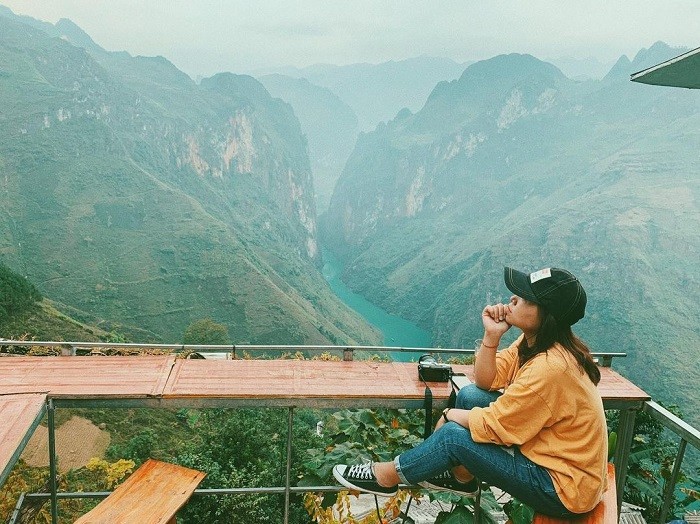
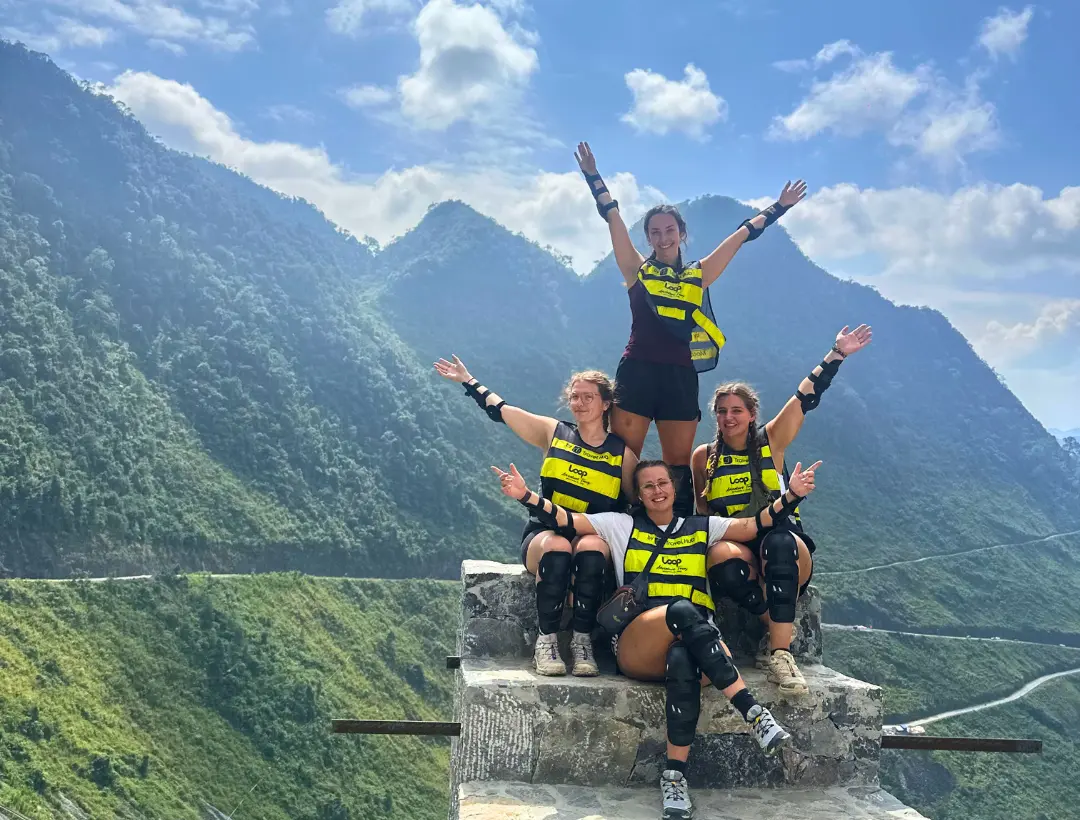
Ma Pi Leng Pass is one of the most iconic photo locations in Ha Giang. Located between Dong Van and Meo Vac, it is famous for steep cliffs, winding roads, and views over the Nho Que River. Travel sources often describe Ma Pi Leng as one of the top viewpoints and most scenic sections of the Ha Giang Loop.
For landscape photography, use the road as a leading line. Include the canyon and river when possible. A wide-angle lens works well for dramatic views, while a telephoto lens can compress the mountain layers and create more powerful compositions.
Optional: Nho Que River
If your schedule allows, take time to visit or photograph the Nho Que River area. From above, the river adds a beautiful green line through the canyon. It is one of the most recognizable scenes in Ha Giang and is frequently listed among top attractions in the province.
A boat trip on the river can also give you a different perspective, looking up at the canyon walls instead of down from the pass. This is useful if you want variety in your photo story.
Afternoon: Meo Vac or Continue to Du Gia
If you want a slower photography pace, stay in Meo Vac after Ma Pi Leng. This lets you enjoy the pass without rushing. If you continue to Du Gia, expect a longer riding day but a softer rural atmosphere by evening.
Du Gia is excellent for peaceful village photography, rice fields, family-run homestays, and countryside scenes. It gives your itinerary a different mood after the dramatic cliffs of Ma Pi Leng.
Day 4: Du Gia to Ha Giang City
The final day is good for slower, more intimate photography. Instead of only chasing big viewpoints, focus on rural roads, local homes, fields, and small village scenes.
Morning: Du Gia Village
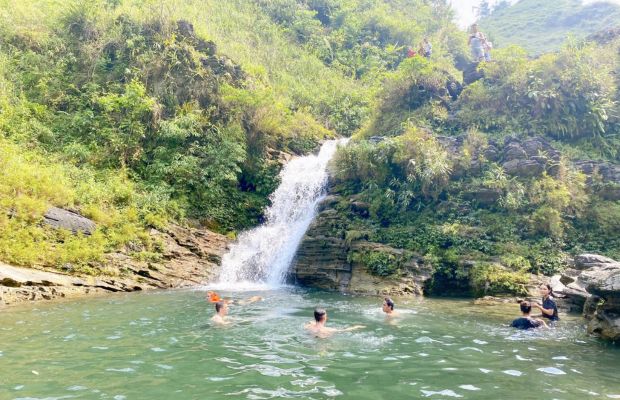
Wake up early in Du Gia for soft morning light. This is one of the best times to photograph village life, misty fields, animals, and quiet roads. Du Gia is often included in Ha Giang itineraries for its peaceful valley setting, waterfall, and relaxed atmosphere.
Use this time for storytelling photos. Capture details such as hands preparing food, motorbikes outside homestays, children walking to school, rice fields, and mountain houses. These images help balance your portfolio so it is not only about viewpoints.
Afternoon: Return to Ha Giang City
As you return to Ha Giang City, stop only where it is safe. The final day can still offer beautiful roads, valleys, and village views. Once you arrive back in the city, you can stay again at Loop Eco Stone House Ha Giang to rest, back up your photos, and review your journey.
Best Photography Tips for Ha Giang
The first tip is to start early. Morning light is often better, roads are quieter, and valleys may have mist. Late afternoon is also beautiful, but you should avoid riding after dark because Ha Giang’s mountain roads can be dangerous in low light.
Second, bring the right gear. A wide-angle lens is useful for landscapes and road curves. A telephoto lens helps capture mountain layers, portraits, and details from a distance. Extra batteries and memory cards are essential because charging opportunities may be limited during long riding days.
Third, protect your gear. Ha Giang weather can change quickly. Bring a rain cover, dry bag, microfiber cloth, and dust protection. If you are riding a motorbike, avoid keeping your camera loose in a backpack where it may be damaged by vibration.
Fourth, photograph respectfully. Ha Giang is home to many ethnic communities. Ask before taking close-up portraits and avoid treating villages like staged attractions. The best travel photos come from patience, respect, and genuine interaction.

Why Plan Your Photography Trip with The Loop Tours?
A photography-focused trip needs more flexibility than a normal sightseeing itinerary. You may want extra time at a viewpoint, an early start for sunrise, or a safer stop for sunset. The Loop Tours can help arrange a smoother journey with local knowledge, comfortable stays, and route support.
With Loop Eco Stone House Ha Giang as a base before or after the loop and Dong Van Eco Stone House as a convenient stop in Dong Van, photographers can rest properly and stay close to some of the best shooting locations. Local guides and Easy Riders can also help you find safe viewpoints, avoid rushed travel days, and enjoy the landscape without worrying too much about navigation.
Final Thoughts
A strong Ha Giang photography itinerary should balance famous viewpoints, cultural stops, village scenes, and safe travel timing. For a 4-day route, a good plan is Ha Giang City to Yen Minh, Yen Minh to Dong Van, Dong Van to Meo Vac or Du Gia, and Du Gia back to Ha Giang City. This route gives you access to Bac Sum Pass, Quan Ba Heaven Gate, Tham Ma Pass, Dong Van, Ma Pi Leng Pass, Nho Que River, and Du Gia.
Ha Giang is a dream destination for photographers because every day offers a different visual story. One day may be about limestone cliffs and winding roads; the next may be about local markets, stone houses, valleys, and quiet village mornings.
Ready to capture Ha Giang at the perfect pace? Book your photography-friendly Ha Giang Loop journey with The Loop Tours and enjoy scenic routes, local guidance, and comfortable stays such as Loop Eco Stone House Ha Giang and Dong Van Eco Stone House for a smoother and more memorable mountain.