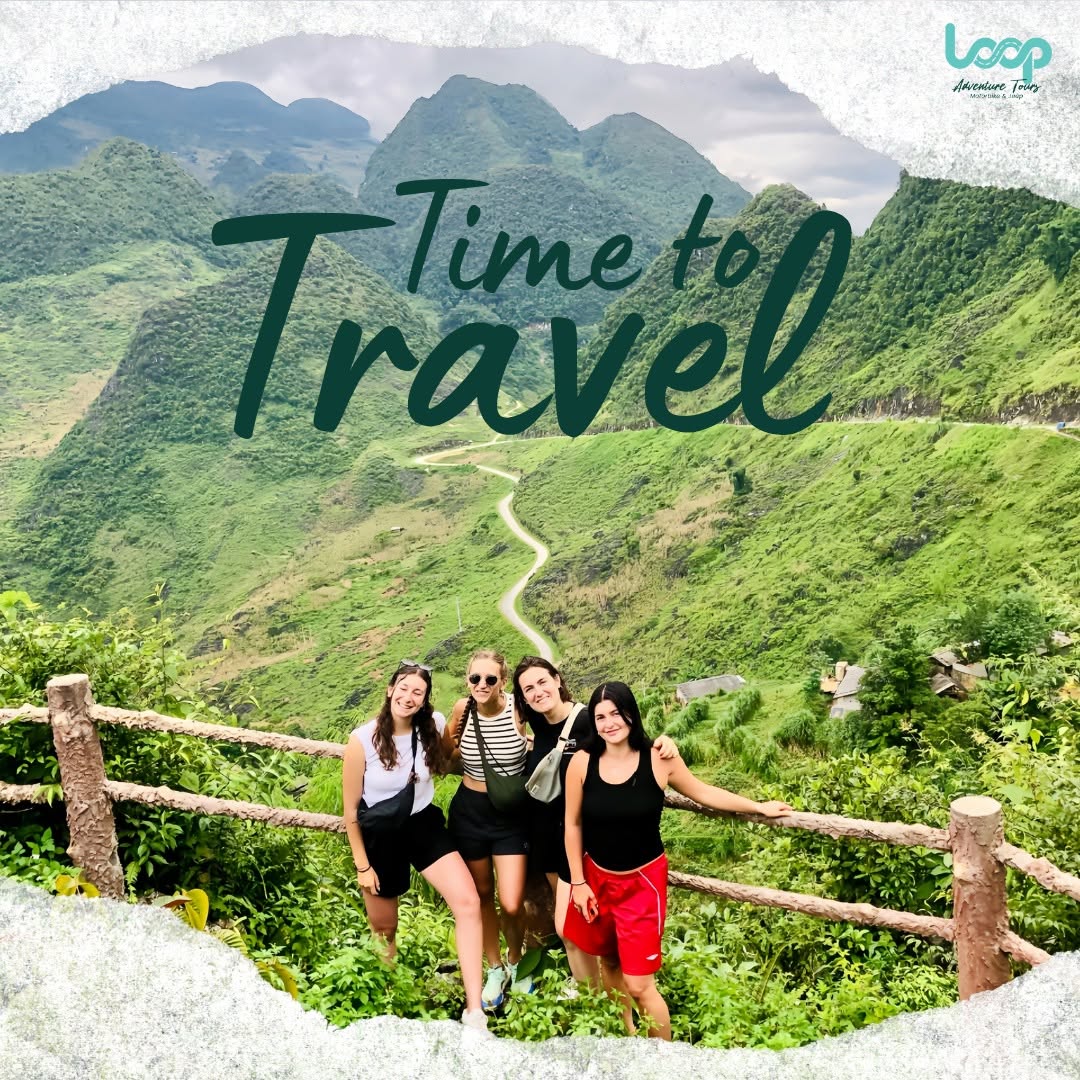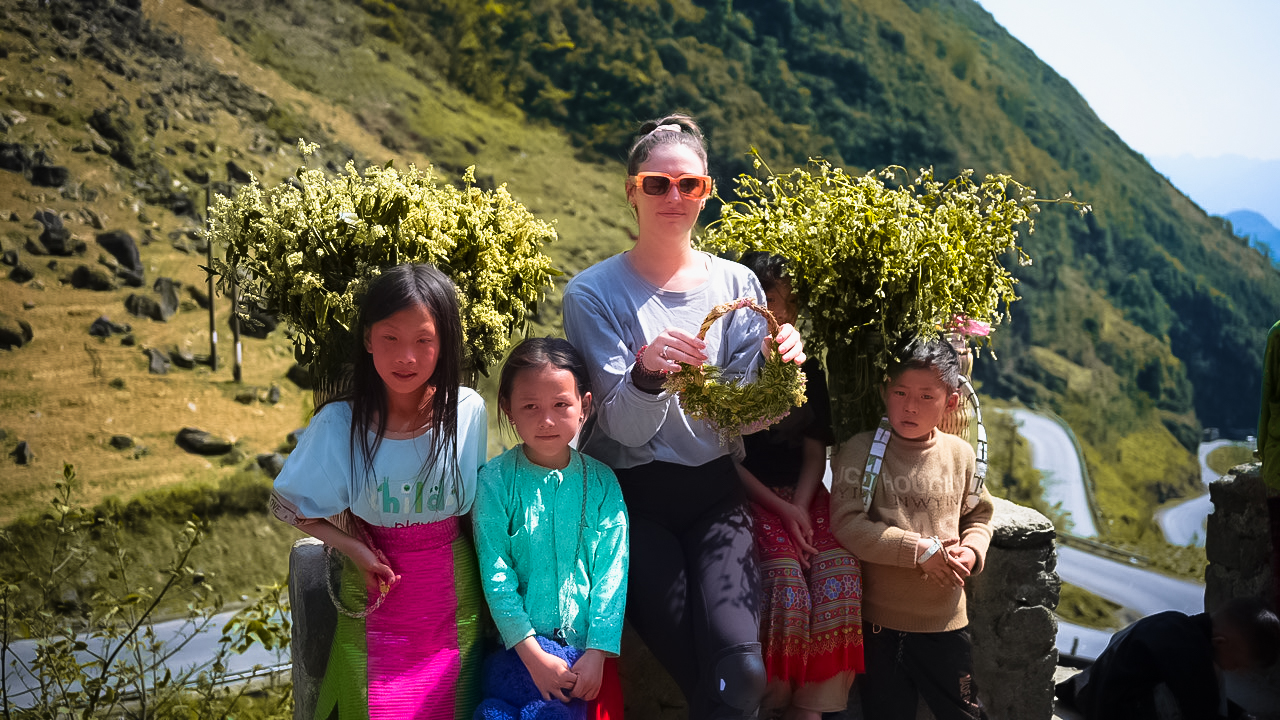


If you love big mountain views but don’t feel like riding a motorbike, traveling Ha Giang by private car is an ideal way to explore Vietnam’s most dramatic province. A private car gives you comfort, weather protection and flexibility, while still letting you experience the legendary Ha Giang Loop – from Quan Ba Heaven Gate to Ma Pi Leng Pass and the Nho Que River.
This guide walks you through why a private car is a great choice, how to get from Hanoi to Ha Giang, suggested itineraries, safety tips and what to prepare.
Perfect Tours for You:
Why choose a private car for Ha Giang?
Many travelers associate Ha Giang with motorbikes, but traveling Ha Giang by private car has some big advantages:
1. Comfort and weather protection
Ha Giang’s roads are long and winding, and the weather can shift from hot sun to chilly wind and sudden rain in a single day. A private car or SUV gives you:
-
Air-conditioning or heating depending on the season
-
A dry, safe space during rain or fog
-
Comfortable seats for long days on the road
Several local operators now offer dedicated Ha Giang Loop tours by car, combining scenic driving with guided stops and homestay experiences.
2. Safer option for non-riders
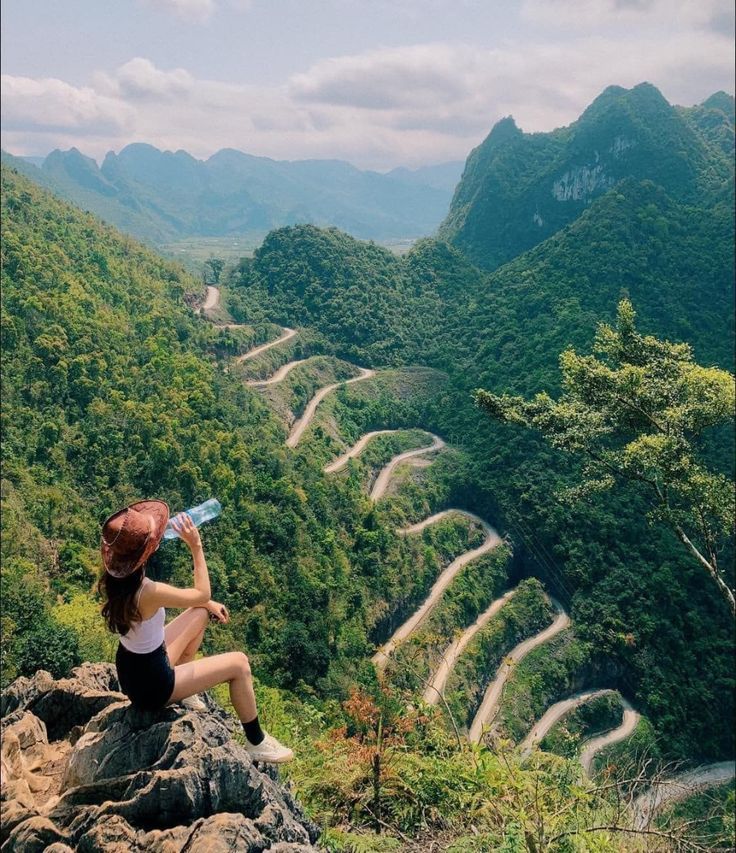
The Ha Giang Loop is mostly paved but narrow, steep and full of hairpin bends. Road condition guides highlight potential hazards like fog, landslides and unexpected animals or trucks on corners.
If you’re not confident on a motorbike, having a professional driver handle these roads drastically reduces stress and risk. It’s especially suitable for:
-
Families with kids
-
Older travelers
-
People with no prior motorbike experience
3. More flexibility for groups and luggage
Private cars from Hanoi to Ha Giang are available as sedans, 7-seaters and 16-seater vans, so you can match the vehicle to your group size and luggage.
You can also customize:
-
Departure times
-
Photo stops
-
Detours to less-visited villages or viewpoints
Getting from Hanoi to Ha Giang by private car
The first step in traveling Ha Giang by private car is the transfer from Hanoi.
-
Distance: roughly 300 km
-
Travel time: about 5–6 hours via expressways, depending on traffic and rest stops
Private car services usually include:
-
Door-to-door pick-up in Hanoi
-
Fuel, tolls and parking
-
English-speaking driver (with reputable companies)
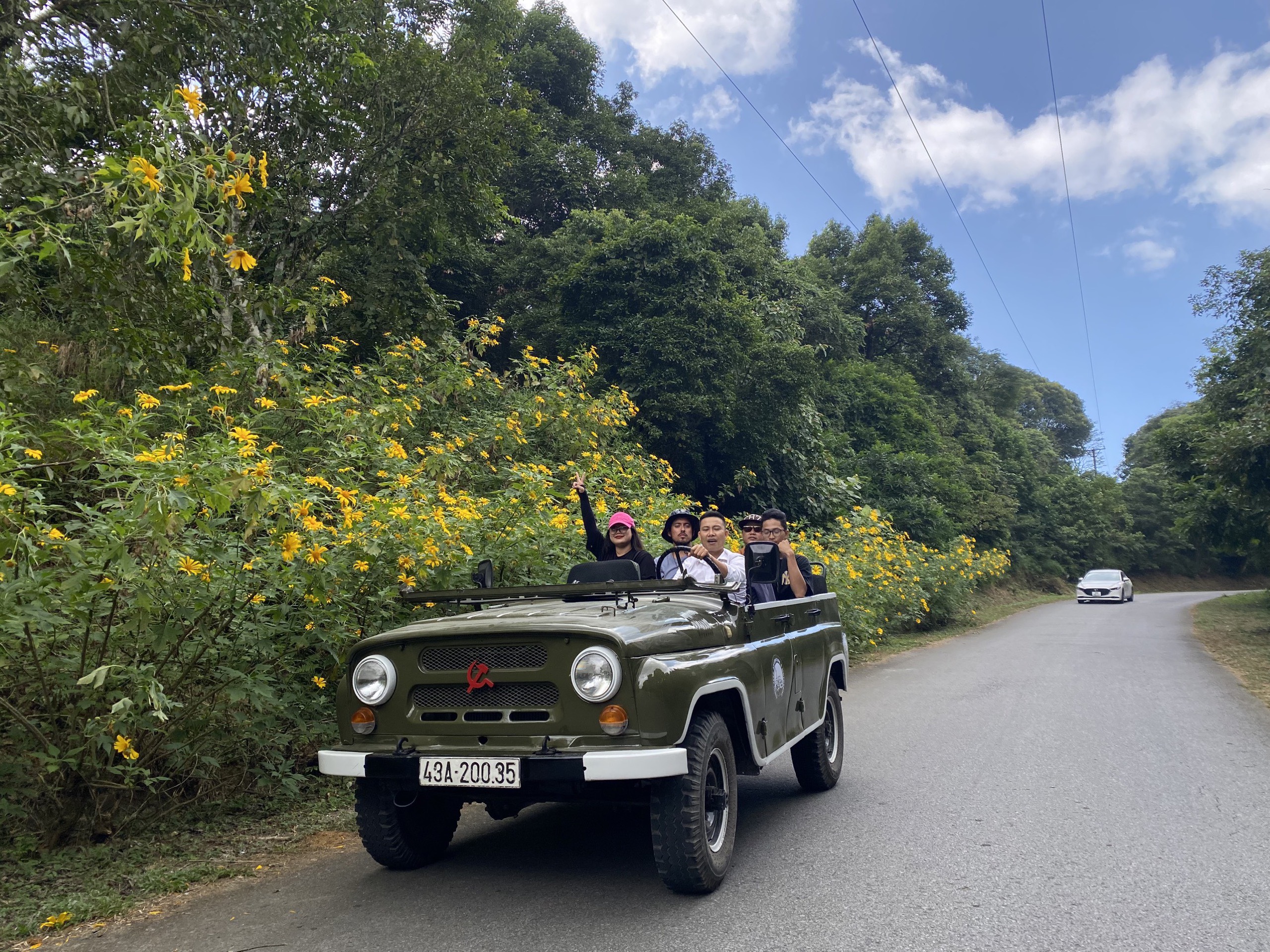
You can either:
-
Book a one-way transfer Hanoi → Ha Giang City, then start a separate local car tour around the Loop, or
-
Arrange a complete package, where the same car and driver take you from Hanoi through the entire Loop and back.
Road conditions and safety for private cars
Recent road-condition guides describe the Ha Giang Loop as mostly paved but challenging: narrow lanes, blind corners, steep ascents/descents and changing surfaces, especially near construction or after heavy rain.
The good news:
-
Cars are considered suitable for the main Loop sections (Ha Giang City – Quan Ba – Yen Minh – Dong Van – Ma Pi Leng – Meo Vac – Du Gia).
-
A local driver knows where to slow down, where rockfall is common and how to handle tight passes.
Still, keep in mind:
-
Travel in daylight hours wherever possible.
-
In the rainy season (May–September), be prepared for occasional delays due to storms or localized flooding.
-
Check recent road updates before you go, especially after big weather events.
Suggested 4-day itinerary: Traveling Ha Giang by private car
You can adjust this plan, but a 4-day route works very well if you’re exploring Ha Giang by private car.
Day 1 – Hanoi → Ha Giang City
-
Morning pick-up in Hanoi, drive 5–6 hours to Ha Giang City.
-
Check into a hotel or homestay, rest and have dinner.
-
Brief with your driver or guide about the upcoming Loop days.
Day 2 – Ha Giang City → Quan Ba → Yen Minh → Dong Van
-
Stop at Quan Ba Heaven Gate for panoramic views of the Twin Mountains and Tam Son valley.
-
Continue through Yen Minh’s pine forests and Hmong villages.
-
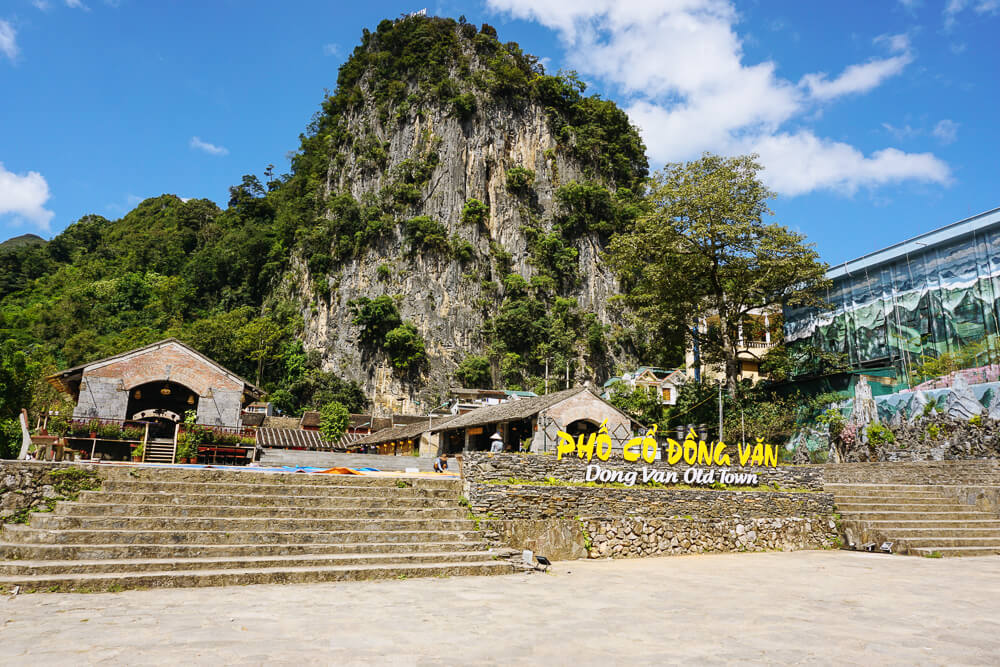
Reach Dong Van, explore the Old Quarter and, if it’s the right day, visit the local market.
Overnight in a Dong Van guesthouse or traditional homestay.
Day 3 – Dong Van → Ma Pi Leng Pass → Nho Que River → Meo Vac / Du Gia
-
Drive through the heart of the Dong Van Karst Plateau Global Geopark, stopping at viewpoints.
-
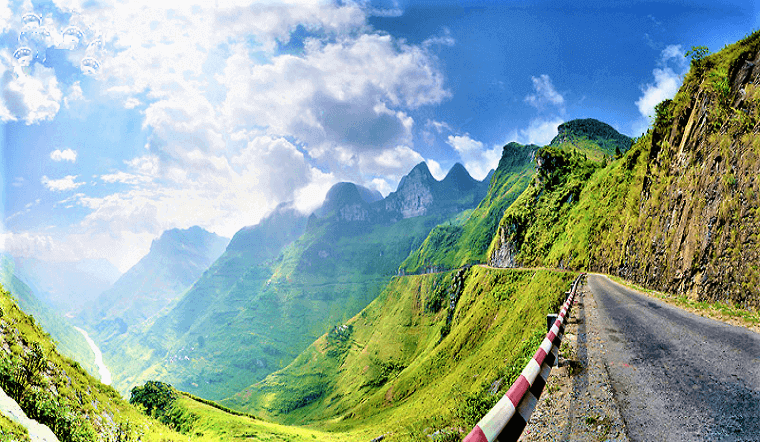
Cross Ma Pi Leng Pass, one of Vietnam’s most stunning mountain roads, with safe photo stops along the way.
-
Go down to the Nho Que River for a short boat trip through Tu San Canyon if weather allows.
-
Continue to Meo Vac or detour to Du Gia for a quieter village experience.
Overnight in a homestay, enjoying local food and culture.
Day 4 – Meo Vac / Du Gia → Ha Giang City → Hanoi
-
Drive back via different valleys if time and road conditions allow.
-
Late afternoon / evening transfer back to Hanoi, or stay an extra night in Ha Giang City if you prefer a slower pace.
This itinerary gives you major highlights with reasonable daily driving hours and plenty of scenic and cultural stops.
Choosing the right private car and driver
When traveling Ha Giang by private car, the quality of your driver matters almost as much as the car itself.
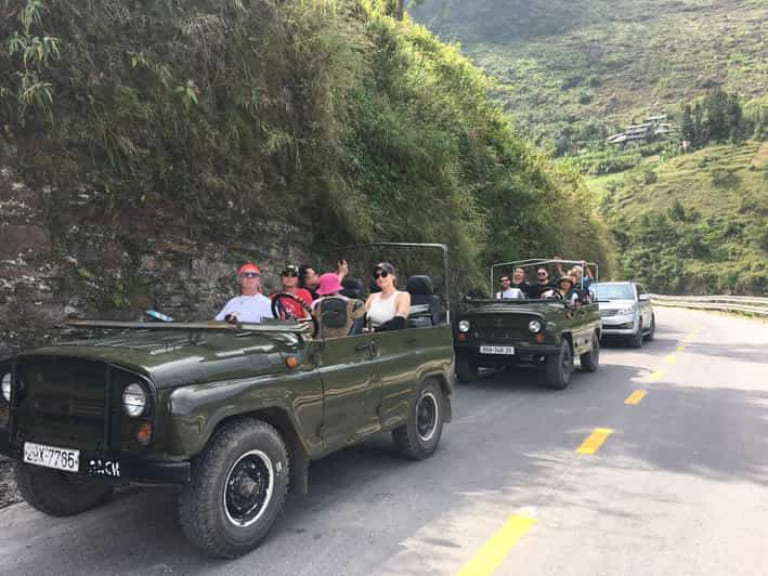
Vehicle types
Based on typical private-car services between Hanoi and Ha Giang, you’ll usually choose between:
-
Sedan (3 passengers) – best for solo travelers, couples or small groups with light luggage
-
7-seater SUV / MPV – comfortable for 3–5 people with more luggage
-
9–16 seat van – suitable for larger groups or families
Make sure the vehicle:
-
Is in good condition (brakes, tires, seatbelts)
-
Has working air-conditioning/heating
-
Offers enough luggage space to avoid overcrowding
Driver considerations
Look for:
-
A licensed, experienced mountain driver
-
Basic English, or a separate English-speaking guide if you want deeper explanations
-
Good reviews or recommendation from a trusted agency
Many Ha Giang car tours emphasize comfort, safety and cultural stops rather than just “driving through”, which is ideal if you want a richer experience.
Best time to travel Ha Giang by private car
You can travel Ha Giang year-round, but conditions differ:
-
October – April (dry season):
-
Generally seen as the best time, with more stable road conditions and less mud.
-
October–November: buckwheat flower season, clear views.
-
January–March: cooler weather, possible frost at high altitude.
-
-
May – September (rainy season):
-
Lush green scenery, but more rain and the possibility of landslides or temporary flooding on some sections of the Loop.
-
Traveling Ha Giang by private car in the rainy months is still possible, but keep your schedule flexible and rely on your driver’s advice about daily conditions.

Practical tips for traveling Ha Giang by private car
To make your trip smoother:
-
Pack layers: even inside a car, you’ll be in and out for viewpoints and walks in changing temperatures.
-
Bring motion sickness tablets if you’re sensitive – the roads are very winding.
-
Download offline maps for Ha Giang province and keep your phone charged, even if the driver handles navigation.
-
Carry enough cash for small markets and villages; ATMs are mostly in Ha Giang City and a few larger towns.
-
Respect local culture: dress modestly in villages, ask before taking close-up photos and support community-run homestays and eateries where possible.
Final thoughts
For many visitors, traveling Ha Giang by private car is the perfect balance between adventure and comfort. You still get the hairpin bends, wild valleys and high passes of the Ha Giang Loop, but without having to focus on riding a motorbike on challenging roads.
With a good driver, flexible itinerary and a bit of preparation, you can sit back, watch the scenery change outside your window and step out only when you’re ready to take in another unforgettable view of Vietnam’s northern mountains.
Ready to plan, get a price, or just ask questions?
👉 Call/WhatsApp The Loop Tours — Hotline: +84862443320