


If you’re planning a trip to Cao Bang and want something beyond waterfalls and scenic viewpoints, the Phuc Sen forging village knife making workshop experience is a memorable cultural stop. Phuc Sen is known for traditional blacksmithing, where local families craft knives and farming tools using time-tested methods: roaring charcoal fires, rhythmic hammer strikes, and blades shaped by hand. Visiting the village lets you witness a living craft culture - and if you arrange it, you can even try a simple hands-on forging session under a blacksmith’s guidance.
This article shares exactly what to expect, how the workshop works, what to buy, and the best tips to enjoy your visit safely and respectfully.
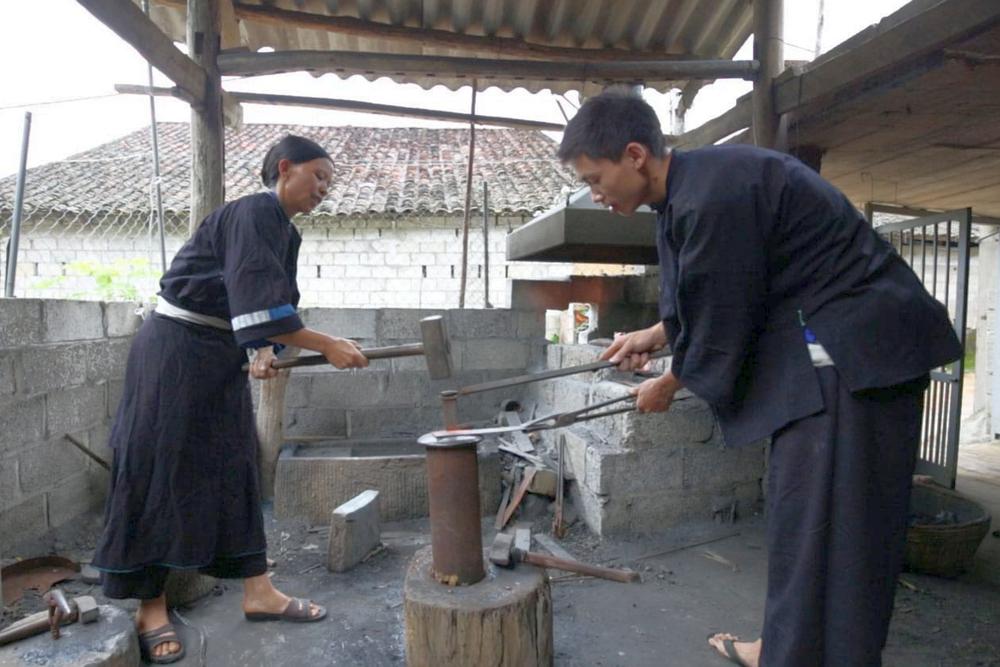
Why Phuc Sen is famous for knife making
Phuc Sen’s reputation comes from craftsmanship and practicality. The knives and tools made here aren’t souvenir-only items - they’re designed for everyday use. Many workshops are family-run, with skills passed down through generations. You’ll see a highly coordinated process: one person manages the heat, another hammers the steel, someone else grinds and sharpens. The end result is a blade that feels solid in the hand, sharp, and made to last.
For travelers, it’s also a rare chance to observe traditional metalwork in a real working environment - not a staged performance. That authenticity is what makes Phuc Sen worth adding to your Cao Bang itinerary.
What happens in a Phuc Sen forging village knife making workshop?
A “workshop” in Phuc Sen can mean two things: watching the forging process or joining a short hands-on session. Because the village consists of many small forges, there isn’t always a single fixed class schedule like a formal craft school. Experiences vary by household and by how busy the forge is on the day you visit.
Watching the traditional forging process
Most visitors start by observing how a blade is made. The typical steps include:
-
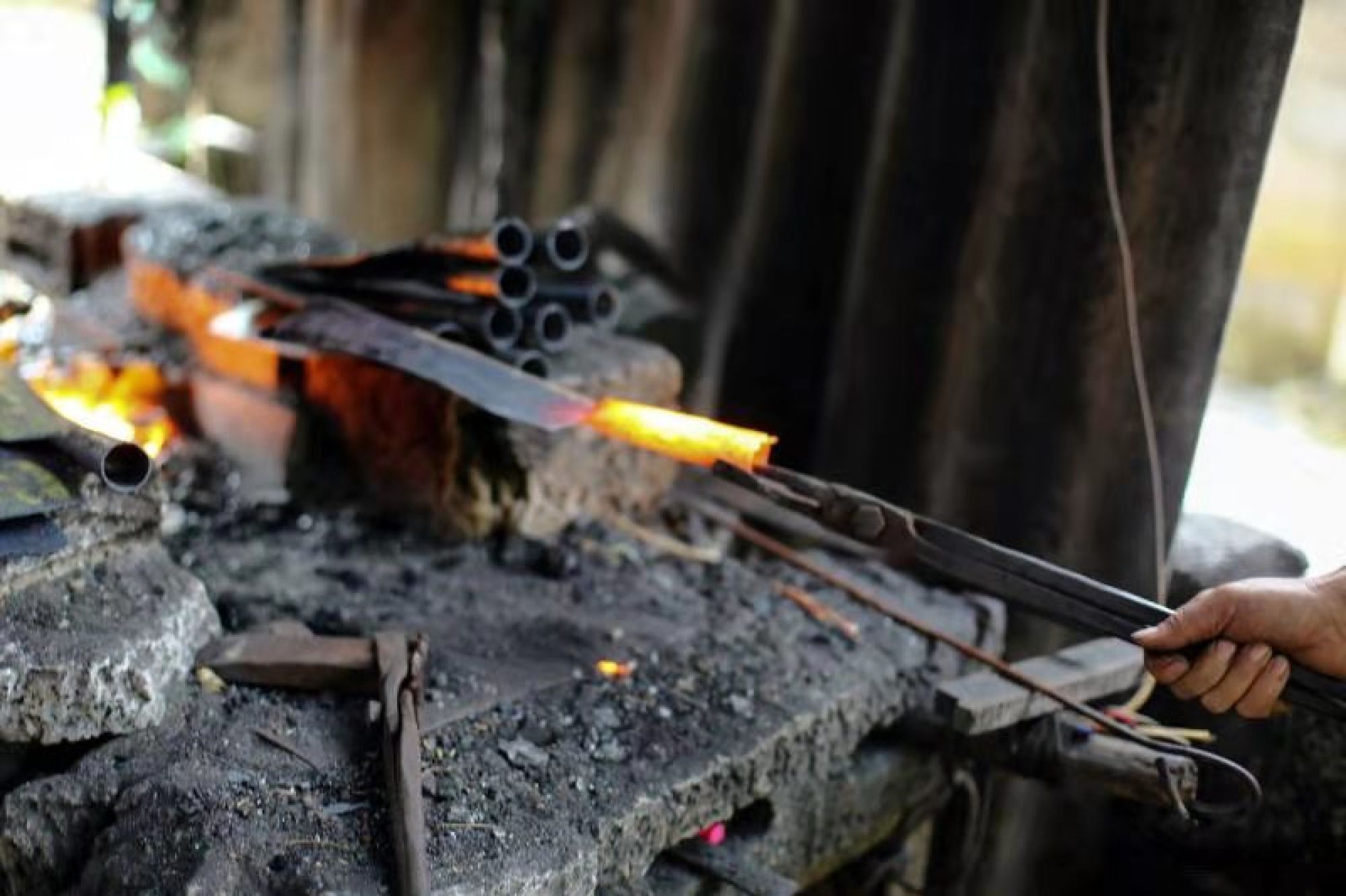
Heating the steel in a charcoal forge until it glows
-
Hammering and shaping the blade profile on an anvil
-
Hardening (quenching) by cooling the hot metal at the right moment
-
Grinding and refining the shape and bevel
-
Sharpening and finishing, sometimes adding a handle depending on the tool
Even if you don’t participate, watching this process is fascinating. The work is physical, loud, and precise - and the blacksmiths rely on experience to judge heat levels, timing, and shape.
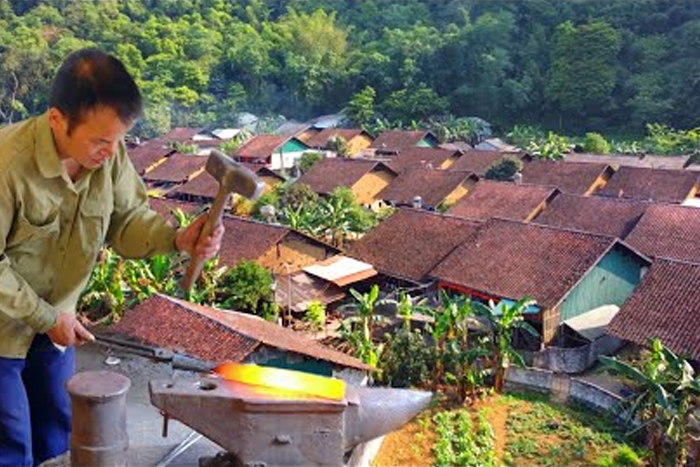
Hands-on “try forging” experience (if arranged)
If you want the full Phuc Sen forging village knife making workshop experience, you can sometimes arrange a simple hands-on session. Typically, visitors are allowed to try one safe, guided step - often hammering for a few minutes - to feel the weight and technique. In some cases, you may help shape a small piece or basic blade blank. A full chef’s knife from start to finish usually takes longer than most traveler sessions allow, so experiences are commonly shorter and focused.
Because a forge is a high-heat environment with sharp tools, hands-on participation is usually supervised closely. Think of it as a cultural and skill “taste,” not an intensive multi-day course.
Best time to visit and how to plan your stop
To see workshops actively working, visit in the morning to early afternoon. This is when many forges are busiest and you’ll have the best chance to watch the full cycle: heat → hammer → quench → grind.
If you’re hoping to do a hands-on session, the easiest ways to arrange it are:
-
Ask your homestay or hotel in Cao Bang to contact a workshop in advance
-
Go with a local driver/guide who knows which forges welcome visitors
-
Keep your plan flexible, since workshops may be busy with orders or family schedules
A typical visit lasts 1–2 hours, which is perfect for combining with nearby stops on a Cao Bang loop.
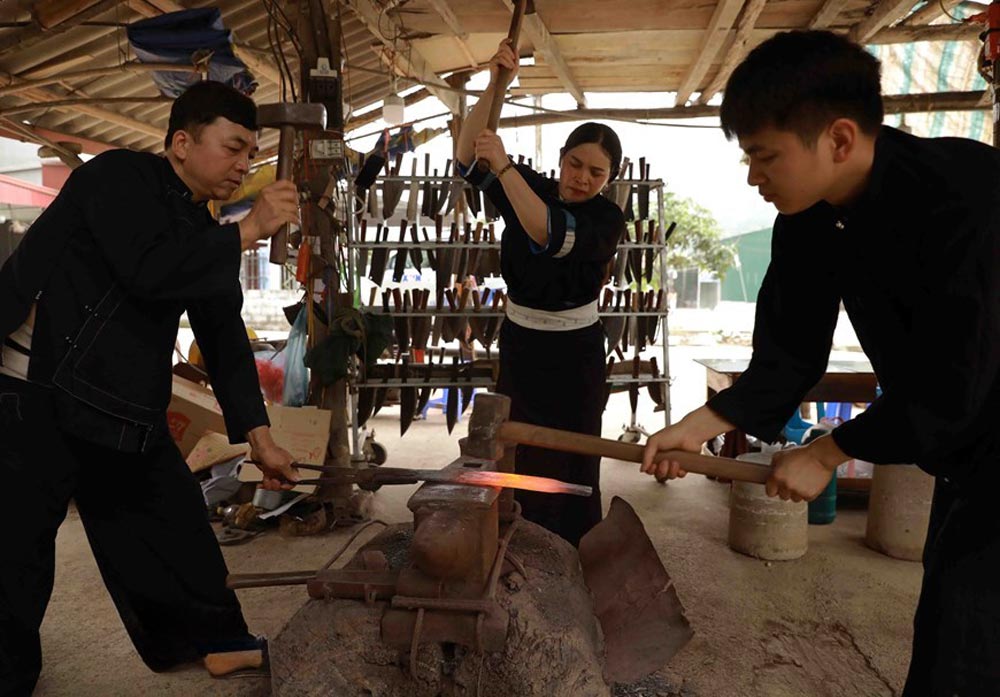
What to buy in Phuc Sen: knives, tools, and smart shopping tips
Many travelers choose to buy a knife directly from a forge - both as a functional item and as a meaningful souvenir. Common purchases include:
-
Kitchen knives (slicing, chopping, all-purpose)
-
Outdoor or utility knives
-
Farming tools like sickles, small axes, or hoes
How to choose a good knife:
-
Hold it and check if it feels balanced and comfortable
-
Look along the blade to see if the line is straight and symmetrical
-
Ask what the knife is best for - different tasks need different thicknesses
-
Ask about maintenance: some handmade blades can rust if left wet, so drying after use matters
If you’re flying home, pack the knife securely and put it in checked luggage.
Safety and etiquette inside a working forge
A real forge is not a museum - sparks fly, metal heats to extreme temperatures, and tools are heavy. To visit comfortably:
-
Wear closed-toe shoes and avoid loose clothing
-
Keep a safe distance unless invited closer
-
Don’t touch tools or blades without permission
-
Ask before taking close-up photos or filming
-
Follow instructions carefully if you try hammering
Respect goes a long way - this is someone’s workplace and livelihood.
Suggested mini-itinerary (simple and effective)
If you want a quick, high-impact visit:
-
Arrive in the morning and walk through several forges
-
Watch forging and grinding in action
-
Arrange a short “try forging” moment if available
-
Buy one practical item (a small kitchen knife or utility knife)
-
Continue your day toward Cao Bang’s scenic highlights
Final thoughts
The Phuc Sen forging village knife making workshop is one of the most authentic cultural experiences you can add to a Cao Bang trip. You’ll witness traditional craftsmanship up close, learn how knives are shaped from glowing steel, and - if you plan it right - try a hands-on forging step guided by skilled local blacksmiths. Whether you leave with a new knife or simply the memory of fire, steel, and hammer rhythm, Phuc Sen offers a powerful glimpse into Vietnam’s living craft heritage.
Ready to plan, get a price, or just ask questions?
.👉 Call/WhatsApp The Loop Tours - Hotline: +84862443320