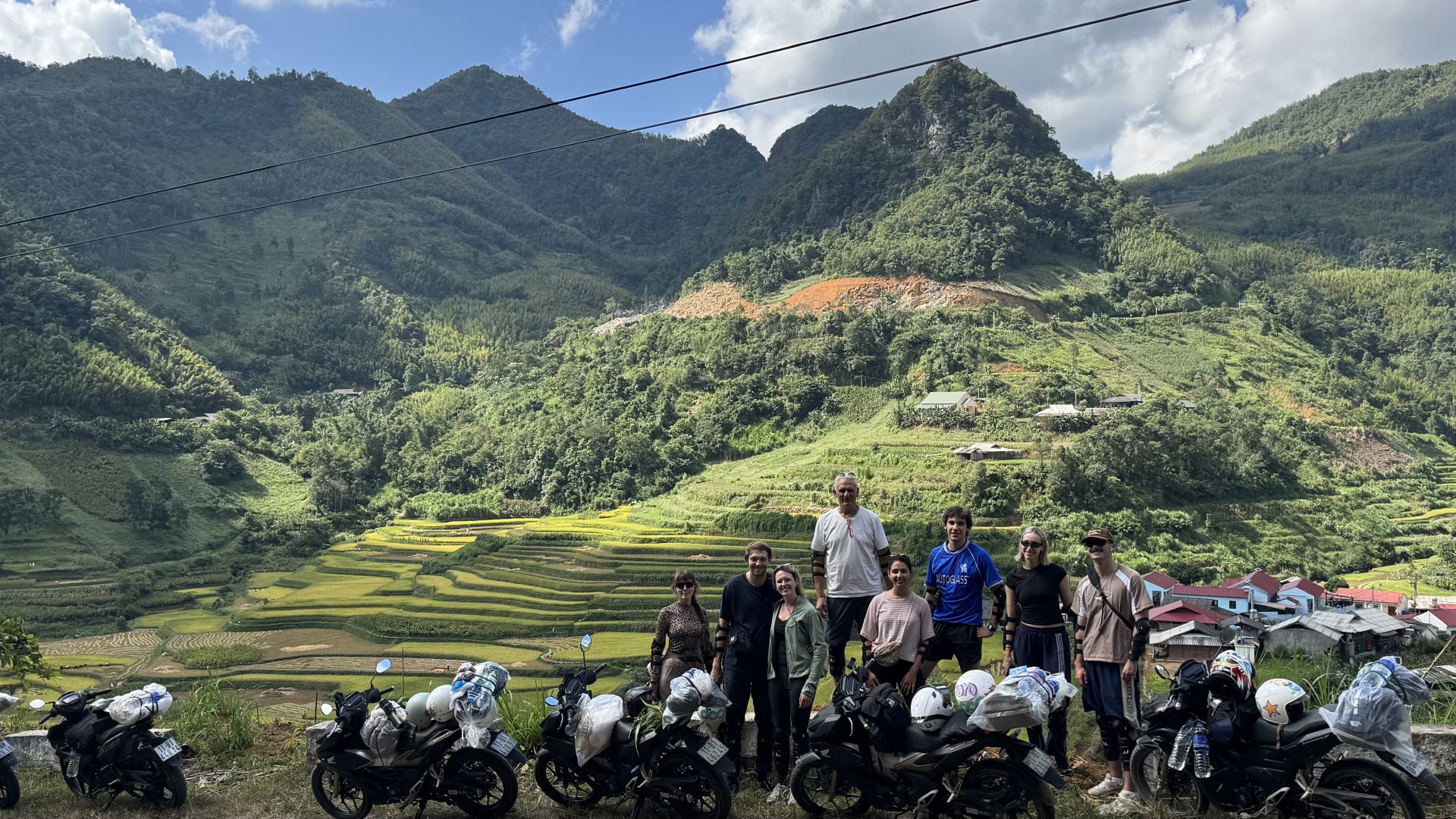


At Loop Tours Vietnam, we know that the weather in the Ha Giang Loop Tour is more than just a forecast - it is a character in your story. The mountains of Ha Giang don't follow the simple "wet and dry" rules of Southern Vietnam. Instead, they shift through four distinct seasons, each offering a completely different riding experience.
If you’re looking for the "perfect" time to ride, the truth is that every season has its own brand of magic. But you’ve got to know what you’re signing up for. Whether you’re a sun-seeker or a cloud-hunter, here is the breakdown of what to expect when you head into the Northern frontier.
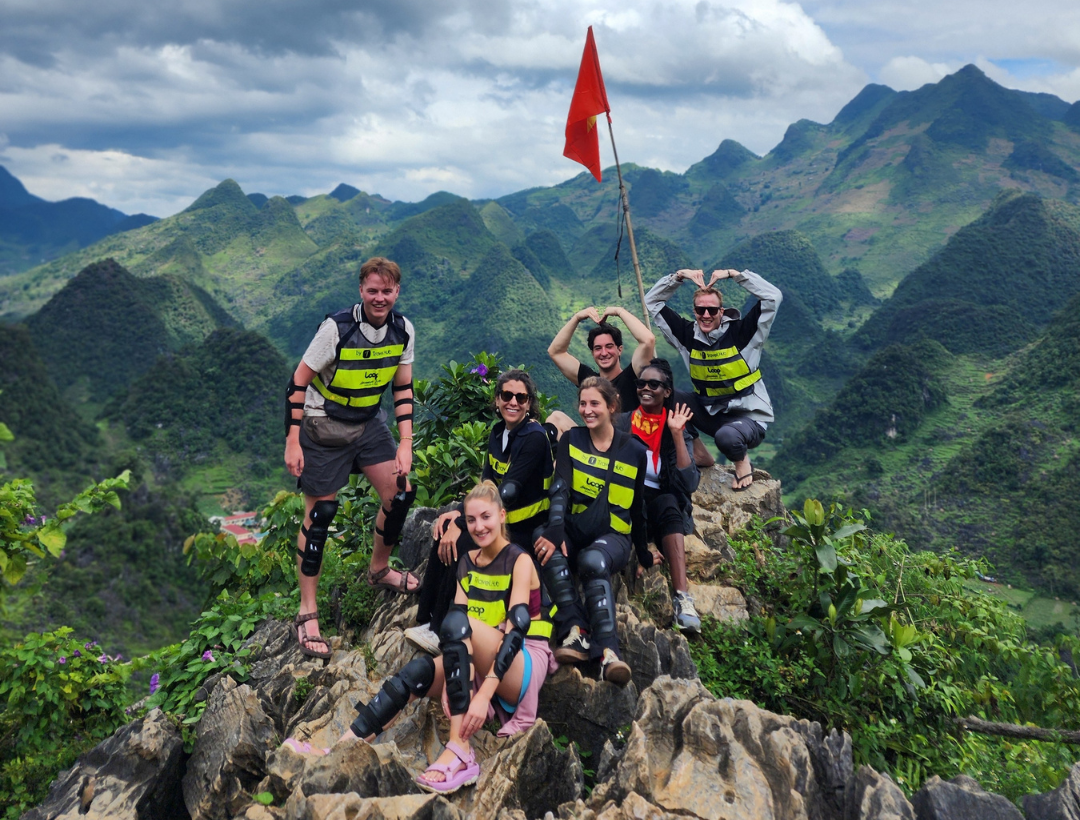
The Dry Season: The Prime Window (October - March)
For the majority of riders, the dry season is the undisputed king. This six-month window offers the most stable road conditions, the grippiest asphalt, and the clearest views of the Nho Que River snaking through the canyons.
Autumn: The Golden Harvest (September - November)
If Ha Giang Loop Tour has a "peak" moment, this is it. By late September, the summer rains fade, leaving the air crisp and the sky a deep, piercing blue. This is the season that fills travel brochures, but experiencing it firsthand is something else entirely.
-
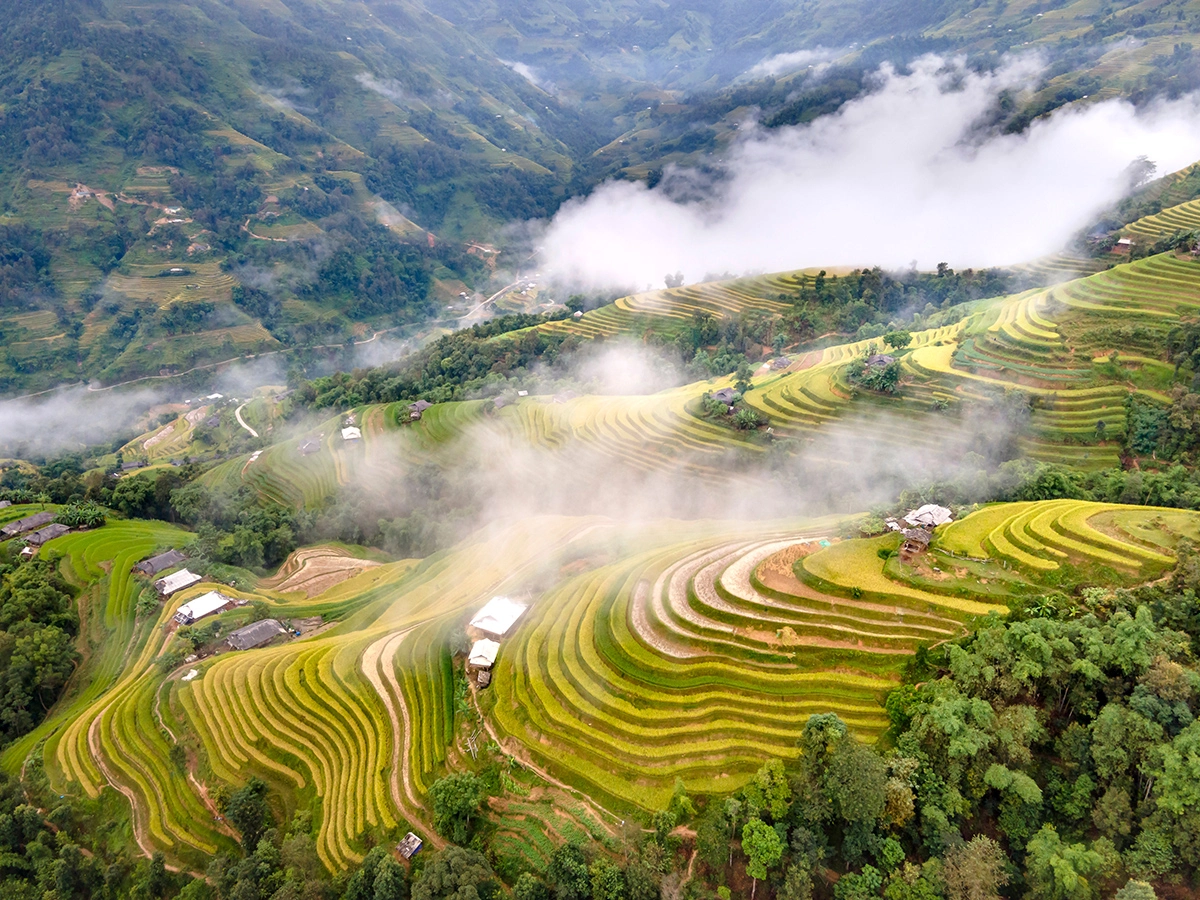
The Highlight: This is harvest season. The terraced rice fields and the valleys along the Ha Giang Loop Tour turn a brilliant, glowing gold. The smell of sun-dried rice stalks fills the air, and the entire landscape feels like it’s vibrating with color.
-
The Buckwheat Bloom: Toward late October, the famous Buckwheat flowers begin to carpet the limestone slopes in shades of white, pink, and purple.
-
Backpacker Tip: October is the most popular month for a reason, but it can get crowded. If you want the views without the traffic, aim for early November. The weather remains stable, but the bulk of the "check-in" crowds have headed home.
Winter: The Deep Chill (December - February)
Winter in Ha Giang is for the ones who don't mind a bit of grit. It’s dry, which is great for the roads, but the cold is no joke. We’ve seen plenty of riders show up in just a hoodie and regret it by the first pass.
-
The Atmosphere: This is the season of the "Cloud Sea." You’ll wake up in a thick, white fog, but as you climb higher, you’ll suddenly punch through the clouds into bright sunshine. Looking down at a carpet of white with only the mountain peaks poking through is a feeling you won’t forget.
-
The Reality Check: Temperatures can drop to 5°C at night. You’ll be wearing every layer you own, and that hot bowl of Pho in the morning will feel like a gift from the gods.
-
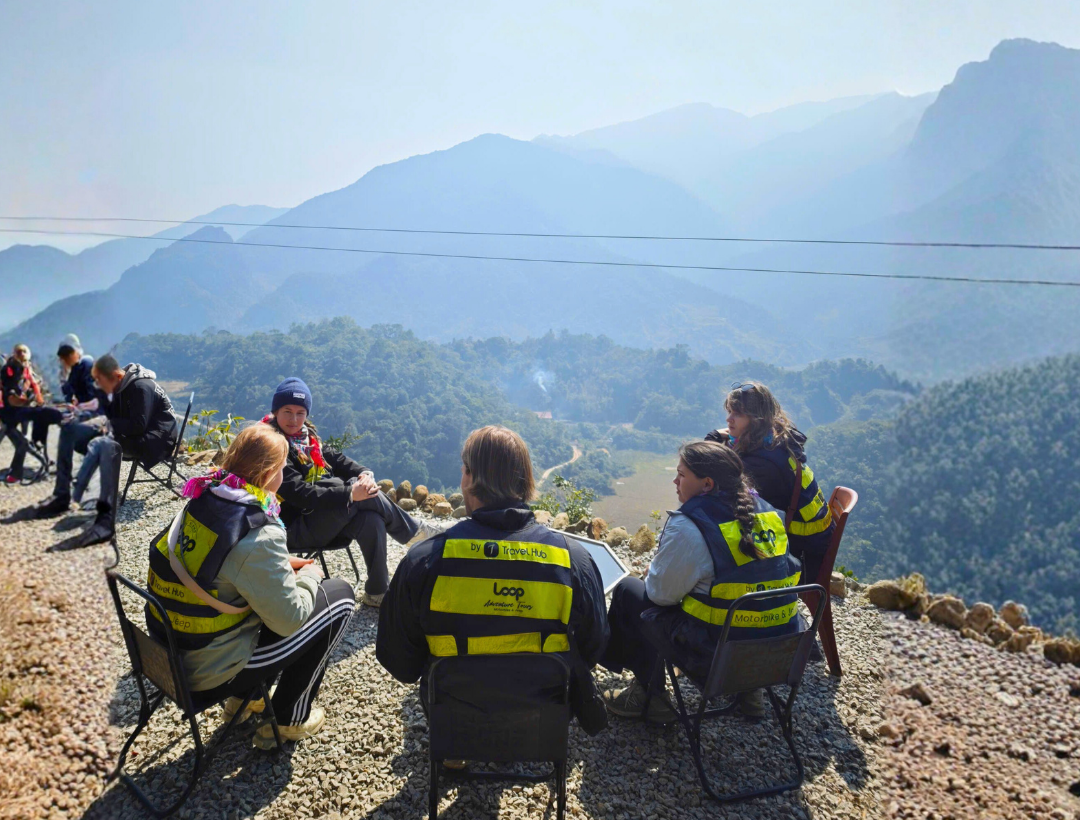
Backpacker Tip: This is the best time to bond with your crew. Since it’s cold outside, everyone huddles around the hearth in the homestays, sharing stories and staying warm. It’s the most social time to ride.
Spring: The Blossom Window (March - April)
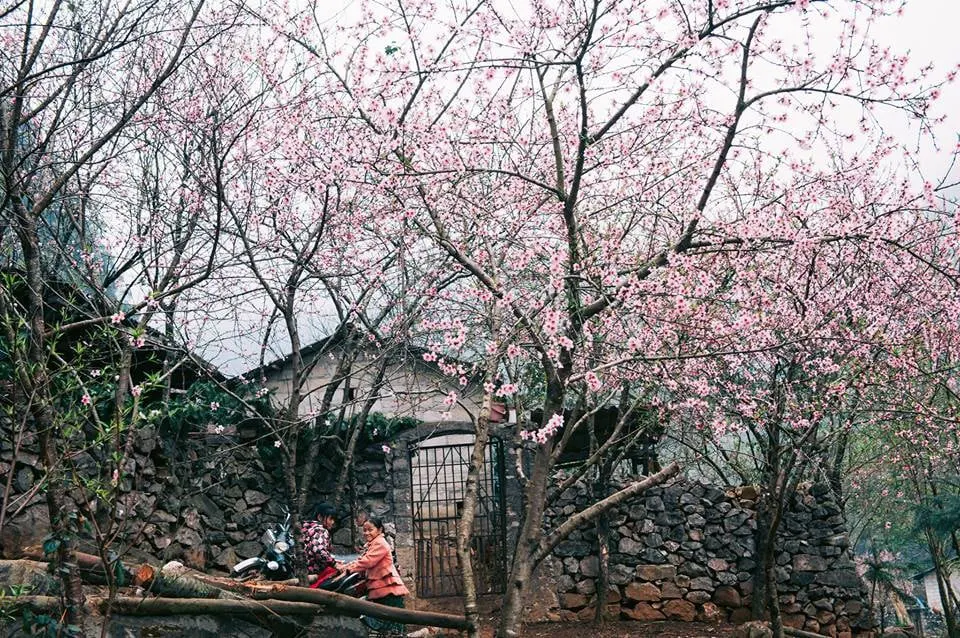
Right now, in March 2026, we are in the sweet spot. The winter freeze is over, and the highlands are literally exploding with life.
-
The Colors: Peach and plum blossoms usually appear from late January through early March. It’s a fleeting window that turns the "Stone Plateau" into something that looks like a painting.
-
The Riding: The temperatures are perfect - usually between 18°C and 25°C. You aren't sweating through your gear, and you aren't freezing your hands off.
-
Backpacker Tip: Keep an eye out for "March Madness" showers. They aren't the heavy monsoons of summer, but they can be sudden. We always keep our rain shells in the outer pocket of our bags this time of year.
The Rainy Season: The Green Monsoon (May - September)
From May onwards, the southwest monsoon arrives. This is the "Green Season," where the mountains transform into a vibrant, almost neon emerald. While the rain brings challenges, it also brings a version of Ha Giang that most tourists never see.
Summer: The Wild & Lush One (June - August)
Summer is hot, humid, and unpredictable. It’s the "Green Season," where the waterfalls are roaring and the rice paddies are filled with water, acting like giant mirrors for the sky.
-
The Landscape: This is the "Mirror Season" (May/June). The flooded paddies reflect the clouds and the peaks, creating some of the most trippy, beautiful landscapes you’ll ever see.
-
The Challenge: You will get wet. The afternoon thunderstorms are intense. We usually tell our groups to start as early as possible - around 8:30 AM - so we can crush most of the miles before the daily 3:00 PM downpour hits.
-
Backpacker Tip: Don't fight the rain. If it starts dumping, find a roadside coffee stall, grab a "Cafe Sua Da," and wait it out with the locals. It’s part of the experience.
Navigating the "Four Seasons in a Day"
One of the biggest lessons we’ve learned from riding these roads is that a forecast is just a suggestion. Because the elevation jumps so much, the weather changes by the kilometer.
Reading the Highland Sky
-
The Mist: If you see "wet fog" sitting on the ridges, don't just rely on your rain jacket. It’s a fine mist that gets everywhere. Wear your buff over your face and keep your visor slightly cracked to prevent fogging.
-
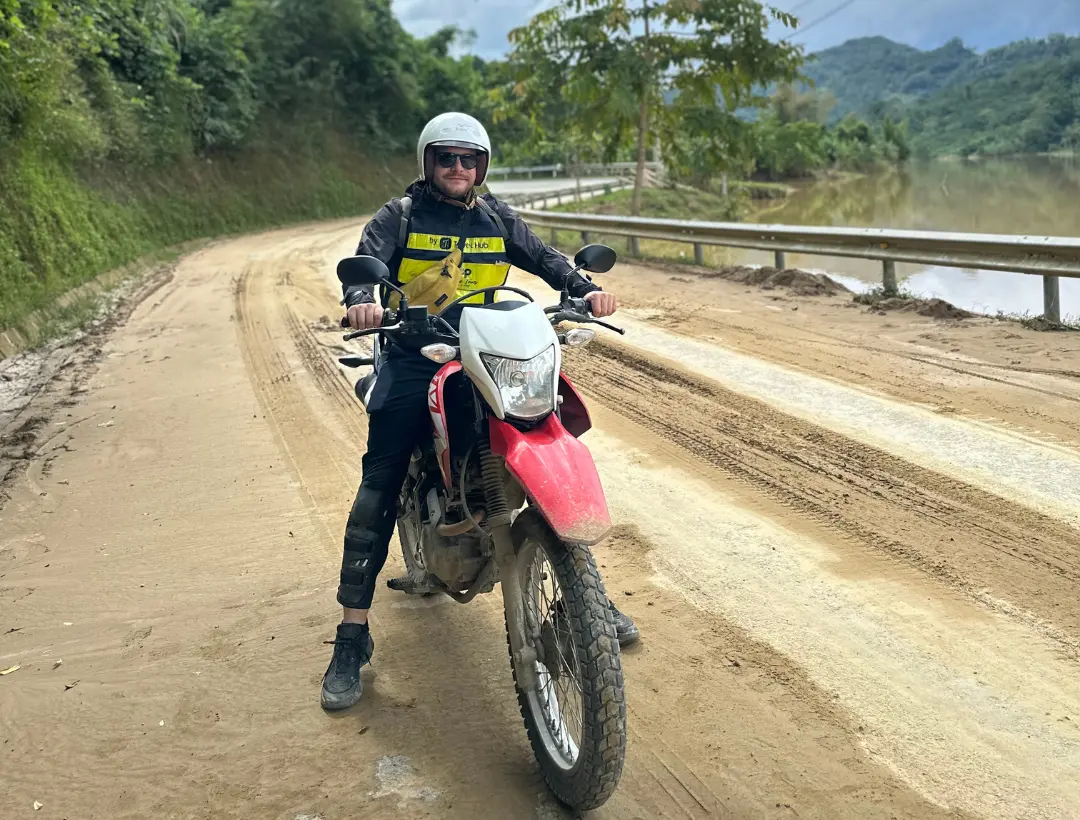
The Slick Karst: After a light rain, the dust on the limestone roads turns into a thin, oily mud. It’s incredibly slippery. We always tell newbies to cut their speed in half—there’s no prize for being the fastest guy on a wet mountain road.
-
Trust Your Gut, Not Your Phone: Most weather apps check the weather at the Ha Giang city center. They have no idea what’s happening up at 1,500 meters in Dong Van. If the sky looks dark ahead, prepare for rain, no matter what your phone says.
Master Tips: Why "Bad" Weather Can Be Your Best Friend
We’ve had some of our best trips when the forecast looked terrible. Why? Because the weather creates drama.
-
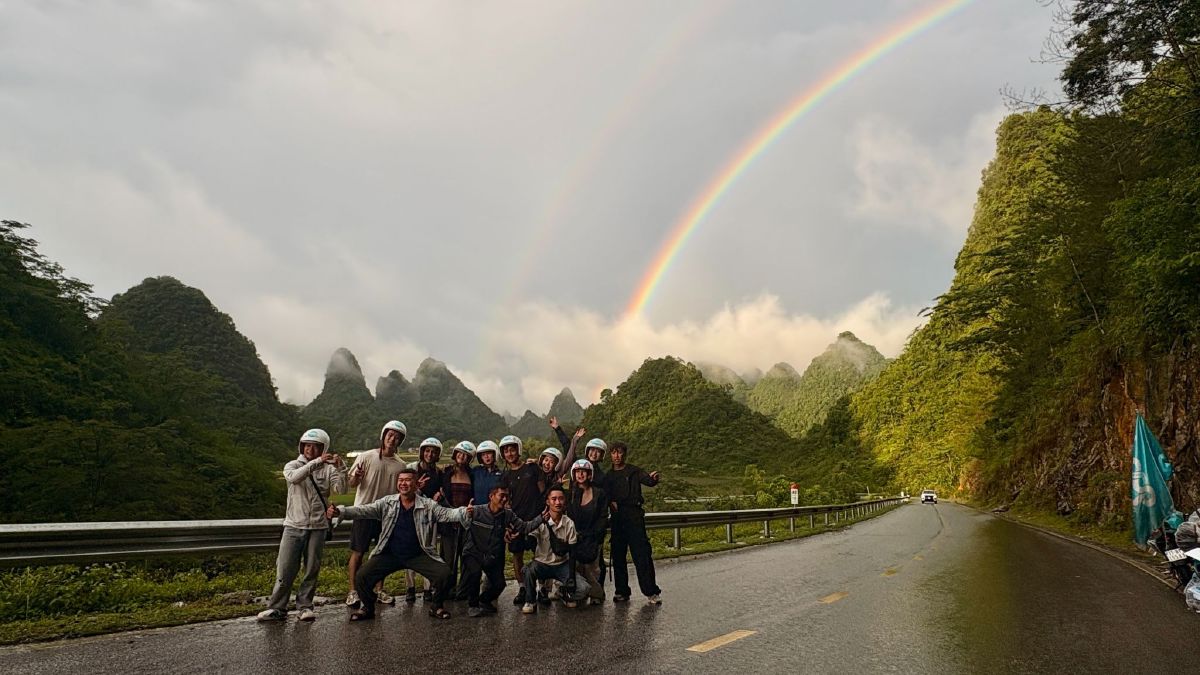
Photography Gold: A perfectly clear blue sky is actually quite boring for photos. The best shots happen right after a storm when the clouds are breaking apart and the light hits the wet limestone.
-
The Mystique: There is something incredibly spiritual about riding through a quiet, misty forest in the morning, hearing only the sound of your engine and the occasional cow bell in the distance.
-
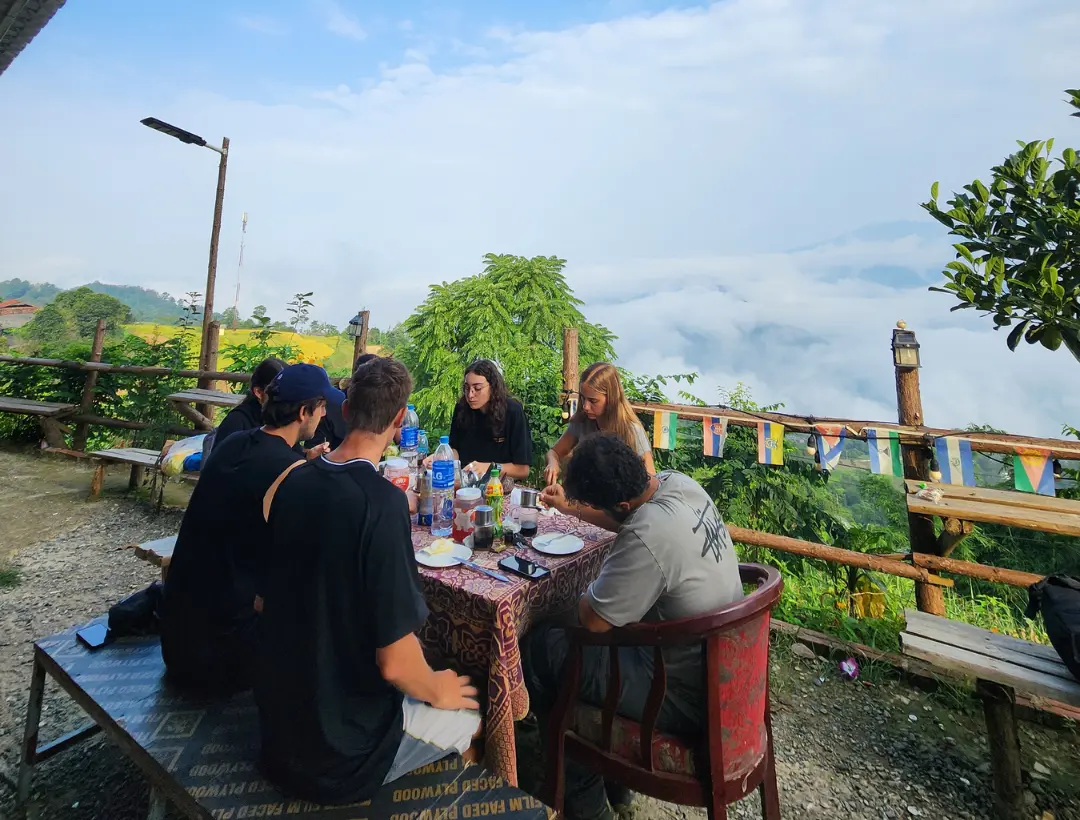
The Homestay Reward: Nothing beats the feeling of arriving at a warm Tay homestay after a wet ride, changing into dry clothes, and sitting down to a steaming communal dinner and a few rounds of "Happy Water."
Month-by-Month Cheat Sheet for the Expert Rider
To help you plan, we’ve broken down the year into its core riding personalities:
-
January & February: Cold, misty, and quiet. Great for those who like a moody, "End of the World" vibe.
-
March & April: The Sweet Spot. Moderate temps, blooming flowers, and high visibility.
-
May & June: The Mirror Season. Rice fields are flooded with water, creating epic reflections.
-
July & August: The Green Peak. Lush forests and powerful waterfalls, but requires rain-riding skills.
-
September: The Transition. The heat eases, and the rice begins to turn from green to yellow.
-
October & November: The King. Perfectly dry roads and golden horizons.
-
December: The Start of the Deep Chill. Clear skies but very low temperatures.
Final Thoughts: The Mountain is the Boss
At Loop Tours Vietnam, we tell all our riders the same thing: Respect the mountain. The weather here is uncontrollable, and that is part of the magic. Whether you are chasing the spring blossoms of March or the golden rice of October, the key is to be prepared.
Don't spend your morning obsessing over the weather app - the forecast in Ha Giang is more of a suggestion than a rule. Pack your layers, check your tires, and embrace whatever the sky decides to give you. Every type of weather on the Loop has its own beauty, provided you have the right gear and the right mindset.