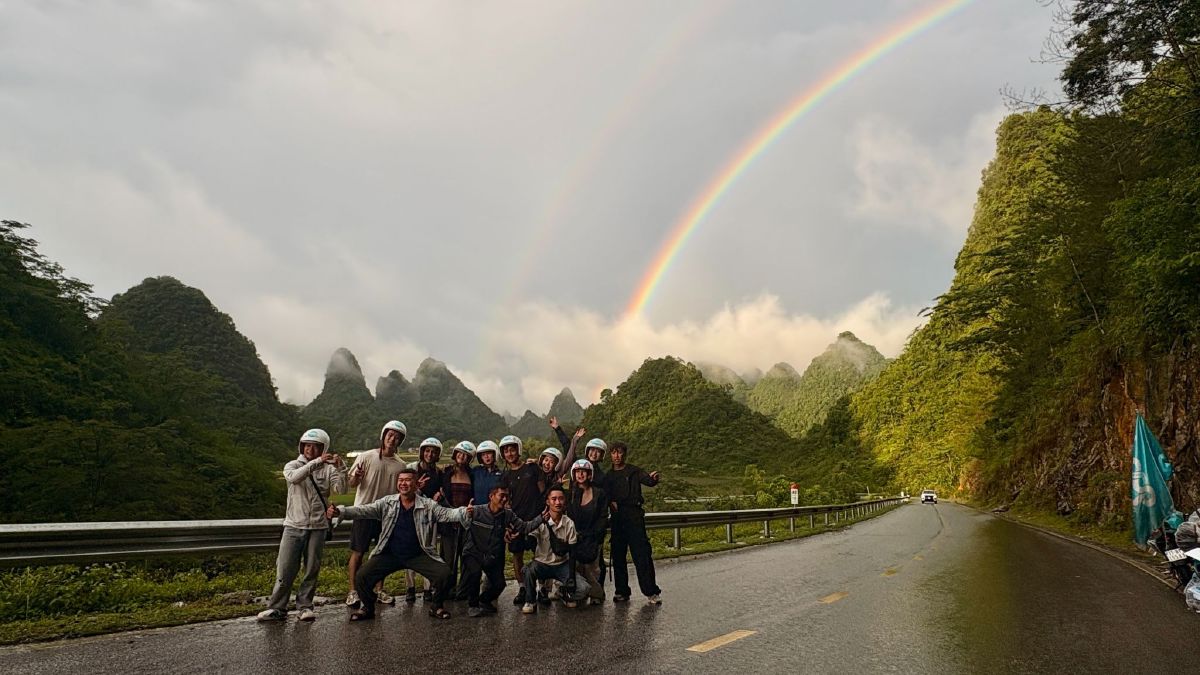


Planning a trek or a nature escape in Cao Bang? Understanding Phia Oac weather by month is the easiest way to choose the best season for misty forests, clear viewpoints, and safe road conditions. Phia Oac (in Nguyen Binh District, Cao Bang Province) sits at high elevation-around 1,900m at the peak-so the climate here feels much cooler than most of Vietnam. It can be foggy, windy, and surprisingly cold, especially from late autumn to early spring.
This guide breaks down Phia Oac weather by month with realistic expectations: temperature feel, rainfall patterns, visibility, and what each month is best for-trekking, photography, or simply enjoying a quiet mountain retreat.
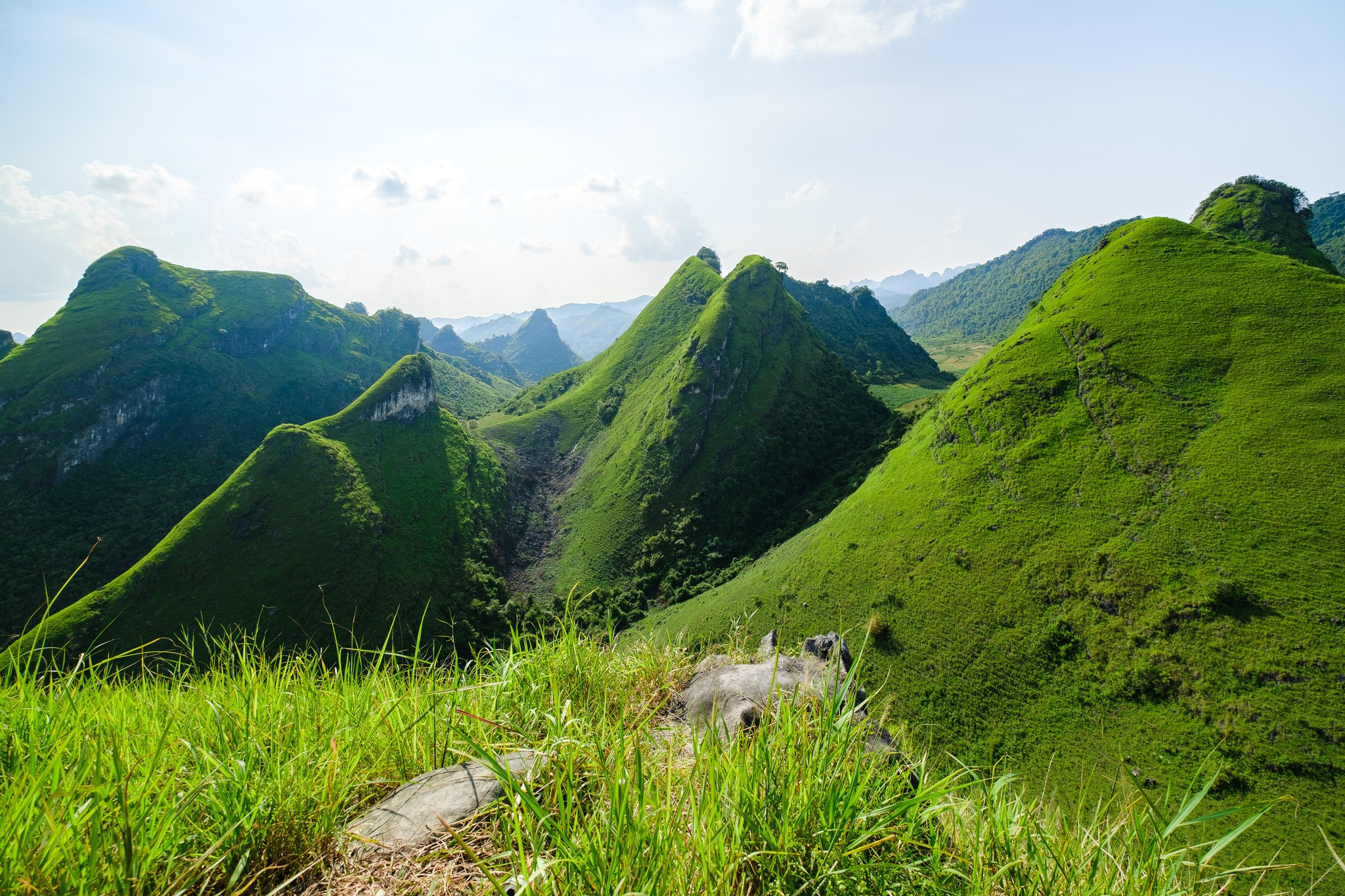
Perfect Tours for You:
Quick Climate Snapshot: Why Phia Oac Feels Different
Before diving into Phia Oac weather by month, here’s what makes the area unique:
-
Higher altitude = lower temperatures year-round
-
Frequent fog and cloud cover, especially in winter
-
Rainy season (late spring–summer) can make trails slippery
-
Wind chill near the summit can feel colder than the actual temperature
Even on a sunny day in Cao Bang City, Phia Oac can be cold and misty. Always pack layers.
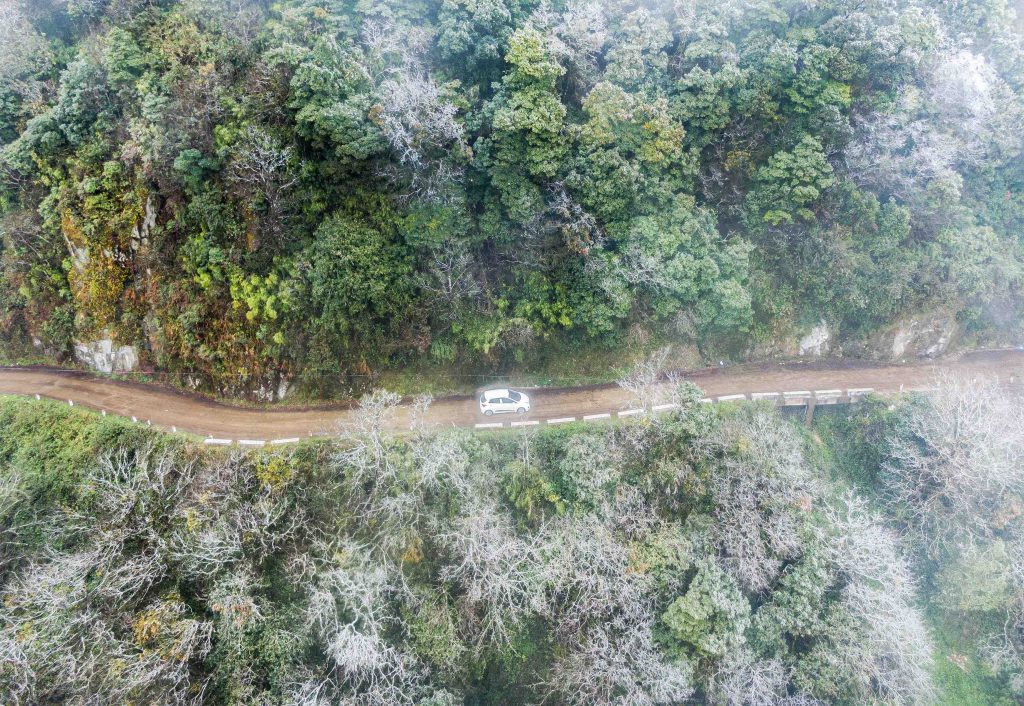
Phia Oac Weather by Month: Detailed Breakdown
January: Cold, foggy, and atmospheric
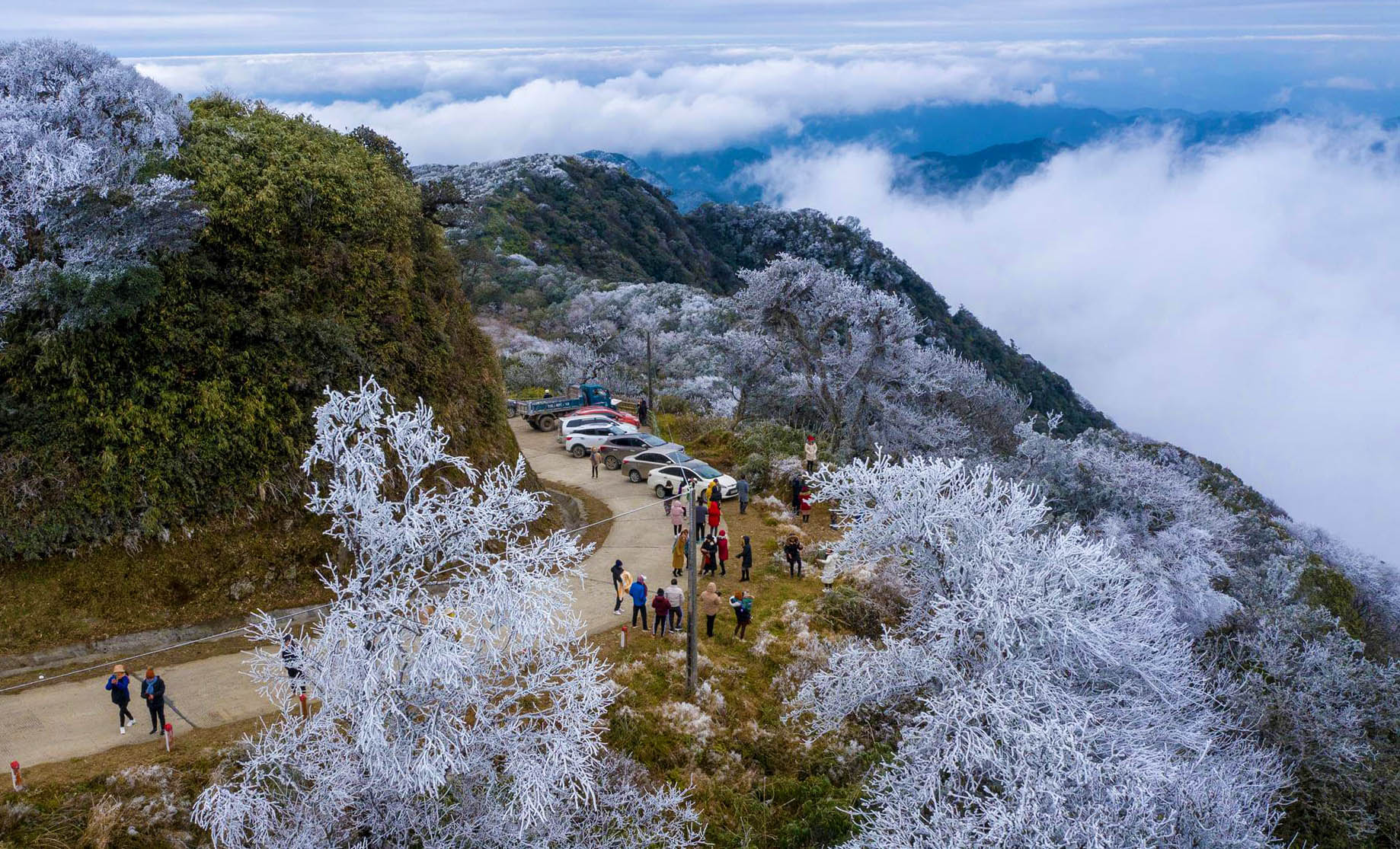
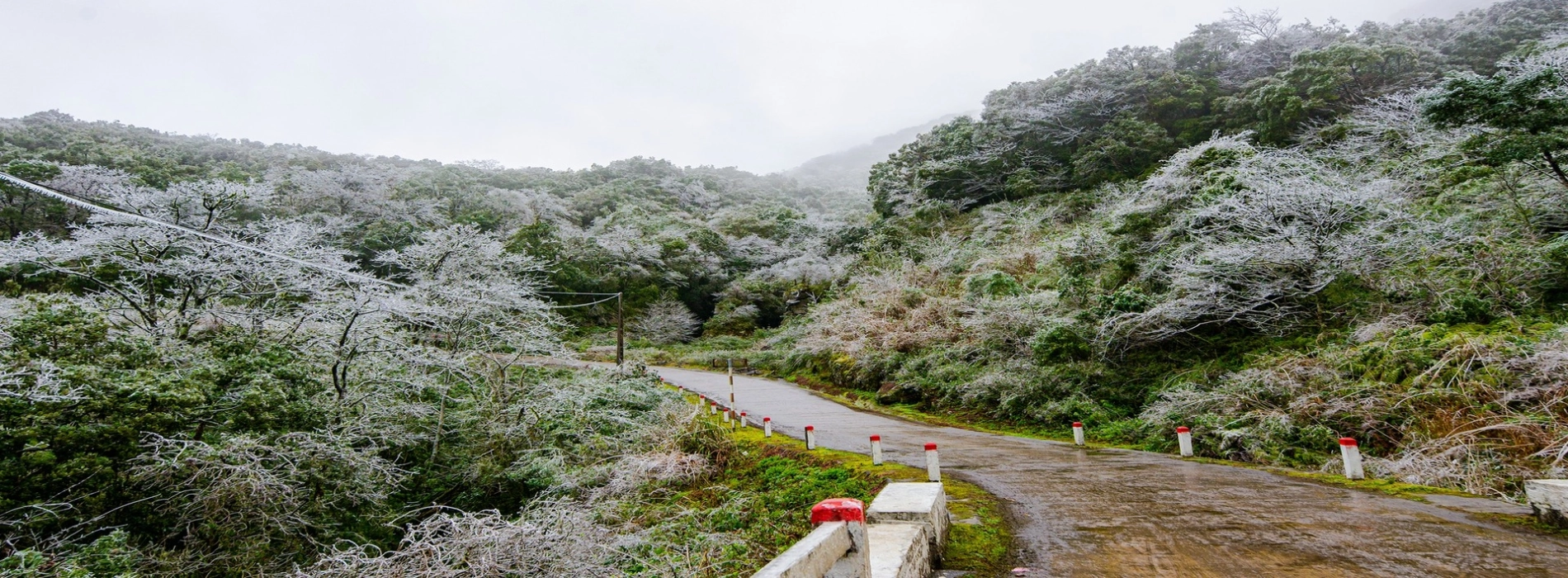
January is typically the coldest-feeling month. Expect frequent mist and low visibility in the mornings, with a chance of frost-like conditions at higher elevations.
-
Best for: moody forest walks, “cloud sea” vibes, quiet travel
-
Not ideal for: travelers who want clear panoramic views
-
Pack: warm jacket, gloves, beanie, waterproof outer layer
February: Winter continues, slightly calmer toward the end
February stays cold, but late February can bring slightly brighter days. Fog is still common, especially early morning and late afternoon.
-
Best for: peaceful trekking (with proper gear), mist photography
-
Tip: start hikes later in the morning to avoid the thickest fog
March: Milder temperatures, improving visibility
March is a transition month—still cool, but more comfortable for longer hikes. Visibility often improves compared to January–February.
-
Best for: trekking the Phia Oac trail, nature exploration
-
Pack: light insulated layer + windbreaker, rain protection
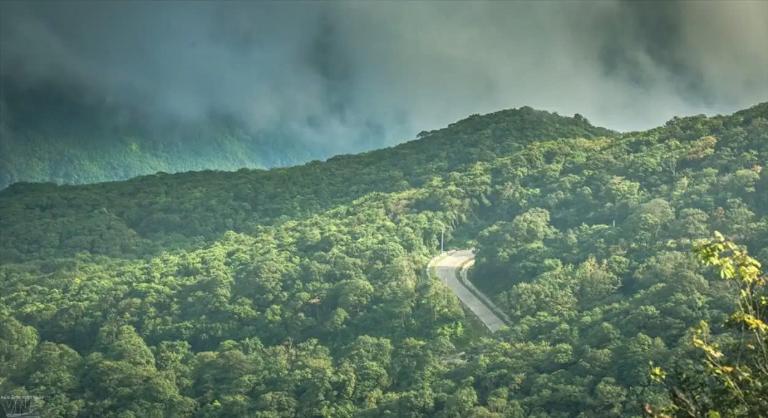
April: One of the best months for trekking
April is often considered a sweet spot in Phia Oac weather by month. Days are mild, nights are cool, and trails are generally more stable than summer.
-
Best for: summit attempts, clear viewpoints, comfortable hiking
-
Bonus: greener scenery begins to return
May: Warmer and greener, rain starts increasing
May brings warmer air and lush landscapes. Rain becomes more frequent, especially later in the month.
-
Best for: green forest vibes, quieter trails before peak rain
-
Watch out for: slippery sections after showers
-
Pack: rain jacket, quick-dry clothing, shoes with strong grip
June: Humid, rainy, and often cloudy
June is deep into the rainy season. You’ll see dramatic clouds and thick greenery, but fog and rainfall can reduce visibility and affect safety.
-
Best for: travelers who love moody weather and don’t mind rain
-
Not ideal for: clear summit views or easy road conditions
-
Tip: plan flexible days and avoid trekking in heavy rain
July: Peak rain season, highest risk for slippery trails
July is usually the wettest and most challenging month. Expect frequent rain, slick paths, and occasional storms.
-
Best for: experienced hikers with guides and proper equipment
-
Not recommended for: beginners, self-guided summit hikes
-
Pack: waterproof layers, dry bags, trekking poles
August: Still rainy, but occasional clear windows
August remains wet, but you might catch short clear breaks between storms. Forests look intensely green.
-
Best for: short forest walks, photography during “weather windows”
-
Safety tip: avoid steep routes on heavy-rain days

September: Rain eases, conditions improve fast
September marks the start of a better season. Rain begins to drop, and visibility improves. This is when many travelers start planning their trip again.
-
Best for: trekking, comfortable exploring, clearer photos
-
Pack: light layers + rain protection (still possible showers)
October: The best month overall for many travelers
If you’re choosing the single best period from a Phia Oac weather by month perspective, October is a top contender. Cool air, lower rainfall, and better visibility make it ideal.
-
Best for: summit treks, wide views, photography
-
Conditions: crisp mornings, pleasant hiking temperatures
November: Cool, clear days with more mist returning
November is cooler and often very beautiful. Fog starts to return more frequently, but you can still get excellent clear days—especially around midday.
-
Best for: trekking + cozy mountain stays
-
Pack: warmer layers for mornings and evenings
December: Cold, misty, and quiet (winter mood returns)
December brings winter back fully. It’s calm, scenic, and atmospheric, but views depend heavily on the day’s fog conditions.
-
Best for: tranquil travel, foggy forest aesthetic, fewer visitors
-
Not ideal for: guaranteed clear panoramas
-
Pack: warm layers, windproof jacket, waterproof outer shell
Best Time to Visit Based on What You Want
Choosing the best period depends on your travel goal:
For the best trekking conditions
-
October to April (cooler, safer trails, less rain)
For clear views and photography
-
October, November, March, April (best balance of light + visibility)
For lush greenery and dramatic clouds
-
May to September (but expect rain and slippery trails)
For a quiet, moody “mist forest” vibe
-
December to February (bring warm gear)
What to Pack Based on Phia Oac Weather
No matter the month, Phia Oac weather changes quickly. Here’s a reliable packing checklist:
-
Light base layers + warm mid-layer (especially Oct–Apr)
-
Windproof outer jacket (the summit wind is real)
-
Rain jacket or poncho (year-round useful)
-
Hiking shoes with grip (mud and roots can be slippery)
-
Gloves + beanie (Dec–Feb strongly recommended)
-
Dry bag for phone/camera (fog can feel like rain)
-
Extra socks (a small detail that saves the day)
Safety and Road Tips by Season
-
Rainy months (Jun–Aug): avoid long summit routes in heavy rain; consider a guide
-
Foggy winter (Dec–Feb): start later for better visibility and warmer conditions
-
Best months (Oct–Apr): still pack rain protection-mist happens any time
If you’re riding a motorbike to the area, plan conservatively in fog or after rain.

Final Thoughts on Phia Oac Weather by Month
Understanding Phia Oac weather by month helps you get the exact experience you want—clear summit views, peaceful misty forests, or a cool-weather trek far from crowds. For most travelers, the safest and most enjoyable window is October to April, with October, November, March, and April offering the best balance of comfort and visibility. If you don’t mind rain and want deep green landscapes, summer can still be beautiful—but it requires more flexibility and caution.
👉 Call/WhatsApp The Loop Tours - Hotline: +84862443320