

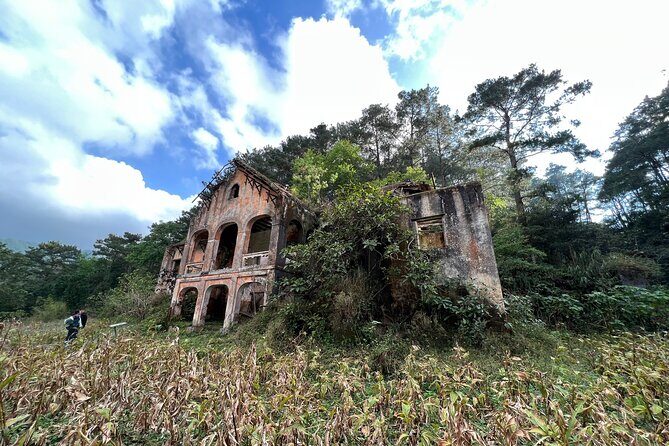
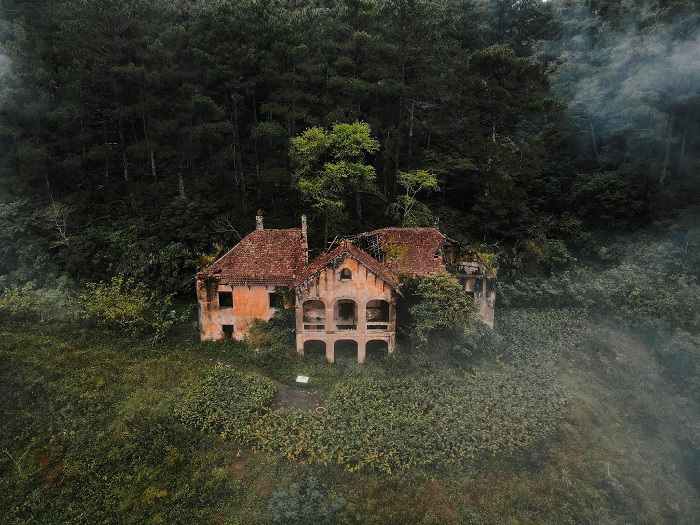
The Phia Oac French colonial villas ruins are one of Cao Bang’s most atmospheric off-the-beaten-path places. Imagine crumbling villa walls, arched windows, and moss-covered stairways slowly being reclaimed by forest - wrapped in cool mountain air and mist that feels nothing like the lowland heat of Vietnam. If you love moody photography, quiet nature, and hidden history, this is a stop that can easily become a highlight of your Cao Bang trip.
Often referred to by travelers as the “Red Villa” (because of its weathered reddish exterior), these ruins sit in the Phia Oac – Phia Den highlands of Nguyen Binh District. They’re not a quick detour like a city landmark; visiting them is a dedicated adventure - best done as a half-day from Nguyen Binh or a full-day outing from Cao Bang City.
Perfect Tours for You:
Quick travel summary
-
Experience type: scenic exploration + photography + mountain air
-
Best for: photographers, history lovers, quiet-road travelers
-
Time needed: half-day (if based in Nguyen Binh) or full day (from Cao Bang City)
-
Difficulty: easy walking, but uneven terrain around ruins
Where are the Phia Oac French colonial villas ruins?
The ruins are located in the Phia Oac – Phia Den area, a cooler mountainous region in Nguyen Binh District, Cao Bang. This zone is known for high elevations, foggy mornings, and a “hill-station” feeling - exactly the kind of climate the French historically sought for summer retreats.
The most talked-about structure is the Red Villa, but the area may include more than one old building remnant - scattered, partially collapsed, and often surrounded by trees. Because signage and access can change, it’s smart to confirm directions with a local homestay or driver before you go.
Why are these ruins so special?
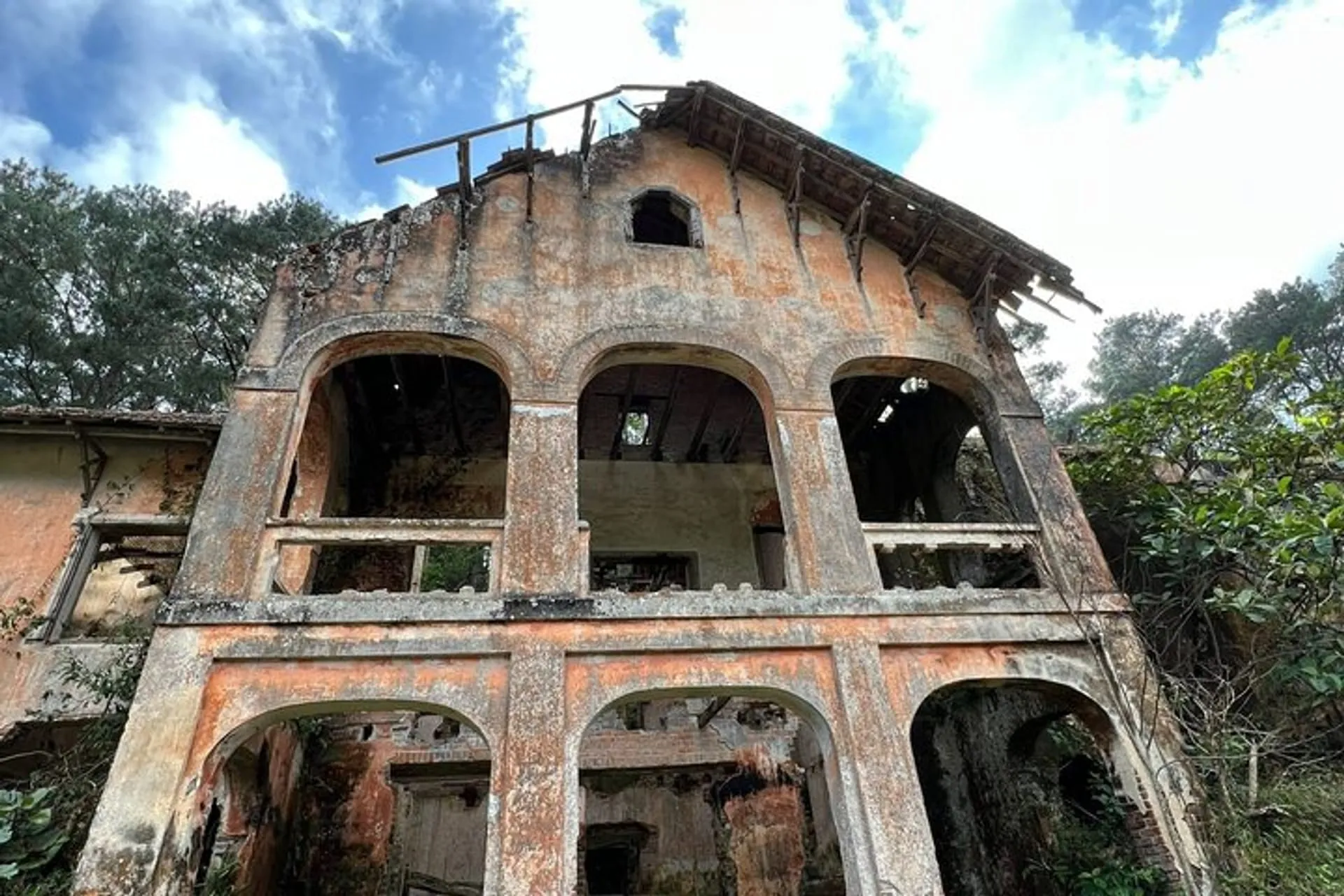
Unlike restored colonial architecture in major cities, the Phia Oac French colonial villas ruins feel raw and cinematic - almost like a forgotten movie set. They’re special because:
-
The setting is dramatic: misty forest, cool air, and quiet mountain roads
-
The ruins look “authentic”: cracked plaster, broken arches, moss and vines
-
It’s rarely crowded: you’ll often have time and space to explore calmly
-
It adds variety to Cao Bang: a different vibe from waterfalls, caves, and karst valleys
If your itinerary already includes Ban Gioc and Nguom Ngao, Phia Oac gives you a completely different mood - more mysterious and contemplative.
How to get there (best transport options)
Option 1: Motorbike (for confident riders)
Motorbike travel in this region is beautiful but demanding. Expect mountain curves, changing visibility, and cold wind - especially in winter or early morning. If you’re comfortable riding in the mountains and prefer freedom to stop for viewpoints, motorbike is a great choice.
Motorbike tips:
-
Start early and avoid riding after dark
-
Ride slower than usual - fog can appear suddenly
-
Bring gloves and a warm layer (it can be chilly)
Option 2: Private car + driver (recommended for comfort)
If you want the easiest, safest experience - especially in winter, fog, or rain - hire a driver. You’ll also arrive less tired, which is helpful if you plan to explore more spots in Nguyen Binh.
Option 3: Guided day trip
If you don’t want to plan routes or worry about access points, a local tour can simplify everything: transport, timing, and safe stops.
Best time to visit Phia Oac’s colonial villa ruins
Best seasons
-
Spring (March–May): lush greenery, comfortable temperatures, clearer roads
-
Autumn (September–November): cooler air, better visibility, excellent photo light
Winter vibes (unique in Vietnam)
Phia Oac is famous for being one of the rare places in Vietnam where winter can feel truly cold. On some days, you may see frost or icy conditions at higher elevations - creating a dramatic, “European mountain” atmosphere that makes the ruins even more haunting.
Best time of day
-
Early morning: misty, quiet, very atmospheric (but visibility can be lower)
-
Late afternoon: warmer light, more contrast for photos
Avoid: rainy or stormy days if possible. Wet stone, moss, and broken steps can be slippery.
What to expect on-site
When you arrive, don’t expect a fully developed tourist complex. This is more like discovering a hidden relic.
You’ll likely see:
-
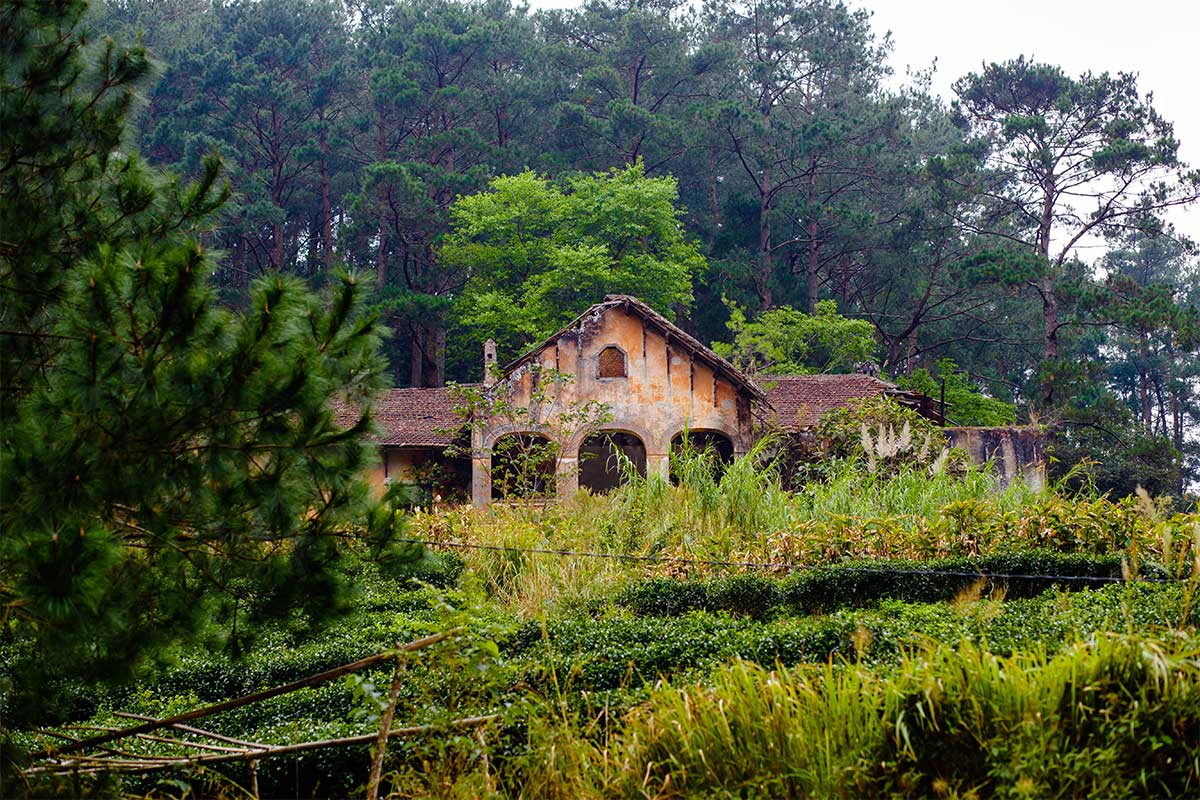
Old walls and archways with forest encroaching
-
Uneven ground, broken brickwork, and mossy corners
-
Quiet surroundings - sometimes only wind and birds
-
Limited services nearby (depending on season)
This is exactly why many travelers love it: it feels like exploration, not sightseeing.
Safety & responsible exploring (very important)
Ruin sites can be dangerous if you treat them like playgrounds. To enjoy safely:
-
Don’t climb unstable walls or upper floors
-
Watch for loose stones, slippery moss, and broken edges
-
Wear shoes with good grip (not smooth sandals)
-
If a doorway or section looks unsafe - skip it
-
Leave no trash, don’t remove bricks or “souvenirs”
-
Respect local property boundaries and any warning signs
If you’re traveling with kids, keep them close and avoid dark interiors.
What to pack
Because the area is cooler and more remote, packing smart makes a big difference:
-
Warm layer / light jacket (even in mild seasons)
-
Rain jacket (mist and drizzle are common)
-
Grip shoes (mud + moss + uneven ground)
-
Water + snacks (services may be limited)
-
Power bank and offline maps
-
Small flashlight (optional, for darker corners)
-
Bug spray (helpful in warmer months)
Suggested itineraries
Half-day itinerary (best if you stay in Nguyen Binh)
-
Early start from your homestay
-
Drive to the ruins / Red Villa area
-
Explore + photography (30–60 minutes)
-
Add a scenic stop (viewpoint, short forest walk)
-
Return before afternoon fog thickens
This is the most relaxed way to do it.
Full-day itinerary (from Cao Bang City)
-
Depart early from Cao Bang City
-
Arrive Nguyen Binh / Phia Oac highlands
-
Visit the French colonial villa ruins / Red Villa
-
Lunch stop in the district area
-
Optional: add another scenic mountain stop
-
Return while there’s still daylight
If you’re combining this with other Cao Bang highlights, consider staying one night in Nguyen Binh to avoid long back-and-forth travel.
Final thoughts: Is it worth visiting?
If you love hidden places, yes - 100%. The Phia Oac French colonial villas ruins are not a “must-see” for everyone, but they’re unforgettable for the right traveler: photographers chasing mood, road-trippers who love quiet mountain air, and anyone curious about the forgotten layers of Vietnam’s highlands.
To get the best experience, go early, dress warm, plan for slow travel, and treat the ruins with respect. The reward is a rare kind of destination - one that feels discovered rather than visited.
👉 Call/WhatsApp The Loop Tours - Hotline: +84862443320