


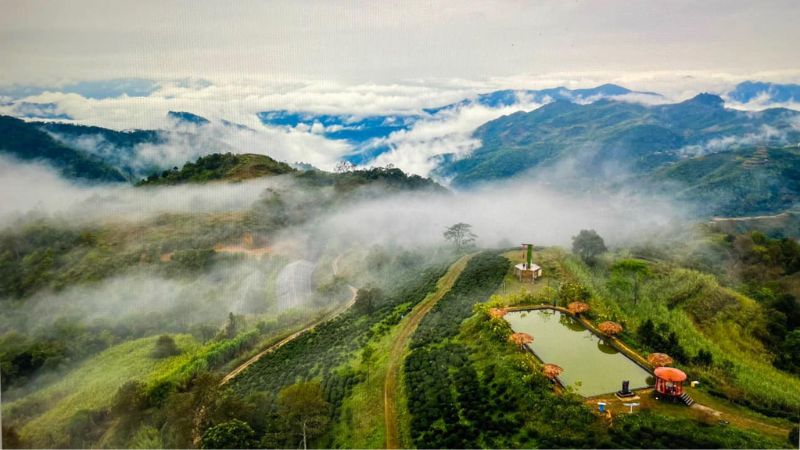
Planning a trip to the cool highlands of Cao Bang? This Nguyen Binh Cao Bang weather by month guide helps you choose the best season for clear mountain views, comfortable road trips, and the kind of misty atmosphere the Phia Oac–Phia Den area is known for. Nguyen Binh sits higher than many parts of Cao Bang Province, so its weather can feel colder, foggier, and more changeable - especially around early mornings and at higher elevations.
Below you’ll find a practical month-by-month breakdown (January–December), plus quick recommendations for the best months to travel and what to pack so you’re prepared for fog, sudden drizzle, and big temperature swings.
Perfect Tours for You:
Quick overview: Nguyen Binh weather in one minute
Nguyen Binh’s climate is easiest to understand in two layers:
-
Town/valley areas: cooler winters, warmer summers, and a rainy season in mid-year (typical northern Vietnam pattern).
-
High elevations (Phia Oac–Phia Den): noticeably colder year-round, with frequent fog and very cold spells in winter.
If you’re visiting for mountain scenery and viewpoints, your experience often depends less on the calendar and more on visibility (fog vs. clear windows).
Nguyen Binh Cao Bang weather by month (January to December)
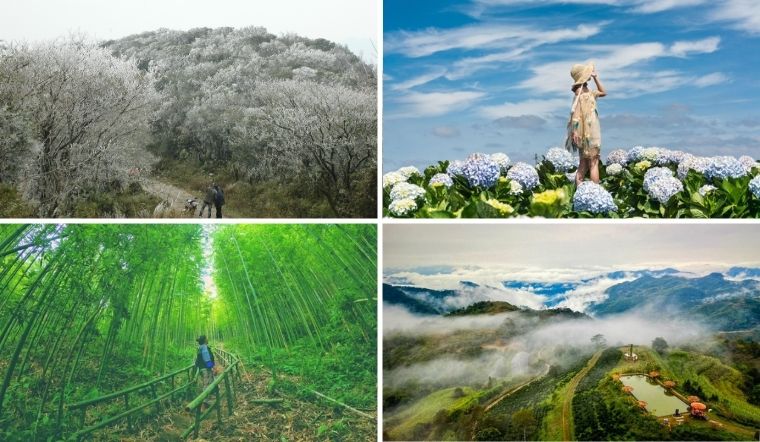
January: Coldest feel, foggy mornings, winter “highland” mood
January is typically the most winter-like month. Expect chilly mornings and evenings, frequent mist, and damp cold that can feel stronger than the temperature suggests. The upside: fewer travelers and a dramatic, moody landscape - perfect for photography, quiet homestays, and exploring ruins.
Best for: winter vibes, fog photography, peaceful travel
Watch for: low visibility on mountain roads in early hours
February: Crisp and dry-leaning, better chances of clear sunrise
February often feels slightly more stable than January, with cold nights but a higher chance of clear breaks in the sky. It’s a good time for road trips and short hikes if you don’t mind wearing warm layers.
Best for: scenic drives, early-morning viewpoints, comfortable daytime exploration
Watch for: dry air (lips/skin can feel dry)

March: Spring transition, mild days, cool nights
March marks a shift toward spring. Daytime temperatures in lower areas become more comfortable, while high elevations can still feel cold - especially at dawn. Fog remains possible, but travel is generally easier than peak winter.
Best for: hiking, village routes, longer driving days
Watch for: occasional showers and quick weather changes
April: Warmer, greener, great balance month
April is a favorite for travelers who want greenery without the heaviest rains. Days feel warmer and brighter, making it ideal for exploration, forest walks, and scenic routes through Nguyen Binh.
Best for: nature, photography in greener landscapes, comfortable travel
Watch for: midday sun can be stronger - pack sunscreen

May: Early rainy season signals, lush landscapes
May usually brings higher humidity and more frequent showers as the wet season approaches. The good news is the scenery becomes intensely green. The tradeoff: slick roads after rain and foggy pockets in the highlands.
Best for: lush mountain scenery, waterfalls and forests starting to look vibrant
Watch for: muddy trails and slippery turns after rainfall
June: Rainier, humid, dramatic clouds and mist
June often sits firmly in the wetter season. Rain can arrive fast, and visibility can change within minutes. If you enjoy dramatic weather photography, June can be stunning - but it’s not the easiest month for long trekking plans.
Best for: dramatic clouds, deep green landscapes, quieter travel
Watch for: heavy showers that disrupt schedules
July: Wettest-feeling period for many travelers, flexibility needed
July can feel like peak rain season: warm, humid, and storm-prone. Roads may be slower, and you’ll want buffer time in your itinerary. Still, between showers, Nguyen Binh looks incredibly alive - green hills, wet forest textures, and mist hanging low.
Best for: slow travel, moody nature scenes, “off-season” quiet
Watch for: thunderstorms and slippery mountain sections

August: Warm and wet, but vibrant scenery
August typically stays humid with continued rain, though some weeks may feel more stable than July. If you travel in August, plan mornings early and keep afternoons flexible (showers often arrive later in the day).
Best for: greenery lovers, short hikes between showers
Watch for: fog + rain combos that reduce visibility
September: Rain eases, one of the best “sweet spot” months
September often marks the start of better conditions: less rain, more comfortable temperatures, and improved visibility. It’s a strong month for motorbike travel and viewpoints because roads tend to be drier than mid-summer.
Best for: road trips, hiking, scenic viewpoints
Watch for: occasional late-season showers
October: Clearer skies, cool nights, top pick for most itineraries
October is commonly a best-month candidate: cooler mornings, comfortable days, and frequent clear windows for mountain views. If your goal is landscapes, highland air, and photography without constant rain, October is hard to beat.
Best for: trekking, viewpoints, exploring Phia Oac areas comfortably
Watch for: temperature drops at night - bring a light jacket

November: Cooler, mistier mornings, calm travel atmosphere
November turns more “winter-like” again. Mornings can be foggy and cold, afternoons often pleasant. It’s a great time for travelers who want a calm, cinematic vibe and don’t mind layering up.
Best for: mist photography, cozy stays, quiet mountain roads
Watch for: early morning fog reducing visibility
December: Winter returns, cold air and highland chill
December is firmly winter in Nguyen Binh’s high elevations. Expect cold mornings, fog, and damp air. If you love the feeling of a true mountain winter (by Vietnam standards), December is a strong choice.
Best for: winter atmosphere, moody landscapes, fewer tourists
Watch for: cold, windy ridges and low-visibility mornings

Best time to visit Nguyen Binh (quick recommendations)
If you’re choosing months purely for comfort and scenery:
-
Best overall (balanced weather): September–November
-
Best for clear road-trip days: October (often the most stable-feeling)
-
Best for lush green landscapes: May–August (with rain-ready planning)
-
Best for winter vibes and foggy mood: December–February
What to pack (by season)
Packing is the difference between “amazing trip” and “why am I freezing in Vietnam?”
Winter (Dec–Feb)
-
Warm jacket (layering works best), gloves, beanie
-
Rain shell (mist/drizzle happens)
-
Lip balm + moisturizer (dry mountain air)
Shoulder seasons (Mar–Apr, Sep–Nov)
-
Light jacket, long pants
-
Rain layer just in case
-
Comfortable shoes for uneven paths
Rainy season (May–Aug)
-
Poncho/raincoat, quick-dry clothing
-
Grippy shoes (mud + moss)
-
Waterproof bag/phone pouch
-
Extra socks (seriously useful)

FAQ: Nguyen Binh Cao Bang weather by month
Is Nguyen Binh colder than Cao Bang City?
Usually yes - especially in higher areas around Phia Oac–Phia Den. Elevation makes mornings and nights noticeably colder.
Can fog affect my plan?
Absolutely. Fog is common, especially early mornings and in winter months. The best strategy is to start early but stay flexible: sometimes visibility improves mid-morning.
When is it easiest for motorbike travel?
Most riders prefer September–November for drier roads and better visibility compared to peak rainy months.
Conclusion
Using Nguyen Binh Cao Bang weather by month to plan your trip helps you avoid the two biggest surprises here: cold air at elevation and fog that changes visibility fast. For the smoothest experience, aim for September to November, especially October. For a unique Vietnam winter mood, go in December to February and pack warm layers.
Ready to plan, get a price, or just ask questions?
👉 Call/WhatsApp The Loop Tours - Hotline: +84862443320