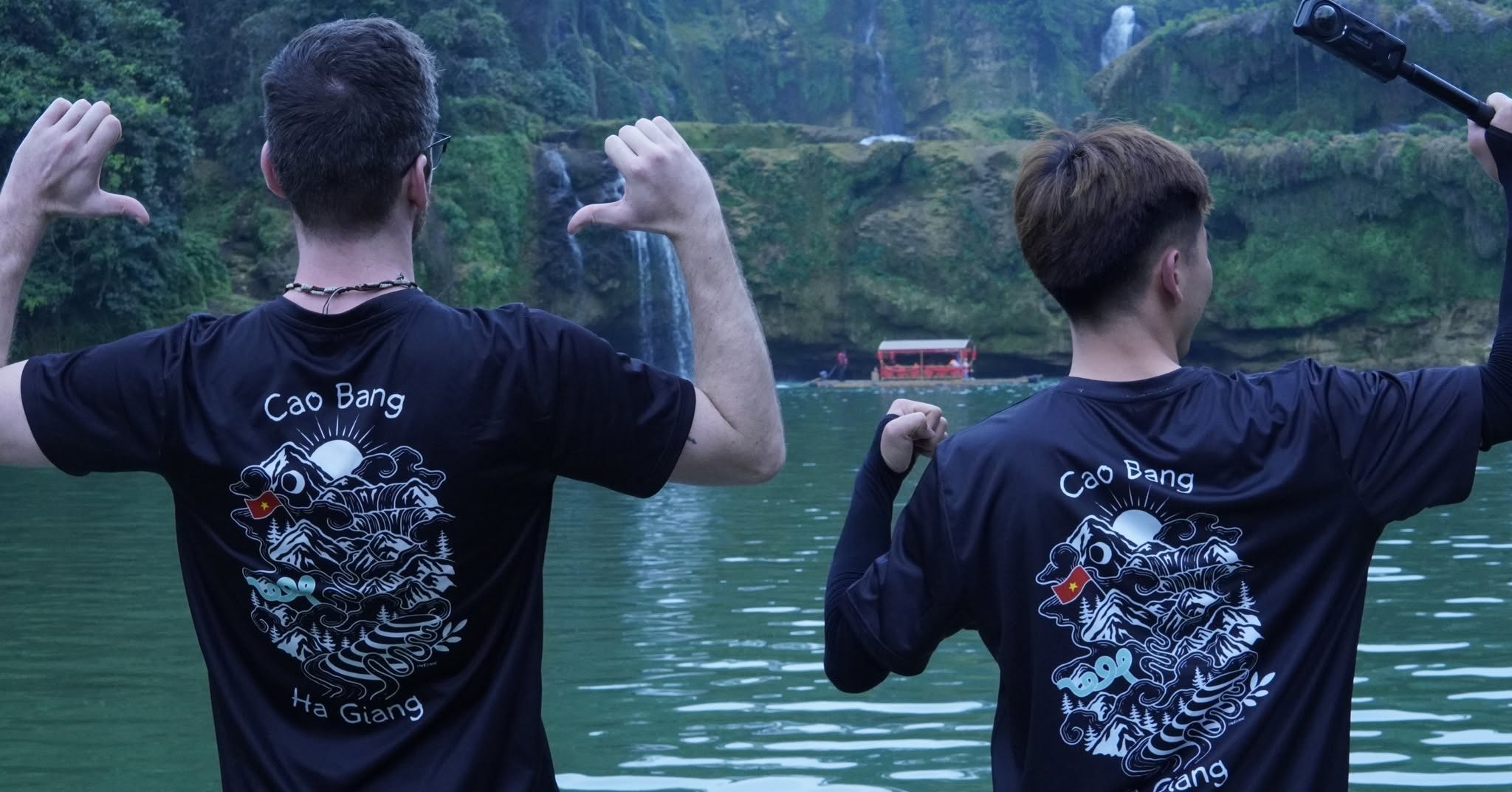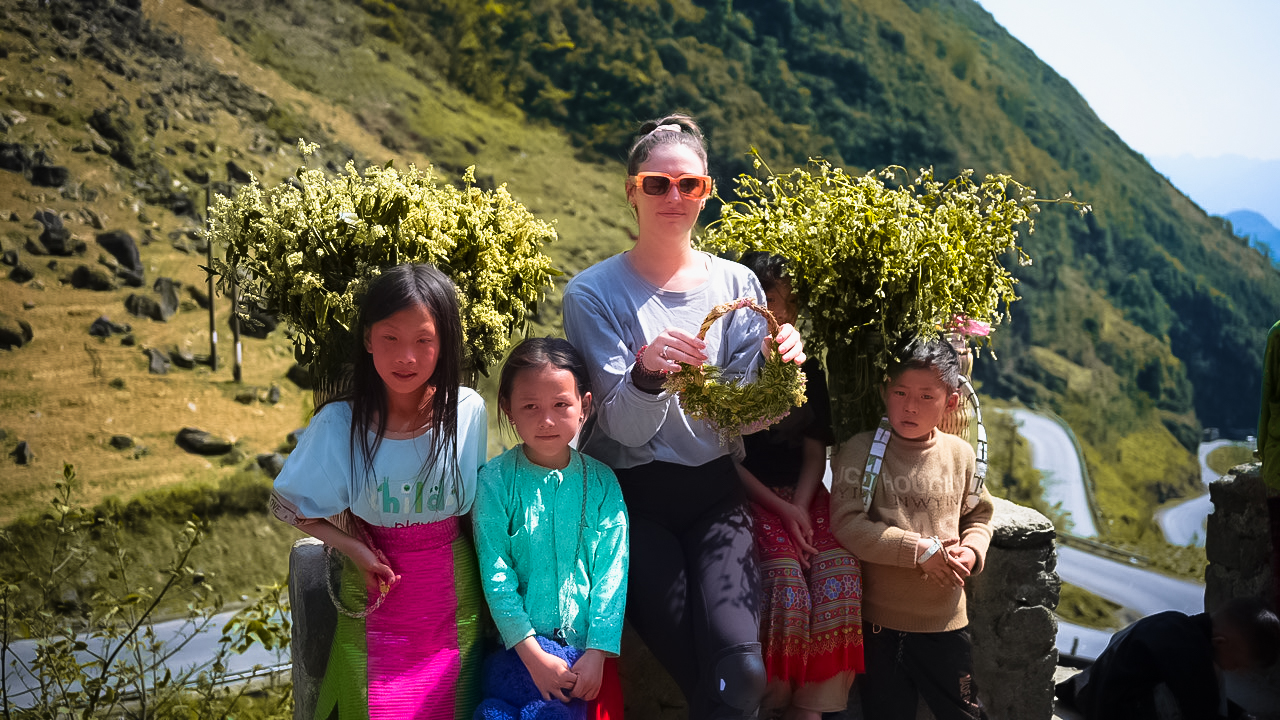


If you’re planning a trip to the extreme north of Vietnam, understanding Ha Giang weather by month is one of the most important steps. The landscapes are stunning all year, but the experience changes a lot depending on the season: foggy winter mornings, blooming peach flowers in spring, green mountains in summer, and golden rice terraces in autumn.
This guide breaks down Ha Giang’s climate month by month so you can choose the best time for your style of travel and pack properly.
Perfect Tours for You:
Overview of Ha Giang Climate
Ha Giang is a mountainous province with a cooler and more unpredictable climate than many other parts of Vietnam:
-
Winters can be cold, especially in the higher areas like Dong Van and Meo Vac.
-
Summers are generally warm and humid, sometimes very hot during the day.
-
Rain is more frequent from May to September, with the heaviest showers usually in July and August.
For a general overview of average temperatures and rainfall, you can also check a more basic summary like “Ha Giang Weather” and then come back here for the month–by–month details.

Ha Giang Weather: January to March (Cold & Flower Season)
January
January is one of the coldest months in Ha Giang:
-
Temperatures in the mountains can drop below 10°C, sometimes close to 0°C at night.
-
Expect chilly winds and a real winter feeling, especially on high passes.
It’s not the most comfortable time for motorbike beginners, but if you love cool weather and fewer crowds, January can be a peaceful month to visit. For more specific impressions of this period, you can read a dedicated experience like “Ha Giang in January”.
February
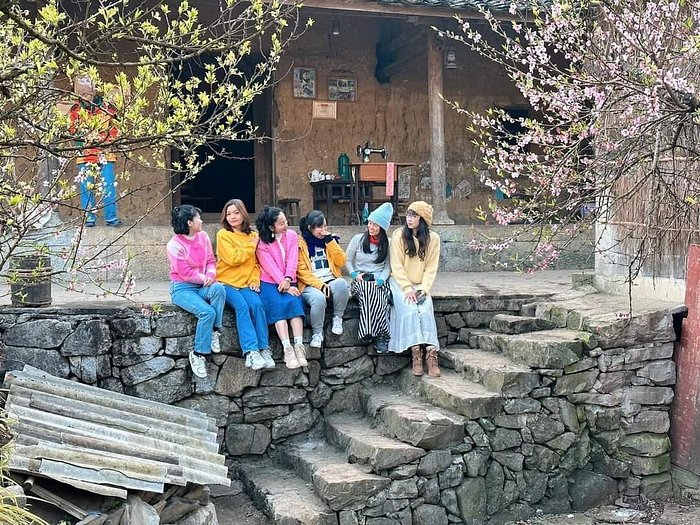
In February, it is still cold, but you may start to see:
-
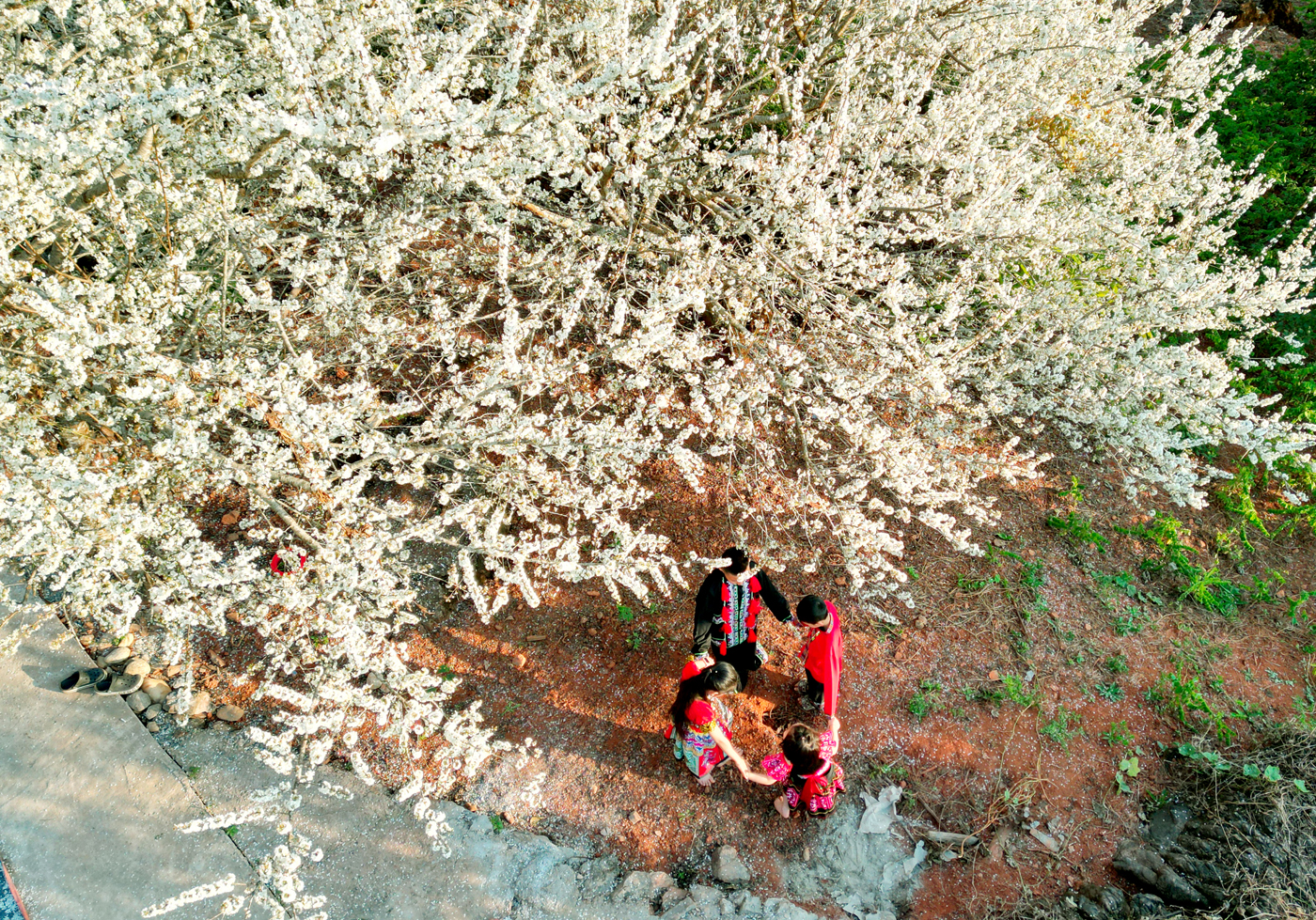
Peach and plum blossoms around villages
-
Occasional mist and fog in the early morning
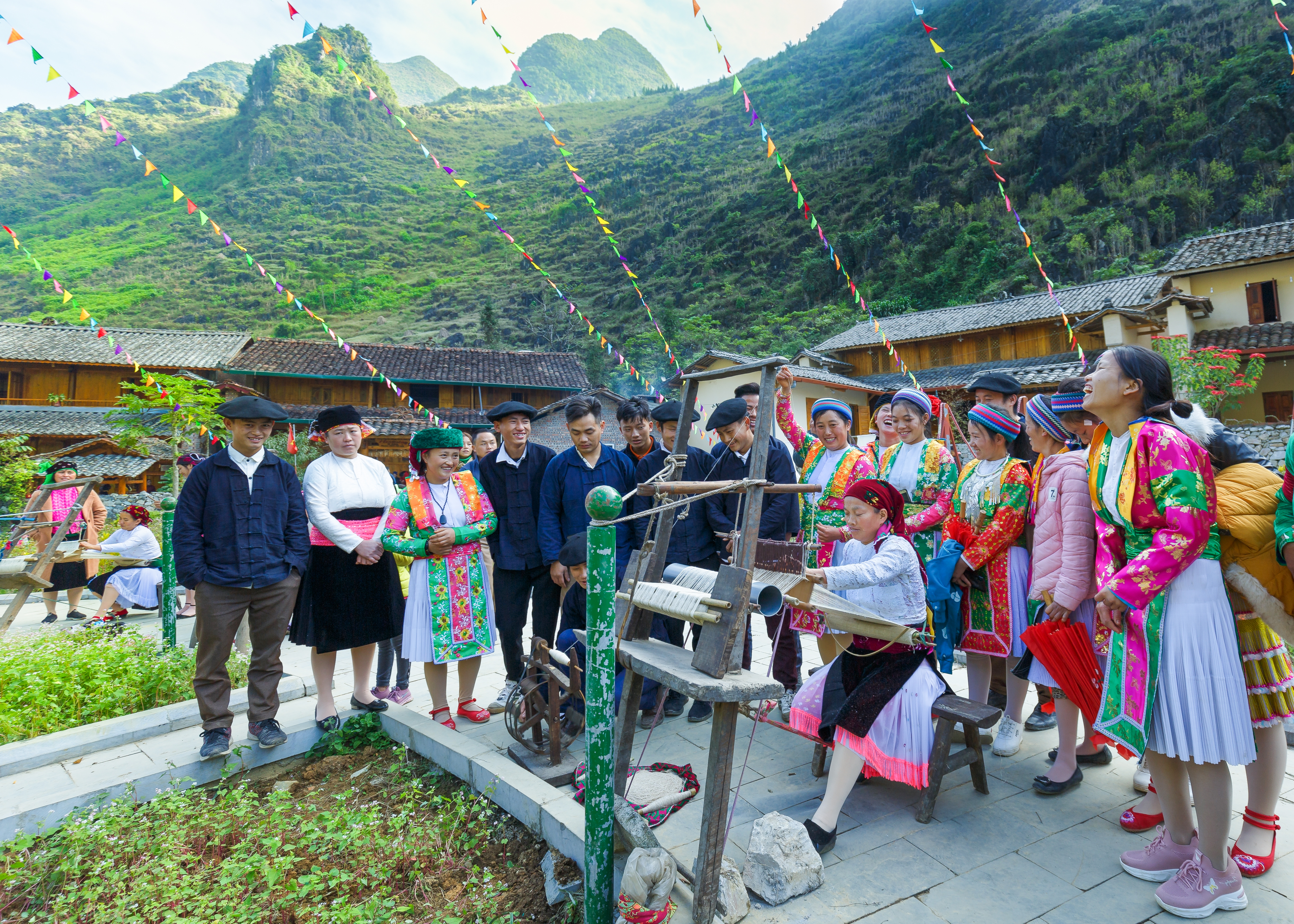
Local festivals often take place around the Lunar New Year, giving you a chance to see traditional markets, costumes and celebrations.

March
March is one of the most beautiful months for spring:
-
Weather slowly becomes milder during the day
-
Peach blossom season is usually at its peak in many areas
-
Roads are generally dry and riding conditions are better than in deep winter
If you enjoy photography and local culture, January–March is a great period, as long as you bring enough warm clothes.
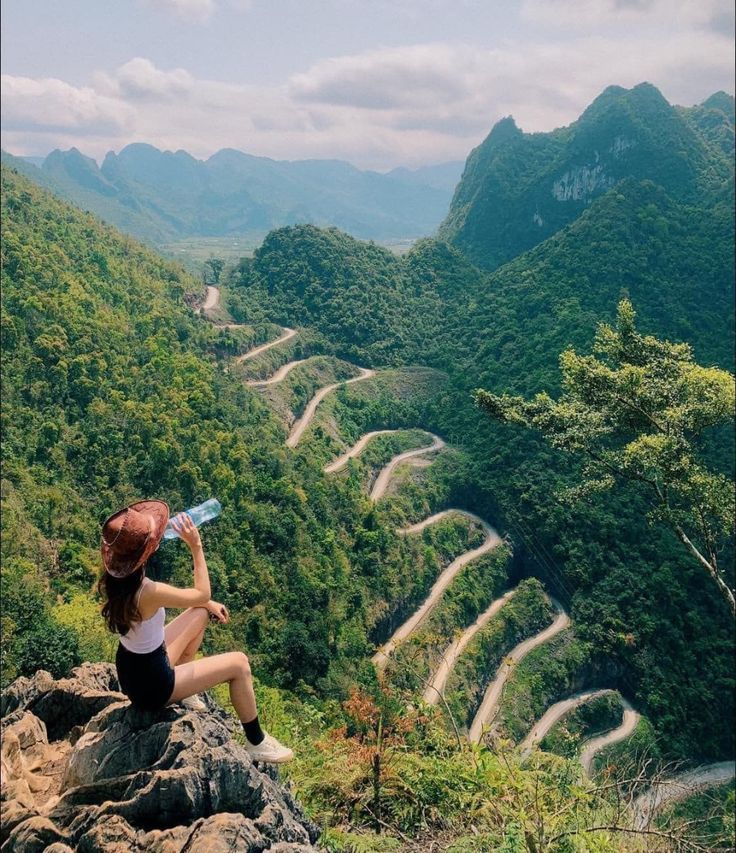
Ha Giang Weather: April to June (Green Mountains & Water Season)
April
April is a transition month:
-
Temperatures are more comfortable, often 18–25°C during the day
-
Hillsides turn greener after the winter months
-
Occasional showers, but usually not too heavy
It’s a good time for both motorbike loops and light trekking.
May
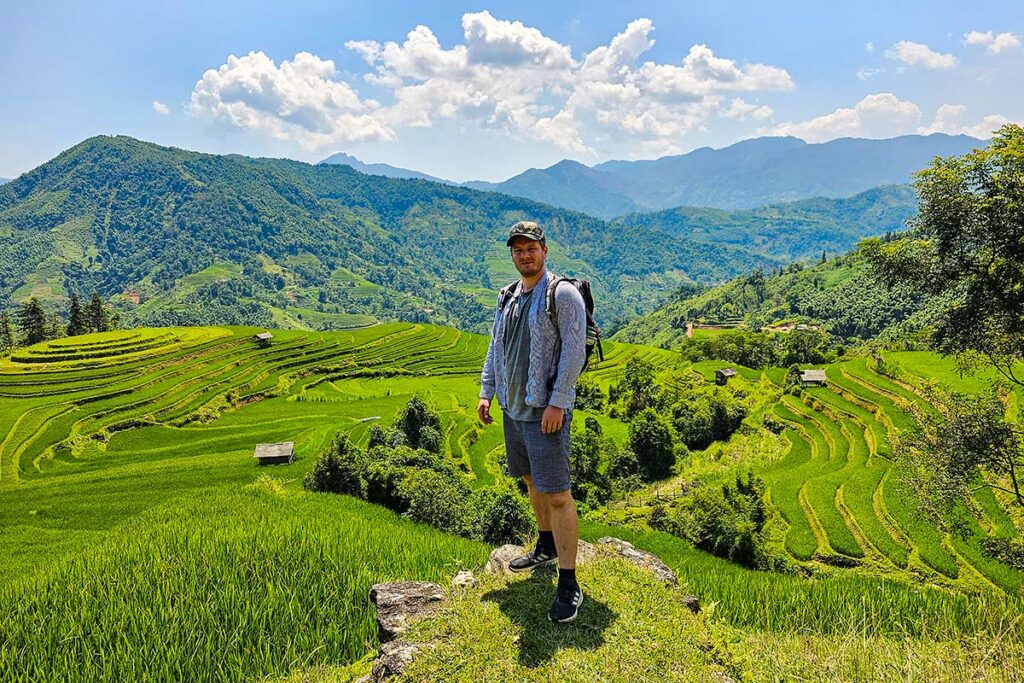
May is famous for the water pouring season:
-
Farmers start flooding the rice terraces to prepare for planting
-
Fields reflect the sky like mirrors, creating stunning photos
-
Days are warmer, but still bearable at high altitudes
If you specifically want to see this, look at more location–focused notes in “Ha Giang in May (water pouring season)”.
June
In June, you feel the beginning of summer:
-
Warm to hot days, cooler evenings in the mountains
-
More frequent rains and thunderstorms in the afternoon
-
Lush green hills and growing rice on the terraces
April–June is a great time for travelers who like green landscapes, don’t mind some rain, and prefer fewer tourists than in peak autumn.

Ha Giang Weather: July to September (Rainy & Rice Harvest)
July
July is typically one of the rainiest months:
-
Heavy showers and storms are more common
-
Roads can be slippery, and landslides may happen in some sections
This period is better suited for experienced riders or travelers going by car rather than first–time motorbikers.
August
August is similar to July:
-
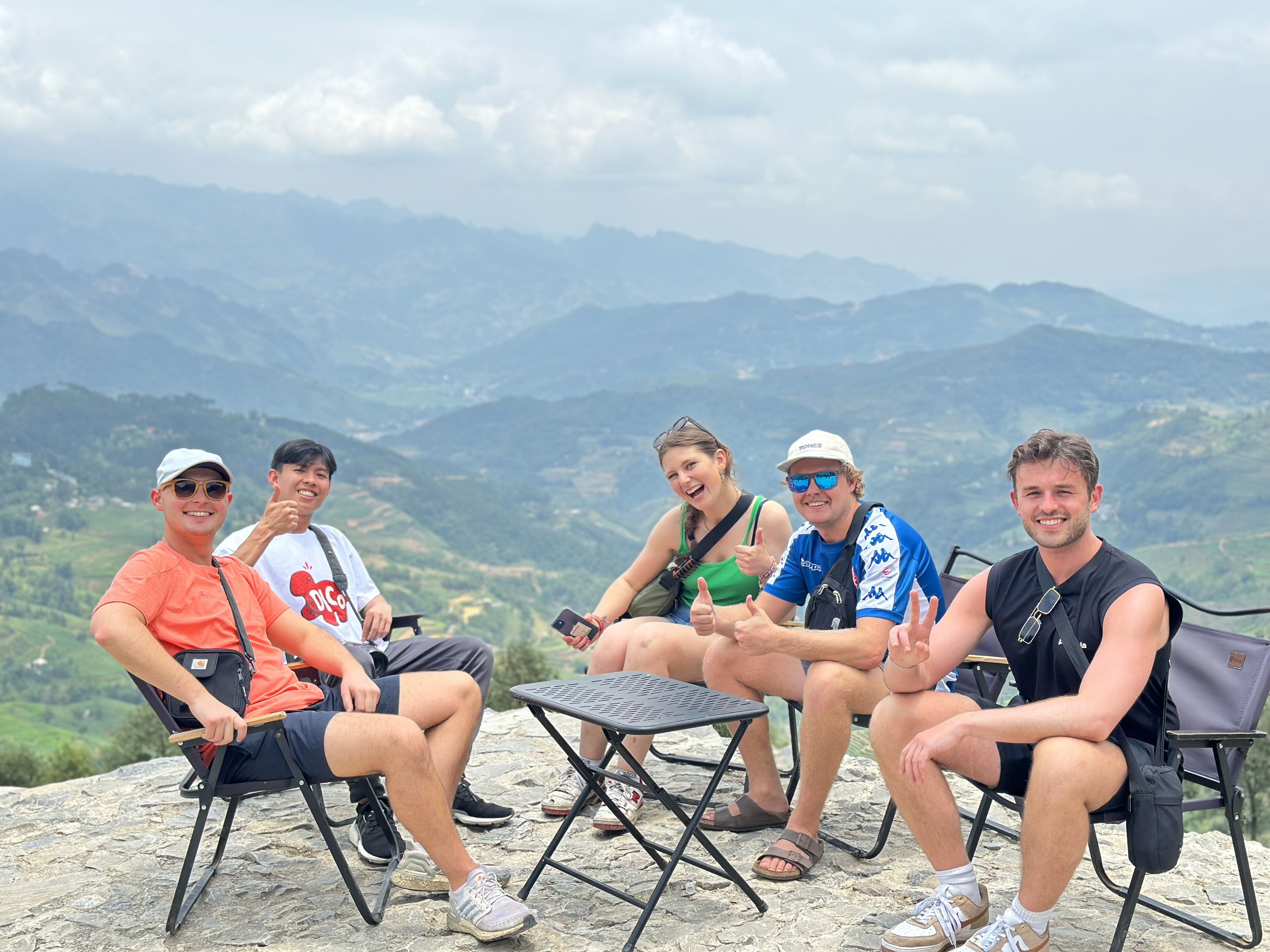
High humidity, strong sun when it’s not raining
-
Fields are very green and full of life
If you travel in July or August, keep flexible plans and always listen to local advice about road conditions.
September
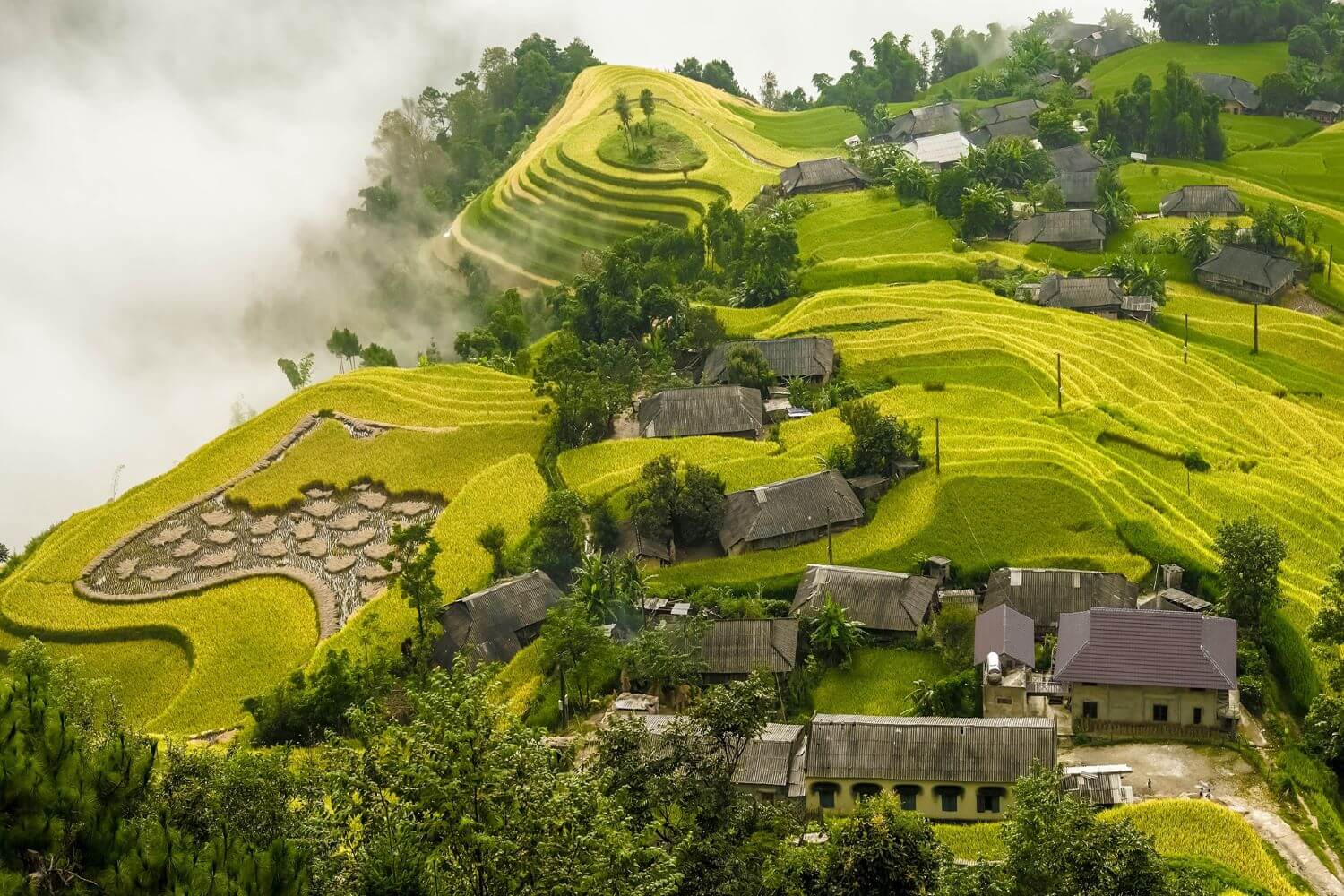
September is considered one of the best months to see Ha Giang’s rice terraces:
-
Rice fields turn golden, especially around Hoang Su Phi and other terraced areas
-
Temperatures are more pleasant than in peak summer
-
Rain usually starts to decrease compared to July–August
For more inspiration focused on landscapes, check out “Ha Giang in September (rice harvest season)”, which highlights the best spots and photo ideas.
Ha Giang Weather: October to December (Golden Autumn & Cool Winter)
October
October is a favourite month for many travelers:
-
Clear skies, cool but comfortable weather
-
Leftover golden rice in some areas
-
Good visibility for mountain views
It’s an excellent time for motorbike loops, trekking, and photography.

November
In November, temperatures continue to drop, especially at night:
-
Days can still be pleasant, but evenings are cold
-
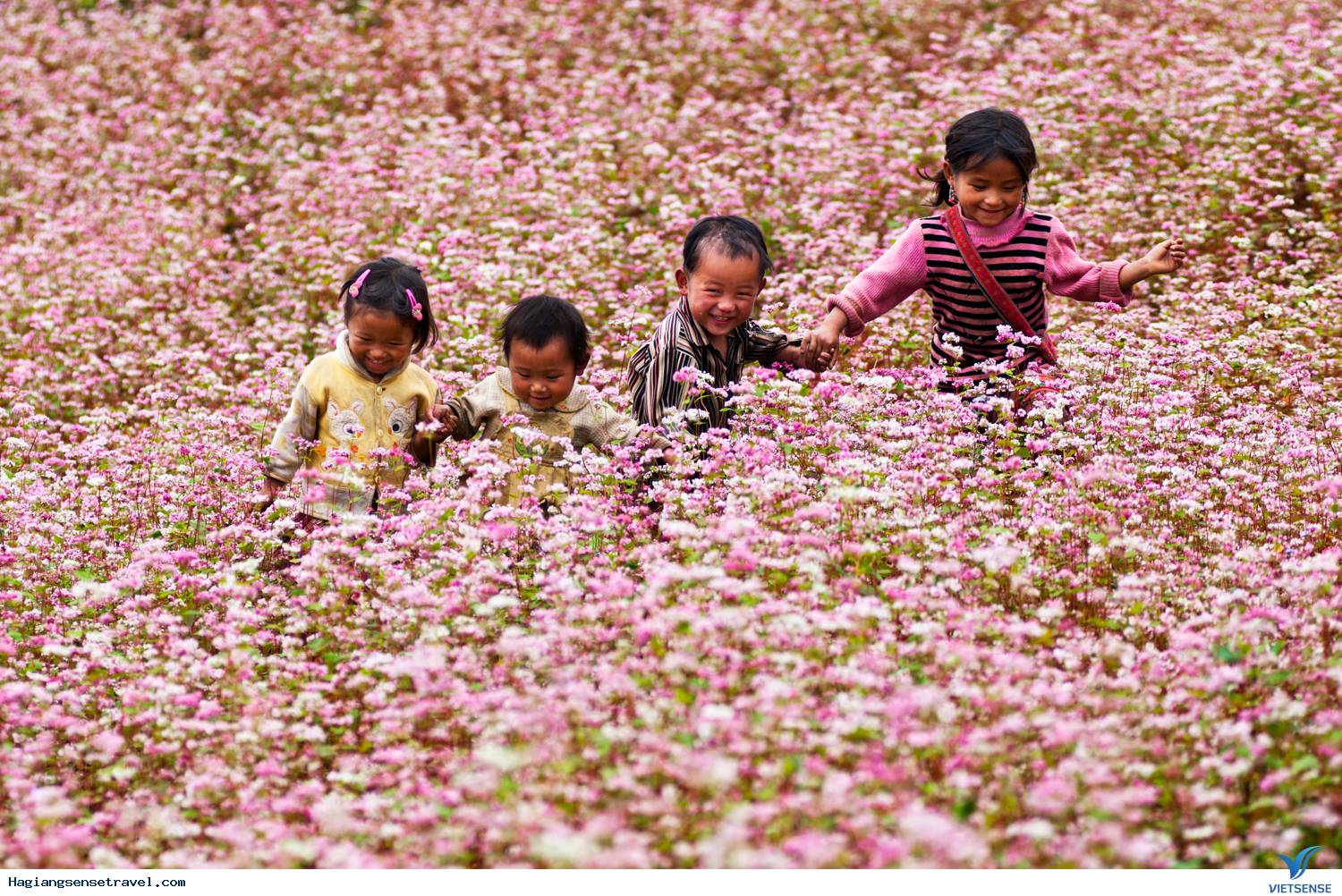
This is buckwheat flower season in many parts of Ha Giang, adding pink and purple colours to the hillsides
It’s a romantic and popular time, so accommodation can be busier on weekends.
December
December feels like real winter again:
-
Cold, sometimes very cold in high areas
-
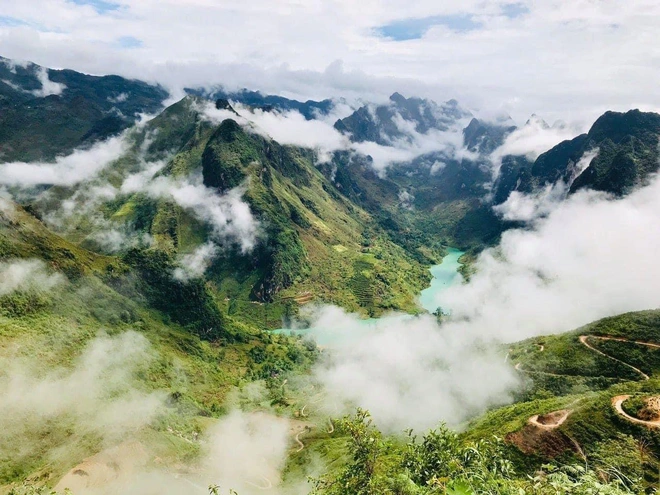
Possible fog and low clouds
-
Shorter days, so you need to plan your riding time carefully
Many people love the quiet and misty mood of Ha Giang in late autumn and early winter. For more winter–focused impressions, you might like a seasonal overview such as “Ha Giang in winter”.
What to Pack for Ha Giang in Each Season
No matter which month you choose, the key word for Ha Giang is layers. Weather can change quickly, especially when you move between valleys and high passes.
For colder months (December–March)
-
Warm jacket and fleece
-
Thermal shirt or base layer
-
Long pants and thick socks
-
Gloves, scarf, beanie if you feel the cold
-
A rainproof outer layer for sudden showers
For warmer months (April–September)
-
Light, breathable clothing
-
A thin jacket for evenings and windy passes
-
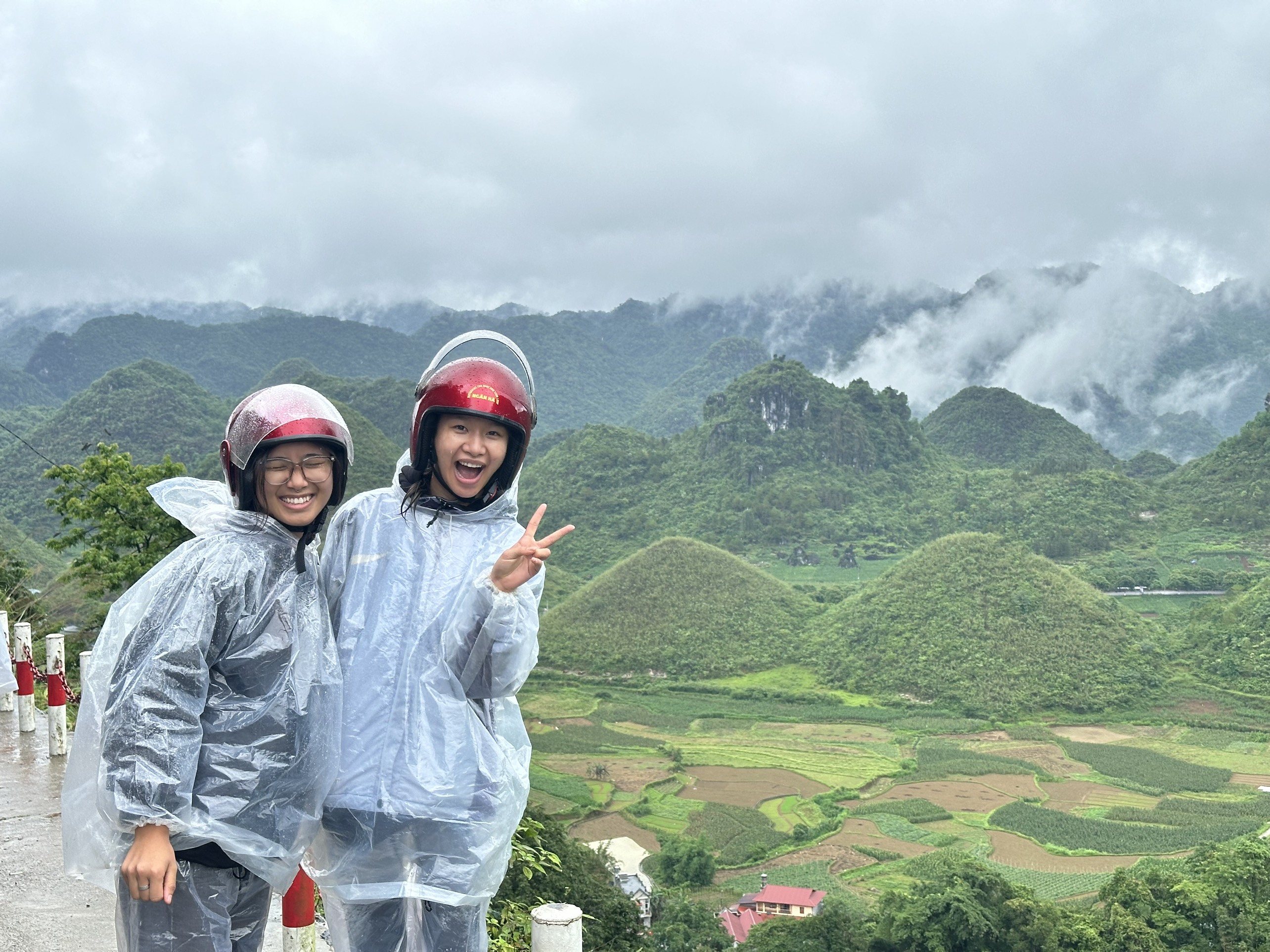
Raincoat or poncho for summer storms
-
Sunscreen, sunglasses, hat
Year–round essentials
-
Good shoes for walking or light trekking
-
Reusable water bottle
-
Basic medicines and sun/bug protection
If you want to combine weather knowledge with choosing a season that matches your preferences (flowers, festivals, rice fields, or clear skies), consider reading a more general decision–making a guide such as “Ha Giang best time to visit”.
Final Thoughts: Choosing the Best Month for You
There is no single “perfect” month in Ha Giang. Instead, each period offers a different personality:
-
January–March: cold but atmospheric, with flowers and festivals
-
April–June: fresh green mountains and water pouring season
-
July–September: rainy but dramatic, ending with golden rice terraces
-
October–December: clear autumn days, buckwheat flowers and the start of winter
By understanding Ha Giang weather by month, you can choose the time that fits your comfort level and travel goals. Once you’ve picked your month, the next step is to plan your route and activities – whether that’s a motorbike loop, trekking, or homestay experiences – and get ready for one of the most memorable trips in Vietnam.
Need free advice or want to book a Ha Giang tour?
👉 Hotline (WhatsApp/Zalo): +84862443320