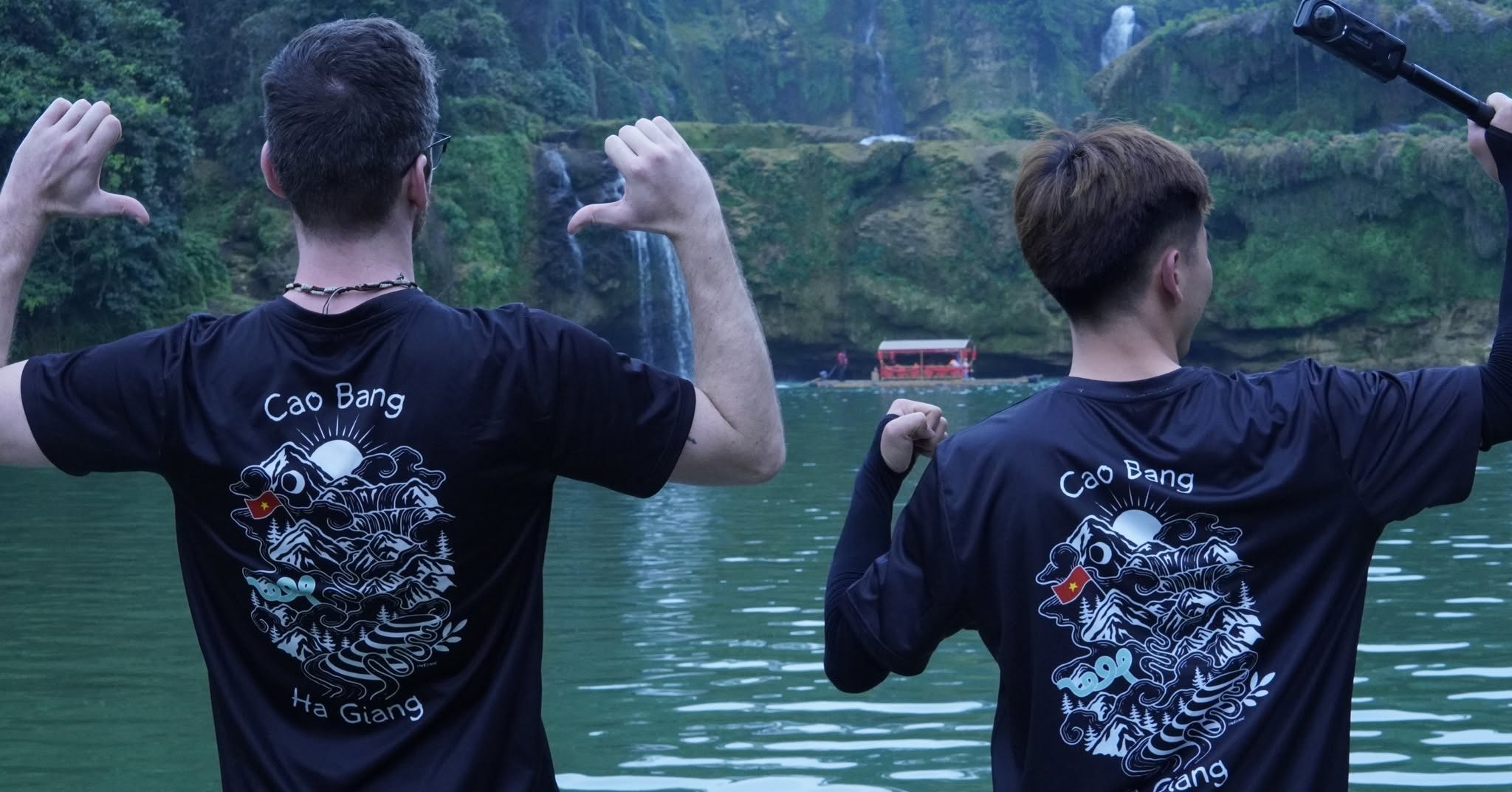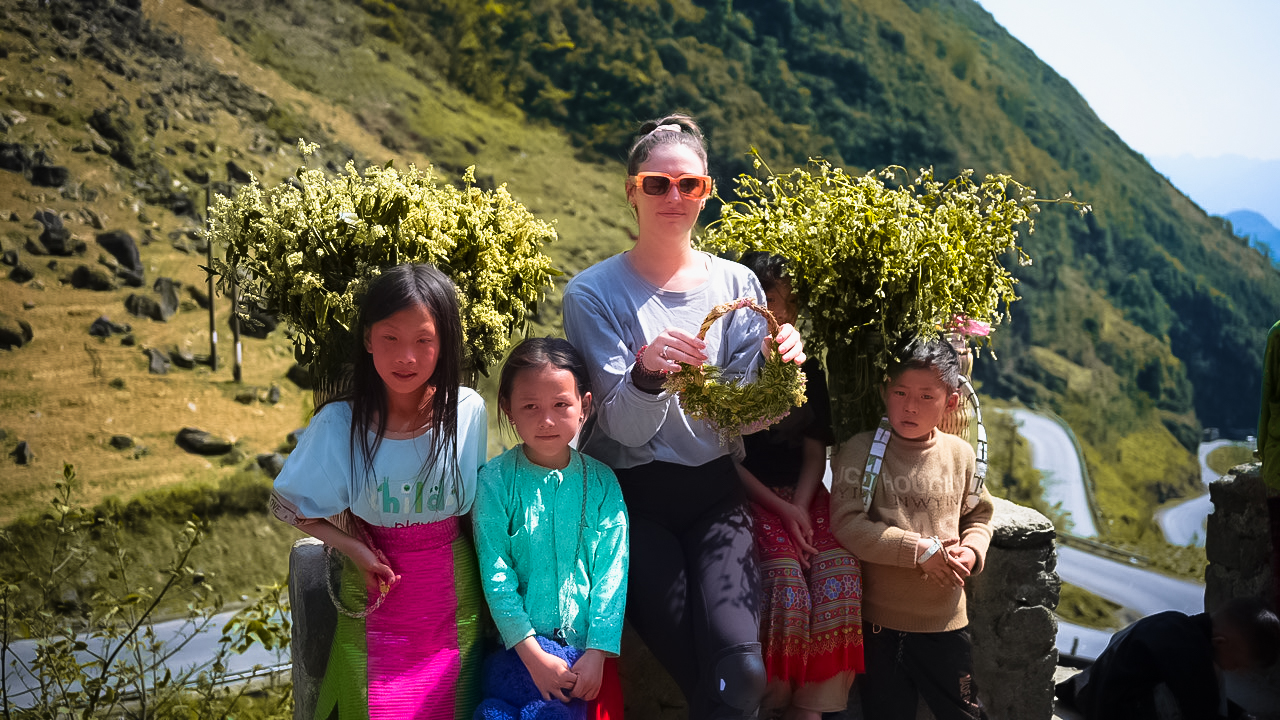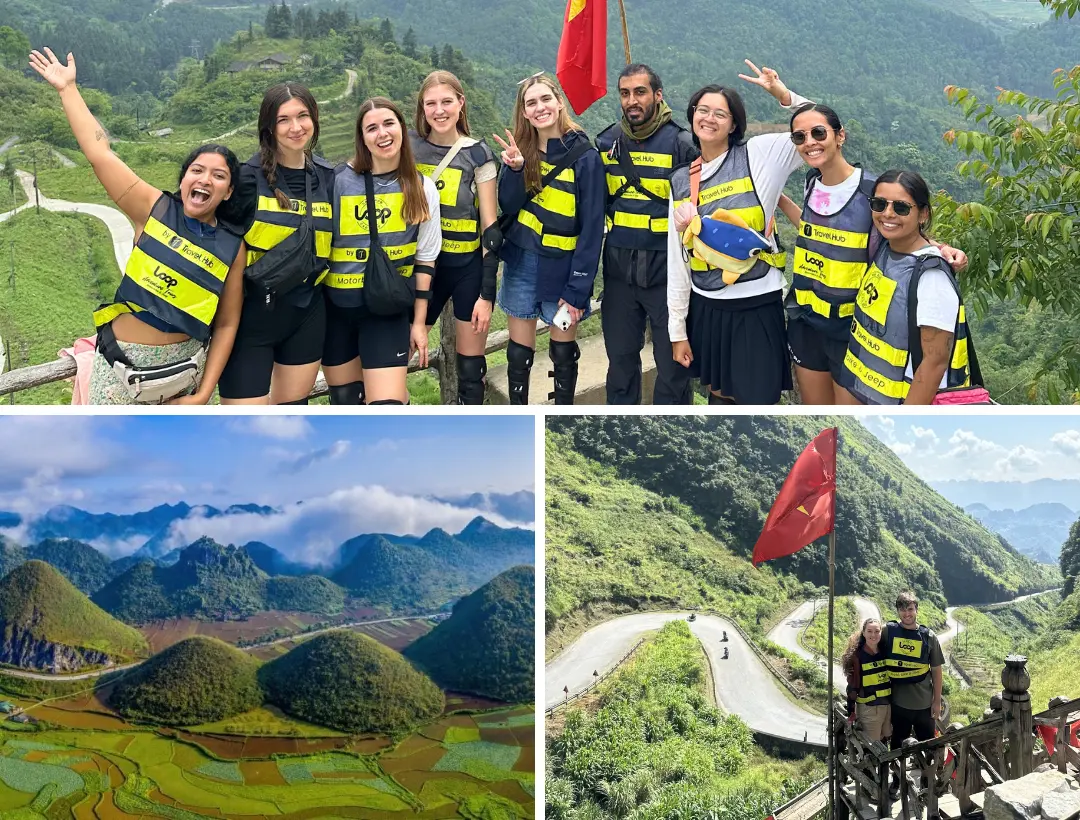


Understanding Cao Bang Loop road conditions by season is essential before planning a trip through one of northern Vietnam’s most scenic mountain regions. Cao Bang is known for limestone peaks, quiet valleys, winding roads, ethnic villages, Ban Gioc Waterfall, Nguom Ngao Cave, Angel Eye Mountain, Ma Phuc Pass, Phong Nam Valley, and peaceful countryside routes. The landscapes are beautiful all year, but the road experience can change a lot depending on the season.
The Cao Bang Loop is usually around 300–350 km, with many travelers completing it in 3 to 4 days. The distance may not look too long on a map, but the route includes mountain passes, rural roads, sharp bends, and scenic stops. Because of this, road conditions, weather, visibility, and daily timing matter more than distance alone.

In general, the easiest road conditions are during the dry months, especially from October to April, while the rainy season from May to August can bring slippery roads, sudden showers, fog, and occasional delays. October and November are often considered some of the best months for riding because of cool weather, clearer skies, and safer road conditions.
If you want a safer and smoother journey, The Loop Tours can help arrange your Cao Bang Loop by Easy Rider, jeep, private car, or guided tour, with local drivers who understand seasonal road conditions.
Perfect Tours for You:
Why Road Conditions Matter on the Cao Bang Loop
Cao Bang is quieter and less crowded than some other northern Vietnam routes, but that does not mean it should be treated lightly. The loop includes winding mountain roads, rural shortcuts, narrow village lanes, and sections where weather can quickly change the riding or driving experience.
A road that feels easy in dry weather can become slippery after rain. A scenic mountain pass can become difficult if fog reduces visibility. A countryside road can take much longer than expected if there is mud, roadwork, or storm damage.
For self-riders, road conditions affect safety, speed, and confidence. For non-riders, road conditions still matter because they influence travel time, comfort, and itinerary planning. Whether you go by motorbike, Easy Rider, jeep, or private car, it is important to understand how each season changes the Cao Bang Loop.
Spring Road Conditions: March to April
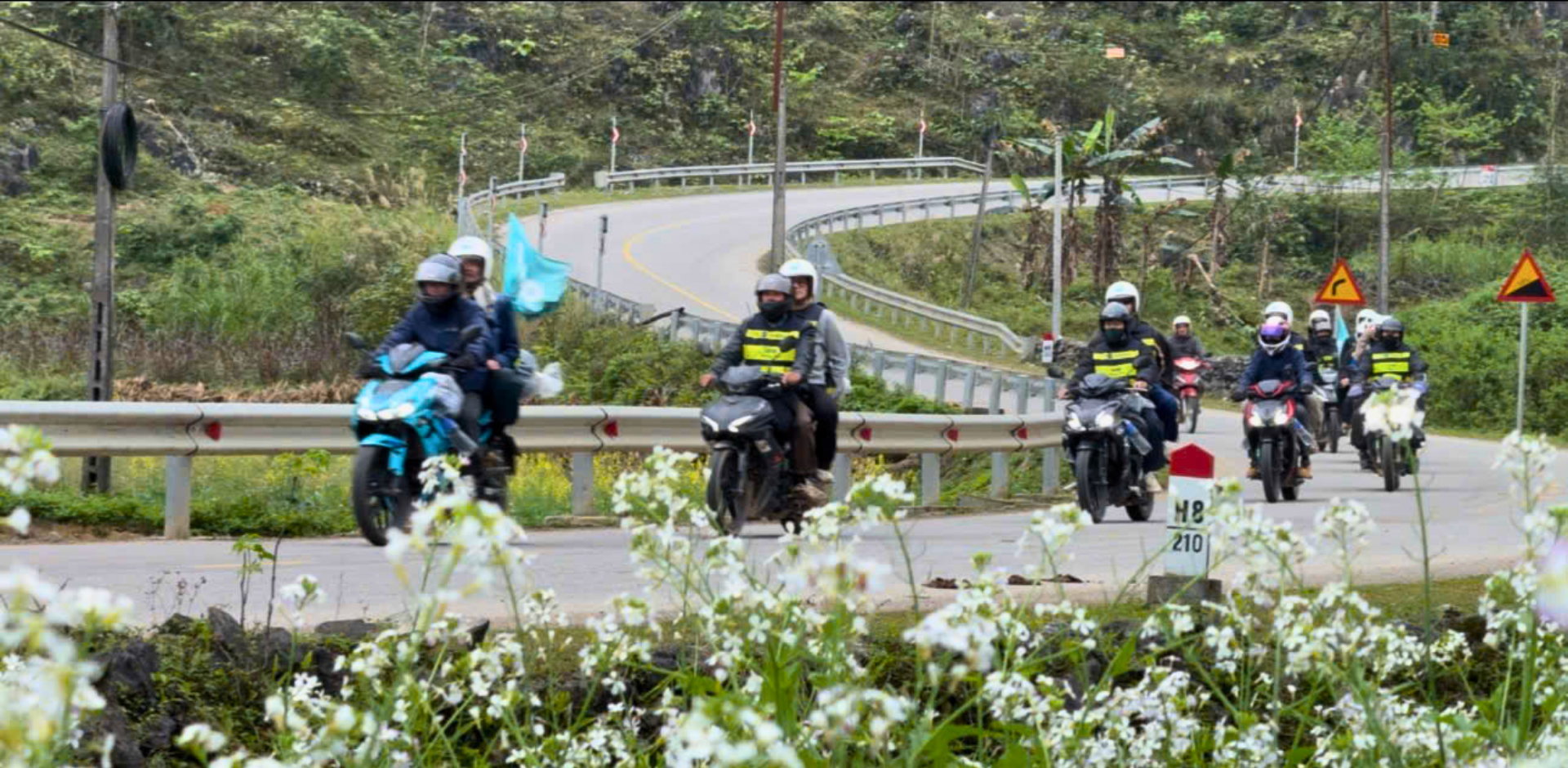
Spring is one of the best seasons for the Cao Bang Loop. The weather is generally mild, the landscapes are fresh, and the roads are usually easier than in the rainy season. April is often described as a good month for the loop, with daytime temperatures around 20–27°C, low to moderate rainfall, and mostly sunny days.
During spring, road surfaces are usually dry or only lightly wet after short showers. Visibility is often better than in winter, and temperatures are comfortable for riding or sightseeing. This makes spring suitable for beginners, couples, families, photographers, and travelers who want a balanced experience.
However, spring can still bring occasional rain or mist in the mountains. You should carry a raincoat, waterproof bags, and warm layers for the evening. If you self-ride, start early and avoid rushing through mountain passes.
Best for: first-time riders, photography, Easy Rider tours, jeep trips, private car journeys, and travelers who want mild weather.
Early Summer Road Conditions: May to June
May and June mark the transition toward the wetter season. May can still be a good time to visit, with warm temperatures, green rice fields, and generally manageable road conditions. Some Cao Bang travel guides describe May as having good road conditions compared with the peak rainy season, while June requires more rain preparation and careful riding.
By June, rain becomes more frequent. Roads may be slippery after showers, especially on curves, downhill sections, and rural roads. Sudden afternoon rain is possible, so early starts are important.
This season is beautiful because the countryside becomes greener and waterfalls begin to gain strength. However, travelers should not treat the roads like dry-season roads. Motorbike riders should slow down, avoid braking suddenly, and be careful around muddy or wet patches.
Best for: travelers who like green landscapes and do not mind some rain. Better with Easy Rider, jeep, or private car if you are not confident riding.
Rainy Season Road Conditions: July to August
July and August are usually the most challenging months for Cao Bang Loop road conditions. Rainfall can be heavy, roads can become slippery, and some rural sections may be affected by mud, loose gravel, or temporary flooding. Mountain visibility can also be reduced by fog or rain clouds.
The rainy season can make Ban Gioc Waterfall more powerful and dramatic, but it also requires flexibility. A waterfall-focused trip during this time can be rewarding, but travelers should avoid overloading the itinerary. Heavy rain can slow travel and make some sections less comfortable.
If you self-ride during the rainy season, you need strong riding skills and patience. Avoid riding too fast, keep extra distance from other vehicles, and never ride through flooded sections unless you are sure it is safe. In remote areas, phone signal may be weak, so getting stuck in bad weather can be stressful.
For most travelers, July and August are better by Easy Rider, jeep, or private car than by self-riding. Local drivers understand which roads are safer and when to adjust the route.
Best for: waterfall lovers, adventurous travelers, and people using local drivers. Not ideal for beginner self-riders.
Autumn Road Conditions: September to November
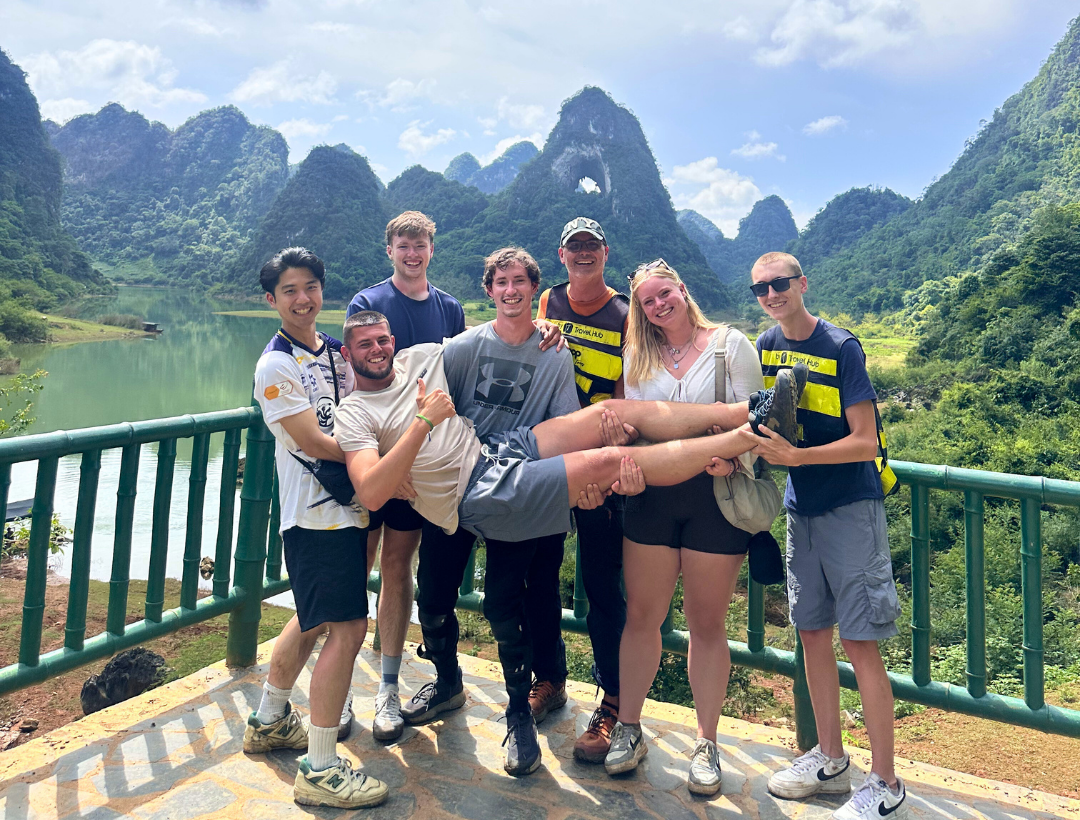
Autumn is widely considered one of the best times for the Cao Bang Loop. After the heaviest rains, the weather becomes cooler and clearer, while landscapes remain lush and beautiful. September through November is often recommended for Cao Bang, with post-monsoon weather, comfortable temperatures, strong flow at Ban Gioc Waterfall, and golden rice scenery in some areas.
Road conditions in autumn are usually much better than in the peak rainy season. Visibility improves, rain decreases, and temperatures become more comfortable. October and November are especially popular because they offer a strong balance between road safety, scenery, and weather.
Late September can be especially photogenic around Ban Gioc and nearby rice fields, but there may still be some leftover rain. October is often one of the safest and most beautiful months for the loop.
Best for: photography, self-riding, Easy Rider tours, jeep trips, couples, families, and first-time visitors.
Winter Road Conditions: December to February
Winter in Cao Bang is usually drier, but it can be cold and foggy. Roads may be less slippery than in the rainy season, but visibility can become a challenge, especially in the morning or on higher mountain sections. Some guides describe winter as cold, dry, and sometimes foggy, with fewer tourists but chillier conditions.
The roads themselves may be manageable, but the cold can make motorbike riding uncomfortable. If you are on a motorbike or Easy Rider, bring warm layers, gloves, windproof clothing, and a rain jacket. Fog can also make curves and passes harder to read, so riders should slow down and use lights.
Winter is better for travelers who prefer quiet roads and fewer crowds. It is less ideal for those who dislike cold weather or want bright, clear mountain views every day.
Best for: quiet travel, car or jeep trips, travelers who do not mind cold weather. Less ideal for long motorbike days without warm clothing.
Dry Season vs Rainy Season
The dry season is generally better for road safety. From around October to April, you can expect cooler weather, lower rainfall, and easier mountain travel. This is the best time for beginners and self-riders.
The rainy season brings greener scenery and stronger waterfalls, but it also brings more risk. From May to August, especially July and August, road surfaces can be slippery, visibility can drop, and travel times can increase.
If your priority is safe riding, choose the dry season. If your priority is powerful waterfalls and lush scenery, the rainy season can be beautiful, but you should choose a safer transport style and keep your itinerary flexible.
Road Conditions by Transport Type
Motorbike
Motorbikes offer the most freedom but require the most caution. Dry-season riding is usually manageable for confident riders. Rainy-season riding is much harder and not recommended for beginners.
Easy Rider
Easy Rider tours are a strong option in every season because local drivers understand the roads. This is especially useful in rainy weather, fog, or unfamiliar rural areas.
Jeep
A jeep is a comfortable and adventurous option for travelers who want road-trip scenery without motorbike stress. It is especially useful in rainy or colder months.
Private Car
A private car is the most comfortable choice for families, couples, older travelers, and non-riders. It is also the safest option if you want protection from rain, cold, or difficult road conditions.
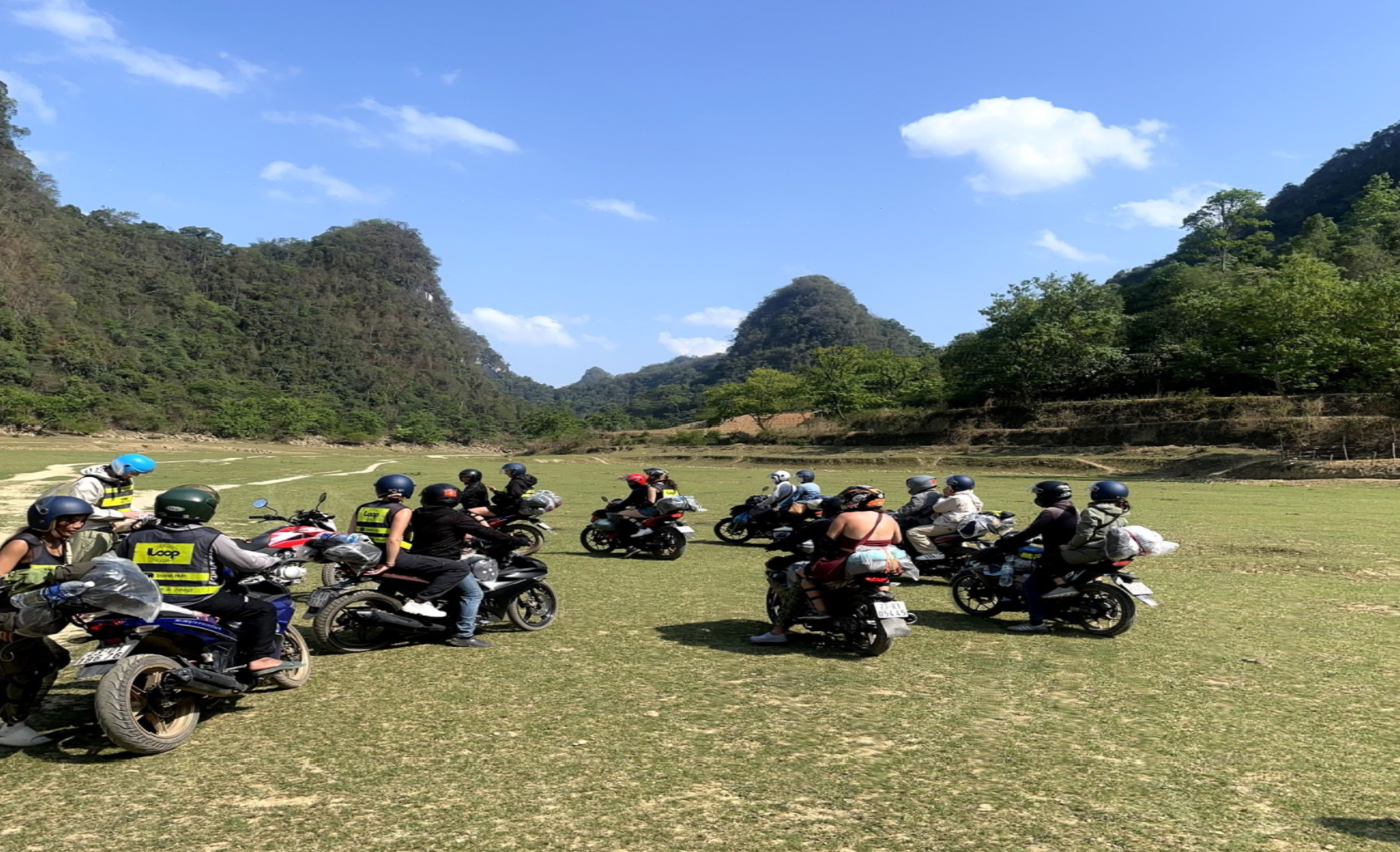
Seasonal Safety Tips for the Cao Bang Loop
Start early each day. Afternoon rain is more common in warmer months, and early starts give you more daylight for delays.
Avoid riding after dark. Rural roads can be poorly lit, and fog or rain can make night travel risky.
Download offline maps before leaving Cao Bang City. Mobile signal may be weak in valleys and remote areas.
Carry rain gear in every season. Even in dry months, mountain weather can change quickly.
Bring warm layers in winter and early spring. Temperatures can drop in the mountains, especially in the evening.
Check your bike carefully if self-riding. Brakes, tires, lights, horn, and mirrors matter even more on mountain roads.
Do not rush. Cao Bang is best enjoyed slowly, with time for photos, food, viewpoints, and villages.
Best Season for Beginners
For beginners, the best seasons are March–April and October–November. These months usually offer a good mix of safer road conditions, comfortable temperatures, and beautiful scenery. April is often praised for mild weather and enjoyable riding, while October and November are known for dry, clear, and scenic conditions.
Beginners should avoid peak rainy-season self-riding unless they have strong motorbike experience. If traveling from May to August, consider booking an Easy Rider, jeep, or private car.
Why Book with The Loop Tours?
If you are unsure about Cao Bang Loop road conditions by season, booking with The Loop Tours can make the journey easier and safer. Local guides and drivers know which routes are suitable, when to leave, where to stop, and how to adjust the plan if weather changes.
This is especially helpful for beginners, non-riders, families, couples, and travelers visiting Cao Bang for the first time. Whether you choose Easy Rider, jeep, or private car, local support helps you enjoy Ban Gioc Waterfall, Nguom Ngao Cave, Angel Eye Mountain, Phong Nam Valley, craft villages, and mountain roads with more confidence.
Final Thoughts
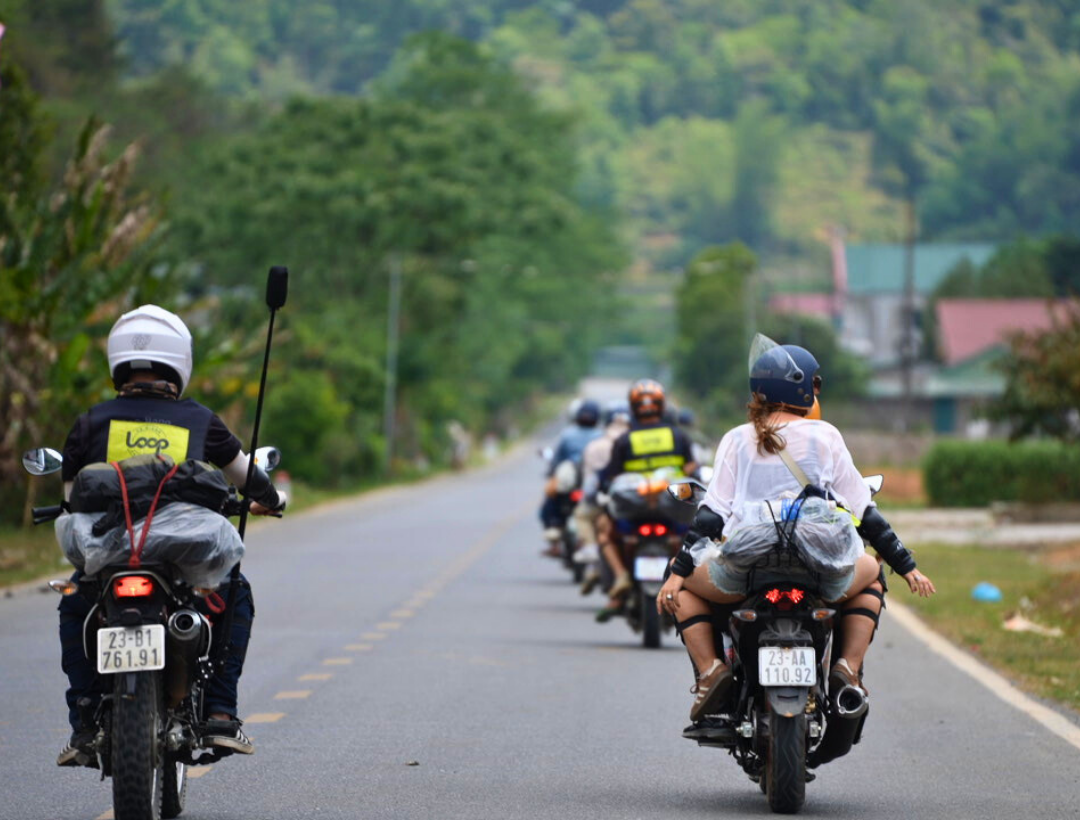
The Cao Bang Loop road conditions by season can change from smooth and scenic to wet and challenging depending on the time of year. Spring and autumn are the most balanced seasons, with comfortable temperatures and safer roads. Summer brings lush scenery and stronger waterfalls but also rain and slippery surfaces. Winter is drier and quieter but can be cold and foggy.
For most travelers, October to April offers the best road conditions, while July and August require the most caution. If you want the safest and smoothest experience, plan carefully, choose the right transport, and avoid rushing the route.
Ready to travel Cao Bang in the right season? Book your Cao Bang Loop with The Loop Tours and enjoy local guidance, safer route planning, comfortable transport, homestays, waterfalls, caves, valleys, and unforgettable mountain roads.