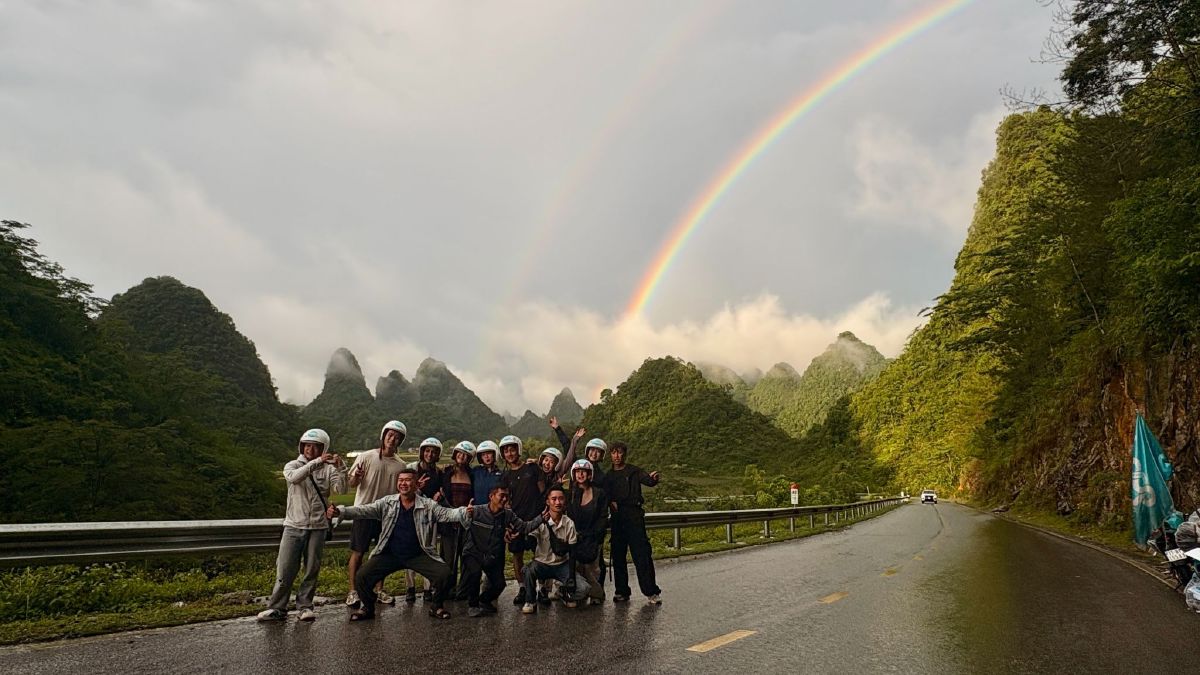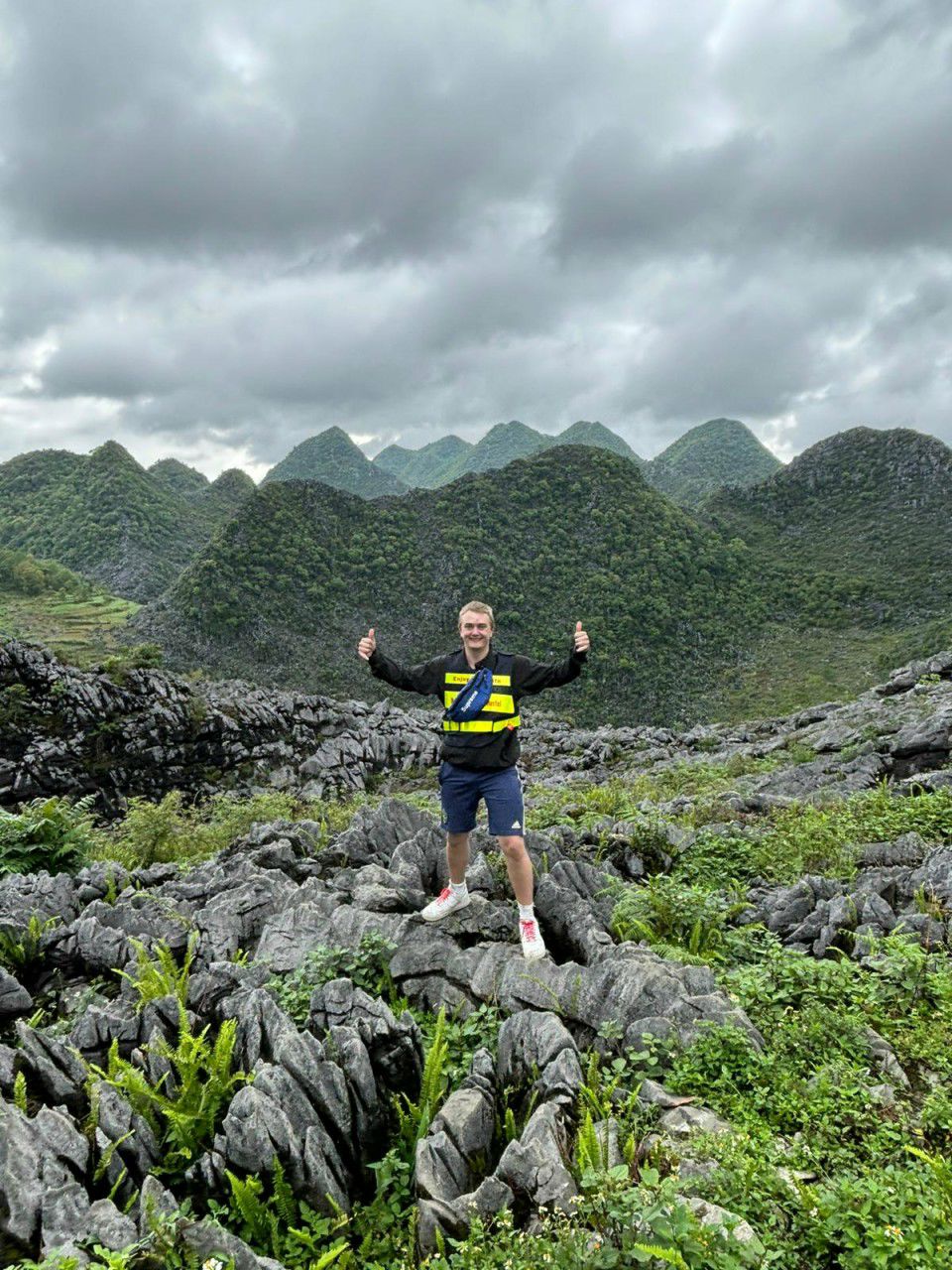


Looking for Ban Gioc waterfall photography tips (best viewpoints)? Ban Gioc (Bản Giốc) is one of Vietnam’s most photogenic places: layered curtains of water, jade-green pools, and limestone peaks stacked behind the falls like a painting. The challenge isn’t getting a decent photo - it’s coming home with images that look clean, dramatic, and different from everyone else’s. This guide shares the best viewpoints for Ban Gioc Waterfall, the ideal time to shoot, camera and phone settings that actually work, and practical tips to handle crowds and waterfall spray.
Perfect Tours for You:
When to shoot Ban Gioc Waterfall (timing matters)
Best seasons for photography
Ban Gioc changes a lot across the year, so pick the vibe you want:
-
Rainy season (roughly May–September): the waterfall is usually more powerful, the landscape is greener, and the scene feels “wild.” Great for dramatic wide shots - but expect humidity, rain risk, and slippery paths.
-
Dry season (roughly October–April): clearer skies, easier travel, and calmer shooting conditions. Water flow can be gentler, which some photographers prefer for cleaner textures and easier long exposures.
Best time of day
-
Early morning: soft light, fewer people, and calmer wind - great for reflections and clean compositions.
-
Late afternoon: warm tones and nicer contrast on the mountains if the sky is clear.
-
Midday: harsh light isn’t ideal, but if the water is strong and you’re focused on action shots (rafts, spray, rainbows), midday can still work.
Simple rule: arrive early, shoot wide first, then move closer.
Best viewpoints at Ban Gioc (where to stand for the strongest photos)
Main viewing area (the classic “postcard” wide shot)
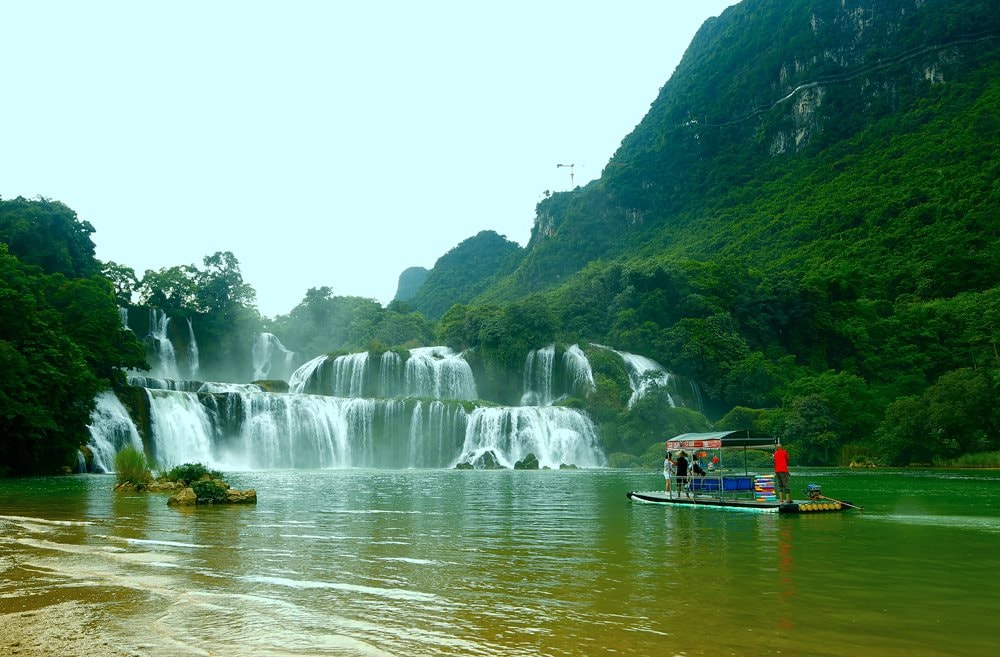
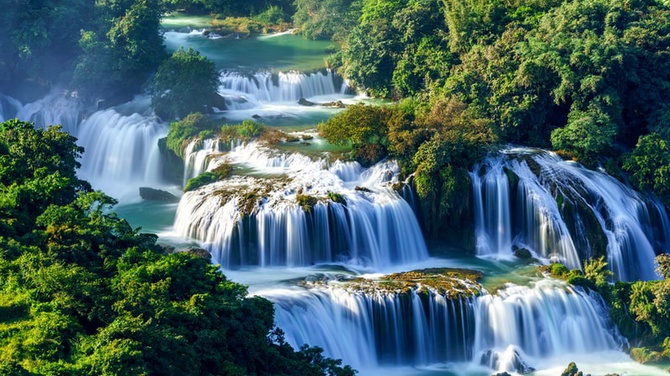
This is the easiest and most reliable spot to frame the full multi-tier waterfall. It’s where you’ll get the iconic Ban Gioc look - water curtains spanning the whole scene with karst mountains behind.
How to shoot it better than everyone else
-
Go ultra-wide and keep the horizon level.
-
Add foreground depth: river edge, rocks, or a tree branch (but don’t clutter the frame).
-
Take both horizontal (grand landscape) and vertical (tiered falls + towering peaks).
Phone tip: step back a little. Wide lenses distort edges - backing up often makes the waterfall look bigger and cleaner.
Bamboo raft perspective (best close-up drama + sense of scale)
If you want spray, power, and a strong “I was there” feeling, the bamboo raft is unbeatable. You can capture water textures up close and show scale by including people, raft edges, or the mist line near the falls.
Best shots on the raft
-
Wide shot: raft edge in foreground + waterfall curtain behind.
-
Tele shot: isolate water textures, streams, and rock lines.
Spray survival tip: bring a microfiber cloth and wipe your lens constantly - water spots will ruin sharpness fast.
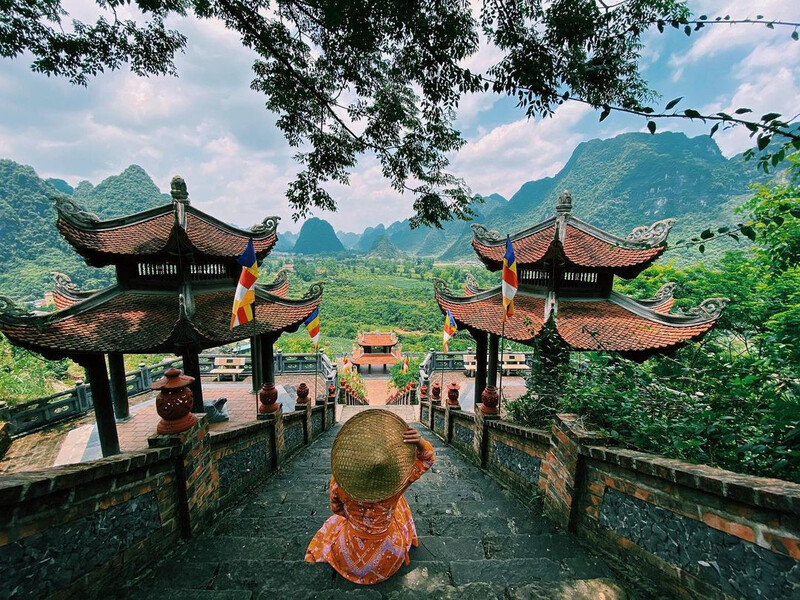
Trúc Lâm Pagoda viewpoint (best panoramic overlook)
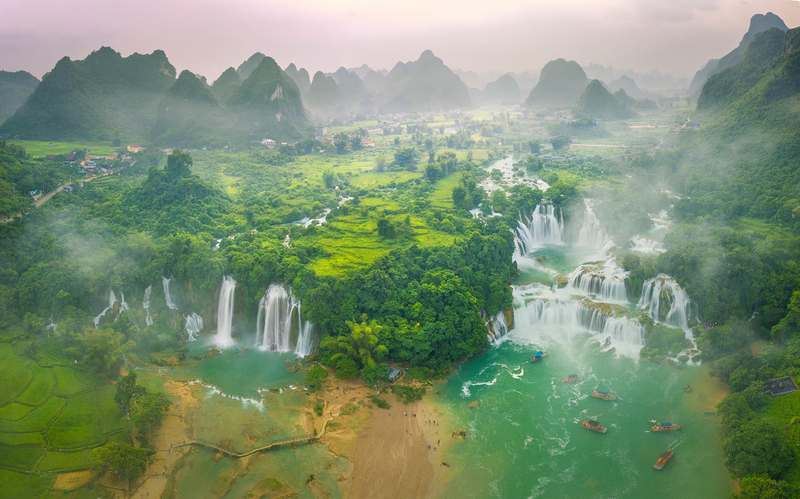
For your “hero” landscape photo - Ban Gioc in its valley context - head to the pagoda viewpoint above the area. From higher ground, you can capture the falls with the river and mountain layers around it.
Why it’s worth it
-
Wider storytelling frame: mountains + river + waterfall
-
Great for telephoto compression (layers of karsts look stacked and dramatic)
-
Less spray than the river-level viewpoints
Pro tip: if morning fog is thick, return later. This viewpoint looks best with clearer visibility.
River and rice-field compositions (best foreground leading lines)
Many people shoot only the waterfall. The secret to more “pro-looking” photos is using the river and seasonal fields as leading lines and color blocks.
What to look for
-
An S-curve river line pointing toward the falls
-
Grass/rocks at the water edge for texture
-
Layers: foreground (river) → midground (falls) → background (karsts)
This is where you can get the kind of photo that feels like a full landscape story, not just a waterfall snapshot.
Side angles for layered curtains (best for depth)
Depending on paths and access, side angles can show how the waterfall fans across multiple levels. These angles are excellent for depth: you see water layers overlapping, with mountains peeking behind.
Composition trick: place the main water curtain off-center (rule of thirds) and leave space for the mountains to “breathe.”
Camera settings and phone settings that work at Ban Gioc
Freeze the motion (crisp water detail)
Use this when you want sharp streams and spray:
-
Shutter: 1/500 to 1/2000
-
ISO: low as possible
-
Aperture: f/4–f/8 depending on lens and light
Great for raft shots and dynamic water textures.

Silky long exposure (the classic waterfall look)
Use this when you want smooth, flowing water:
-
Shutter: start at 1/4 to 2 seconds
-
Tripod: strongly recommended
-
ND filter: helpful in bright light
Don’t overdo it: extremely long exposures can turn the waterfall into a white “blob.” Aim for texture, not just blur.
Protect highlights (water blows out easily)
Waterfalls clip highlights fast. To avoid blown whites:
-
Lower exposure slightly (underexpose a touch)
-
Use HDR on phones
-
Shoot RAW if you can
-
Consider bracketing (multiple exposures) if your camera supports it
Gear checklist (small items that make a huge difference)
-
2–3 microfiber cloths (lens wipes are non-negotiable)
-
Rain cover / zip bag for camera and phone
-
Polarizing filter (CPL): reduces glare on wet rocks and deepens greens
-
Tripod: for long exposures and panoramas
-
Waterproof shoes or grippy sandals: paths can be slick

Practical tips for cleaner shots (crowds, timing, and stress)
Beat the crowds
-
Arrive early for the main viewpoint.
-
Shoot your wide landscape first, then move into closer details.
-
If it’s busy, use a longer lens to isolate water textures and avoid people in frame.
Keep your photos sharp
-
Wipe lens constantly (spray is relentless).
-
Avoid touching the lens with wet fingers - use cloth only.
-
If using a phone, wipe the camera lens every few minutes.
Safety reminder
Rocks near waterfalls can be slippery. Prioritize stable footing over “one more step closer.” A great photo isn’t worth a fall.
Quick shot list (if you only have 60–90 minutes)
-
Main viewing area wide shot (hero landscape)
-
River/foreground composition (leading line shot)
-
Bamboo raft close-up (drama + texture)
-
Pagoda viewpoint panorama (valley context)
-
Detail textures (telephoto streams, spray, rock patterns)
Conclusion
For the best Ban Gioc waterfall photography tips (best viewpoints), follow one simple plan: shoot wide early at the main viewing area, get close-up drama on the bamboo raft, then finish with a panoramic frame from the higher viewpoint. Add river foregrounds for depth, protect highlights, and treat lens wiping like part of your workflow.
Ready to plan, get a price, or just ask questions?
👉 Call/WhatsApp The Loop Tours - Hotline: +84862443320