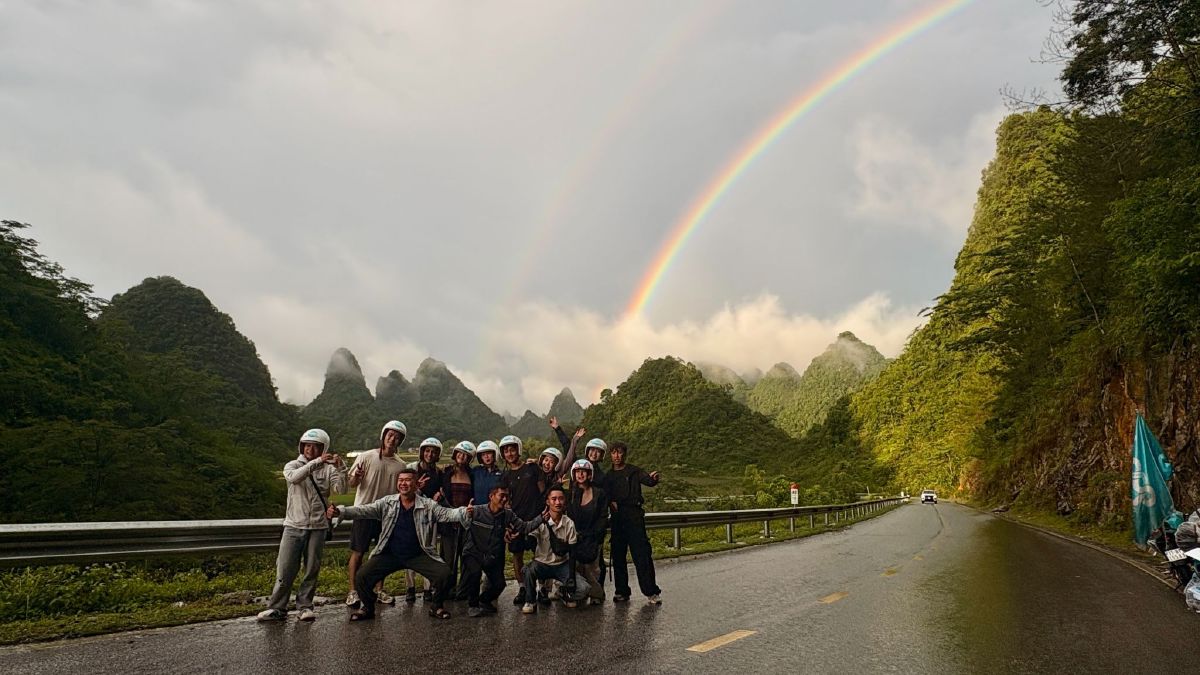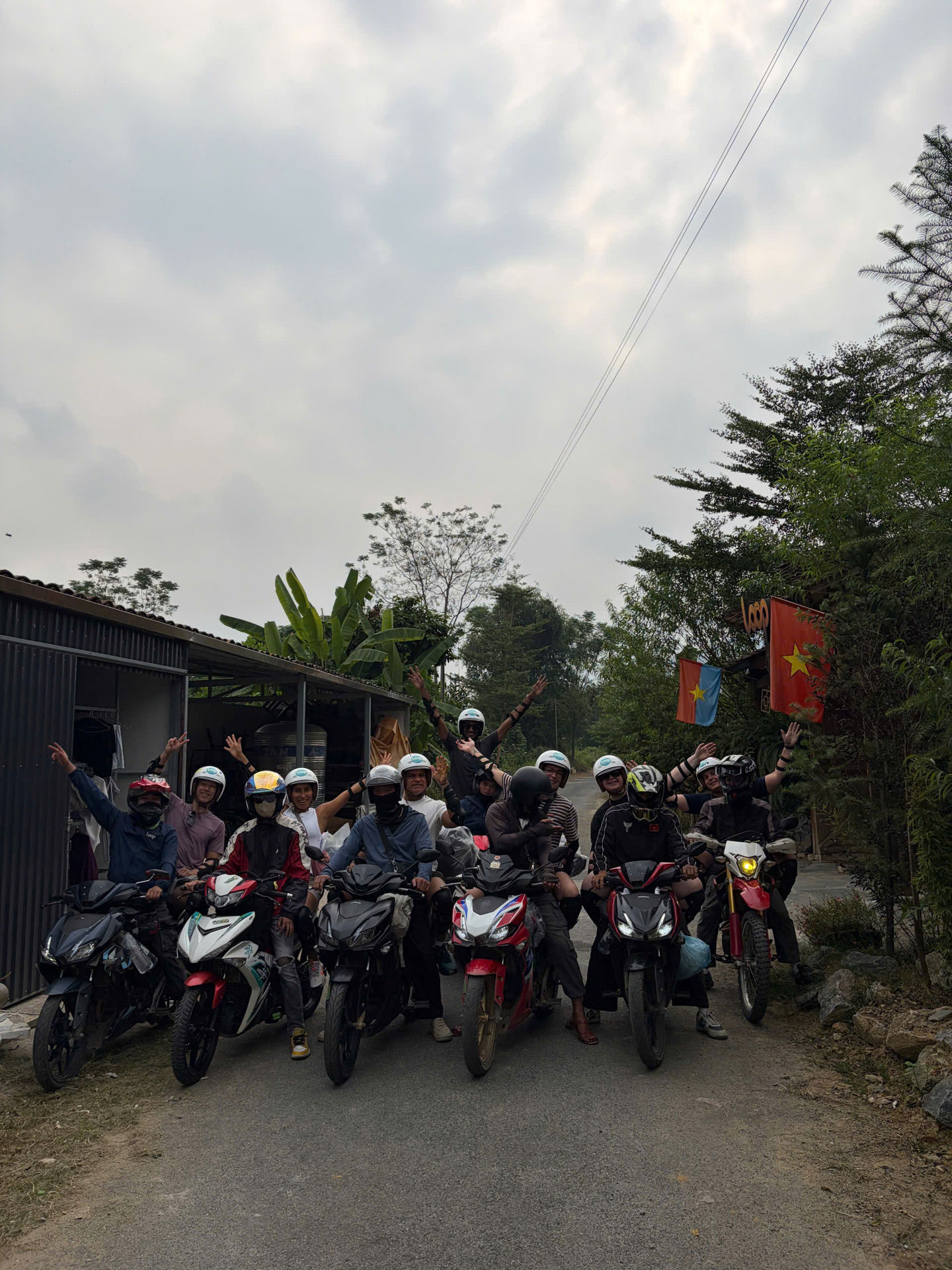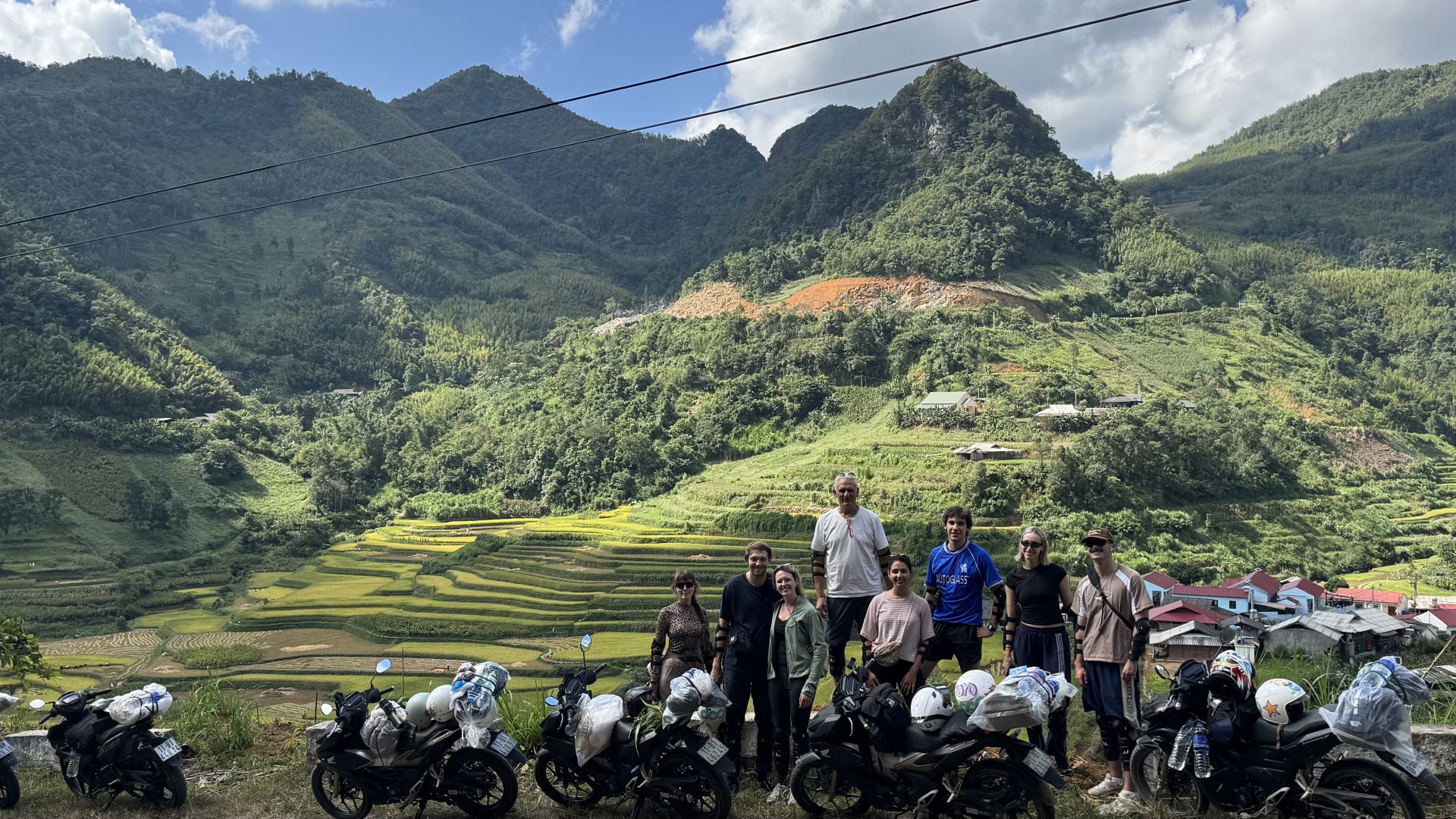


Exploring the hidden villages in Ha Giang is one of the best ways to experience the province beyond its famous mountain passes and viewpoints. Ha Giang is known for the legendary Ha Giang Loop, dramatic limestone peaks, winding roads, deep valleys, and ethnic minority cultures. But some of its most meaningful travel moments happen away from the busiest stops, in quiet villages where traditional houses, local crafts, family meals, and mountain life still shape the rhythm of each day.
Many travelers come to Ha Giang for Ma Pi Leng Pass, Dong Van, Nho Que River, and Quan Ba Heaven Gate. These places are truly beautiful, but the villages add a deeper layer to the journey. They help you understand Ha Giang not only as a scenic destination, but also as a living cultural landscape.
If you want to explore the region with less stress, The Loop Tours can help plan a route that includes scenic villages, local stops, and comfortable stays such as Loop Eco Stone House Ha Giang and Dong Van Eco Stone House. This makes it easier to enjoy both the highlights and the quieter corners of Ha Giang.
Why Visit Hidden Villages in Ha Giang?
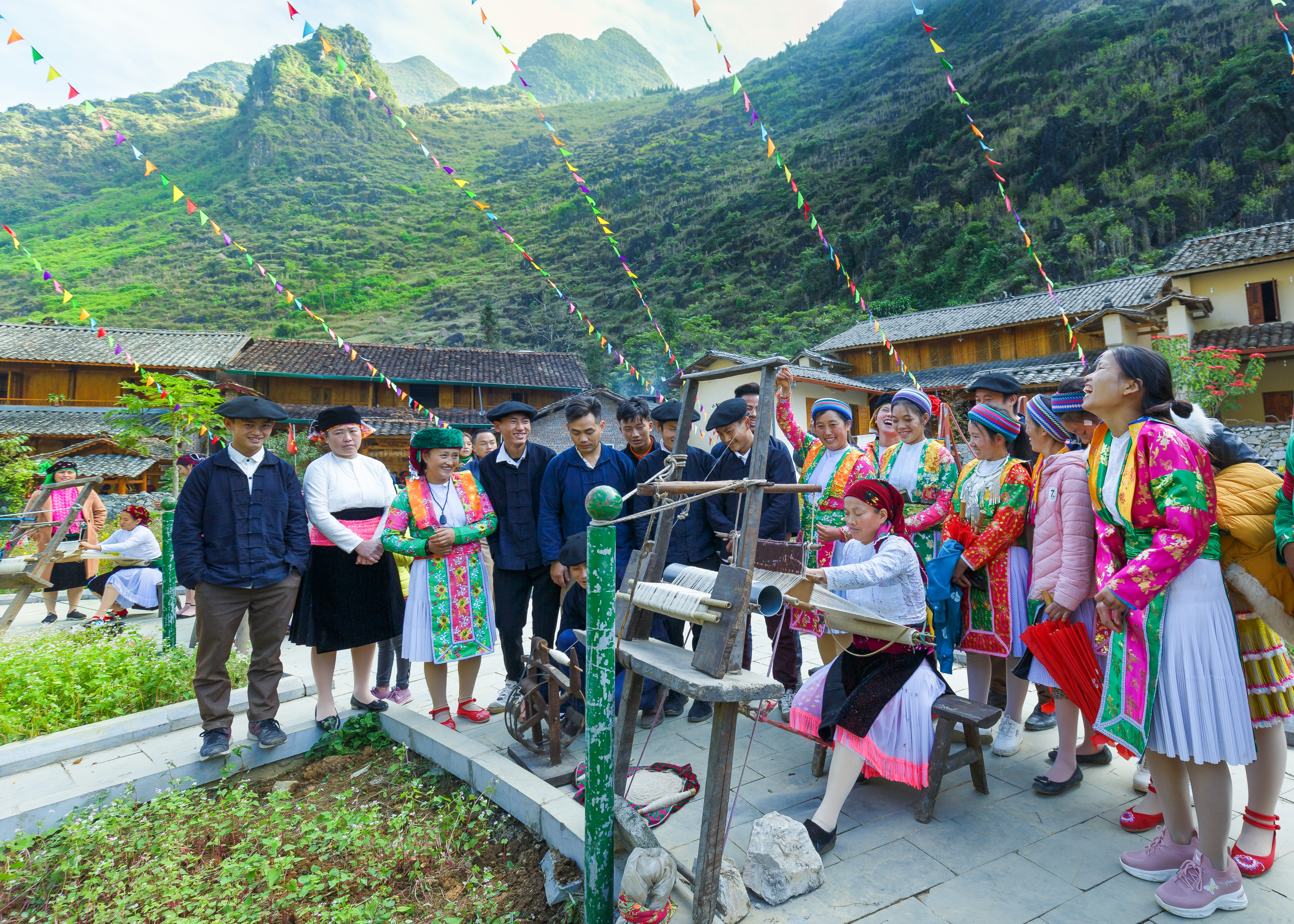
The hidden villages in Ha Giang offer something different from the main viewpoints. They are quieter, more personal, and often more connected to local life. Instead of simply stopping for a quick photo, you can walk through small lanes, see traditional homes, learn about local crafts, and enjoy the peaceful mountain atmosphere.
Ha Giang is home to many ethnic groups, including the Hmong, Dao, Tay, Giay, and Lo Lo communities. Each village has its own architecture, clothing, food, festivals, and way of life. Visiting these villages gives travelers a chance to experience the cultural diversity of northern Vietnam in a respectful and meaningful way.
A village visit also helps slow down the Ha Giang Loop. Rather than spending every day riding from pass to pass, you can pause, meet people, and appreciate the region’s everyday beauty.
Nam Dam Village
Nam Dam Village is one of the best cultural villages to visit near Quan Ba. It is located around 45–50 kilometers from Ha Giang City and is known as a Dao ethnic village with strong cultural identity and community-based tourism. Several travel guides describe Nam Dam as a peaceful village that preserves Dao customs, traditions, and local architecture.
This village is a great stop early in the Ha Giang Loop. It is close to Quan Ba Heaven Gate and the Twin Mountains, making it easy to combine scenic viewpoints with a cultural visit. Travelers can walk around the village, see traditional houses, enjoy local meals, and sometimes experience herbal baths, which are associated with Dao traditions.
Nam Dam is ideal for travelers who want a gentle introduction to rural Ha Giang without going too far off the route.
Thon Tha Village
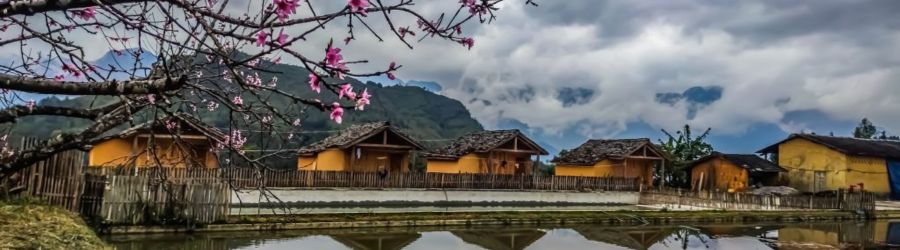
Thon Tha Village is a quiet Tay village located only a few kilometers from Ha Giang City, making it one of the easiest hidden villages to visit before or after the loop. It is known for traditional stilt houses, rice paddies, rolling hills, and a peaceful atmosphere. Travel guides often recommend Thon Tha for visitors looking for an authentic overnight experience close to Ha Giang City.
Because it is close to the city, Thon Tha is a good option if you arrive early and want a soft start before tackling the mountain roads. You can take a slow walk through the village, enjoy the scenery, and learn about Tay culture without needing a long transfer.
For travelers staying at Loop Eco Stone House Ha Giang, Thon Tha can work well as a nearby cultural stop before or after the main loop journey.
Lung Tam Village
Lung Tam Village is one of the most interesting hidden villages in Ha Giang for travelers interested in traditional crafts. Located in Quan Ba District, it is known for Hmong hemp weaving, natural indigo dyeing, and handmade textile production. Recent travel guides describe Lung Tam as a cultural destination where visitors can see the process of growing hemp, weaving cloth, dyeing fabric, and decorating textiles with traditional patterns.
A visit to Lung Tam adds depth to a Ha Giang itinerary because it shows the skill and patience behind local craft traditions. Instead of buying a souvenir without context, you can understand how much work goes into each piece of fabric.
Lung Tam is especially good for travelers who enjoy culture, photography, slow travel, and meaningful local experiences.
Du Gia Village
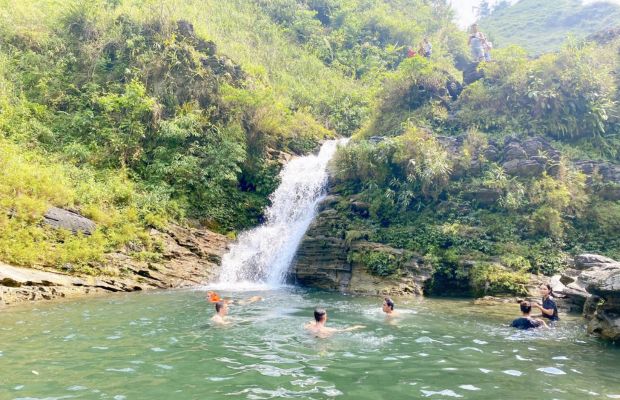
Du Gia is no longer completely unknown, but it still feels like one of the most peaceful village stops on the Ha Giang Loop. It is associated with the Tay ethnic community and is known for green valleys, rice fields, stilt houses, waterfalls, and family-run homestays. Travel guides describe Du Gia as a village area surrounded by rice fields and traditional Tay houses, with Du Gia Waterfall often included as a natural highlight.
Du Gia is best for travelers who want to slow down after the dramatic mountain roads around Dong Van and Meo Vac. Instead of sharp cliffs and rocky landscapes, Du Gia offers a softer countryside feeling. You can enjoy a quiet homestay dinner, take a short walk, visit the waterfall, or simply relax in the village.
For many travelers, Du Gia becomes one of the most memorable overnight stops because it feels calm, local, and welcoming.
Ma Le Village
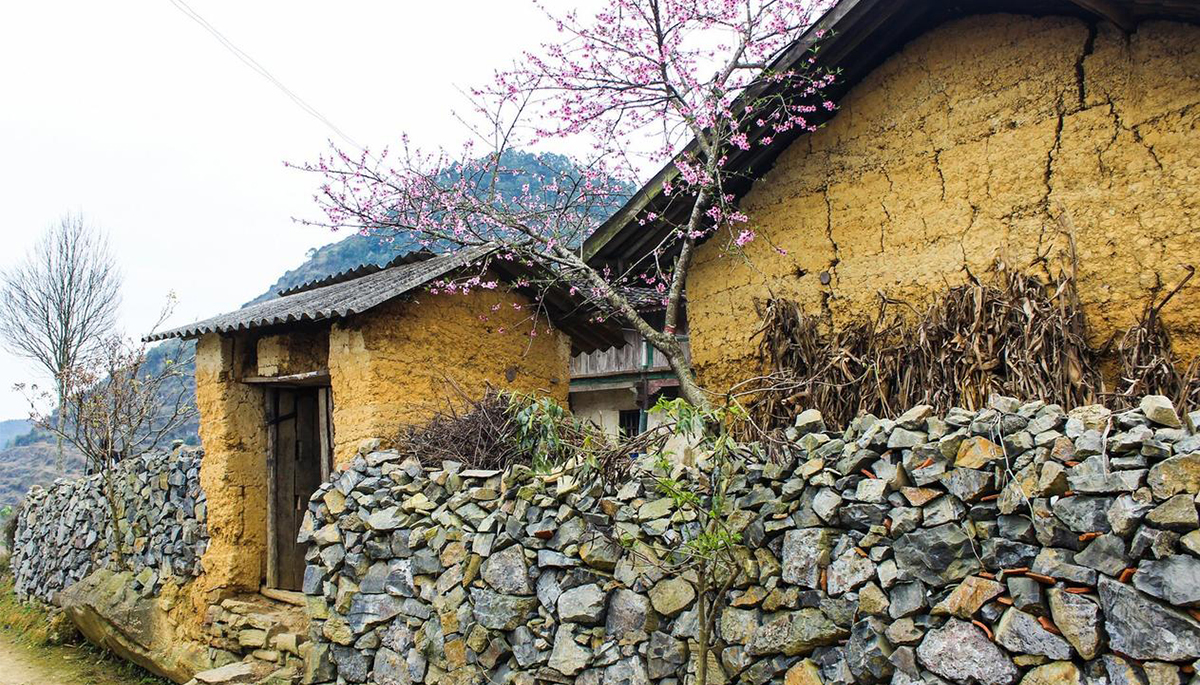
Ma Le Village is located along the road between Dong Van and Lung Cu. It is associated with the Giay ethnic group and is known for traditional houses, quiet village lanes, and a more authentic local atmosphere. Travel guides describe Ma Le as a village with traditional yellow clay houses, some old homes, and a strong sense of local life.
This village is a good side stop if your itinerary includes Lung Cu Flag Tower. It gives you a chance to see a less crowded village in the northern part of Ha Giang and experience a different cultural setting from the more visited towns.
Ma Le is best visited slowly. Take time to walk, observe the architecture, and respect the privacy of local families.
Lo Lo Chai Village
Lo Lo Chai Village is located near Lung Cu Flag Tower and is one of the most atmospheric villages in northern Ha Giang. It is known for traditional clay houses, stone fences, mountain views, and Lo Lo ethnic culture. A recent guide notes that Lo Lo Chai was recognized by UN Tourism as one of the “Best Tourism Villages,” and describes it as a place of rammed-earth houses, yin-yang tiled roofs, and stone fences.
Lo Lo Chai is more developed for tourism than some remote villages, but it still keeps a strong cultural identity. It is especially beautiful in soft morning or late-afternoon light, when the clay walls and stone details look warm and photogenic.
This village is a good choice for travelers who want a scenic cultural stop near Vietnam’s northernmost landmark.
Pho Bang Village
Pho Bang is often described as an old, atmospheric village with traditional architecture, quiet streets, and a “living museum” feeling. It is home to old houses, narrow lanes, and local markets that offer a glimpse into highland life away from the busiest tourist stops.
Pho Bang is a good choice for travelers who enjoy old architecture and slower exploration. The village feels different from larger towns like Dong Van, and it can be a rewarding stop for photography, culture, and quiet wandering.
Because Pho Bang may require a small detour depending on your route, it is best included in a flexible itinerary rather than a rushed loop.
Lao Xa Village
Lao Xa is another lesser-known village in the Dong Van Karst Plateau area. It is often appreciated for its stone houses, quiet mountain setting, and traditional highland atmosphere. This is the kind of village that appeals to travelers who want to get beyond the standard photo stops and experience a more local side of Ha Giang.
Lao Xa is especially good for photography and cultural observation. The stone walls, mountain backdrop, and slow village rhythm make it feel timeless. As with all village visits, it is important to be respectful, avoid intrusive photography, and ask before entering private spaces.
How to Visit Hidden Villages Responsibly
Visiting hidden villages in Ha Giang requires sensitivity. These are not theme parks or staged attractions. They are living communities where people work, raise families, farm, cook, and maintain traditions.
Always ask before taking close-up photos of people, especially children or elderly residents. Dress respectfully, keep noise low, and avoid walking into homes or courtyards without permission. Buying local products, eating at local homes, or staying in family-run accommodation can support the community more directly.
It is also better to travel slowly. A quick stop for photos may give you an image, but a longer visit gives you understanding. Choose fewer villages and spend more time in each one.
Best Time to Visit Villages in Ha Giang
The best time to visit hidden villages in Ha Giang is usually spring or autumn. Spring brings pleasant weather and fresh green landscapes, while autumn often offers clearer skies and golden rice fields in some areas. Morning is usually the best time for village walks because the light is soft and local life is active.
Avoid arriving too late in the evening unless you are staying overnight. Mountain roads can be difficult after dark, and arriving late may disturb the quiet rhythm of village life.

Plan Village Stops with The Loop Tours
Exploring hidden villages is easier when your route is well planned. Some villages are close to main loop roads, while others require detours. If you try to visit too many in one trip, the journey can feel rushed.
The Loop Tours can help arrange a balanced itinerary that includes famous viewpoints, cultural villages, and comfortable overnight stays. Loop Eco Stone House Ha Giang is a convenient base before or after the loop, while Dong Van Eco Stone House is well placed for exploring Dong Van, Lung Cu, Ma Le, Lo Lo Chai, and nearby highland villages.
With local support, you can visit villages more respectfully and safely while still enjoying the best mountain routes.
Final Thoughts
The hidden villages in Ha Giang are where the province’s cultural depth truly comes alive. Nam Dam offers Dao traditions near Quan Ba, Thon Tha gives a peaceful Tay village experience close to Ha Giang City, Lung Tam highlights Hmong weaving, Du Gia brings calm valley life, and villages like Ma Le, Lo Lo Chai, Pho Bang, and Lao Xa reveal the rich diversity of the northern highlands.
These villages make the Ha Giang Loop more than a scenic road trip. They turn it into a journey through culture, architecture, craft, food, and everyday mountain life.
Ready to explore Ha Giang beyond the usual stops? Book your journey with The Loop Tours and enjoy a thoughtful route through mountain viewpoints, hidden villages, and comfortable stays such as Loop Eco Stone House Ha Giang and Dong Van Eco Stone House.
👉 Call/WhatsApp The Loop Tours — Hotline: +84862443320