

If you’re wondering what to see in Ha Giang in winter, the answer is: a quieter, moodier and often more magical version of Vietnam’s far north. From mist-covered limestone peaks and frosted buckwheat terraces to crisp ethnic markets and rare chances of snow, winter (roughly December–February) turns Ha Giang into a dramatic highland landscape.
This guide walks you through the best places and experiences to seek out in winter, plus why the cold season can be a surprisingly rewarding time to visit.
Perfect Tours for You:
Ha Giang in Winter: What Is It Really Like?
Winter in Ha Giang is cold by Vietnamese standards but usually dry and clear:
-
Temperatures: Around 8–18°C in most areas, but in high districts like Dong Van and Meo Vac it can drop below 5°C, especially in the early morning and at night.
-
Conditions: Minimal rain, frequent mist and fog at dawn, with skies often clearing by midday to reveal huge mountain views.
-
Occasional frost and snow: In some years, higher spots on the Dong Van Karst Plateau and around Lung Cu or Meo Vac briefly see frost or even a thin layer of snow when temperatures dip below 0°C.
Because rainfall is low, the Ha Giang Loop can actually be safer in winter than in the heavy summer monsoon, as long as you respect the cold and fog.
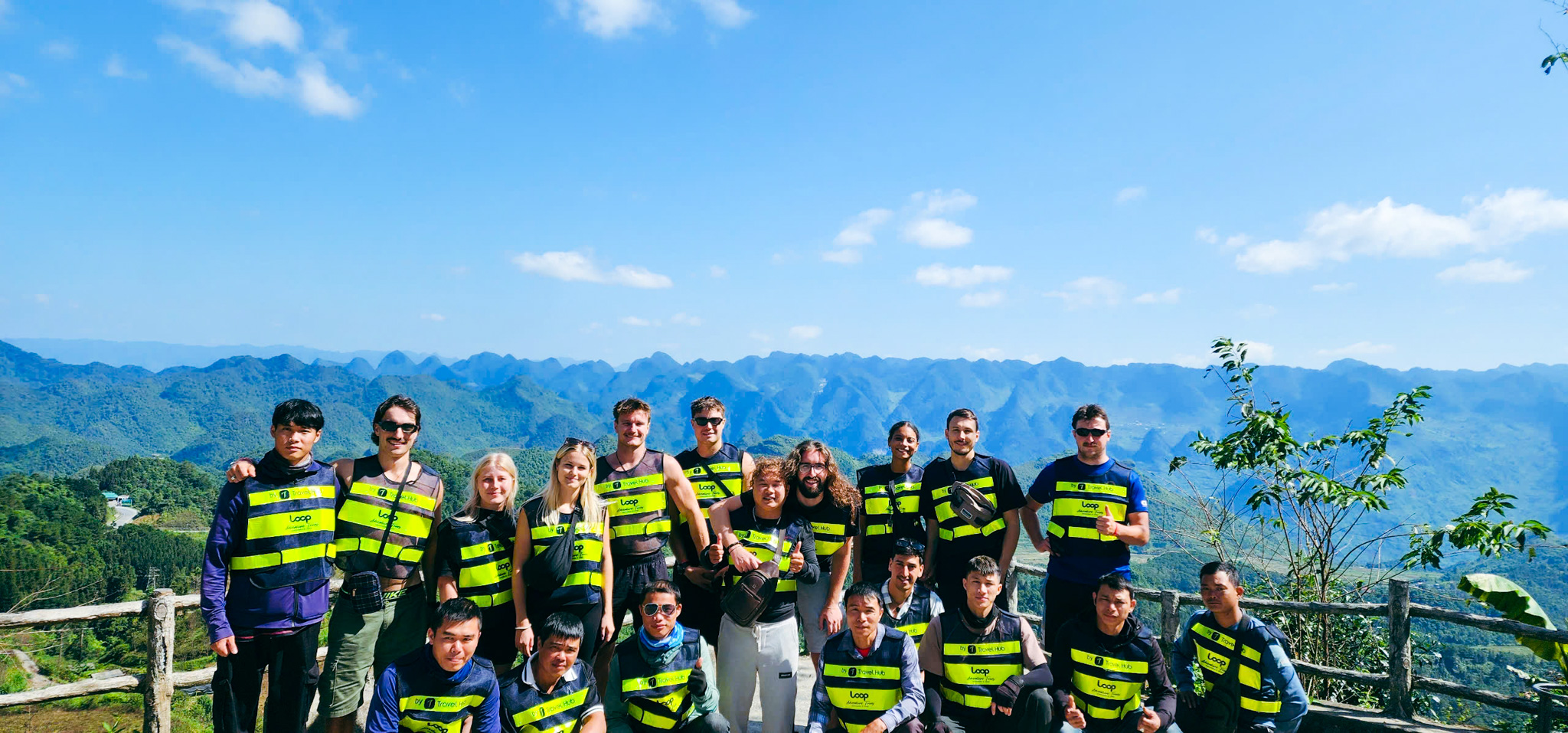
Dong Van Karst Plateau in the Winter Mist
At the top of every list of what to see in Ha Giang in winter is the UNESCO-recognised Dong Van Karst Plateau Geopark.
On cold mornings, limestone ridges and deep valleys emerge slowly from thick fog, creating scenes that look like ink paintings: grey rock spires, drifting clouds and tiny villages clinging to slopes.
Highlights on the plateau in winter:
-
Quan Ba Heaven Gate: Your first big viewpoint, often with low-lying clouds in the valley and crisp air that makes the “Twin Mountains” stand out.
-
Yen Minh pine forests: Dark green pines rising through pale mist – a very different mood from the bright greens of summer.
-
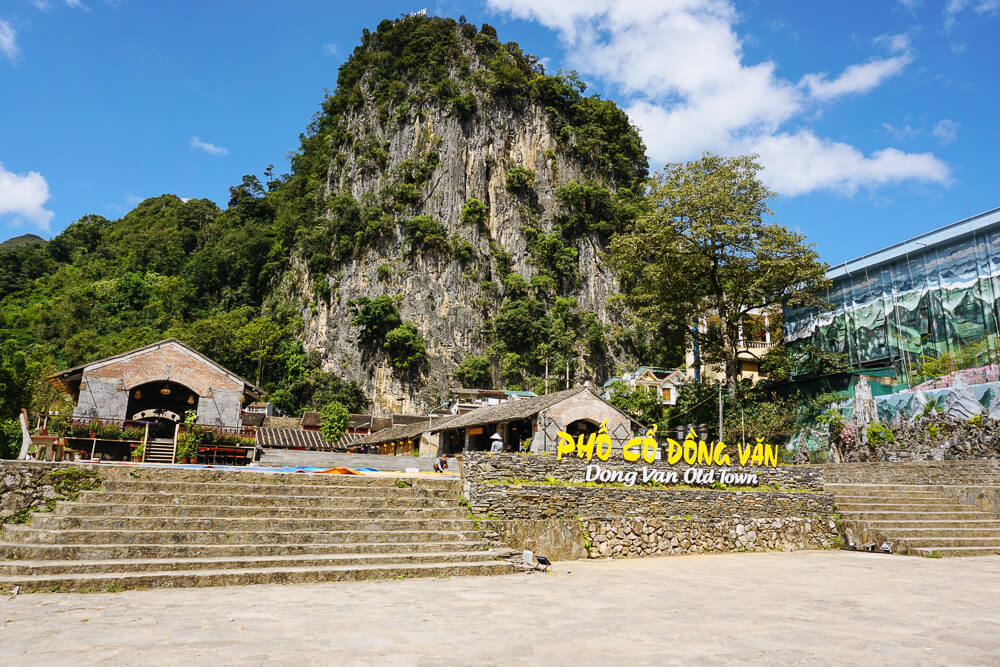
Dong Van Old Quarter: Clay-walled houses and cafes feel extra cozy when the temperature drops; evenings are perfect for hot ginger tea or corn wine.
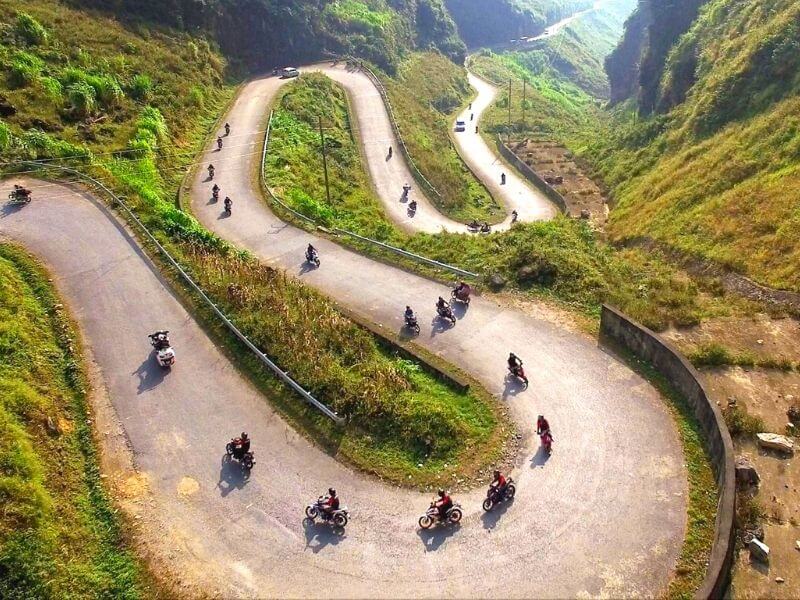
Ma Pi Leng Pass & Nho Que River
Even in winter, Ma Pi Leng Pass remains one of Vietnam’s most spectacular mountain roads. The air is colder and the colors slightly more muted, but the shapes of the mountains and the depth of the Tu San Canyon become even more striking under low winter light.
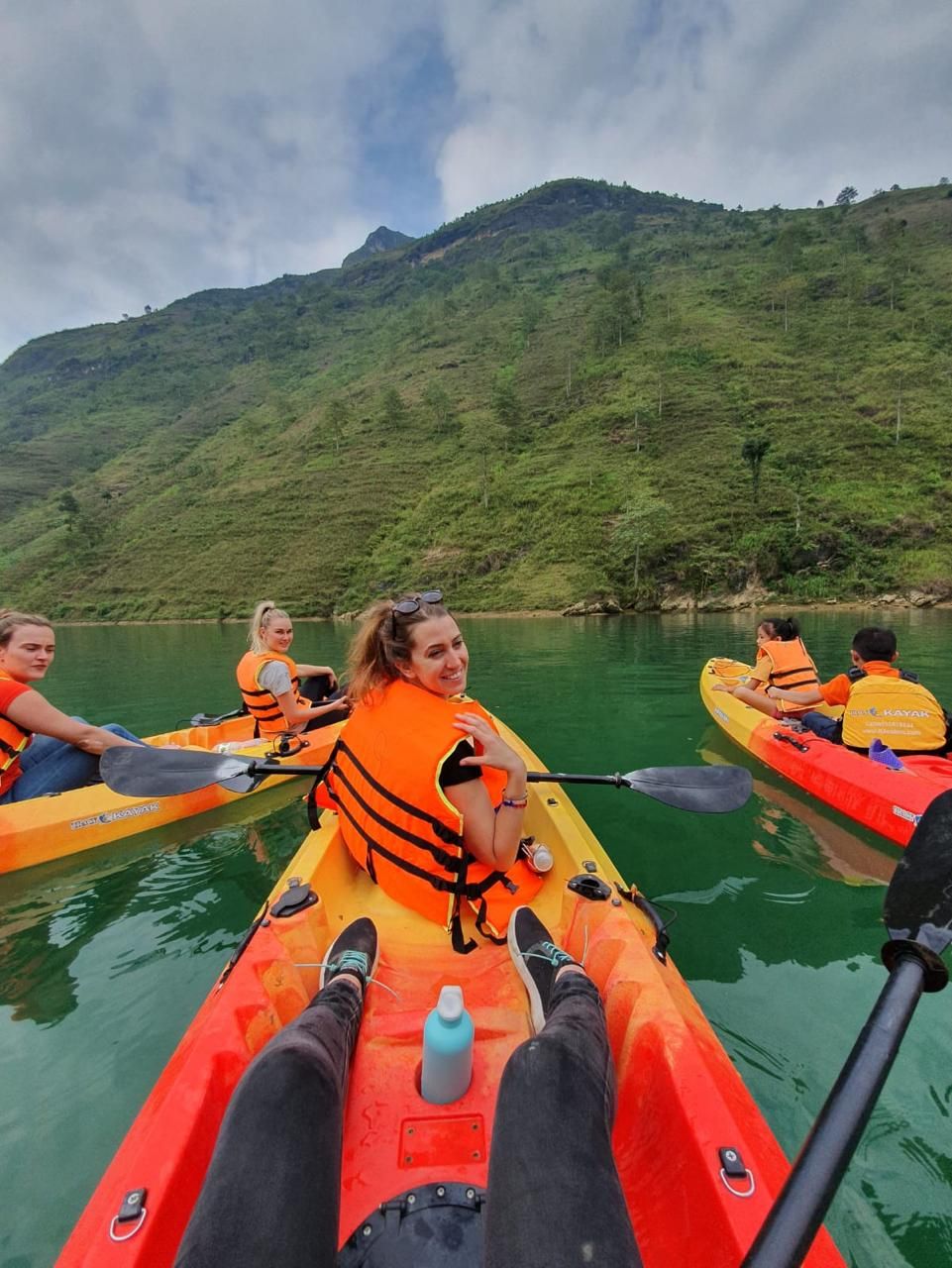
From the main viewpoint you can look straight down at the emerald Nho Que River, snaking between steep cliffs. Boat trips still operate in winter on most days:
-
The ride feels quieter and more peaceful than in peak autumn season.
-
Mist sometimes hangs above the water in early morning, giving a mysterious, almost otherworldly atmosphere.
If you’re planning what to see in Ha Giang in winter and you like dramatic landscapes, Ma Pi Leng and the Nho Que River are non-negotiable.
Buckwheat Fields & Winter Flowers
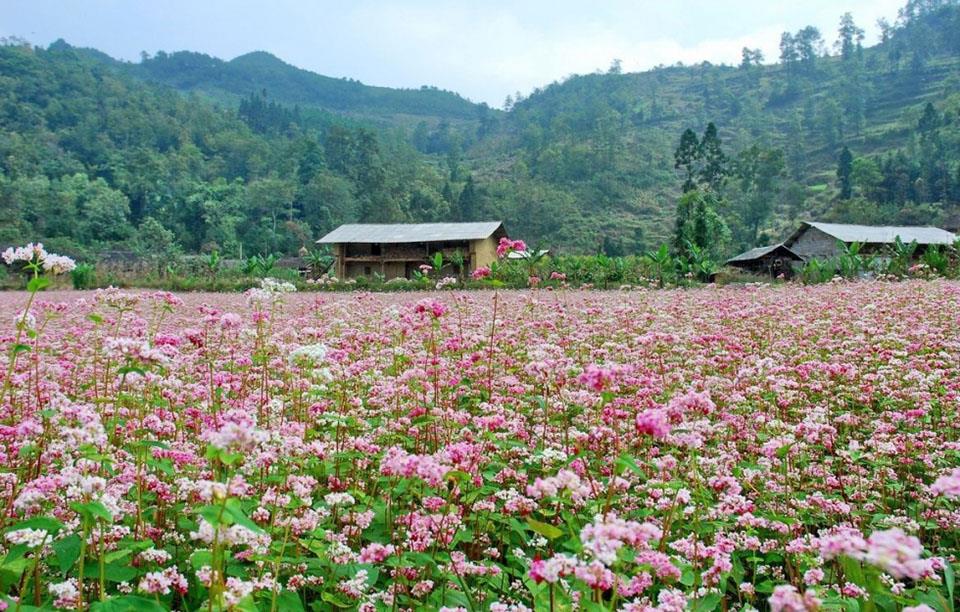
Ha Giang’s famous buckwheat flowers usually peak in October–November, but on higher parts of the Dong Van plateau the bloom can stretch into late November and even early December depending on planting and weather.
In late autumn and very early winter you may still find:
-
Patches of pink and white buckwheat around Sung La Valley, Lung Cam village and near Dong Van.
-
Fields dusted with frost on especially cold mornings, when ice crystals outline the blossoms and stone walls.
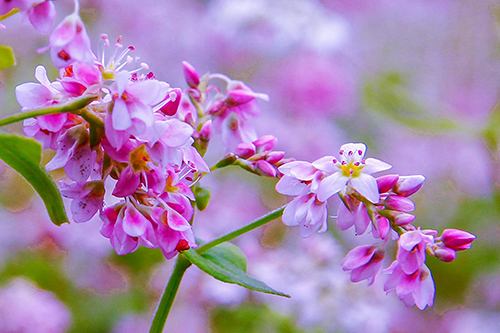
Moving deeper into winter (January–February), the scenery shifts from buckwheat to peach and plum blossoms, particularly in upland communes near the Chinese border. Pale pink blossoms against dark rock and sometimes a thin layer of ice make for beautiful photographs.
Winter Ethnic Markets
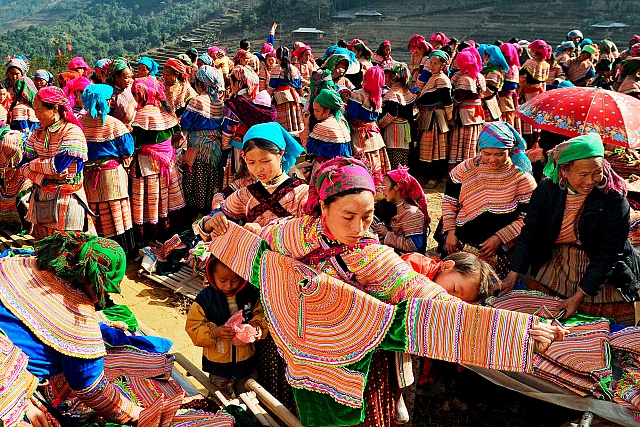
If you’re still deciding what to see in Ha Giang in winter, don’t overlook the weekly ethnic markets. The cold seems to sharpen both colors and smells: steaming soup, grilled meat, bright brocade jackets, and the sweet burn of corn wine.
Key markets include:
-
Dong Van Sunday Market: One of the biggest and most colorful, drawing Hmong, Dao and other groups from surrounding villages.
-
Meo Vac Sunday Market: Famous for its livestock section, where horses, buffalo and pigs change hands in the early morning chill.
-
Smaller markets such as Lung Phin and Sa Phin on rotating days – less touristic but rich in atmosphere.
In winter, people wrap themselves in layers of embroidered fabric and thick scarves, making the markets feel like moving exhibitions of traditional costume. If you want cultural photography, this is one of the best times of year.
Village Homestays & Warm Kitchens
One of the most memorable answers to what to see in Ha Giang in winter isn’t a viewpoint, but a scene inside:
-
A Hmong, Tay or Dao family kitchen with a wood fire burning,
-
Kettles of tea and pots of soup simmering above the flames,
-
Everyone gathered around hot dishes after a cold day outside.
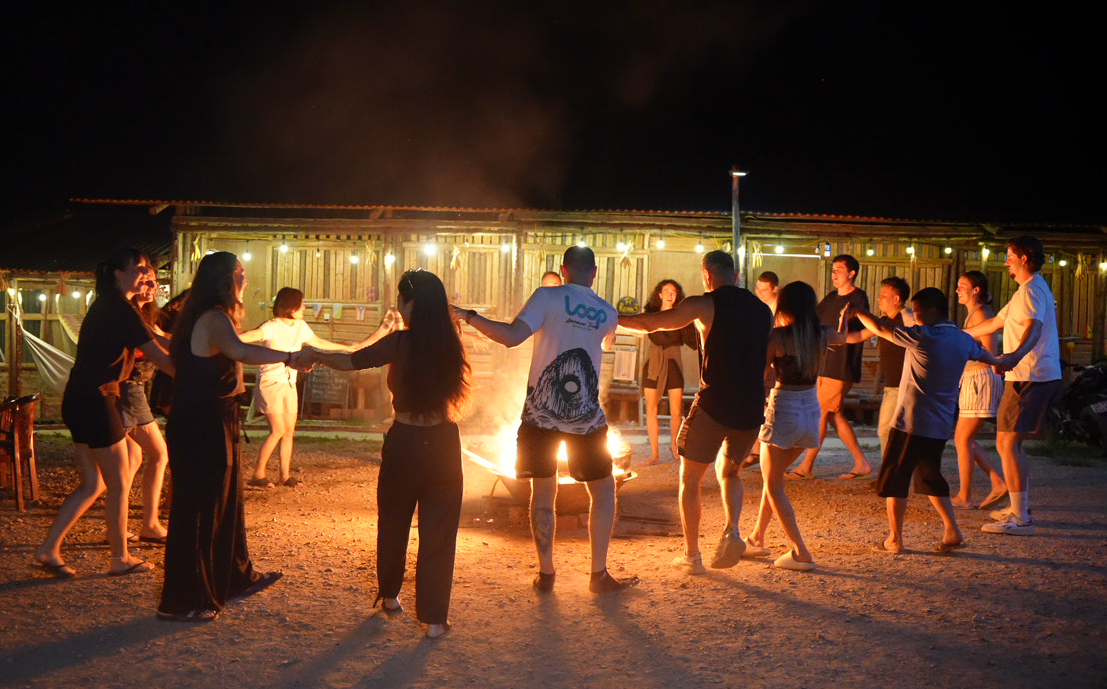
Staying in a local homestay lets you experience this side of winter:
-
Wooden or earthen houses in villages like Nam Dam, Du Gia, Lao Xa or Tay valleys around Hoang Su Phi.
-
Shared dinners with seasonal food – mountain vegetables, free-range chicken, pork stewed with herbs, hotpot to fight the cold.
-
Evenings sipping homemade corn wine while the wind rattles the shutters outside.
These quiet, human moments are a big part of what makes winter in Ha Giang feel special.
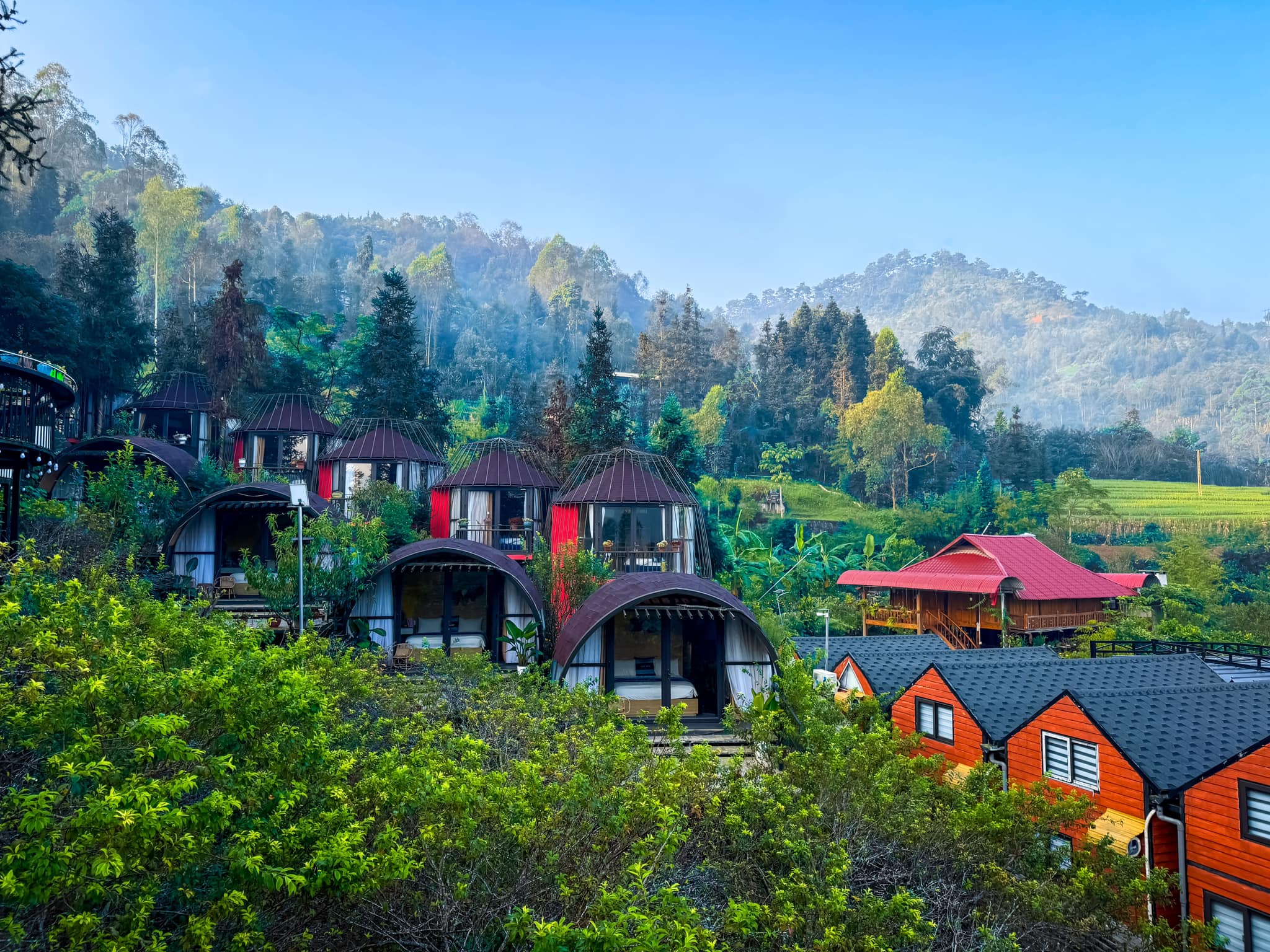
Cloud Hunting on High Peaks
For those who like early starts, cloud hunting is another highlight of winter. Cold air trapped in valleys means clouds often sit below the ridgelines at dawn, giving you that classic “sea of clouds” view if you’re lucky.
One famous spot is Chieu Lau Thi in Hoang Su Phi district, where sunrise can reveal a vast blanket of clouds below the viewpoint on clear winter mornings.
Closer to the main Loop, high passes around Quan Ba and the approaches to Dong Van sometimes offer similar scenes—mountain peaks poking out of a white ocean, slowly burning off as the sun rises.
Rare Snow & Frost Experiences
Snow in Ha Giang is not guaranteed every winter, but in especially cold spells the Dong Van plateau and areas like Lung Cu, Meo Vac and Pho Bang can see frost and occasional snowfall.
If a cold wave hits while you’re there, what to see in Ha Giang in winter suddenly includes:
-
Terraced fields and black rock dusted white
-
Ice-covered flower branches and rooftops
-
Children playing in snow for the first time that year
Do keep in mind that snow also means slippery roads and tougher riding conditions, so any snow-chasing should be done very cautiously, ideally with an experienced local driver.
Practical Tips for Enjoying Winter Sights
To really enjoy all you can see in Ha Giang in winter, a few practical tips help:
-
Dress in layers: Thermal base if you feel the cold, fleece or sweater, windproof jacket, gloves and a warm hat or buff. Temperatures swing a lot between midday sun and night.
-
Start later on very foggy mornings: Views are often better from 9 - 10 a.m. onwards when the fog lifts, so there’s no need to rush onto dangerous passes at dawn.
-
Book homestays with heating options: Electric blankets, thick duvets or space heaters can make a big difference in highland towns like Dong Van.
-
Ride or travel with caution: Winter is drier than the monsoon, but fog and black ice in rare snow conditions still demand slower speeds and extra care.
Final Thoughts
When people ask what to see in Ha Giang in winter, they often expect a list of viewpoints. And yes, you’ll find plenty: Ma Pi Leng Pass, the Dong Van Karst Plateau, Nho Que River and cloud-covered peaks. But winter also reveals a subtler beauty - markets in crisp air, blossom trees edged with ice, homestay kitchens glowing in the dark.
If you come prepared for the cold, travel slowly and give yourself time to explore both landscapes and villages, Ha Giang in winter can feel less like a typical Southeast Asian trip and more like stepping into a highland world of mist, stone and quiet stories.
Ready to plan, get a price, or just ask questions?
👉 Call/WhatsApp The Loop Tours — Hotline: +84862443320