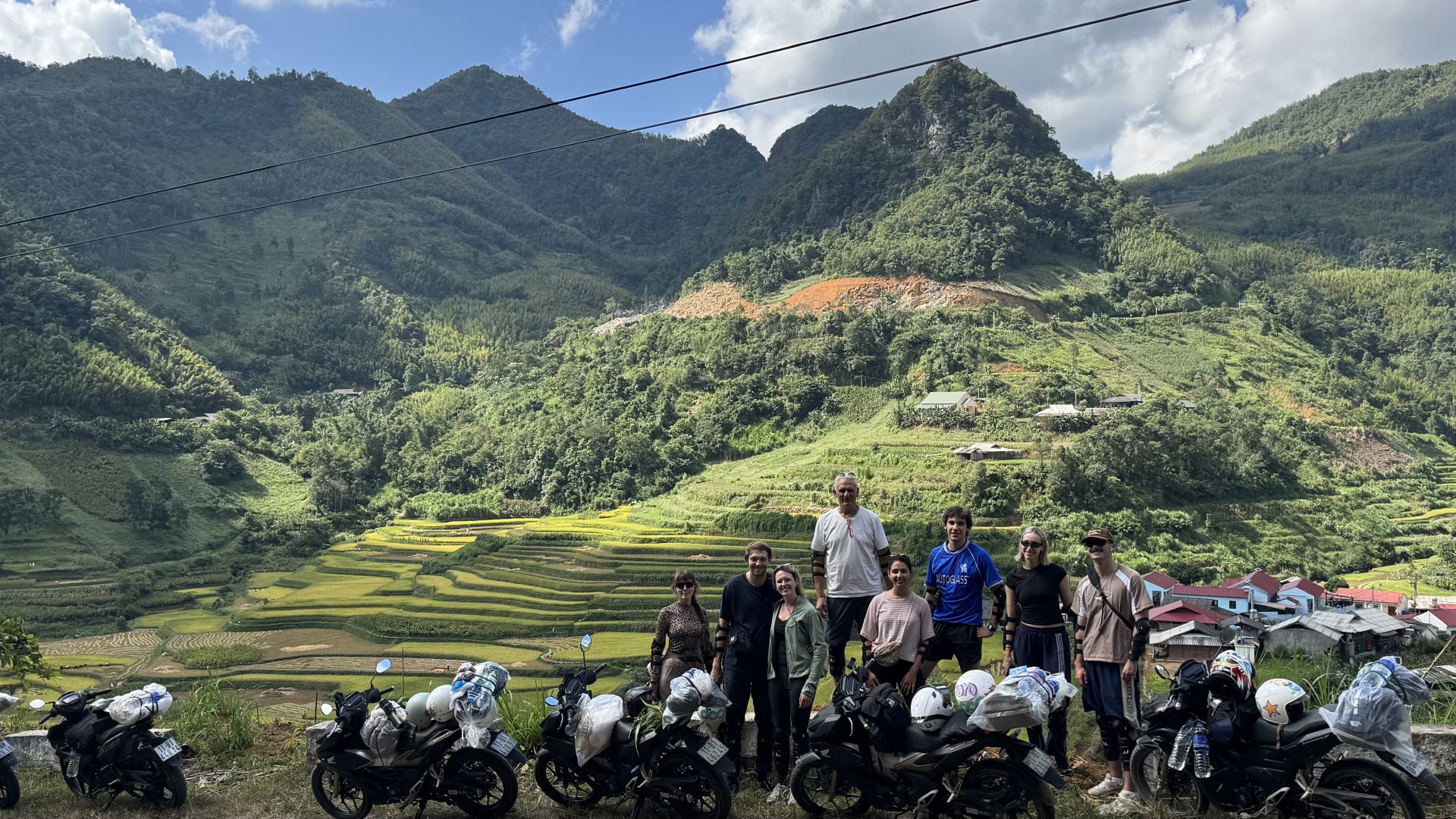


If you’re looking for a side of Northern Vietnam that feels raw, local, and full of character, the border markets in Cao Bang deliver. Set along the Vietnam–China frontier, these markets blend highland produce, regional street food, ethnic culture, and a steady flow of cross-border goods. This Cao Bang border markets travel guide will help you decide which markets to visit, what to buy, how to time your trip, and how to stay respectful and safe-whether you’re traveling independently by motorbike or with a local driver.
Perfect Tours for You:
Why visit Cao Bang border markets?
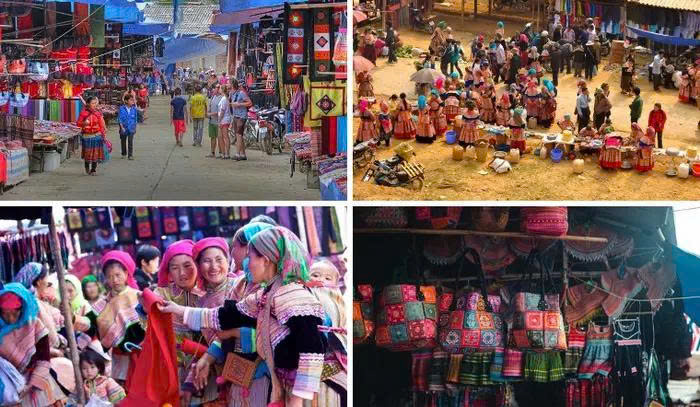
Cao Bang’s borderland vibe is different from typical city shopping. Here, markets often reflect two worlds at once: Vietnamese highland life and border trade influence. You’ll see mountain vegetables and forest herbs alongside everyday items sourced through border commerce. On market days, many ethnic communities travel in from surrounding communes, turning a simple shopping stop into a lively cultural scene.
Border markets are especially rewarding if you enjoy:
-
Exploring local food beyond tourist menus
-
Buying practical goods and regional specialties
-
Photographing authentic daily life (with etiquette)
-
Combining markets with Cao Bang’s famous landscapes
Types of border markets in Cao Bang
Before you plan, it helps to know there are two “styles” of markets:
Border-gate town markets
These are busier, more “commercial,” and often open daily. They’re usually near major roads and border gates, with stalls selling household goods, snacks, clothing basics, and trade items. Great for quick browsing and convenient shopping.
Periodic highland markets (market-day culture)
These are the most memorable. They operate on specific days depending on the commune. People come to trade, eat, meet friends, and buy supplies. If your goal is culture and atmosphere, plan around a periodic market day.
Where to go: Best areas for border-market exploring
Ta Lung area: Border-town energy and practical shopping
The Ta Lung corridor is known for active border commerce. Even if you’re not crossing borders, the area has a distinct frontier feel. Expect practical goods, food stalls, and a steady flow of transport and trade activity.
Best for: daily market browsing, quick purchases, border-town street snacks, observing local trade rhythm.
Tra Linh / Trung Khanh route: Markets + scenery combo
If you’re combining markets with nature, this corridor is ideal. Routes through these districts are popular for dramatic karst landscapes and countryside drives. Market stops here often feel more “local highland” than strictly “border-gate shopping.”
Best for: pairing markets with scenic stops, buying local produce and specialties, enjoying a slower pace.
Cao Bang City markets: Your best base for logistics
Even if your goal is border markets, use Cao Bang City as your base. It’s easier for hotels, transport, and supplies - and city markets are useful for comparing prices before you shop deeper in rural areas.
Best for: stocking up on essentials, baseline price checks, snacks for the road.
What to buy at Cao Bang border markets
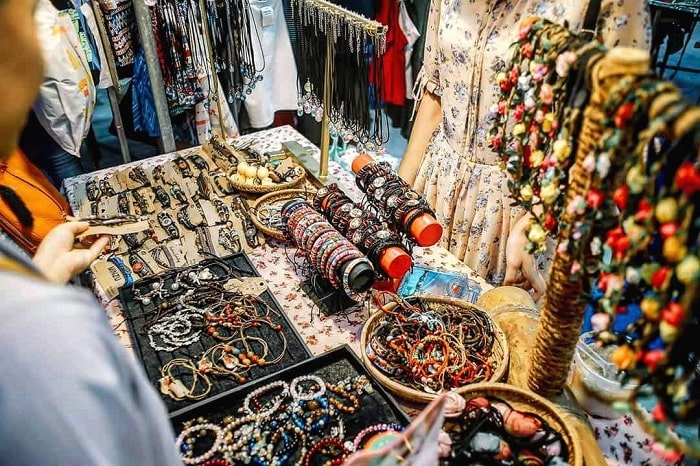
Here are common and worthwhile finds - great for travelers who want souvenirs that are actually useful:
Local specialties and food gifts
-
Dried goods (bamboo shoots, mushrooms when in season)
-
Herbs and spice mixes used in regional cooking
-
Local sweets and packaged snacks
-
Tea and preserved items (ask about shelf life)
Tip: If you plan to fly, prioritize sealed packages and keep strong-smelling items double-bagged.
Fresh produce
Cao Bang’s highland agriculture shines in markets. Depending on season, you’ll find mountain greens, beans, peanuts, and fruit that tastes better than what you’ll get in big supermarkets.
Tip: Bring a reusable tote and a small cooler bag if you’re buying fresh items.
Household goods and everyday bargains
Border markets often have:
-
Kitchenware, tools, flashlights, small electronics
-
Gloves, hats, rain gear, simple jackets
-
Storage boxes and household supplies
Tip: For electronics, test on the spot if possible. Keep expectations realistic - these are practical buys, not luxury shopping.
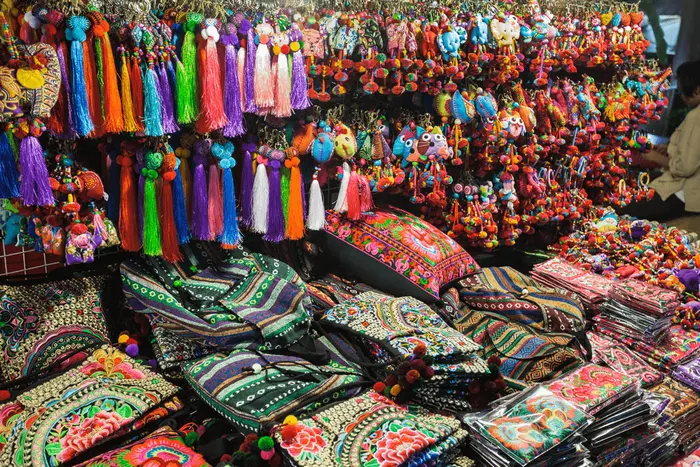
Textiles and basics
You may find scarves, simple fabrics, and affordable clothing. Some periodic markets also include locally made items depending on community and season.
What to eat: Market foods you shouldn’t skip
Markets are one of the best places to taste Cao Bang casually. Look for:
-
Hot noodle soups (perfect in cool weather)
-
Grilled skewers and fried snacks
-
Sticky rice and simple highland comfort foods
-
Seasonal fruit and warm tea
Food safety tip: Choose stalls with high turnover (busy = fresher), and stick to hot food if you have a sensitive stomach.

How to plan your visit (timing matters)
Go early
Morning is prime time. Vendors set up early, produce is fresher, and it’s cooler for walking. If you want photos and atmosphere without heavy crowds, arrive around 7:00–10:00.
Market day vs. daily market
If you want the “real” cultural experience, aim for a periodic market day. Because schedules vary by location and can shift, confirm locally:
-
Ask your hotel/host the day before
-
Ask a local driver or café owner
-
Search the market name with “chợ phiên” in Vietnamese and check recent posts
Transport: What works best
-
Private car + driver: easiest and safest if you’re hopping between sites
-
Motorbike: best for flexibility and scenic routes, but only if you’re comfortable with mountain roads
-
Taxi day hire: works well if you want one or two key stops
Pro tip: Markets are more fun when you’re not stressed about parking or navigation.

Border zone etiquette and practical safety
Cao Bang is welcoming, but border areas require a bit more awareness.
Bring identification
Carry your passport (or a clear copy) and basic documents. You’ll feel more comfortable near border-gate areas.
Don’t assume you can cross the border casually
Crossing requires proper visas and procedures. Plan your market trip on the Vietnamese side unless you’ve arranged legal crossing in advance.
Be careful with photos
Markets are fine to photograph, but avoid close-up pictures of checkpoints, security facilities, or sensitive infrastructure. When in doubt, don’t shoot—or ask.
Cash is king
Bring small notes. Many stalls don’t have change for large bills.
How to bargain (without being awkward)
Bargaining is normal in many markets, but it should feel friendly:
-
Smile, ask the price, and make a small counteroffer
-
Bundle items for a better deal
-
If the seller refuses, accept politely and move on
-
Don’t bargain hard over tiny amounts - relationships matter here
A simple “Cảm ơn” (thank you) goes a long way.
Sample 1-day itinerary: Border market + countryside
06:30 – Breakfast in Cao Bang City
08:00 – Drive toward a border-market area (Ta Lung or a scenic corridor)
09:00 – Market browsing + snacks/tea
11:00 – Scenic stop along the route
12:30 – Local lunch (noodles, grilled dishes, seasonal specialties)
14:00 – Second market stop or local shops for specialties
16:30 – Return to Cao Bang City for dinner
If you’re planning multiple days, combine border markets with key attractions to avoid “market fatigue.”

FAQ: Cao Bang border markets travel guide
Are Cao Bang border markets tourist-friendly?
Yes, generally. They’re local-first, but visitors are welcome if you’re respectful and follow basic precautions.
Do I need a permit to visit border areas?
Most travelers visit nearby districts normally, but border situations can vary. Carry ID and follow local instructions.
What’s the best season to go?
Autumn and early winter are popular for comfortable weather and seasonal goods, while spring can offer fresh produce and lively market energy.
Cao Bang’s border markets aren’t just places to shop - they’re windows into everyday life on Vietnam’s northern frontier. Whether you choose a bustling border-town stop for practical buys or time your trip for an authentic highland market day, you’ll come away with more than souvenirs: local flavors, warm interactions, and a deeper feel for the region’s culture. Plan to arrive early, carry small cash, and keep your visit respectful - especially near border zones - and your market experience will be smooth and rewarding. If you have extra time, pair a market morning with Cao Bang’s scenic routes and landmarks to make the day even more memorable.
Ready to plan, get a price, or just ask questions?
👉 Call/WhatsApp The Loop Tours - Hotline: +84862443320