

Remote, spectacular and still relatively untouched, Ha Giang is not the kind of place you can just show up to without a plan. Knowing what to prepare before going to Ha Giang will make the difference between a stressful trip and an unforgettable adventure on Vietnam’s northern frontier.
Below is a practical, traveler-friendly checklist covering documents, gear, money, safety and cultural tips so you can arrive ready instead of overwhelmed.

Perfect Tours for You:
Understand Ha Giang’s weather and choose your time
Before you pack anything, decide when you’re going. Ha Giang has a humid subtropical climate with a clear dry season and rainy season.
-
Dry season (roughly October–April):
-
Cooler temperatures, especially at night (often 15–25°C in the popular months).
-
Generally clearer skies and better road conditions – ideal for motorbiking and trekking.
-
-
Rainy season (May–September):
-
Hotter, more humid.
-
Heavy showers and occasional landslides can affect road safety, visibility and comfort.
-
Many local guides recommend September–November and March–May as the “sweet spot” for comfortable temperatures and scenery (buckwheat flowers in autumn, lush green mountains in spring).
Knowing this helps you prepare the right clothes and manage your expectations.
Documents, permits and legal basics
One of the most important parts of what to prepare before going to Ha Giang is paperwork – especially if you’re riding the Loop.
Passport, visa and travel permit
-
Passport & visa: Make sure your passport is valid for at least six months and your Vietnam visa covers the full length of your stay.
-
Border travel permit (Ha Giang permit):
-
Foreigners are required to carry a border/travel permit to enter key northern districts like Quan Ba, Yen Minh, Dong Van and Meo Vac, which lie in the China border zone.
-
You can get it at the Immigration Police Office in Ha Giang City or arrange it via your hotel, tour operator or motorbike rental shop.
-
Expect to pay around 230,000 VND (~10 USD) per person and bring your passport and visa details.
-
Travelling without this permit in restricted areas can mean fines or being turned back at checkpoints, so it’s worth sorting in advance.
Driving licence and IDP (if you ride)
If you plan to drive a motorbike yourself:
-
Vietnam legally requires a motorbike licence from your home country plus an International Driving Permit (IDP) under the 1968 Vienna Convention for you to be fully legal and insured.
-
Many riders still rent without a licence, but if you crash, your insurance may refuse to pay out and you can be fined.
If you don’t meet the legal requirements, consider an easy-rider tour (you ride pillion) or a car/jeep tour instead.
Plan your transport and route
Once your documents are sorted, plan how you’ll actually get there and around.
Getting to Ha Giang
Most travelers:
-
Take a bus or limousine from Hanoi to Ha Giang City (around 6–7 hours).
-
Travel overnight or early morning to maximise time on the Loop.
Book tickets in advance during weekends and peak months (Oct–Nov, public holidays).
Getting around Ha Giang
You’ll want to decide this before you arrive:
-
Self-ride motorbike: For experienced riders who are comfortable on steep, narrow mountain roads.
-
Easy-rider tour: Local driver + your seat on the back; great if you’re nervous about the roads but still want the motorbike experience.
-
Car or jeep tour: Best for families, groups or anyone who wants more comfort and weather protection.
Have a rough itinerary (3–5 days) mapped out – for example Ha Giang City → Quan Ba → Yen Minh → Dong Van → Ma Pi Leng → Meo Vac → Du Gia → Ha Giang – so you can book homestays and estimate daily riding distances.
What to pack: clothing and gear
Packing smart is a huge part of what to prepare before going to Ha Giang, especially because weather and road conditions can change quickly.
Clothing & footwear
-
Layers:
-
Light T-shirts or base layers
-
A warm mid-layer (fleece or sweater)
-
Windproof or light waterproof jacket
-
-
Bottoms: Long trousers or leggings for riding and walking; shorts for evenings.
-
Footwear: Trainers or light hiking shoes with decent grip – you’ll be stepping on gravel, mud and rocky viewpoints.
Even in the “warm” months, evenings in Dong Van or Meo Vac can feel chilly due to altitude, so don’t skip the warm layer.

Motorbike gear (if riding)
-
Quality helmet with visor (insist on a good one from the rental shop)
-
Riding gloves
-
Buff or mask for dust and wind
-
Sunglasses
-
Optional but useful: knee/elbow protectors or a light armoured jacket, especially in the rainy season.
Other essentials
-
Compact rain poncho or waterproofs
-
Reusable water bottle
-
Small daypack for camera, snacks, raincoat on the bike
-
Quick-dry towel (some homestays provide them, some don’t)
Pack light enough that your main bag can be strapped securely to the bike or easily carried on buses.
Health, safety and insurance
Travel insurance
Because Ha Giang is remote with challenging roads, solid travel insurance is non-negotiable. Make sure your policy:
-
Covers motorbike riding at the engine size you’ll use (often up to 125cc or more)
-
Includes medical evacuation and treatment in case of serious accidents
-
Doesn’t exclude “dangerous activities” like off-road riding or trekking in remote areas.
Basic health kit
Bring a small personal kit with:
-
Painkillers and anti-inflammatory tablets
-
Plasters, antiseptic wipes/cream
-
Any prescription medication
-
Motion-sickness tablets if you get car- or bus-sick on winding roads
Road and weather safety mindset
Reading a few Ha Giang Loop safety tips before you go will help set expectations: steep passes, changing weather, gravel sections and occasional landslides demand slow, focused riding.
Plan to avoid riding after dark and be ready to stop early if heavy rain or thick fog moves in.
Money, connectivity and useful apps
Cash and payments
Ha Giang is still largely cash-based:
-
ATMs are mainly in Ha Giang City; they’re rare in smaller towns and villages.
-
Bring enough Vietnamese dong for fuel, food, homestays and small purchases for the days you’ll be on the Loop.
SIM card and internet
-
Vietnamese 4G networks (Viettel, Vinaphone) cover most towns and many stretches of road, but expect dead spots in deep valleys.
-
Consider buying a local SIM in Hanoi or Ha Giang City for navigation and messaging.
Useful apps to install before you go:
-
Google Maps or Maps.me with offline maps downloaded for Ha Giang province
-
Translation app for menus and basic phrases
-
Messaging app (Zalo/WhatsApp) to contact homestay hosts and tour operators
Cultural preparation and responsible travel
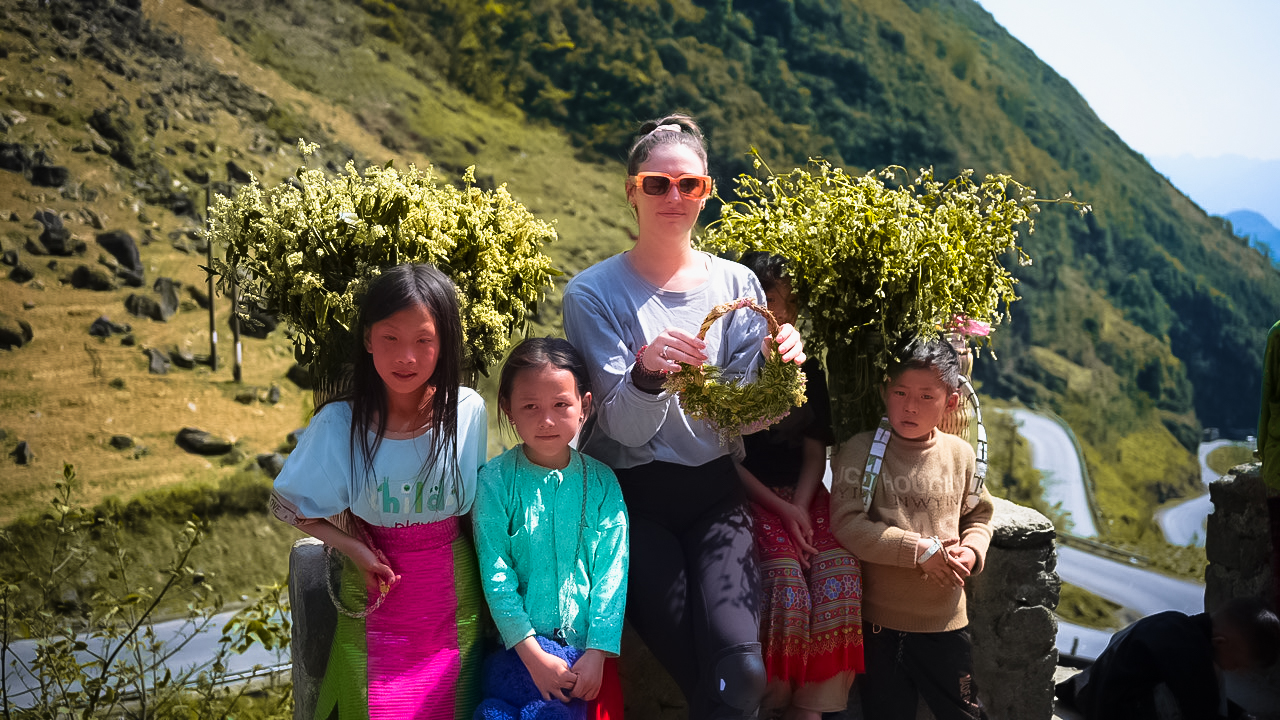
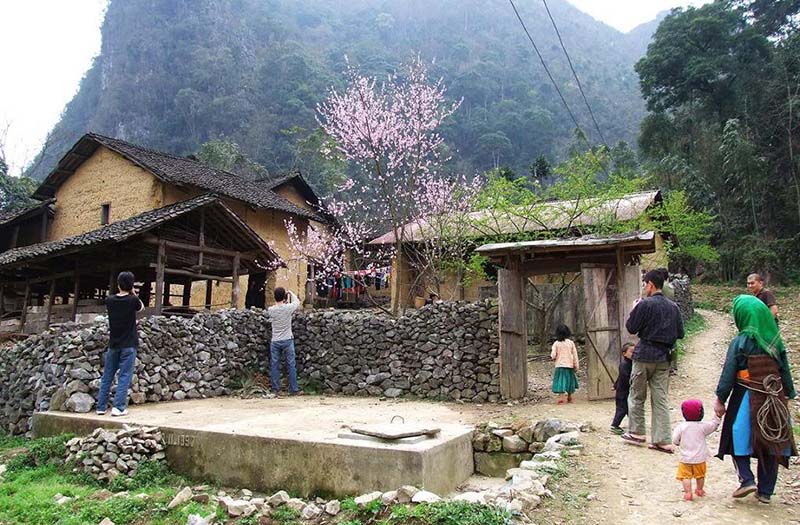
Ha Giang is home to many ethnic minorities – Hmong, Tay, Dao, Lo Lo, Nung and others – whose traditions are a big part of the region’s appeal.
To prepare:
-
Pack at least one modest outfit that covers shoulders and knees for markets and village visits.
-
Learn a few simple Vietnamese phrases like xin chào (hello), cảm ơn (thank you) – English isn’t widely spoken outside tourism businesses.
-
Get used to asking before taking photos of people, especially elders and children.
-
Plan to support local businesses – stay in family-run homestays, eat in local quán ăn (small restaurants) and buy textiles or snacks directly from villagers.
This mindset turns your trip from “just a road trip” into a genuine cultural experience.
Book key services in advance
Finally, part of what to prepare before going to Ha Giang is simply locking in the essentials so you’re not stressed on arrival:
-
Bus/limousine tickets Hanoi ↔ Ha Giang (especially in peak months and weekends)
-
First night’s accommodation in Ha Giang City
-
Motorbike rental or easy-rider / car tour
-
At least one or two homestays on the Loop, particularly in popular places like Dong Van and Du Gia during high season.
Many hostels, homestays and rental shops can also help arrange your border permit, which simplifies the admin a lot.
Wrap-up
Put simply, if you’re asking “What to prepare before going to Ha Giang?”, think in layers:
-
Paperwork – passport, visa, border permit, licence/IDP if riding
-
Plans – timing, transport, rough route and bookings
-
Gear – layered clothing, rain protection, basic safety and health kit
-
Money & connectivity – enough cash, SIM, offline maps
-
Mindset – respect the mountains, respect the people, travel slowly
Get those foundations in place and you’ll be free to enjoy what Ha Giang does best: wild roads, huge skies and some of the most memorable landscapes and cultures in Vietnam.
Ready to plan, get a price, or just ask questions?
👉 Call/WhatsApp The Loop Tours — Hotline: +84862443320