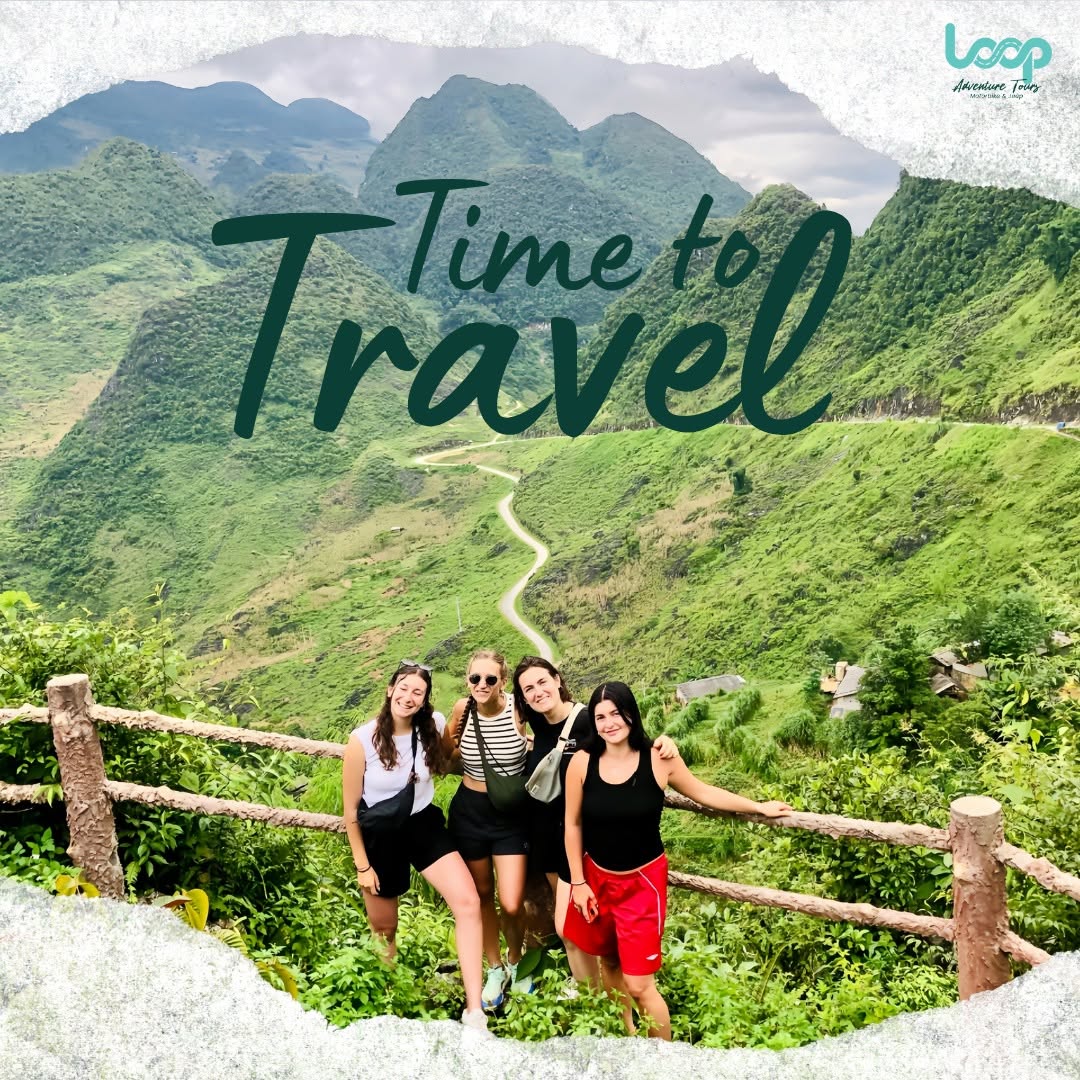


Watching sunrise at Ma Pi Leng Pass is one of the most spectacular experiences you can have on the Ha Giang Loop. As the first light spills over jagged limestone peaks and the emerald Nho Que River far below, the entire gorge slowly changes from dark blue to gold. The roads are quiet, the air is cold and clear, and you feel like you’re standing on the edge of the world.
This guide explains why sunrise here is so special, the best time to go, where to stand, how to get there safely and a few practical photography tips.
Perfect Tours for You:
Why sunrise at Ma Pi Leng Pass is so special
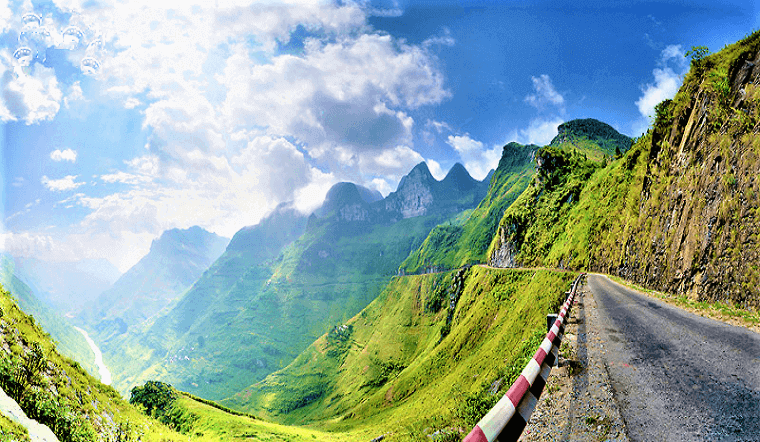
Ma Pi Leng is often called the “king of mountain passes” in Vietnam. It sits between Dong Van and Meo Vac, right in the heart of the Dong Van Karst Plateau Global Geopark, with sheer limestone cliffs dropping hundreds of meters into the Ma Pi Leng Gorge and the jade-green Nho Que River below.
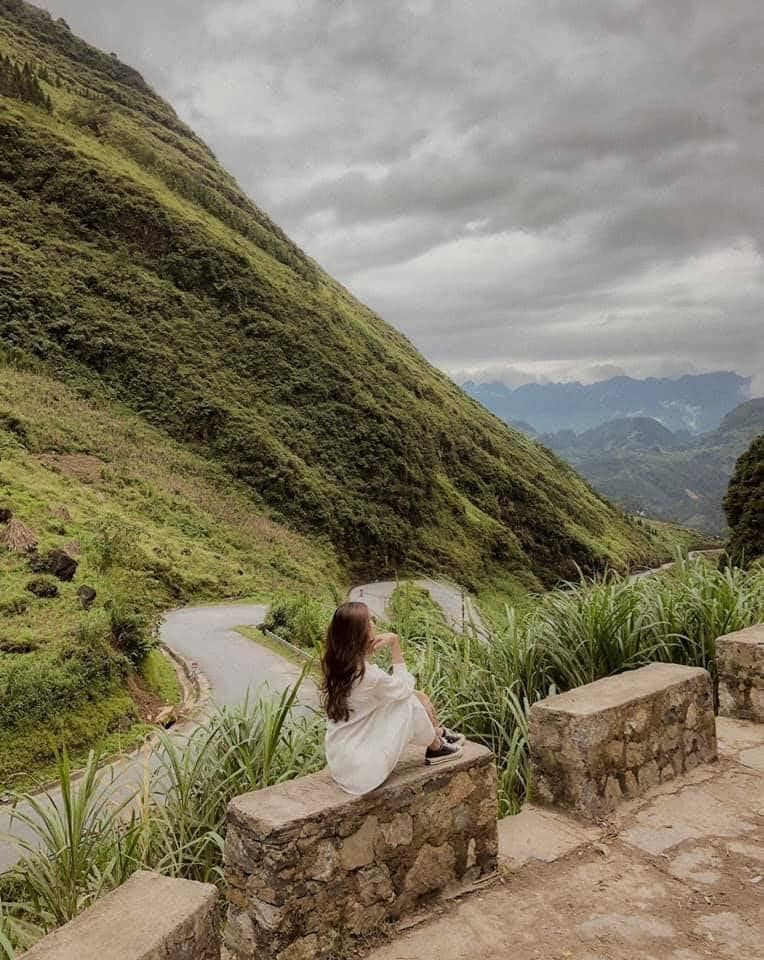
At sunrise, this already dramatic landscape becomes even more impressive:
-
Golden light on the cliffs – The first sun rays hit the eastern rock faces, carving strong shadows and highlighting the layers of mountains all the way to the horizon.
-
Misty Nho Que River – On cool mornings, light mist sits in the gorge, so the river and Tu San Canyon look like they’re slowly waking up.
-
Quiet roads – Before traffic starts, you often have the main viewpoints almost to yourself. The silence and scale make the experience feel very different from a busy daytime stop.
If you love landscape photography or just want one “wow” moment on your Ha Giang trip, sunrise at Ma Pi Leng Pass should be high on your list.
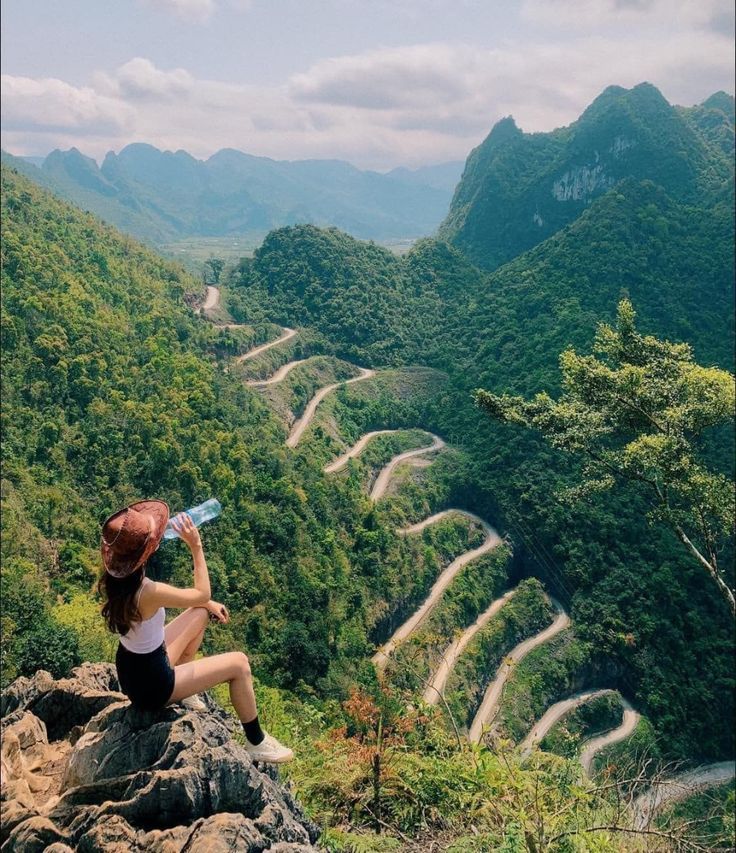
Best time of year for sunrise at Ma Pi Leng Pass
You can see sunrise here year-round, but some months are more comfortable and photogenic than others.
-
October – November (autumn)
-
Clear days, low rainfall and cool temperatures.
-
Great visibility and strong light; buckwheat flowers bloom across the plateau, adding color to the hills.
-
-
February – April (spring)
-
Pleasant temperatures after winter, fresh greenery and blooming plum, peach and canola flowers visible from the viewpoints.
-
-
December – January (winter)
-
Colder, but often dry. On some mornings you may see thick mist in the gorge or even frost on the rocks; occasionally there’s light snow on the plateau in very cold years.
-
-
May – September (rainy season)
-
Lush, green scenery but heavier showers and occasional landslides can affect road safety and visibility. If you choose this period, be flexible and ready for clouded-over mornings.
-
In short, the shoulder seasons of autumn and spring give you the best combination of safe roads, clear skies and comfortable temperatures for sunrise at Ma Pi Leng Pass.
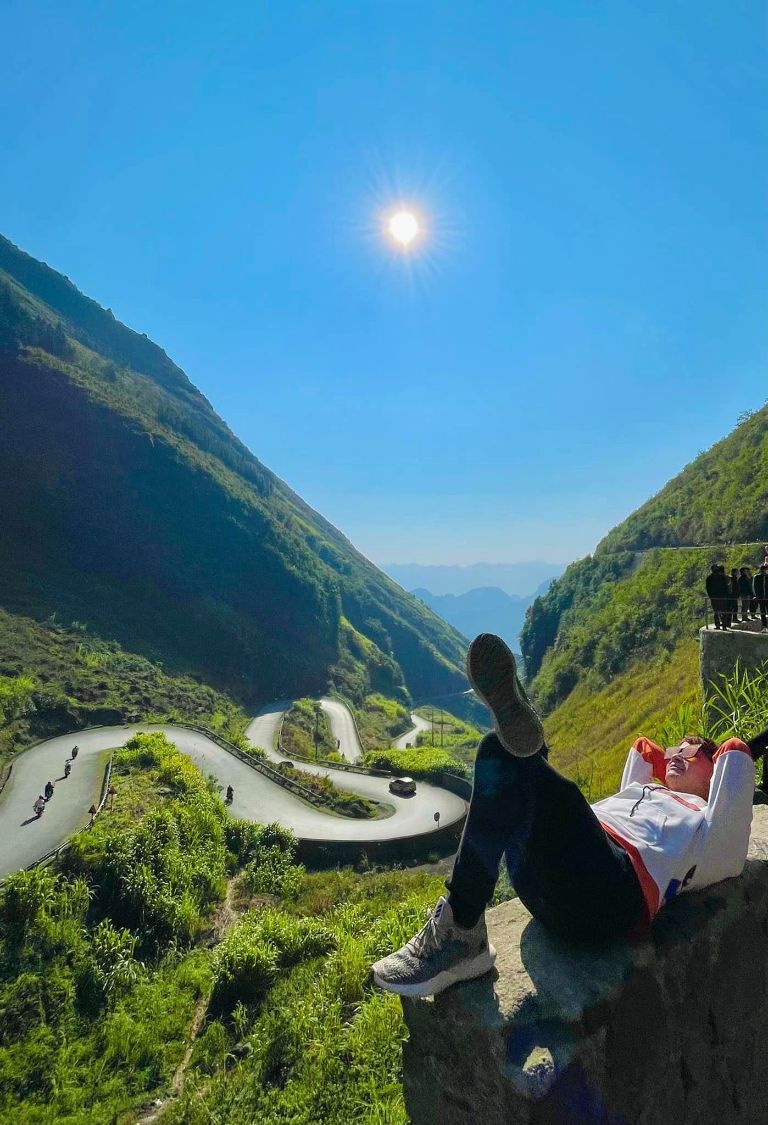
Best sunrise viewpoints on Ma Pi Leng Pass
There isn’t just one viewpoint – the pass is a whole scenic section of road. Here are the most popular sunrise spots:
1. Main Ma Pi Leng viewpoint (classic sunrise spot)
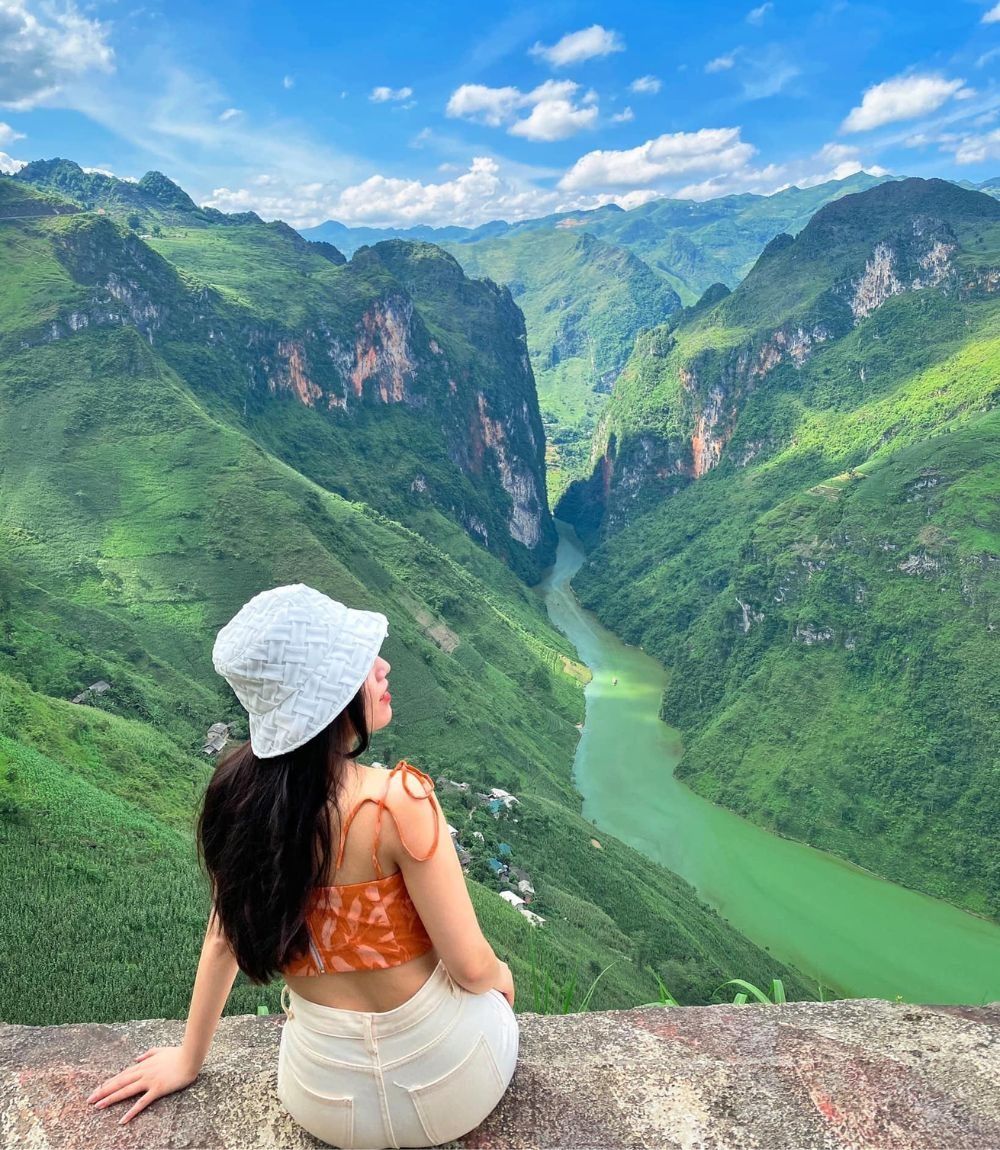
Along the road between Dong Van and Meo Vac, the main Ma Pi Leng viewpoint looks straight down onto the Nho Que River and Tu San Canyon. Many guides describe it as the top place to appreciate the grandeur of the river and gorge.
At sunrise, you’ll see:
-
The river below turning from dark teal to bright emerald
-
Sunlight gradually hitting the tops of the cliffs
-
Distant peaks appearing as the haze lifts
There are small parking areas and simple stalls where locals sell tea and snacks – useful if you arrive early and cold.
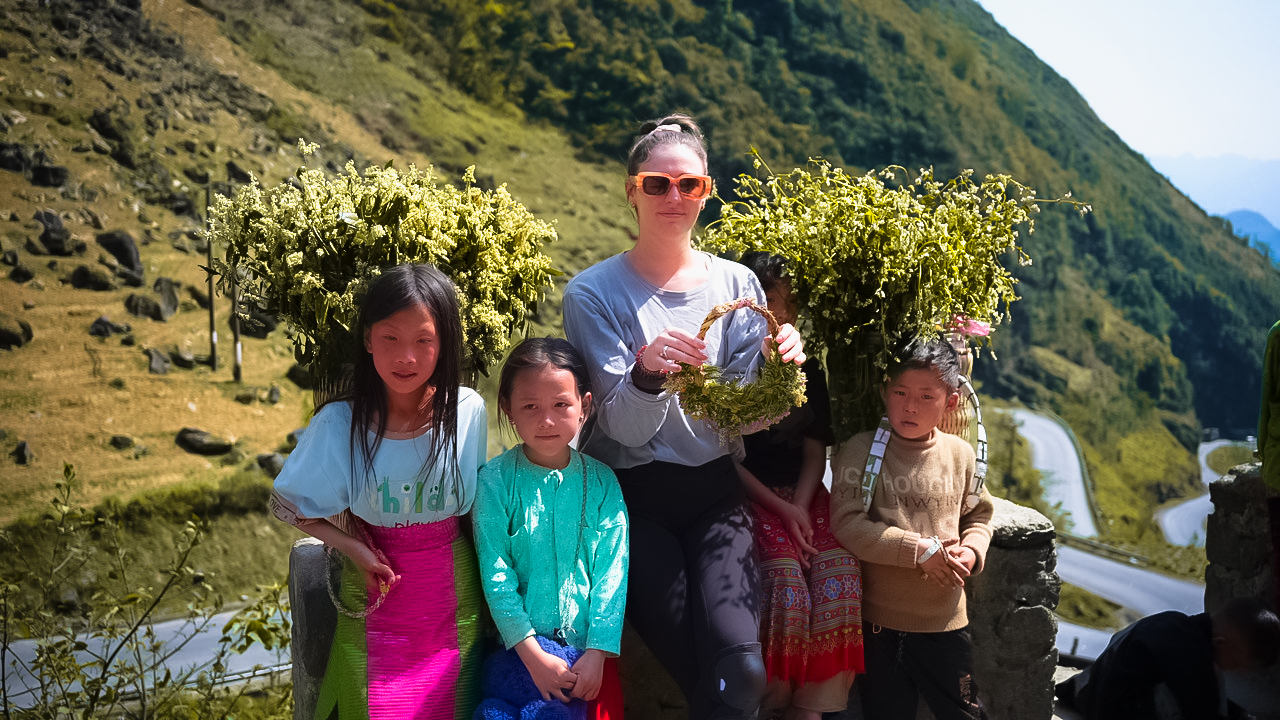
2. Ma Pi Leng Skywalk / cliffside trail
Recent routes like the Skywalk (a narrow trail along the cliff) offer more adventurous angles over the gorge.
From certain points you can:
-
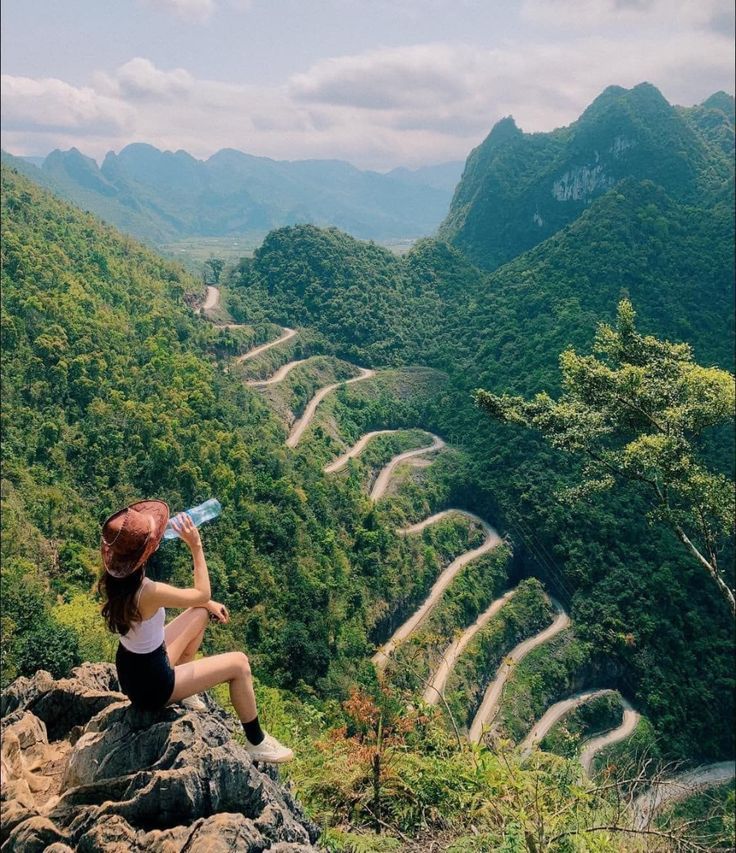
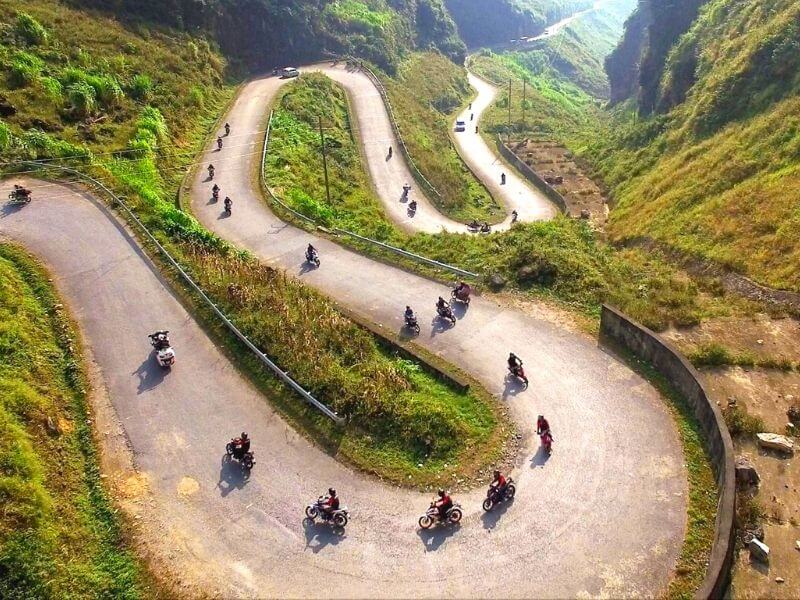
Frame the S-shaped road with the rising sun behind the mountains
-
Shoot straight down into the canyon as the light slowly reaches the river
If you choose this option, wear good shoes and watch your footing – some sections are narrow and exposed.
3. Viewpoints near Pa Vi and Ta Lang
Small Hmong villages like Pa Vi and Ta Lang sit on plateaus and slopes beneath the main road. Around them you’ll find homestays and viewpoints looking back towards the pass.
Staying overnight here means you can:
-
Walk to nearby viewpoints at dawn without riding in the dark
-
Include village houses, fields and smoke from morning fires in your sunrise composition
4. Sunrise from the Nho Que River
It’s less typical, but you can also experience a kind of “reverse sunrise at Ma Pi Leng Pass” by being on the Nho Que River itself. Early-morning boat trips give you:
-
Golden light hitting the top of Tu San Canyon
-
Soft reflections of cliffs on calm water
-
A sense of how huge the pass is when you’re at the bottom looking up
This works best on clear, calm days when boat tours are running early.
How to get there for sunrise
Because Ma Pi Leng sits roughly halfway between Dong Van and Meo Vac on the Ha Giang Loop, you have two main options:
-
From Dong Van:
-
Travel time: about 45–60 minutes to the main viewpoint, depending on stops.
-
Good if you spent the previous day exploring the plateau and want an early start heading south.
-
-
From Meo Vac:
-
Travel time: about 30–45 minutes uphill.
-
Makes sense if you’re looping counter-clockwise or staying in Pa Vi / Ta Lang.
-
Important safety note
Riding mountain roads in the dark is risky:
-
There are steep drop-offs, sharp bends and sometimes loose gravel.
-
Local trucks and buses can appear suddenly, and some sections have no guardrails.
To reduce risk:
-
Stay as close as possible to the pass the night before (Pa Vi, Meo Vac or Dong Van).
-
Leave after first light so you’re not riding in total darkness, yet still arrive early enough for sunrise colors.
-
If you’re unsure about riding, hire a local driver or join an early-morning tour.
Photography tips for sunrise at Ma Pi Leng Pass
Whether you’re using a phone or a DSLR, a few simple tricks will help you capture the moment:
-
Arrive early
-
Aim to be on location 20–30 minutes before sunrise. The pre-dawn blue hour often gives beautiful soft tones and calm air.
-
-
Face both directions
-
Don’t just point your camera at the sun. Turn around to capture side-lit cliffs, shadows and layers of mountains.
-
-
Use foreground
-
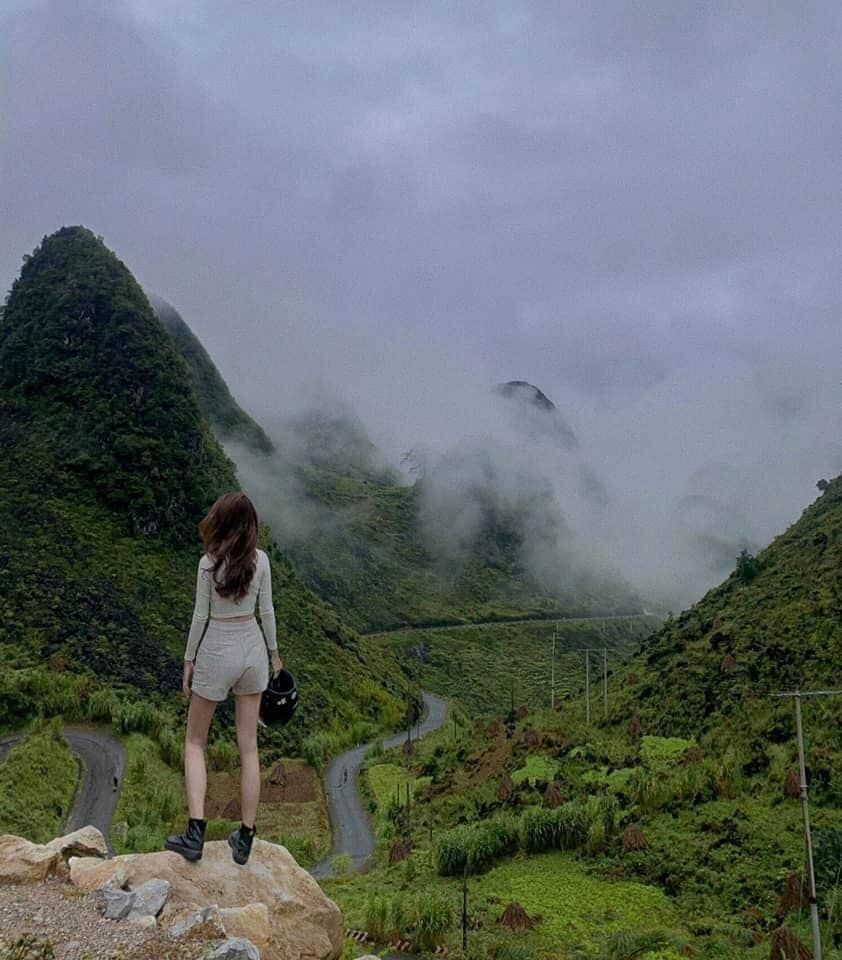
Include guardrails, grasses, flowers or a person looking at the view to give depth and scale.
-
-
Keep the horizon level
-
With such dramatic slopes it’s easy to end up with tilted horizons. Take an extra second to straighten your frame.
-
-
Protect your gear and hands
-
Bring a small cloth to wipe lens fog, and thin gloves so your fingers don’t freeze while you wait. In winter especially, temperatures around the pass before sunrise can be very cold.
-
Staying safe and respectful
While chasing sunrise at Ma Pi Leng Pass, keep both safety and local communities in mind:
-
Stay behind barriers and avoid standing on narrow rock outcrops for the sake of a risky photo. Strong gusts of wind are common on high passes.
-
If you fly a drone, keep it away from the road and villages below, and check current local rules.
-
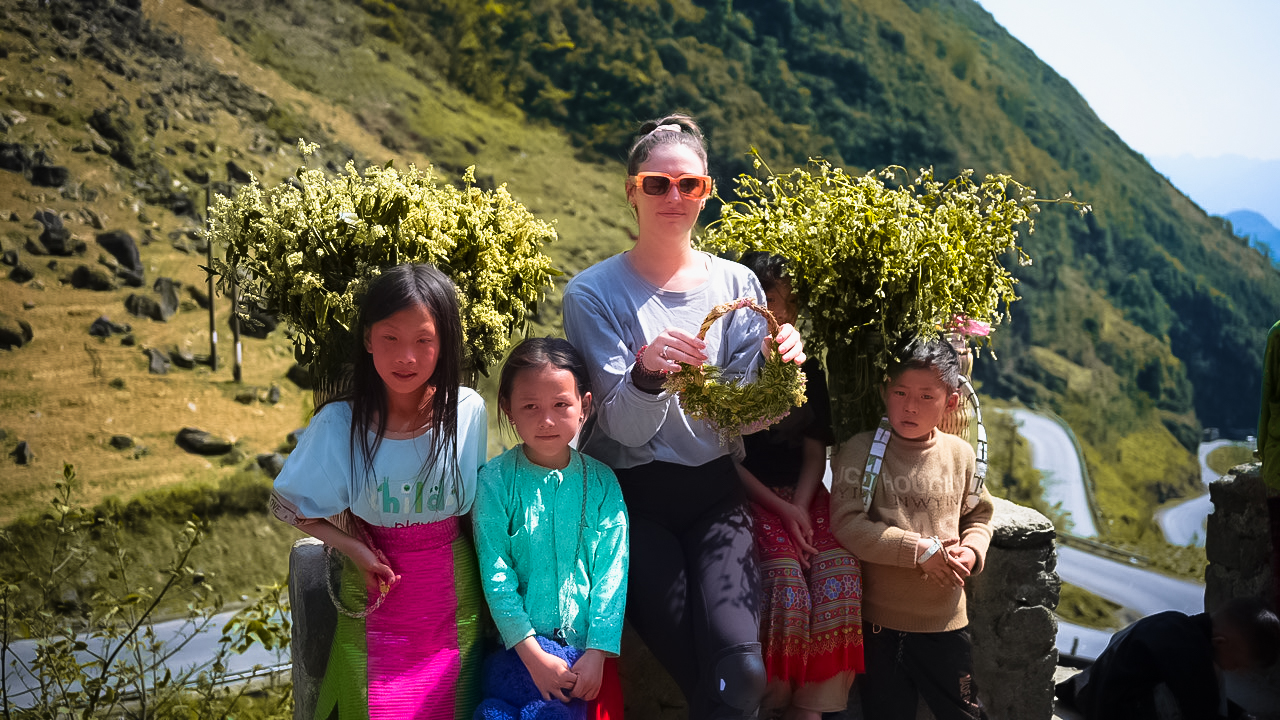
Dress modestly when you stop in nearby Hmong villages for breakfast or photos; ask before taking close-ups of people.
-
Take all rubbish with you – the viewpoints are beautiful precisely because they are still relatively wild.
Final thoughts
Sunrise at Ma Pi Leng Pass isn’t just another stop on the Ha Giang Loop; it’s a moment when everything slows down. The sky brightens, the mountains change color every minute, and the Nho Que River far below catches the first reflections of the day.
With a bit of planning – staying nearby the night before, choosing a safe viewpoint, dressing warmly and arriving early – you can experience one of Vietnam’s most unforgettable mountain sunrises. Whether you’re a photographer, a rider or simply a traveler who loves big landscapes, Ma Pi Leng at dawn will stay with you long after you’ve left the pass behind.
Ready to plan, get a price, or just ask questions?
👉 Call/WhatsApp The Loop Tours — Hotline: +84862443320