

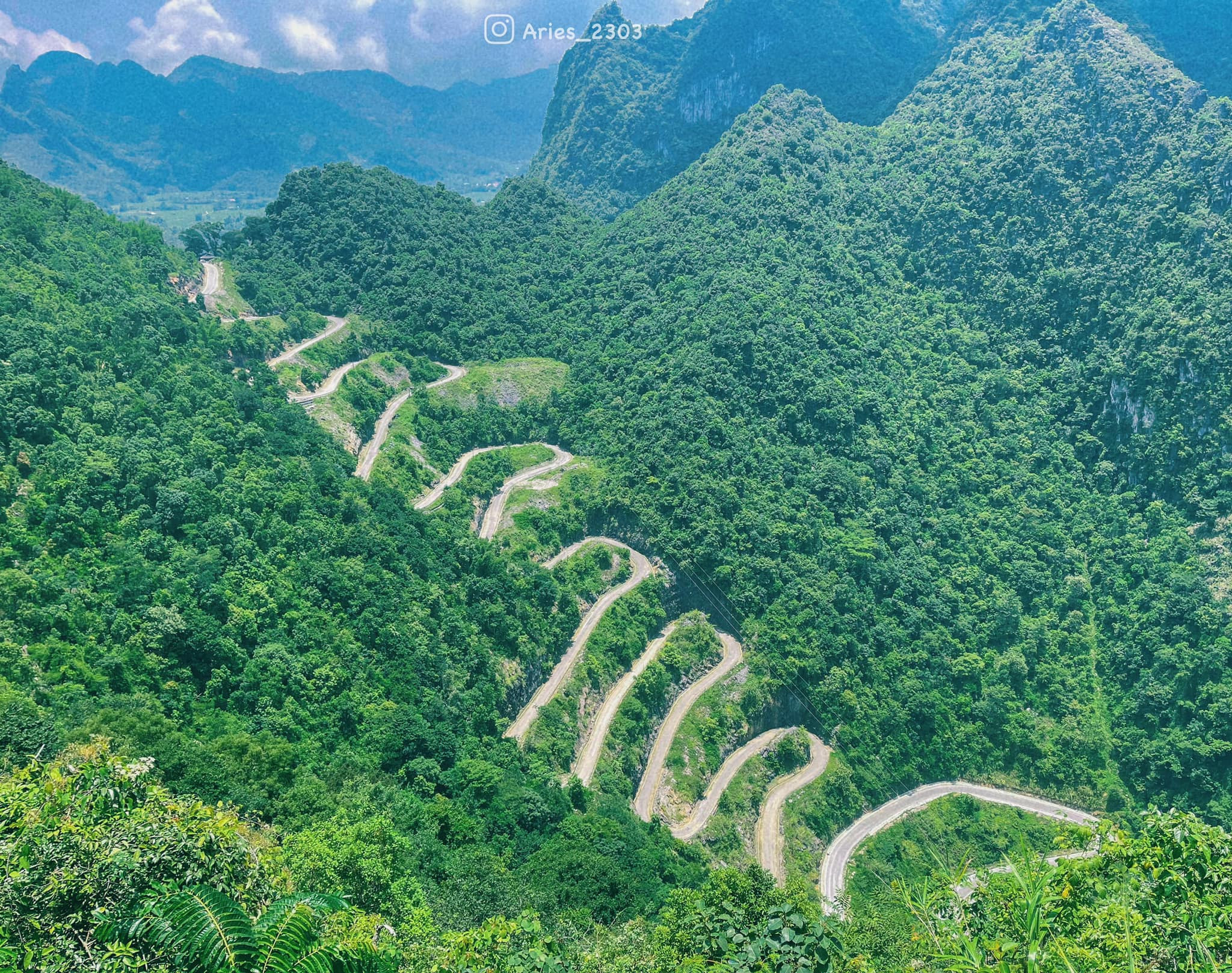
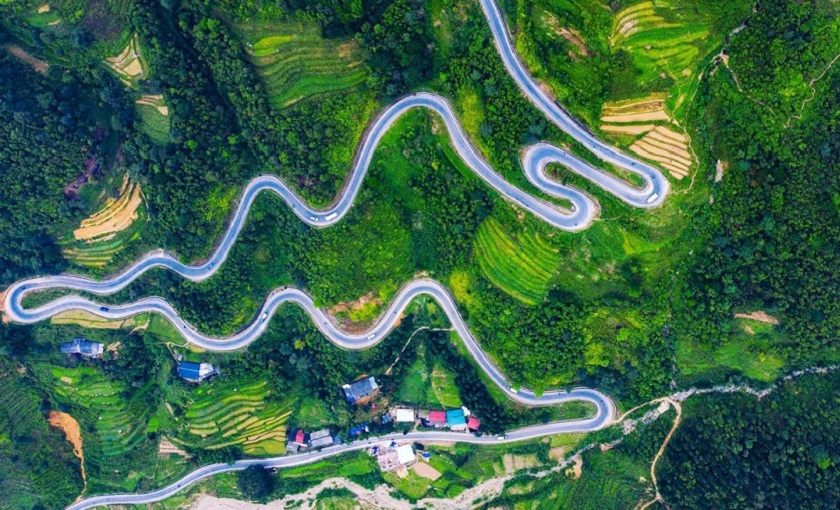
Hidden deep in Vietnam’s far-northern mountains, Me Pia Pass 14 hairpin turns (also written Me Pja Pass, Đèo Mẻ Pia or Khau Coc Cha) is one of the most dramatic roads in the country. This short but intense mountain pass zigzags up a cliff face in 14 tight hairpin bends over just 2–2.5 km, earning it the nickname “14-storey pass”.
For adventurous travelers and photographers, Me Pia is a dream: sweeping views of limestone peaks, wild forested valleys and that iconic snake-like ribbon of road. This guide will show you exactly where it is, how hard it is to ride or hike, and how to plan a safe, unforgettable visit.
Where is Me Pia Pass?
Me Pia Pass lies in Cao Bang Province, in Vietnam’s remote northeast, close to the Chinese border. It sits on National Highway 4A (or A4), connecting Xuan Truong Commune with Bao Lac town, a small district center.
Key facts:
-
Province: Cao Bang, Northeast Vietnam
-
Nearest town: Bao Lac (about 18–20 km away)
-
Length of pass: ~2–2.5 km
-
Turns: 14 steep hairpin bends (“14 floors”)
Because of its remote location, Me Pia is still far less crowded than famous northern routes like Ha Giang, which is part of its charm.
Why is Me Pia Pass Famous?
1. Iconic 14 Hairpin Turns
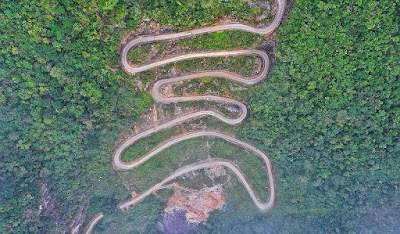
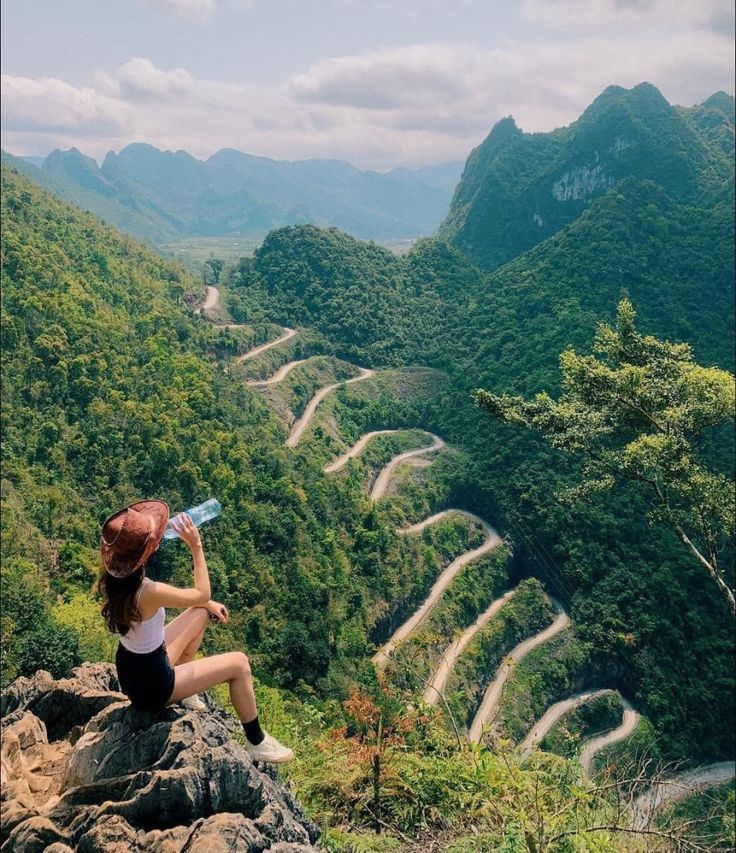
From above, Me Pia Pass 14 hairpin turns looks like a massive concrete serpent climbing through the jungle. The gradient is steep, so the road was divided into 14 zigzagging sections to reduce the slope.
2. Spectacular Viewpoint
Unlike many passes where you only see the road while driving, Me Pia has a separate viewpoint on a nearby hillside. After a short hike, you can see the entire 14-storey pass laid out below – perfect for photos and drone shots.
3. Raw, Untouched Landscape
Cao Bang is known for its rugged karst mountains and deep valleys. Around Me Pia you’ll find:
-
Dense green forests
-
Remote Hmong and Tay villages
-
Misty mountain layers at sunrise and sunset
It feels wild and authentic, especially compared with more commercialized destinations.
How Difficult is Me Pia Pass?
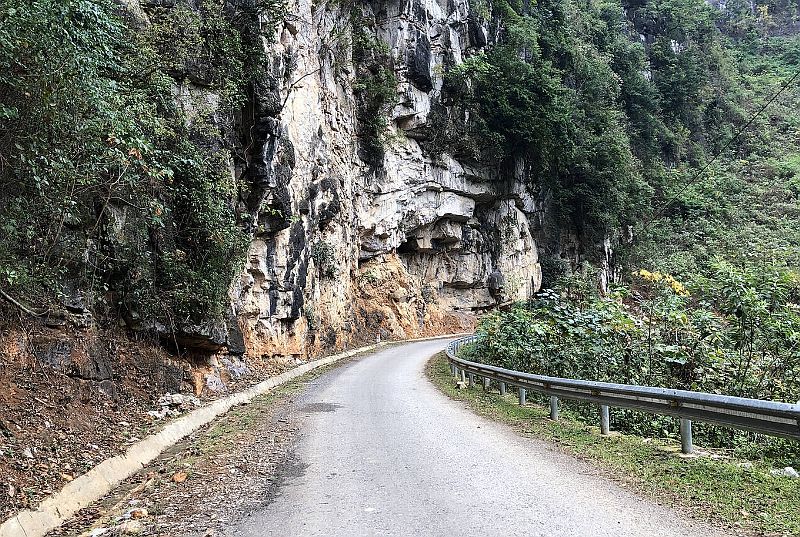
Don’t be fooled by the short distance – this road is steep, narrow and demanding.
-
The pass climbs quickly in altitude over 14 tight switchbacks.
-
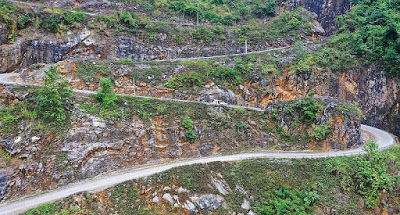
Guardrails are limited in some sections, with sheer drop-offs.
-
The surface is mostly paved but can have gravel, potholes and loose stones.
Because of this, many sources describe Me Pia as one of Vietnam’s scariest or most challenging passes, recommended only for confident riders.
Good to know:
-
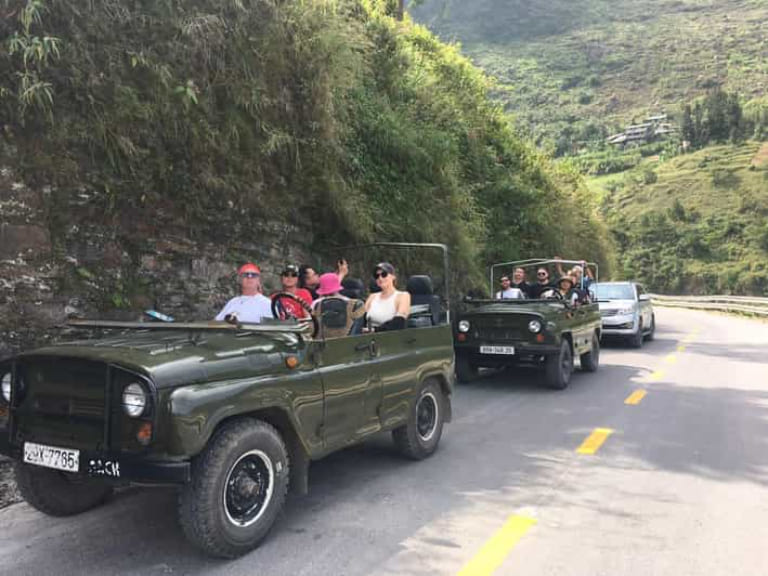
If you’re not confident riding, you can still visit safely by hiring a local driver or joining a guided tour, then hiking to the viewpoint instead of self-driving.
Best Time to Visit Me Pia Pass
Cao Bang has a humid subtropical climate, with cool winters and warm, wet summers.
Most recommended months:
-
September – November: Clear skies, cool air, lush green scenery. Great visibility for the 14 hairpin turns.
-
March – May: Pleasant temperatures, less rain than peak summer.
Less ideal:
-
June – August: Heavy rain can make the road slippery and sometimes foggy. Landslides occasionally occur in the region.
-
December – February: Cold, sometimes misty; visibility may be limited but the mood can be very atmospheric.
How to Get to Me Pia Pass 14 Hairpin Turns
From Hanoi
-
Hanoi → Cao Bang City
-
Overnight bus: ~7–9 hours.
-
-
Cao Bang City → Bao Lac → Me Pia Pass
-
By motorbike or car along Highway 34 towards Bao Lac, then continue on Highway 4A to Xuan Truong/Me Pia area (around 4–5 hours from Cao Bang city depending on stops).
-
Alternatively, you can approach from Ha Giang as part of a longer northern loop, connecting Ha Giang → Meo Vac → Bao Lac → Me Pia → Cao Bang. Many long-distance riders use this route.
Reaching the Viewpoint
The famous panoramic view is not from the road itself but from a hiking trail on the opposite mountainside:
-
Hike time: about 30–60 minutes uphill, depending on your pace.
-
Trail: narrow dirt path through forest and fields, sometimes slippery after rain.
-
Footwear: trainers or hiking shoes recommended.
At the top, you’ll find a few rocky outcrops and simple viewpoints where you can see the entire 14-storey pass below.
Me Pia Pass vs. Other Famous Passes
Travelers often compare Me Pia with other iconic Vietnamese passes like Ma Pi Leng (Ha Giang) or O Quy Ho (Sapa).
-
Length: Me Pia is much shorter, but steeper and more “concentrated” with 14 tight bends packed into 2–2.5 km.
-
Traffic: Far less busy than Ha Giang’s main route; you may share the road mostly with locals, trucks and a few motorbikes.
-
Scenery: More compact but extremely dramatic – great for those one-shot drone or wide-angle photos of the zigzag road.
If you love adventure and mountain photography, visiting Me Pia Pass 14 hairpin turns alongside Ban Gioc Waterfall and other Cao Bang highlights makes for an incredible multi-day trip.
Safety Tips for Visiting Me Pia Pass
-
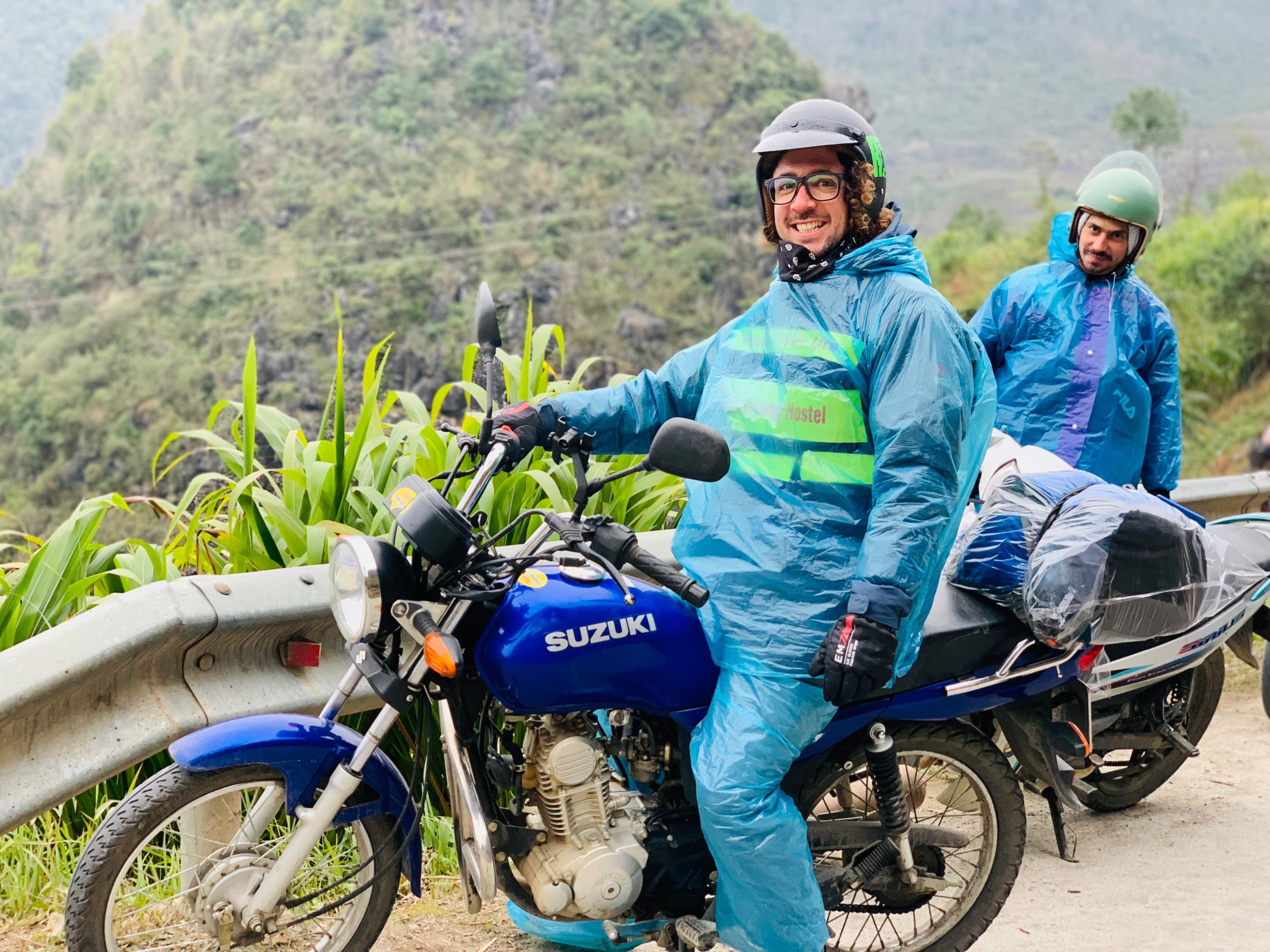
Check the weather before you go. Avoid riding the pass in heavy rain or thick fog if possible.
-
Ride slowly and use low gears on both the climb and descent; rely on engine braking, not just your hand brakes.
-
Honk before blind corners – local drivers do this to signal their presence on narrow bends.
-
Wear proper gear: helmet with visor, jacket, long pants and closed shoes at minimum.
-
Bring water and snacks for the hike to the viewpoint; there are limited facilities along the trail.
-
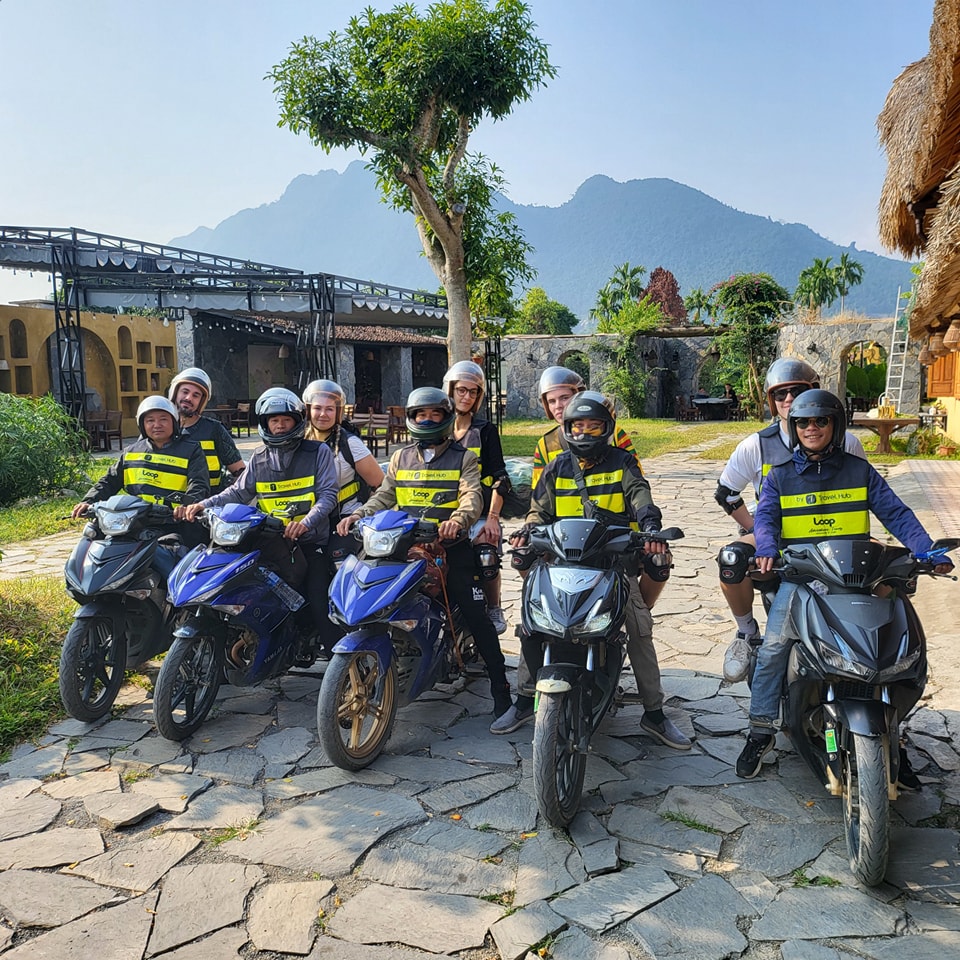
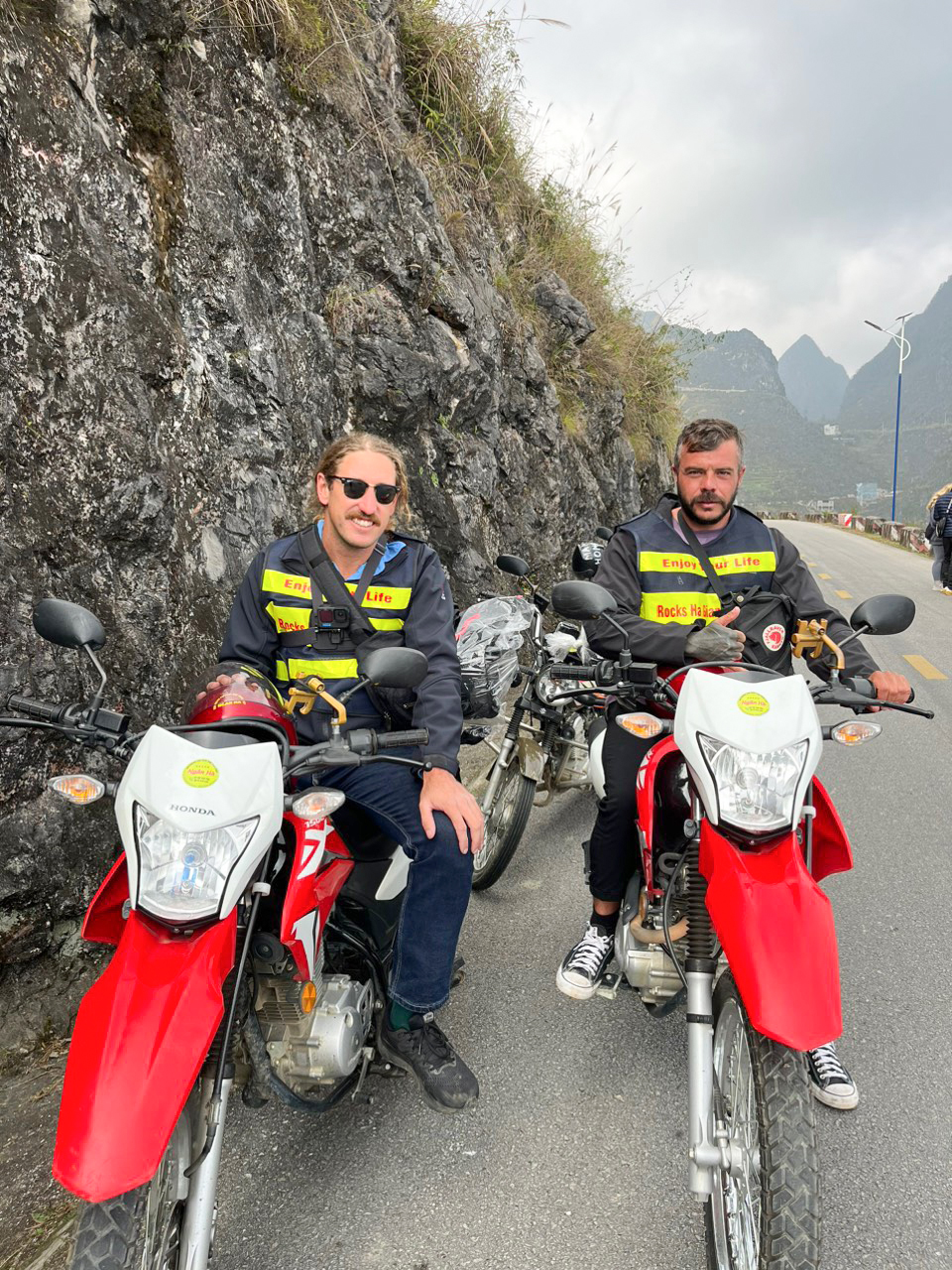
If unsure about riding, hire a local driver, Easy Rider or car with driver instead of forcing yourself to self-drive.
Suggested Itinerary Including Me Pia Pass
Here’s a simple 3–4 day route in Cao Bang that features Me Pia Pass 14 hairpin turns:
Day 1: Hanoi → Cao Bang City (bus), overnight in town.
Day 2: Cao Bang → Ban Gioc Waterfall → Nguom Ngao Cave → overnight in Cao Bang or Quang Uyen.
Day 3: Cao Bang → Bao Lac → Me Pia Pass → hike to viewpoint → overnight in Bao Lac.
Day 4: Return to Hanoi or continue toward Ha Giang via Meo Vac.
This loop combines dramatic mountain roads, one of Vietnam’s best waterfalls and authentic rural culture.
Photography Tips at Me Pia Pass
To capture the most iconic images:
-
Go early morning or late afternoon for softer light and fewer harsh shadows.
-
Bring a wide-angle lens to include all 14 turns in a single frame from the viewpoint.
-
A drone gives incredible top-down shots, but check local rules and always fly responsibly, away from people and traffic.
-
In misty conditions, try shooting long exposures of clouds drifting through the valley for a moody atmosphere.
Final Thoughts
If you’re looking for a place that combines adventure, raw landscapes and unique photo opportunities, Me Pia Pass 14 hairpin turns deserves a spot on your Vietnam itinerary. The ride (or drive) is short but intense, the trek to the viewpoint is rewarding, and the panorama of that twisting “14-storey” road is something you’ll remember long after you leave Cao Bang.
Plan carefully, respect the mountain conditions, and Me Pia Pass will give you one of the most thrilling – and beautiful – travel experiences in northern Vietnam.
Ready to plan, get a price, or just ask questions?
👉 Call/WhatsApp The Loop Tours — Hotline: +84862443320