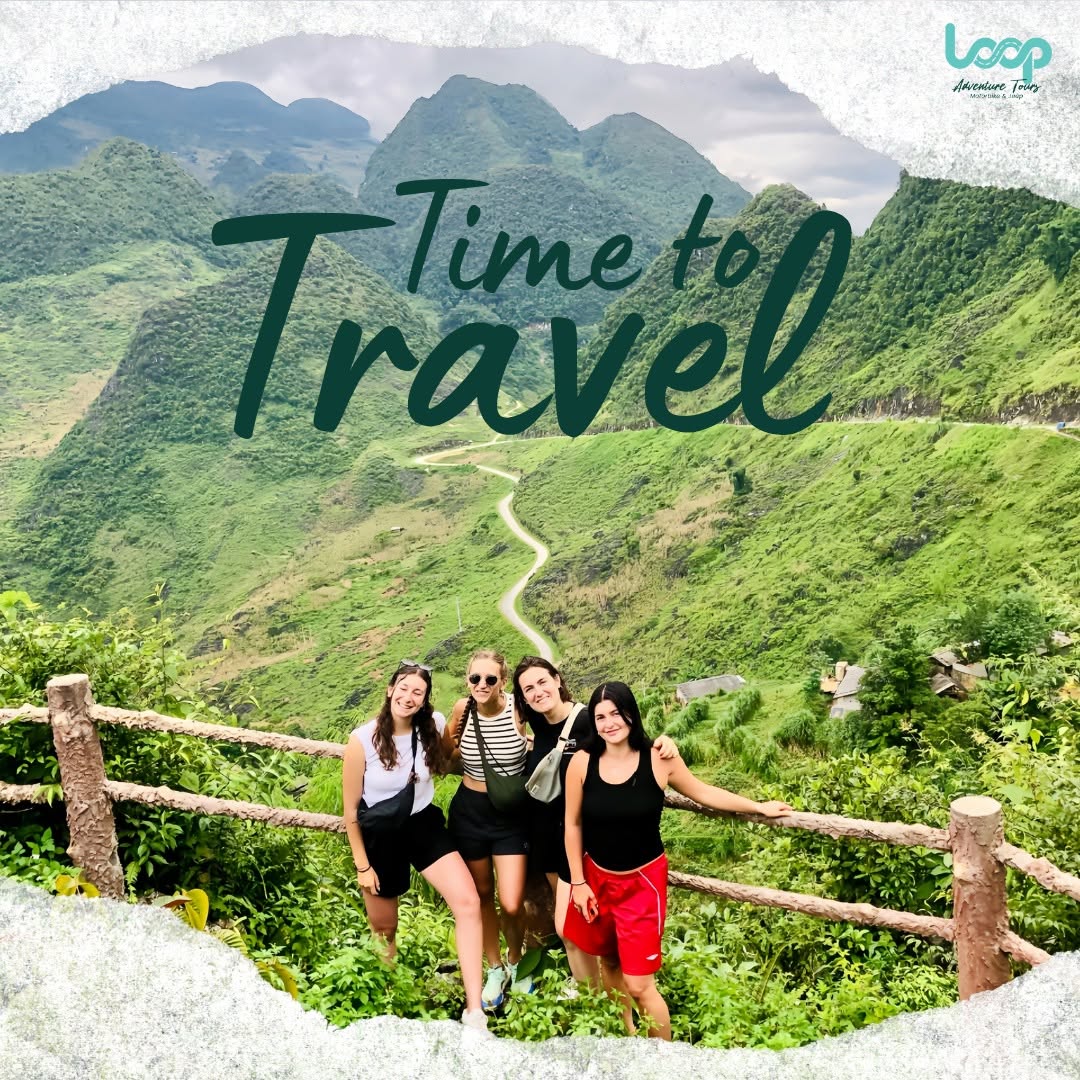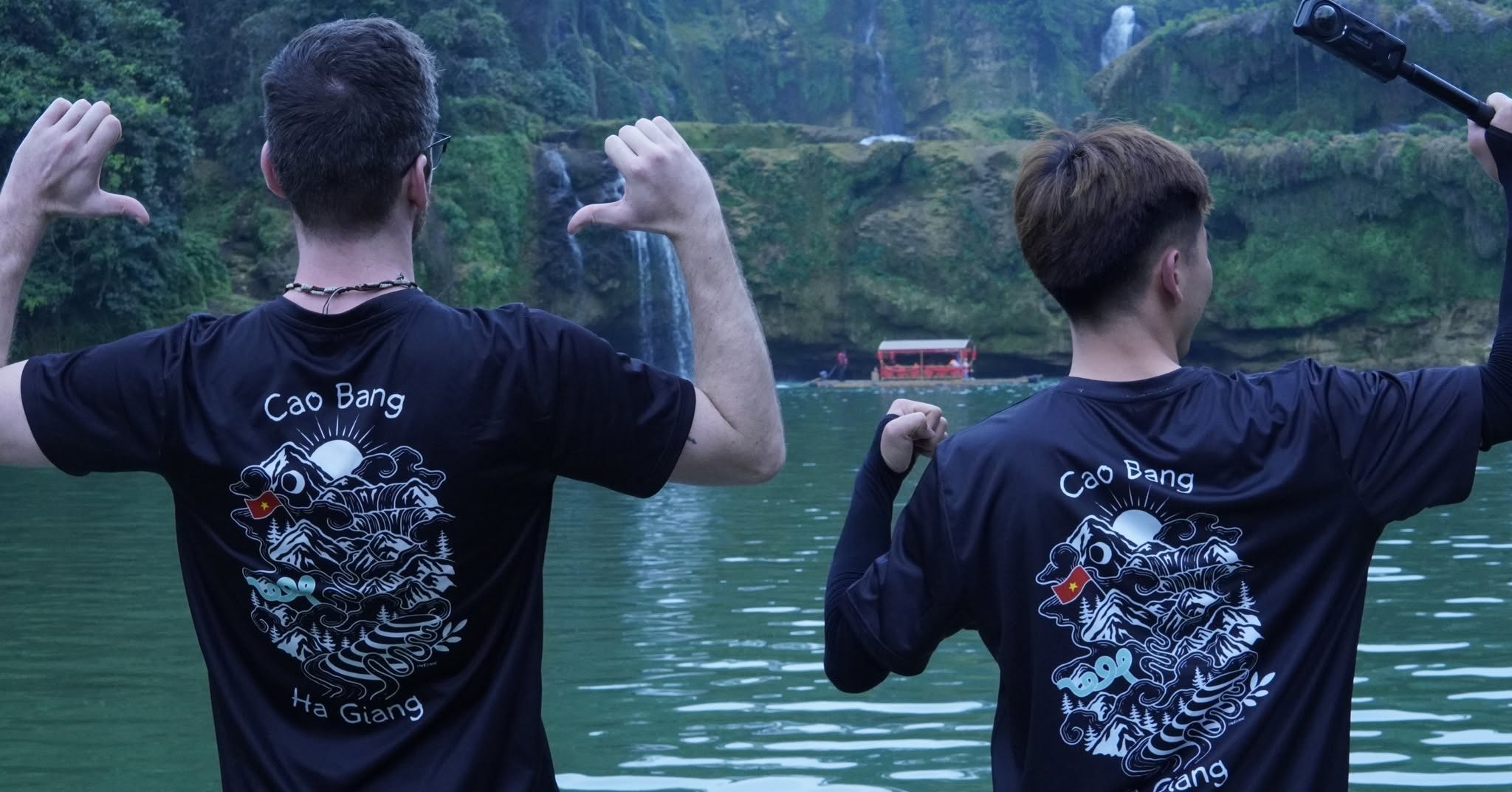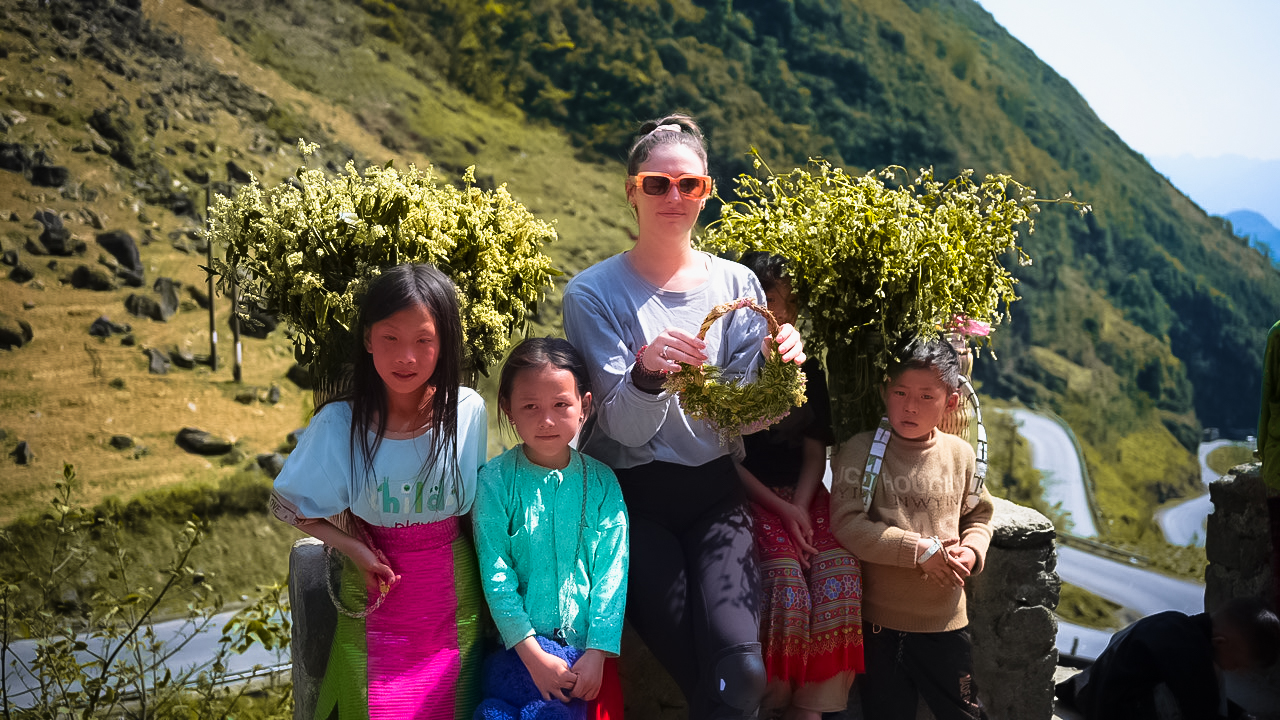


If you love mountains, remote villages and quiet dirt trails more than crowded beaches, a Ha Giang trekking tour is probably exactly what you’re looking for. Ha Giang sits in Vietnam’s far north, along the Chinese border, and is famous for its jagged limestone peaks, rice terraces, deep valleys and rich ethnic-minority culture. Parts of the province are included in the Dong Van Karst Plateau UNESCO Global Geopark, one of the most dramatic landscapes in the country.
While most visitors ride the Ha Giang Loop by motorbike, trekking lets you slow down, walk through villages, talk to people and really feel the land under your feet. This guide will walk you through the main trekking areas, best seasons, what to expect, and how to choose the right Ha Giang trekking tour for your style and budget.
Perfect Tours for You:
Why choose a Ha Giang trekking tour?
1. World-class mountain scenery
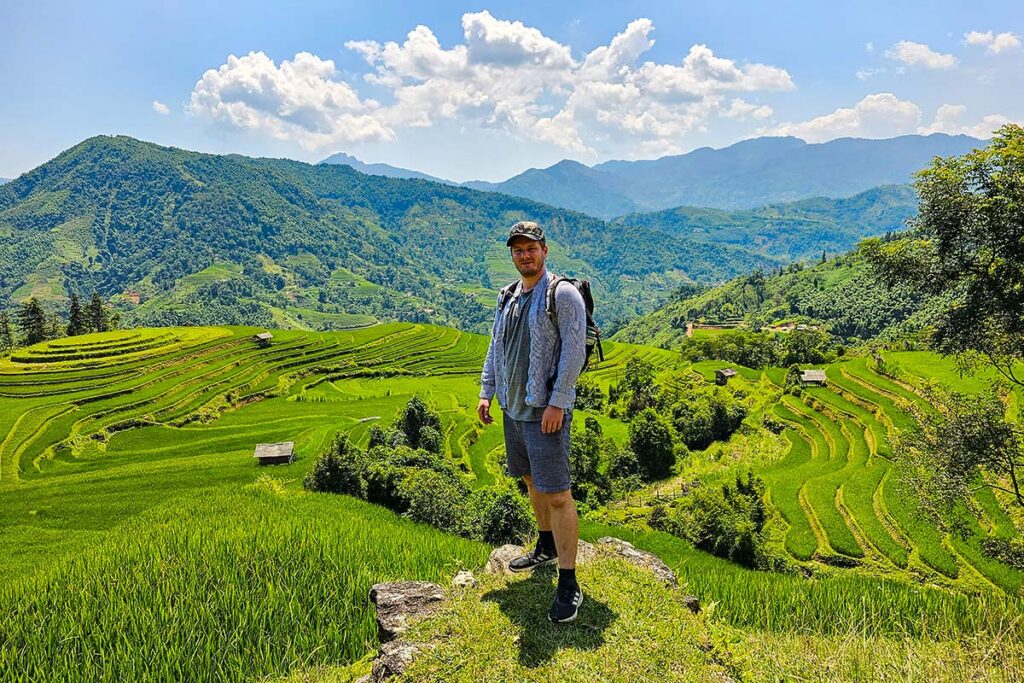
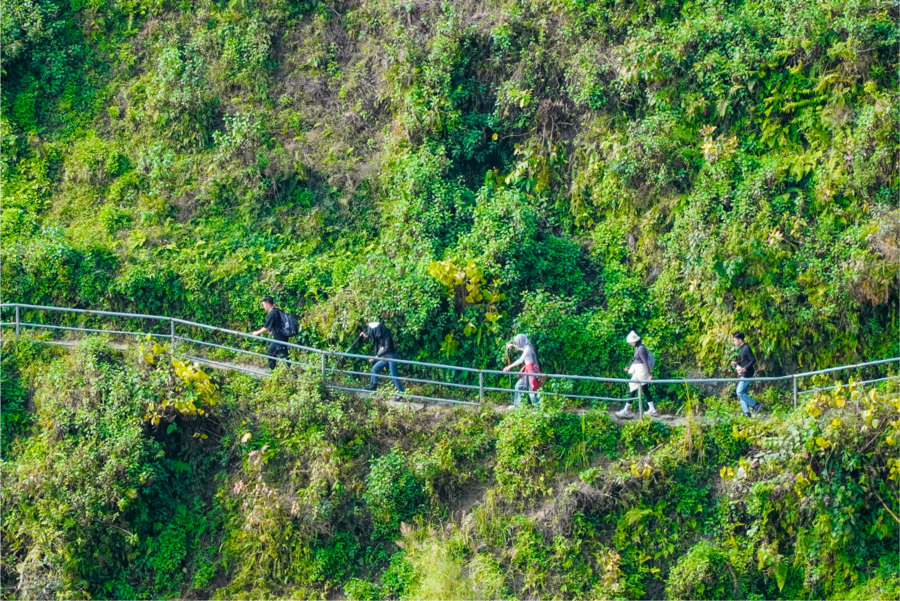
Ha Giang is a maze of limestone massifs, high passes and deeply cut valleys. In the east and north, around Dong Van and Meo Vac, the landscape is all sharp grey rock and narrow canyons like Ma Pi Leng and the Nho Que River. In the west, around Hoang Su Phi, the mountains soften into endless terraces of rice fields cascading down the hillsides – some of the most beautiful in Vietnam.
Trekking instead of just riding the loop means you can:
-
Walk through the rice terraces instead of only seeing them from the road
-
Stop wherever the light is perfect, not just at big viewpoints
-
Discover small paths and local shortcuts that vehicles can’t reach
2. Rich ethnic-minority culture
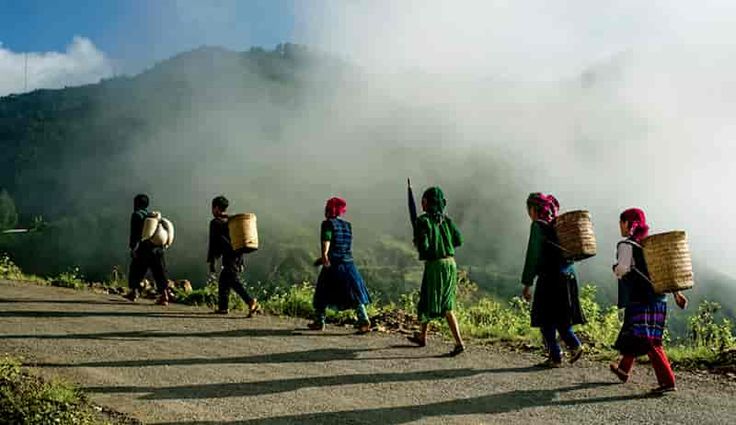
Ha Giang is home to a remarkable mix of ethnic groups – including H’mong, Tay, Dao, Nung, Lo Lo, Giay and others.
On a Ha Giang trekking tour you’re not just “passing by” villages:
-
You may hike from village to village, meeting H’mong or Dao families in their courtyards
-
Sleep in stilt houses or traditional earthen homes as part of a homestay
-
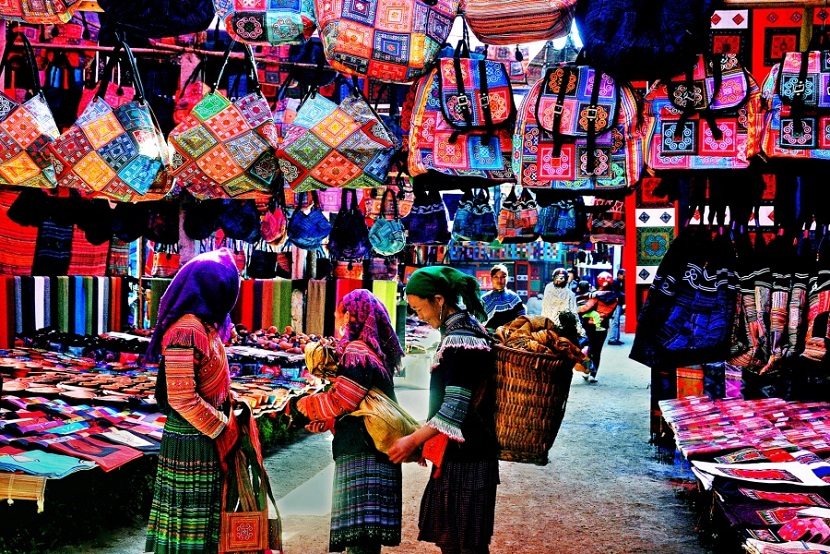
Visit weekly markets where minority communities come to trade and socialise
It’s one of the best parts of trekking here – the human side of the mountains.
3. Off-the-beaten-path adventure
Compared to Sapa, Ha Giang still receives far fewer trekkers. Many trails cross farmland, forest edges and small settlements that see just a handful of visitors. Guided treks are usually small group or private, so it’s easy to feel like you’ve got the mountains to yourself.
Best areas for a Ha Giang trekking tour
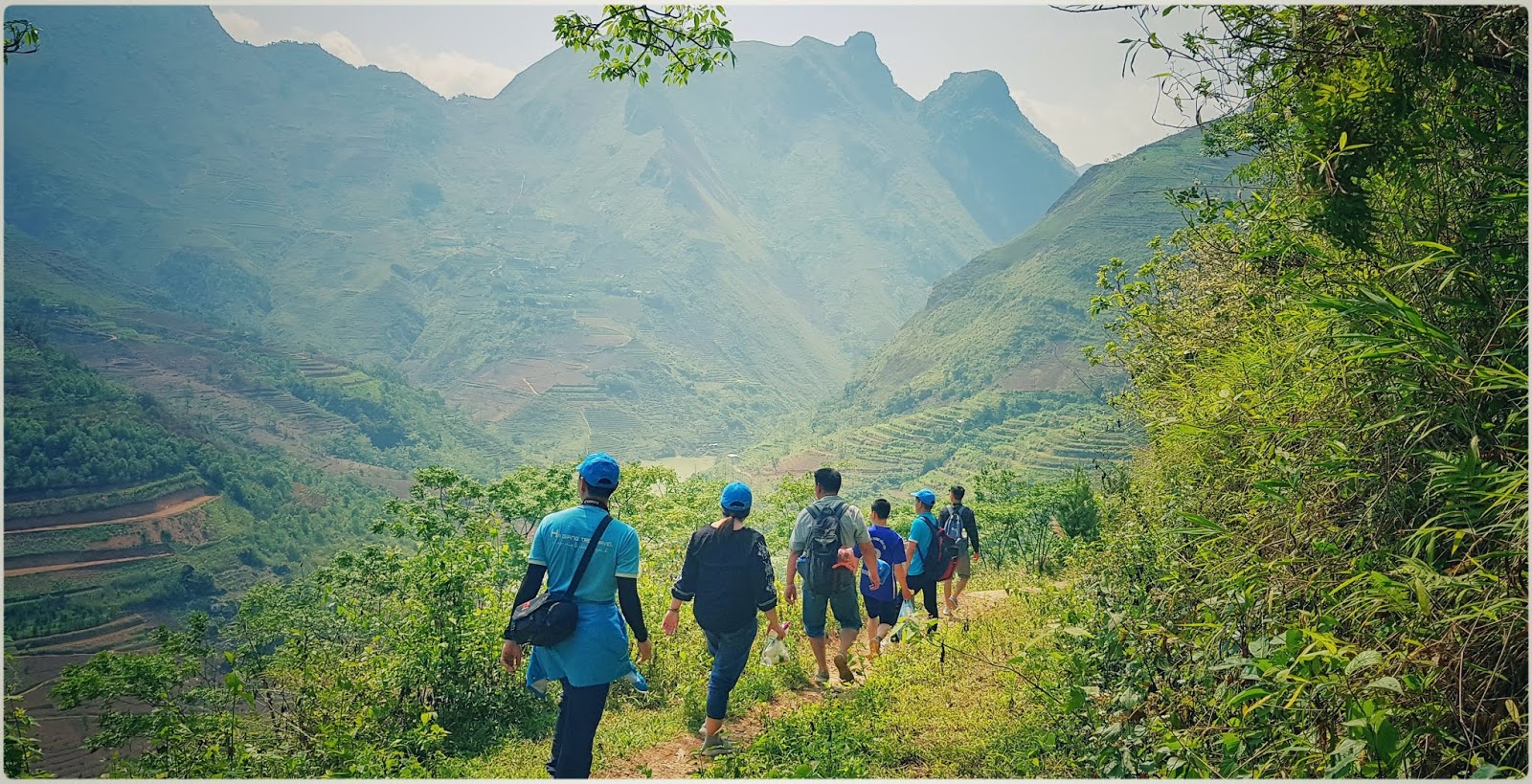
You won’t cover the whole province on foot, so it helps to know the main hiking hubs. Most Ha Giang trekking tours focus on one or two of these regions:
1. Hoang Su Phi – rice terraces & remote villages
Located on Ha Giang’s western side, Hoang Su Phi is famous for steep, layered rice terraces and small villages scattered along the hills.
-
Great for: multi-day treks through rice fields, staying in Tay, Dao or Nung homestays
-
Landscape: lush green in summer, golden at harvest time (around September)
-
Vibe: rural, quiet, ideal if you want long, scenic days on foot
Many 3–6 day Ha Giang trekking tours focus entirely on Hoang Su Phi or combine it with Dong Van and Meo Vac.
2. Dong Van & Meo Vac – rocky plateau & canyons
The UNESCO-listed Dong Van Karst Plateau offers a totally different feel: rocky slopes, stone-walled fields and windswept passes.
Here you can:
-
Trek between H’mong villages across the stone plateau
-
Combine hiking with viewpoints over Ma Pi Leng Pass and the Nho Que River
-
Visit Dong Van Old Quarter or Meo Vac’s markets as part of your route
Trails here tend to be more rugged, with more rock and less rice, but the views are unforgettable.

3. Du Gia, Nam Dam & other valleys
Areas like Du Gia, Nam Dam or around Quan Ba provide softer hiking – green valleys, waterfalls and mixed forest, often used for 1–2 day treks at the start or end of a loop.
These regions are perfect if you want:
-
Gentler walks with village life and homestays
-
To add a short trek onto a mostly motorbike-based Ha Giang trip
Types of Ha Giang trekking tour
Depending on your time and fitness, you can choose from several formats:
1. Day hikes
Ideal if you’re doing the Ha Giang Loop by bike but want to stretch your legs:
-
3–6 hour walks around Du Gia, Nam Dam or near Dong Van
-
Start and finish at the same homestay
-
Light daypack only, moderate difficulty
2. 2–3 day trekking tours
Good if you have limited time but want a real Ha Giang trekking tour experience:
-
Often based in Hoang Su Phi or around Dong Van / Meo Vac
-
Sleep in different homestays each night
-
4–6 hours of trekking per day, mixed terrain
3. 5–7 day trekking itineraries
For serious hikers with more time:
-
Combine Hoang Su Phi + Dong Van + Meo Vac or another mix of regions
-
5–7 hours walking per day, sometimes with vehicle transfers between areas
-
Deep immersion in both landscapes and cultures
These longer trips can be run either as fully trekking-based journeys from Hanoi, or as part of a bigger northern Vietnam trip.
Best time for a Ha Giang trekking tour
You can technically trek in Ha Giang year-round, but some months are better than others.
Most trekking-focused guides suggest:
-
March – May (spring)
-
Pleasant temperatures, fresh greenery and blossoms
-
Good for clear views and comfortable hiking
-
-
September – November (autumn)
-
Often considered the best time: cool, dry, stable weather
-
Rice terraces turn golden in Hoang Su Phi around September
-
Great for longer Ha Giang trekking tours with little rain
-
-
Summer (June – August)
-
Hotter, more humid and more rain; trails can be muddy
-
Lush green scenery but be prepared for showers and leeches in some forest areas
-
-
Winter (December – February)
-
Cold, especially at higher elevations; fog is common
-
Can be atmospheric but you’ll need warm layers and flexibility
-
What to expect on a Ha Giang trekking tour
Trail conditions & difficulty
Ha Giang isn’t flat. Expect:
-
Steep uphills and downhills, often on dirt or stone paths
-
Narrow terraced edges in Hoang Su Phi, rocky tracks in Dong Van
-
Daily distances of 8–18 km depending on your tour
You don’t need to be an athlete, but a basic level of fitness and sure-footedness helps. Trekking poles can be useful on longer descents.
Accommodation
Most Ha Giang trekking tours use homestays:
-
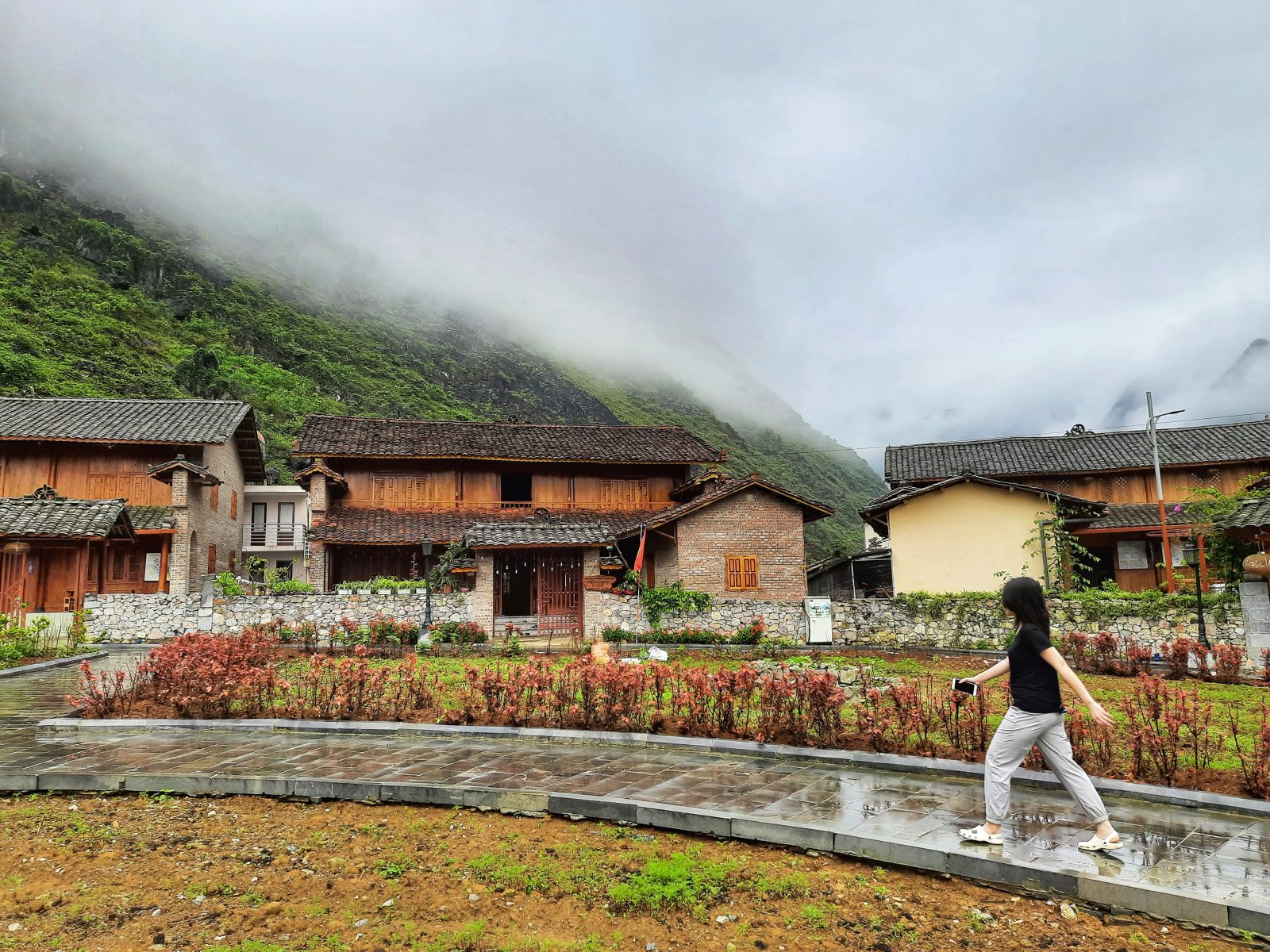
Shared stilt houses or private rooms in village homes
-
Simple but cozy beds, mosquito nets, blankets
-
Shared or private bathrooms depending on the place
It’s not luxury, but it’s comfortable and very social – dinners are usually shared with the host family and other travellers.
Food
Expect:
-
Rice, seasonal vegetables, tofu, pork or chicken, sometimes fish
-
Local specialities like smoked meat, corn wine, buckwheat pancakes (in some areas)
-
Breakfasts of noodles, rice, eggs or pancakes with tea or coffee
Vegetarians and vegans are usually fine if you tell your guide in advance.

How to choose the right Ha Giang trekking tour
To find a responsible, high-quality Ha Giang trekking tour, pay attention to:
Local guides
-
Look for tours that employ local H’mong, Tay, Dao or other minority guides or co-guides – this supports communities and gives you better cultural insight.
Group size
-
Small groups (2–8 people) are best for both experience and impact
-
Large groups can feel intrusive in small villages
Itinerary detail
-
Check daily walking hours and elevation gain
-
Make sure the difficulty level matches your fitness
Responsible travel practices
-
Homestays paid fairly
-
Respect for local customs and photography etiquette
-
Clear “leave no trace” approach on trails and in villages
Recent reviews
-
Read comments about safety, guide knowledge, food and homestays
-
Prioritise companies with consistent, up-to-date positive feedback
Packing tips for a Ha Giang trekking tour
Bring:
-
Lightweight hiking boots or trail shoes with good grip
-
Small daypack (20–30L)
-
Layered clothing – T-shirt, long-sleeve, fleece, light jacket
-
Rain jacket or poncho (weather can change fast)
-
Trekking poles (optional but helpful)
-
Refillable water bottle and snacks
-
Headlamp, basic first-aid, blister plasters
-
Respectful clothing for villages (no super-short shorts)
Your tour operator usually transports your main luggage between homestays or keeps it at a base, so you only carry what you need for the day.
Final thoughts
A Ha Giang trekking tour is one of the most rewarding ways to experience Vietnam’s far north. Instead of just riding the famous loop, you’ll walk along rice terraces, cross stone paths between H’mong hamlets, share tea in wooden kitchens and watch the mountains change colour with each hour of the day.
Choose the region and difficulty that fit you, travel in a good season, and go with a responsible operator that works closely with local communities. Do that, and your time trekking in Ha Giang won’t just be another hike – it will be one of those trips that quietly stays with you for years.
Ready to plan, get a price, or just ask questions?
👉 Call/WhatsApp The Loop Tours — Hotline: +84862443320