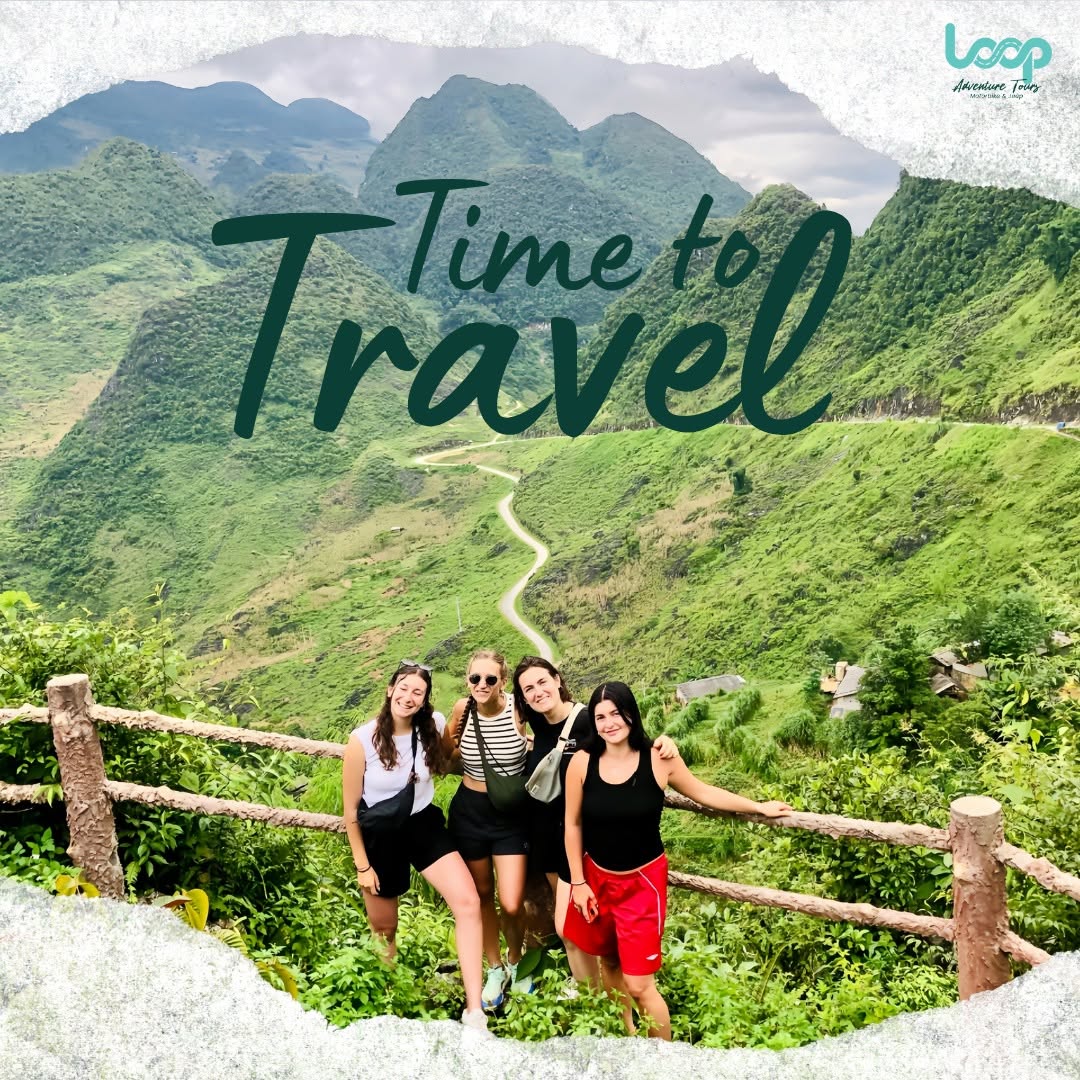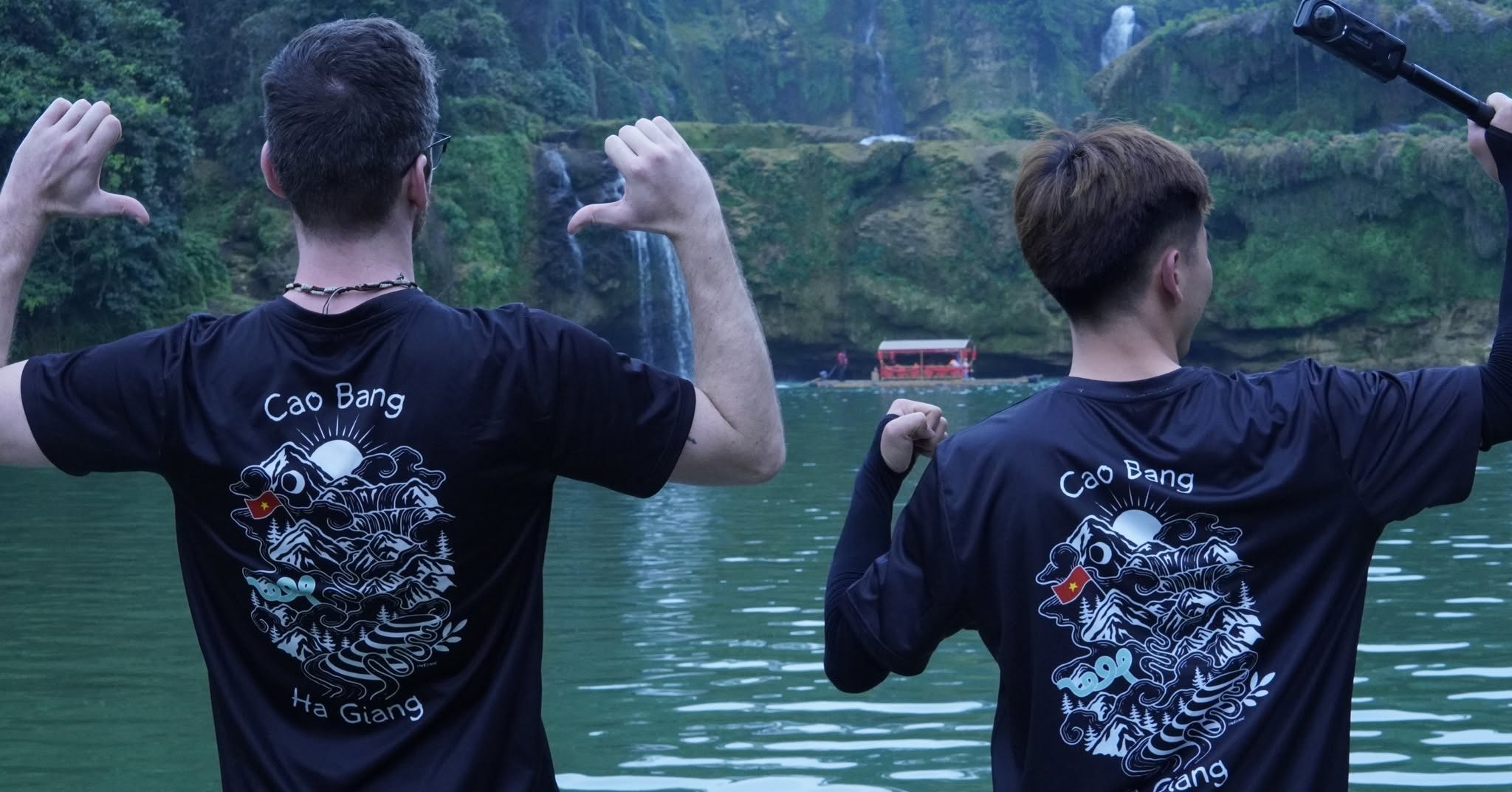


If you’re a photographer dreaming of misty mountains, dramatic passes and colourful ethnic markets, a Ha Giang photography tour should be at the top of your Vietnam list. Ha Giang, in the far north, is home to the UNESCO-listed Dong Van Karst Plateau, Ma Pi Leng Pass, terraced rice fields and vast buckwheat flower valleys – all within a compact but endlessly varied region.
This guide will help you plan a photo-centric trip: best seasons, must-shoot locations, a sample itinerary and practical gear and tour tips tailored specifically for photographers.
Perfect Tours for You:
Why Ha Giang is a dream for photographers
Ha Giang combines several “genres” of photography in one place:
-
Epic landscapes – The Dong Van Karst Plateau is a world of jagged limestone, deep canyons and high passes like Ma Pi Leng, often called Vietnam’s most scenic road.
-
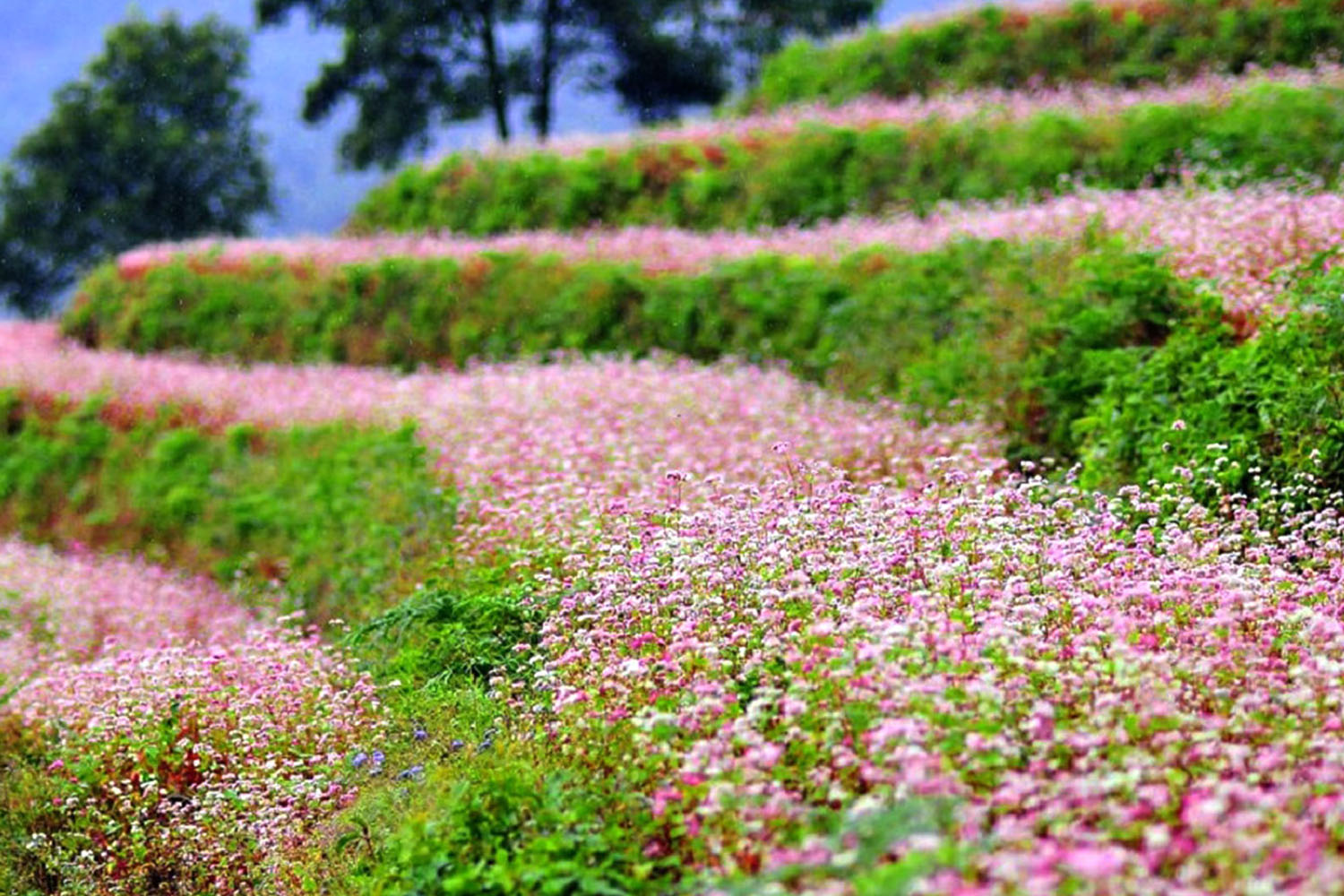
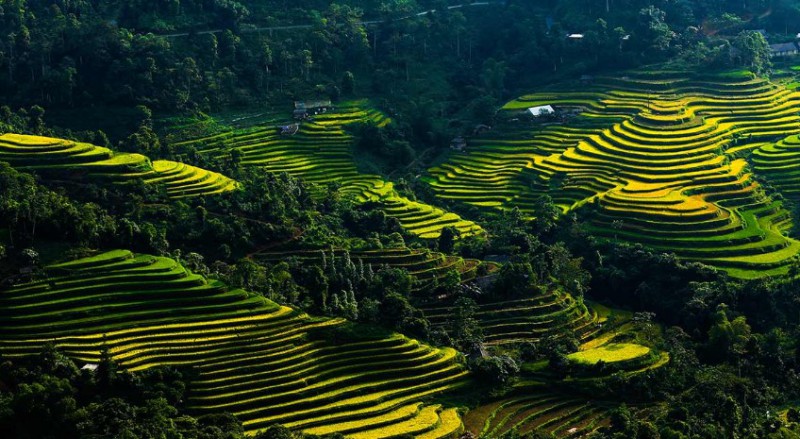
Seasonal color – Golden rice terraces in Hoang Su Phi (Sept–Oct) and carpets of pink buckwheat flowers across the plateau (late Oct–Nov).
-
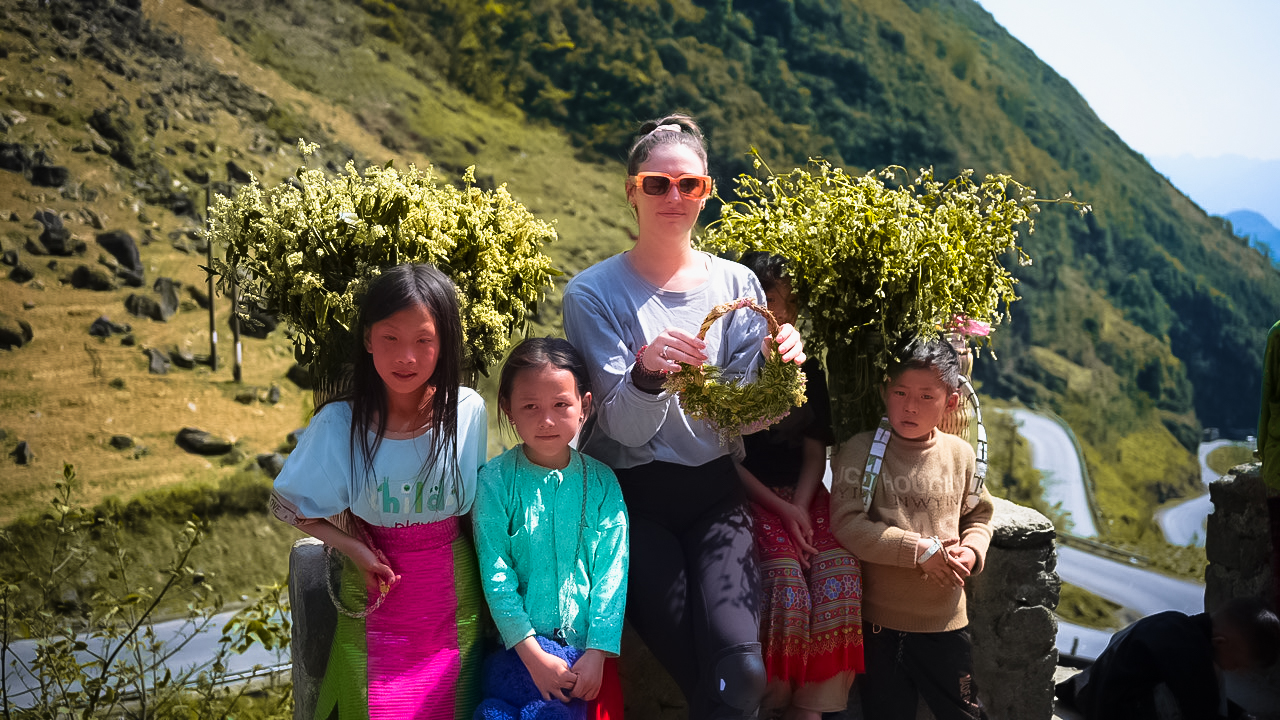
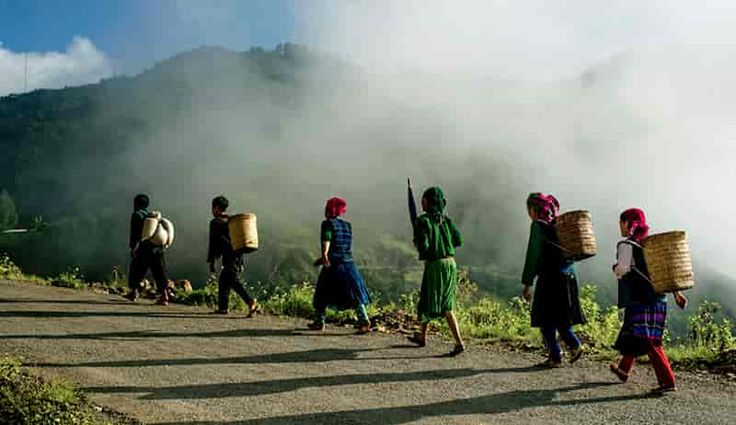
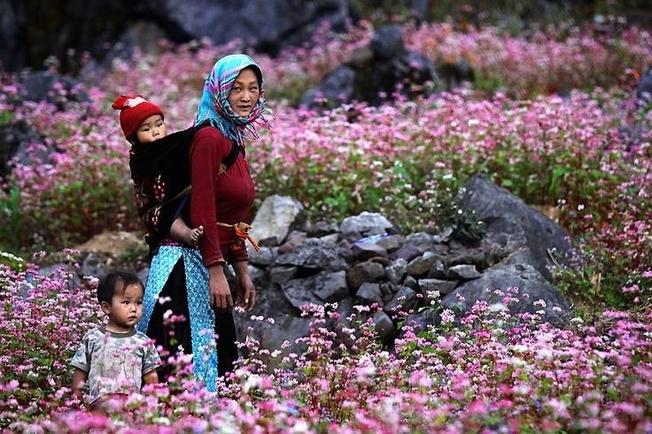
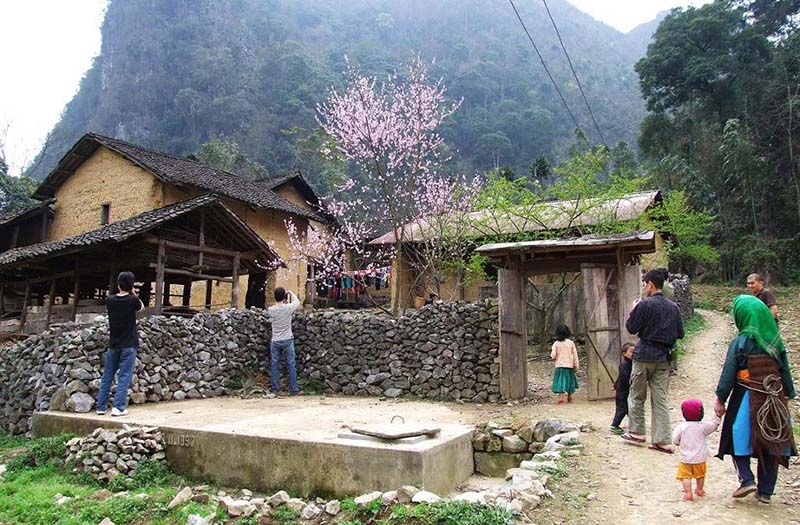
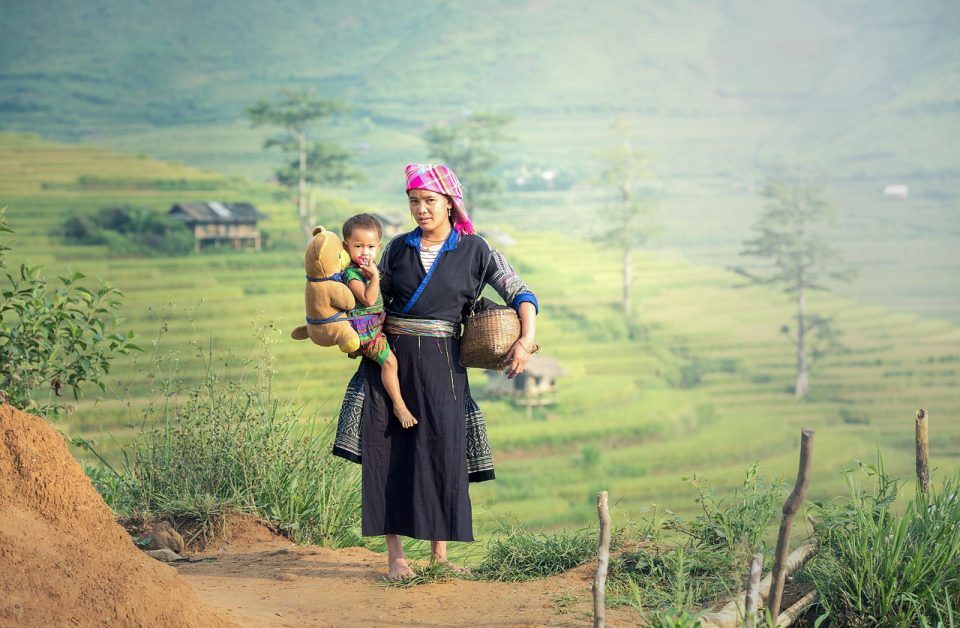
Ethnic minority culture – Markets and villages of Hmong, Dao, Tay, Nung and Lo Lo communities with distinctive traditional dress and architecture.
-
Cloud & atmosphere – High ridges like Ma Pi Leng and the cloud-hunting peaks around Hoang Su Phi often sit above a “sea of clouds” at dawn in spring and autumn.
A dedicated Ha Giang photography tour lets you time your days for sunrise, sunset and market mornings instead of just rushing the loop.
Best time of year for a Ha Giang photography tour
You can shoot in Ha Giang year-round, but certain months suit specific themes better.
Autumn (September – November) – top choice for most photographers
-
Golden rice season: September–early October sees terraces from Hoang Su Phi to Quan Ba turn rich yellow.
-
Buckwheat flower season: Late October to late November (sometimes into December) brings pink-white fields across Dong Van, Meo Vac, Quan Ba and Yen Minh, often celebrated with a Buckwheat Flower Festival.
Light is often clear and crisp, rainfall is relatively low, and you get both crops and flowers – ideal for a first-time Ha Giang photography tour.
Spring (February – April) – blossoms and fresh green
-
Plum, peach and rapeseed flowers brighten valleys around Quan Ba, Dong Van and Lung Cu.
-
Hills turn bright green and rivers run full from winter snowmelt and earlier rains.
Great for softer colours and village life, with milder temperatures.
Winter (December – January) – mist, mood & rare frost
-
Colder, mistier conditions create moody scenes on high passes and over Dong Van town.
-
Some years bring frost or even light snow on the plateau – dramatic, but roads are trickier.
Choose this if you like atmospheric, monochrome-leaning images and don’t mind the cold.
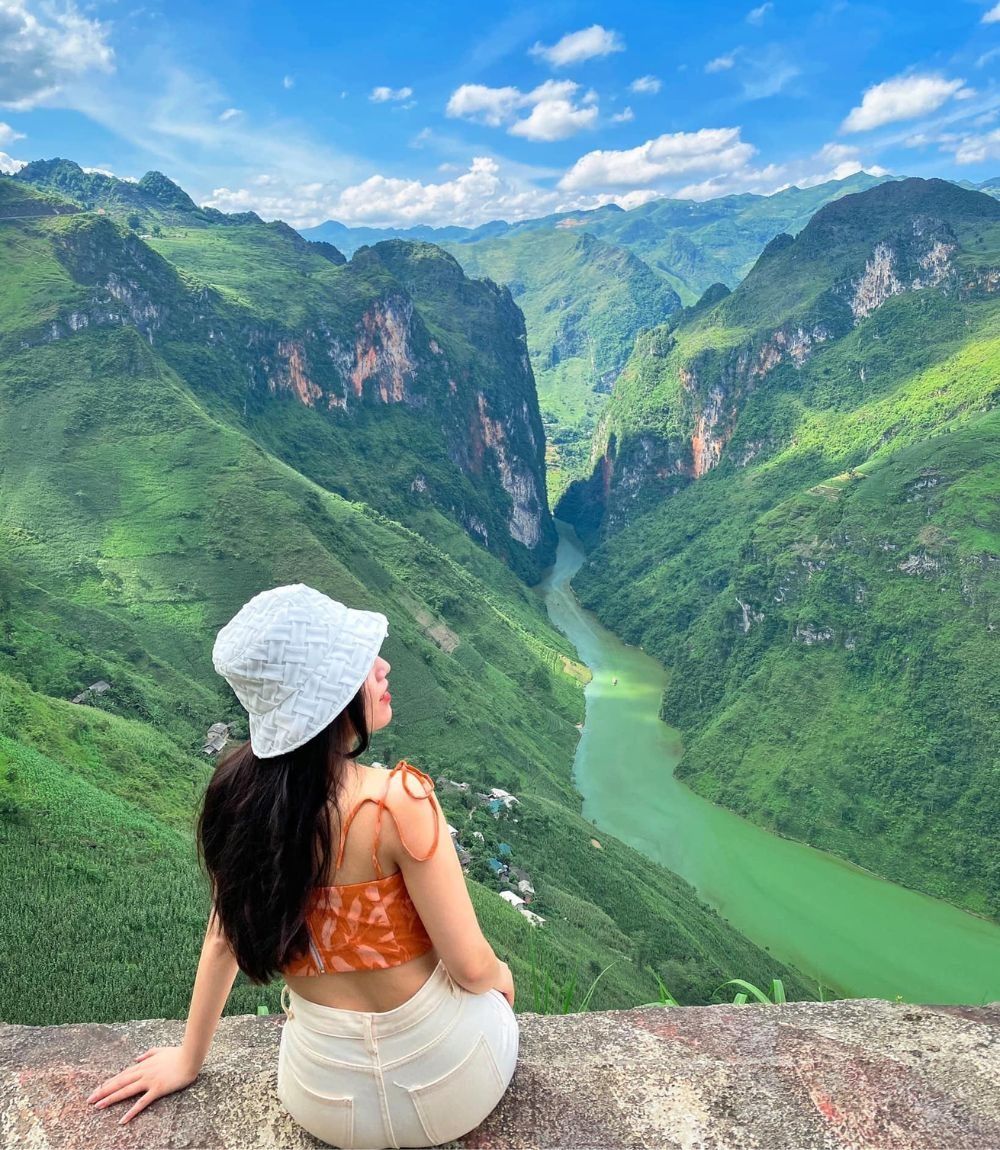
Sample 5-day Ha Giang photography tour itinerary
This outline assumes you’re joining a dedicated photo tour or hiring a private guide/driver who understands photographers’ needs, similar in style to specialist Ha Giang photo tours already on offer.
Day 1 – Hanoi → Ha Giang City
-
Morning drive or bus (6–7 hours) from Hanoi to Ha Giang City.
-
Sunset shoot over the Lo River or surrounding hills.
-
Gear check, briefing with your guide about conditions and priorities (landscape vs culture vs lifestyle).
Day 2 – Ha Giang → Quan Ba → Yen Minh → Dong Van
-
Sunrise at Quan Ba Heaven Gate: first wide panorama of the Twin Mountains and Tam Son valley.
-
Late-morning and afternoon stops in small Hmong and Tay villages, shooting terrace patterns and daily life.
-
Golden-hour arrival near Dong Van for silhouettes of karst peaks and road curves.
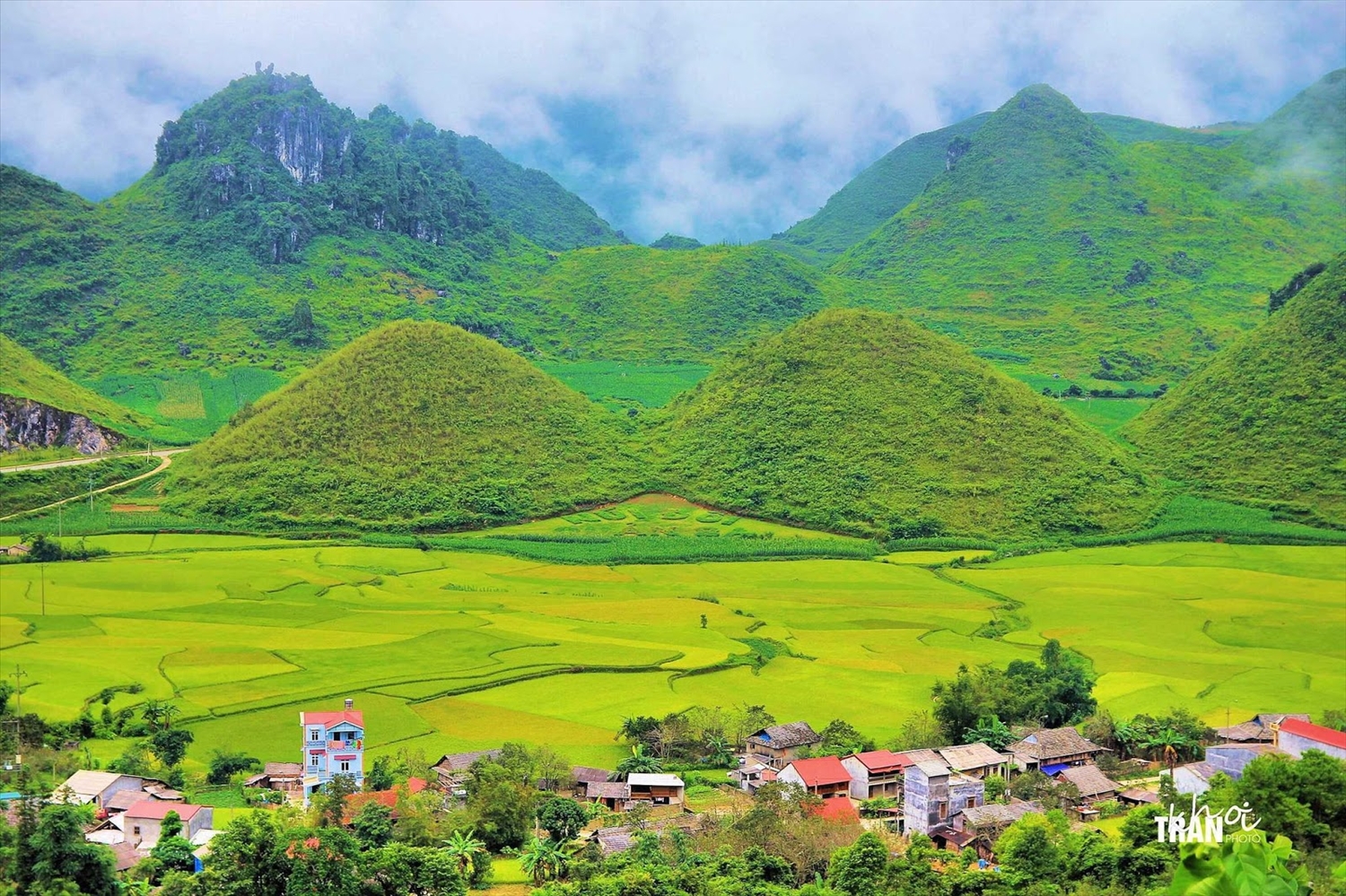
Day 3 – Dong Van plateau & buckwheat flower villages
-
Early light over Dong Van Old Quarter, clay houses and surrounding ridges.
-
Mid-morning in Sung La Valley / Lung Cam, photographing buckwheat fields, stone walls and traditional houses.
-
Afternoon at Lung Cu Flag Tower and Lo Lo Chai village for views towards China and village life.
-
Sunset over Dong Van or nearby viewpoints.
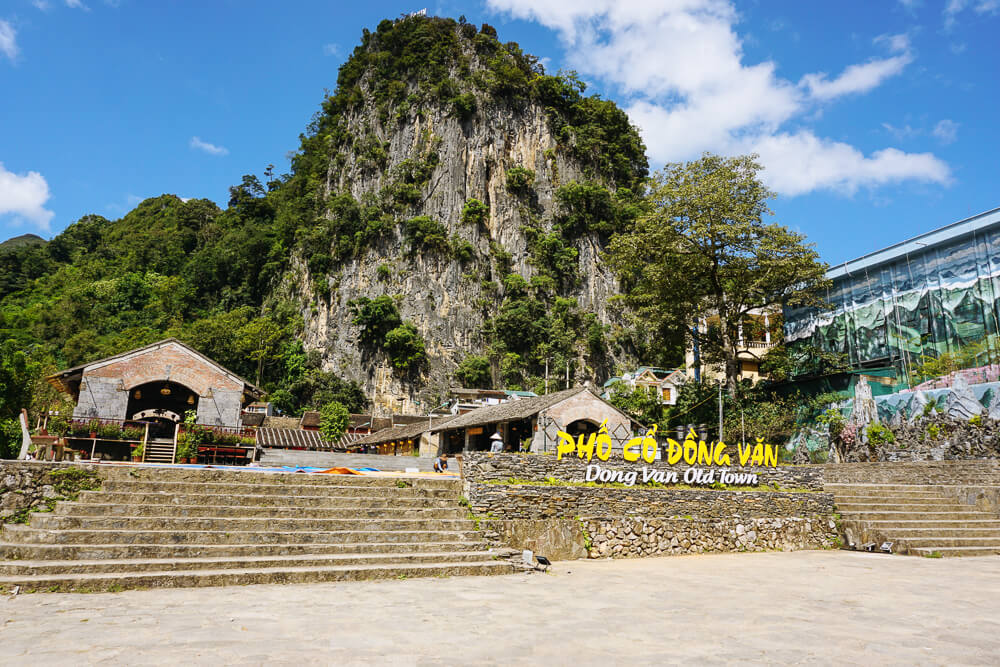
Day 4 – Dong Van → Ma Pi Leng Pass → Nho Que River → Meo Vac / Du Gia
-
Sunrise at Ma Pi Leng Pass for dramatic canyon light and long shadows on the Nho Que River.
-
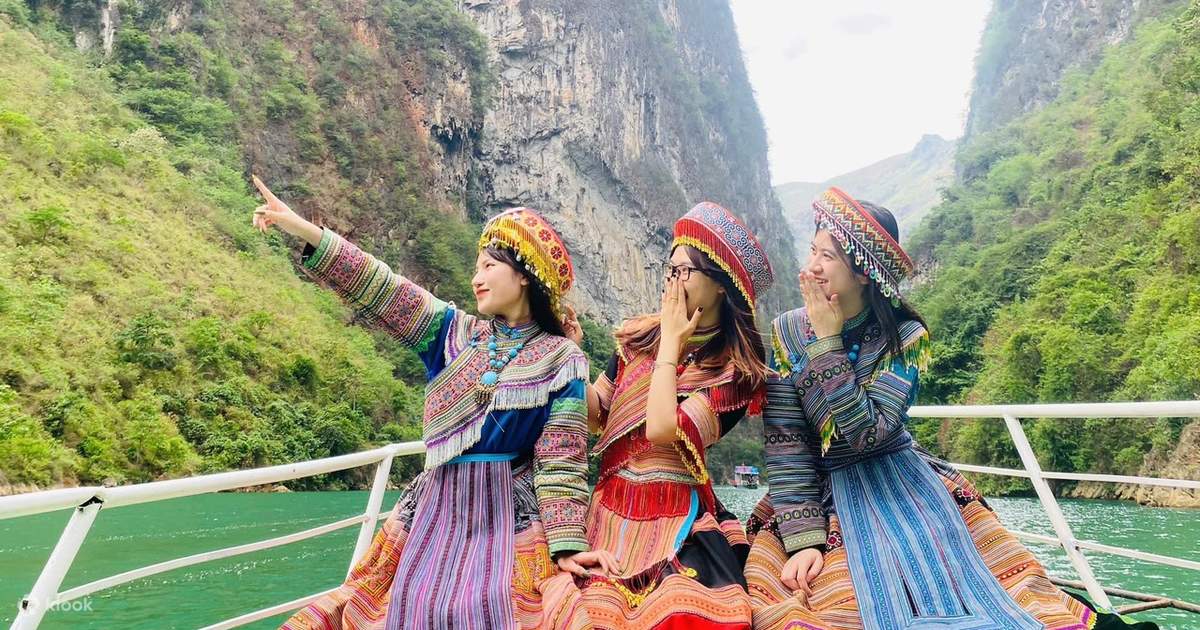
Late-morning boat trip on the Nho Que to shoot vertical canyon walls from below.
-
Afternoon drive through Meo Vac and, if time allows, on to Du Gia for rural valley and waterfall shots.
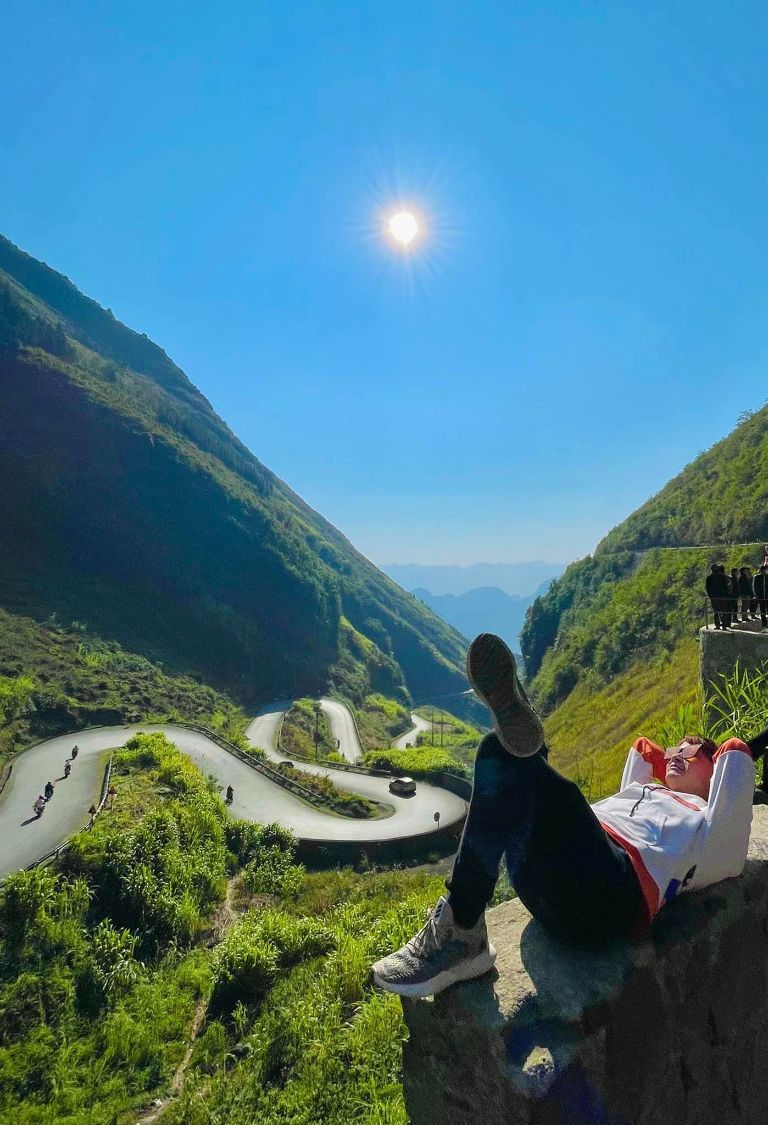
Day 5 – Du Gia / Meo Vac → Ha Giang → Hanoi
-
Golden-hour rice fields, rivers and village bridges around Du Gia (or final quick shots near Meo Vac).
-
Return to Ha Giang City, then onward to Hanoi by evening bus or private transfer.
You can easily extend this Ha Giang photography tour with 1–2 extra days in Hoang Su Phi to focus on rice terraces and cloud hunting.
Must-shoot locations on a Ha Giang photography tour
When you design or choose a tour, make sure it gives you enough time at these key spots:
-
Ma Pi Leng Pass & Nho Que River – iconic cliff-edge road, emerald river, Tu San Canyon.
-
Dong Van Karst Plateau – sweeping ridges, layered horizons and rock-strewn fields, officially recognised as a UNESCO Global Geopark.
-
Sung La, Lung Cam & other buckwheat villages – classic pink/white flower carpets around stone houses.
-
Hoang Su Phi – some of Vietnam’s most spectacular terraced rice fields, especially in late September and October.
-
Dong Van & Meo Vac markets – weekend markets full of colourful Hmong, Dao and other ethnic groups, perfect for portraits and street scenes.
-
Quan Ba Heaven Gate & Thach Son Than – great road-trip foregrounds and wide valley views, with buckwheat in season.
Gear and shooting tips for Ha Giang photographers
What to pack
-
Camera body + backup (or phone with good low-light performance)
-
Wide-angle lens (14–24mm / 16–35mm) for passes, valleys and star shots.
-
Standard zoom (24–70mm / 24–105mm) for flexibility.
-
Telephoto (70–200mm or more) for compressing mountain layers and discreet market portraits.
-
Polarizing filter for rivers and skies, ND filter if you like long exposures at waterfalls or rivers.
-
Lightweight tripod for sunrise, sunset and night scenes.
Mountain weather can turn fast, so pack:
-
Rain cover for camera and bag, microfiber cloths, silica gel packs.
-
Layers of clothing and a windproof jacket – dawn at passes can be cold even in “warm” seasons.
Shooting strategies
-
Chase light, not checklists – a good Ha Giang photography tour should flex around weather, prioritising sunrise/sunset at Ma Pi Leng or Hoang Su Phi when conditions look promising.
-
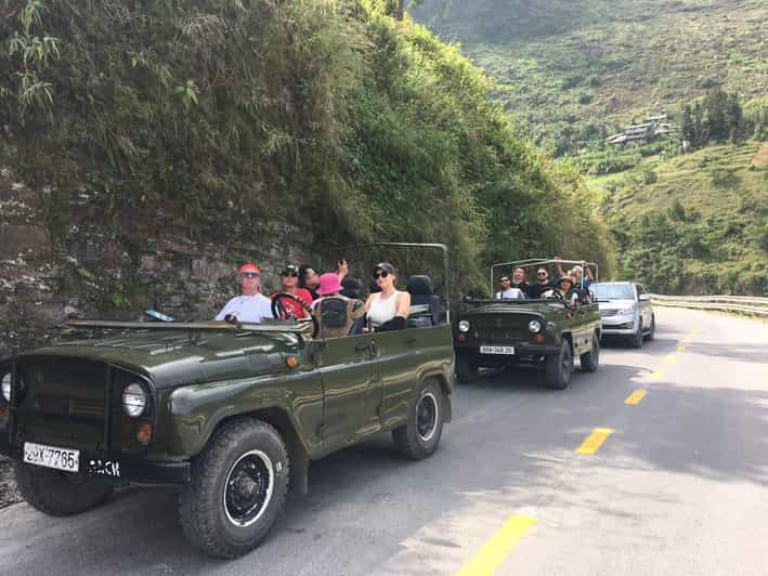
Use scale – include people, roads or bikes in the frame to show just how huge the landscape is.
-
Market etiquette – ask before close-ups, buy a small item if you shoot a lot around one stall, and avoid flashing cameras directly in people’s faces.
-
Backup daily – onto a laptop or second memory card; Ha Giang is remote and replacing lost images is impossible.
Choosing a Ha Giang photography tour operator
When you search “Ha Giang photography tour”, you’ll see both general loop tours and dedicated photo workshops. The best options for photographers usually:
-
Limit group size to keep shooting flexible (often 4–8 people).
-
Include drivers/guides who know sunrise/sunset angles, seasonal locations and backup spots if fog hits.
-
Allow time at each location instead of just quick “viewpoint stops”.
-
Offer homestays or guesthouses close to key shooting areas so you’re not driving long distances in the dark.
Check recent reviews, sample itineraries and whether the operator is willing to adjust plans on the fly based on light and weather – that’s critical for a successful photography tour.
Final thoughts
A well-planned Ha Giang photography tour turns an already stunning loop into a portfolio-building trip: golden terraces, buckwheat fields, cloud seas, canyon passes and vivid market scenes, all framed by the unique culture of Vietnam’s far north.
If you choose the right season, work with a photo-friendly guide and give yourself a few extra days for weather and exploration, you’ll come home with images that feel less like snapshots and more like stories – each frame a small piece of Ha Giang’s wild, beautiful landscape.
Ready to plan, get a price, or just ask questions?
👉 Call/WhatsApp The Loop Tours — Hotline: +84862443320