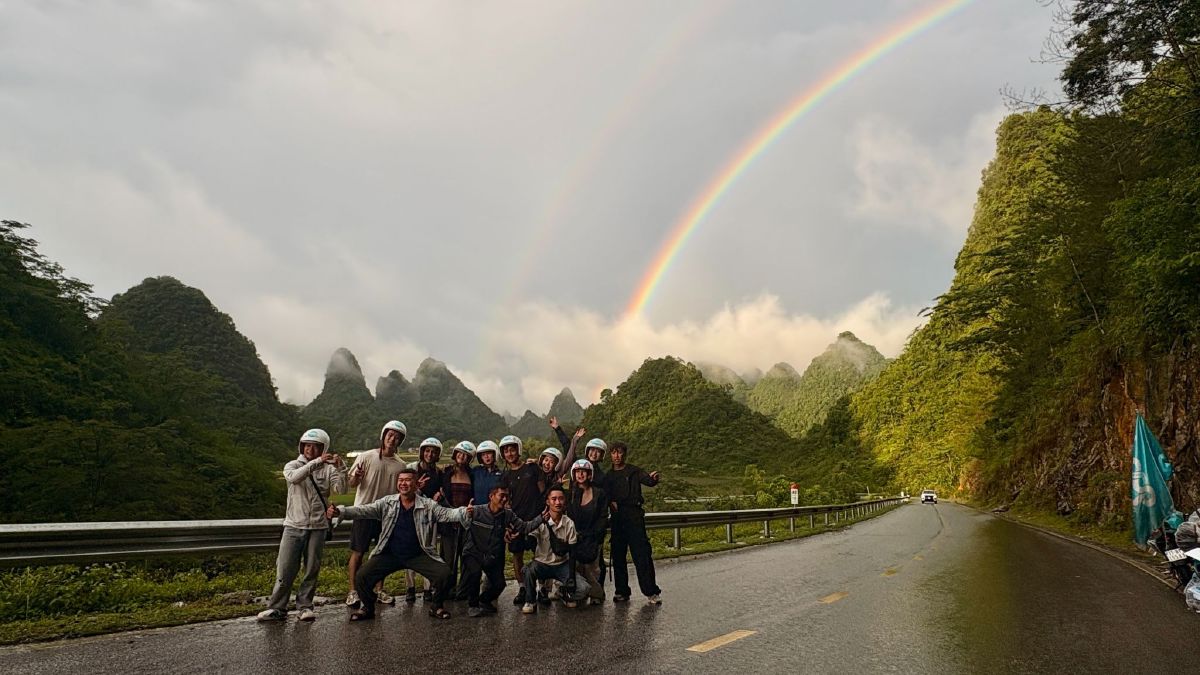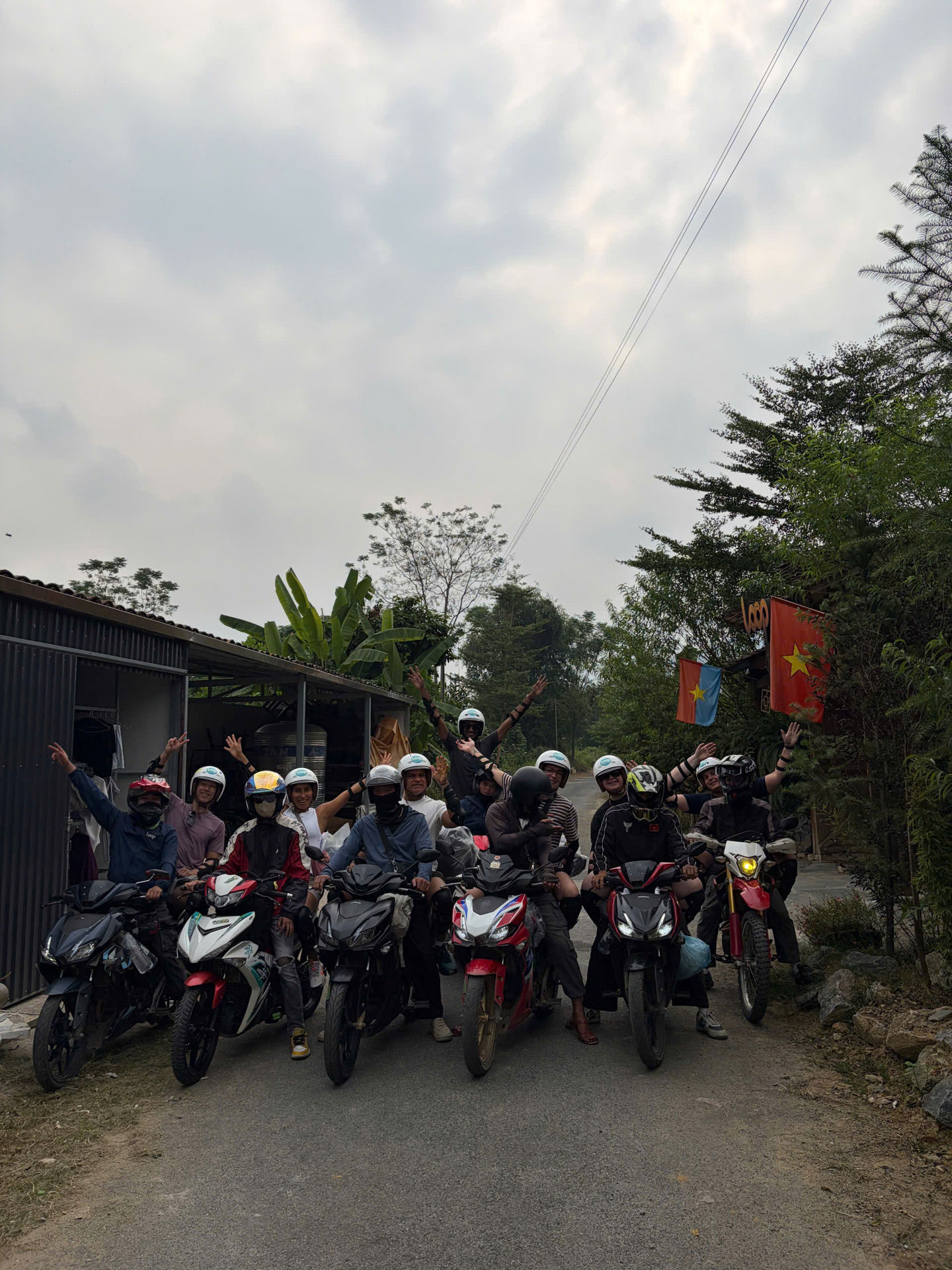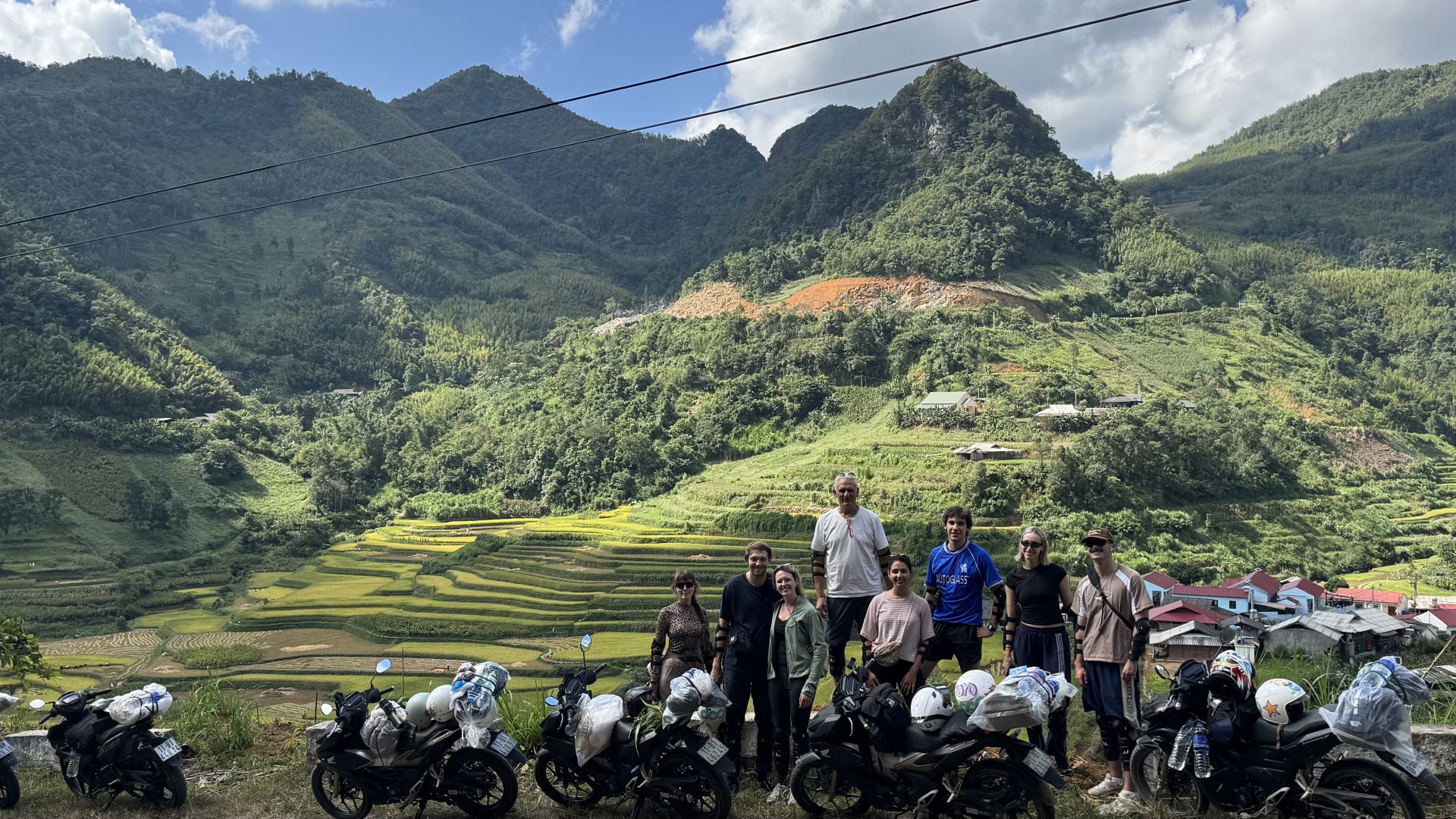


If you are considering the Ha Giang Loop in foggy season, the good news is that it can be one of the most atmospheric times to go. The more honest answer, though, is that it is also a season that rewards good planning. On Loop Tours’ weather guide, Ha Giang is described as having a cool, fog-prone winter and a warm, rainy summer, with altitude making a big difference to both temperature and visibility. Their winter guide adds that December to February brings foggy ridgelines, shorter daylight hours, and a calm, cinematic mood across famous karst passes such as Ma Pi Leng.
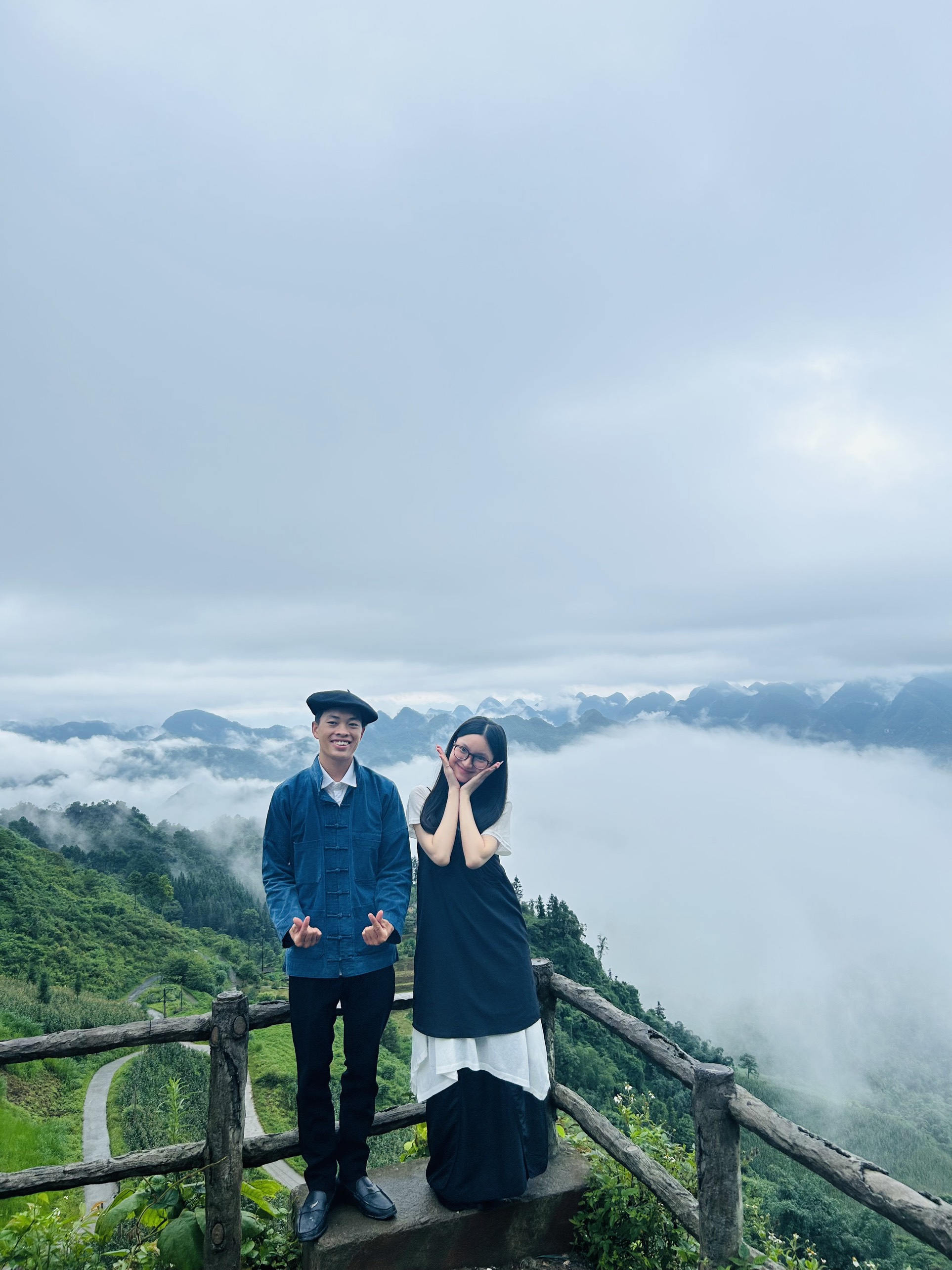
That is why foggy season is not automatically a bad season. It is simply a different version of Ha Giang. Instead of chasing long blue-sky panoramas every hour of the day, you get drifting cloud, softer light, quieter roads, and mountain views that reveal themselves more slowly. Loop Tours’ seasonal guides describe winter as the season of moody light, quiet roads, and even the famous “cloud sea” effect, where valleys can sit under thick white fog while the higher peaks rise into sunshine above it.

Perfect Tours for You:
When is foggy season in Ha Giang?
The most obvious foggy period is winter, especially December to February. Loop Tours’ weather guide calls winter the season of shorter days and morning fog, while its winter article describes those months as crisp, quieter, and more cinematic than the busier autumn period. The same monthly guide also says that winter is a good fit for travelers who want crowd-light calm, as long as they dress warm and start later when needed.
That said, fog is not limited to only one narrow window. Because Ha Giang is a highland region with strong microclimates, visibility can change fast by altitude and time of day. Loop Tours specifically notes that a blue sky in Quan Ba can coexist with fog in Dong Van, and recommends keeping plans flexible by 60 to 90 minutes because of changing mountain conditions.
What is the road like in foggy season?
The road does not necessarily become impossible in foggy season, but it does demand more patience. Loop Tours’ weather guide is very clear on one point: ride or drive only in daylight year-round. It also explains that winter fog affects early visibility, while windy passes can feel much colder than valley towns. Their travel guide adds a similar message: choose the season that fits your style, travel in daylight, and leave time for fog to lift rather than forcing the schedule.
This is what makes foggy season feel different from rainy season. In summer, the main challenge is wet surfaces and storms. In winter, the challenge is usually not heavy rain but cold starts, low visibility, and slower mornings. That often makes the trip feel calmer rather than harsher, provided you do not expect to move as quickly as you might in clearer months.
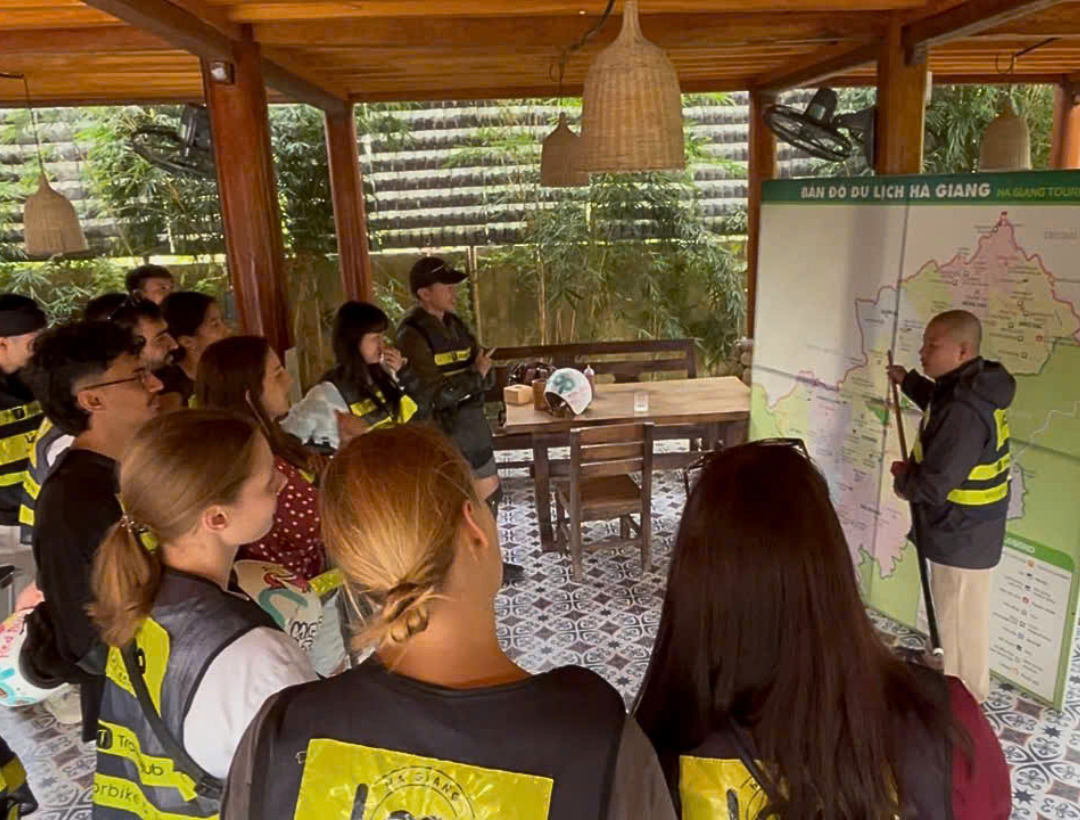
Why some travelers actually love it
For the right traveler, foggy season is one of the most rewarding times to do the loop. Loop Tours’ winter article describes it as having foggy ridgelines, quiet markets, dramatic low-angled light, and the warmth of homestays after chilly rides. Their weather guide also notes that winter gives a very different visual experience from autumn: less bright color, but more mood, more texture, and more drama in the limestone landscape.
This is especially attractive if you care more about atmosphere than postcard-perfect visibility every hour. Fog can make places like Dong Van, Ma Pi Leng, and the wider karst plateau feel more cinematic and less crowded. You may not get endless long-distance views every morning, but when the fog lifts, the reveal can feel even stronger. That trade-off is exactly why some people deliberately choose winter instead of peak autumn.
What should you pack?
Foggy season in Ha Giang is really a mix of cold, damp air and wind chill, especially on the passes. Loop Tours’ monthly weather guide recommends thermals, a fleece or light down layer, a windproof or water-resistant jacket, insulated gloves, a neck gaiter or beanie, and thick socks for winter. It also highlights practical riding basics such as long pants, sturdy shoes, and a certified helmet.
One small detail that matters more than people think is battery life. The same guide recommends a power bank, noting that cold weather drains batteries faster. If you are using your phone for offline maps, photos, and quick weather checks, that extra backup becomes very useful in winter conditions.
Is foggy season a good time for beginners?
It can be, but only if you are honest about your comfort level. Loop Tours’ beginner guide explains that Ha Giang should be broken into simple, safe steps, while the weather guide says winter visibility is lower in the mornings and recommends daylight-only travel. It also notes that travelers who dislike chilly starts may prefer Easy Rider or even a car/van in colder months.
That makes foggy season a very reasonable time to visit for travelers who are comfortable going slower, but not the best time to be stubborn about self-riding if you are inexperienced. If you want the scenery without the pressure of handling every mountain bend in low visibility, a supported format is often the more relaxed choice. That is an inference from the site’s winter and beginner guidance, and it fits the way the live routes are structured.
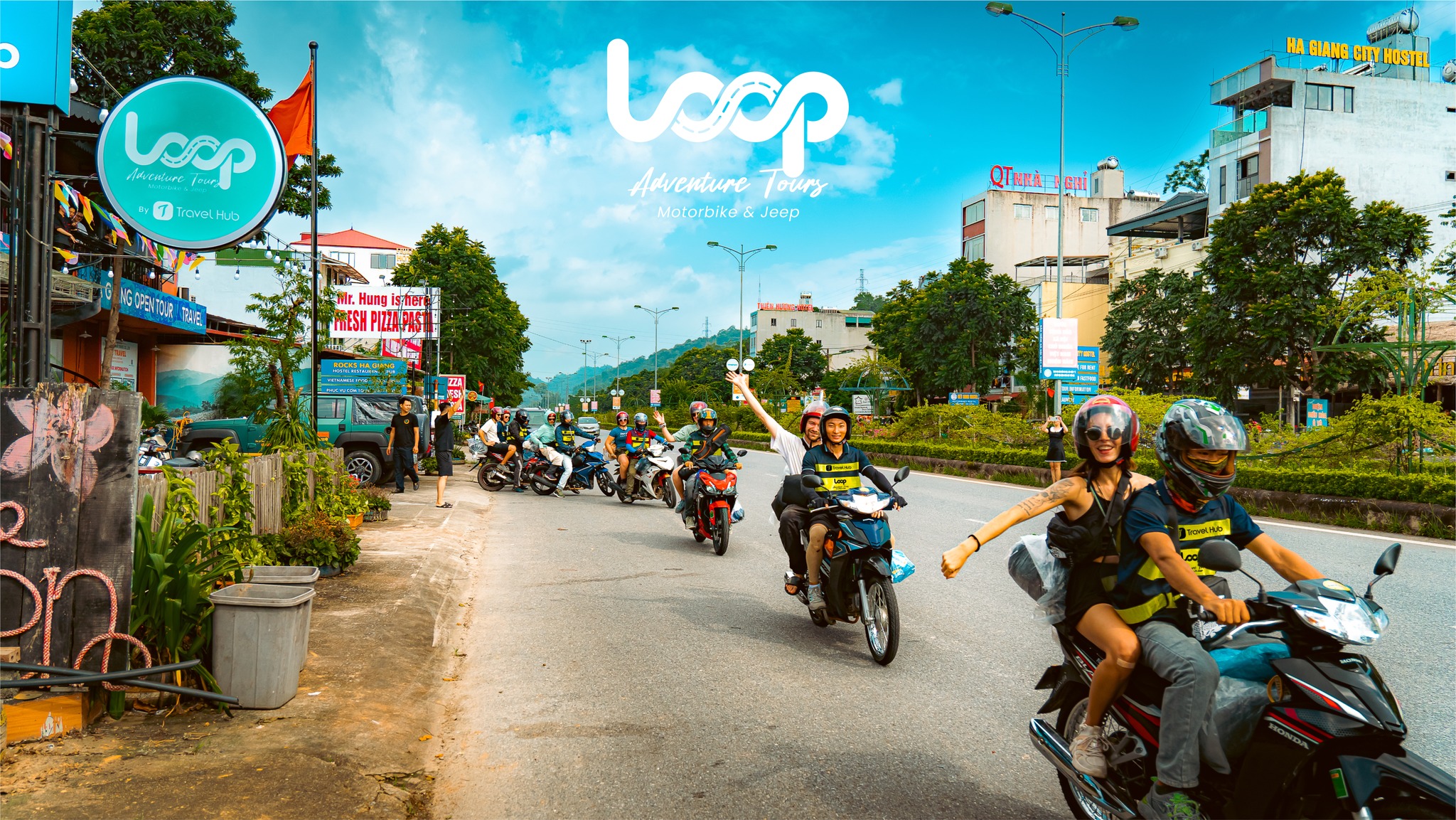
Which route length makes the most sense?
If weather flexibility matters to you, more time usually helps. Loop Tours’ live homepage currently features 3 Days Ha Giang and 4 Days Ha Giang as its main Ha Giang products. Their weather guide repeatedly recommends buffers for fog and says winter travelers should sometimes start later, which suggests that a slower route gives you more room to adapt. As an inference, the 4-day format is usually the easier fit in foggy season because it gives you more breathing room for visibility changes than a tighter 3-day schedule.
That does not mean a 3-day loop cannot work. It absolutely can, especially if your dates are fixed and your schedule is short. But if you are choosing between speed and flexibility during a fog-prone period, the slower option is generally the more forgiving one.
Final thoughts
Doing the Ha Giang Loop in foggy season can be beautiful, memorable, and surprisingly calm if you go with the right expectations. Foggy months are less about constant open views and more about atmosphere, quieter roads, low-angled winter light, and the pleasure of watching the mountains gradually reveal themselves. Loop Tours’ own weather guidance makes the key idea very clear: travel in daylight, pack proper layers, and leave room for the weather to shift.
If you approach foggy season that way, it stops feeling like a compromise and starts feeling like a style of trip in its own right. And for many travelers, that moody, slower, colder version of Ha Giang is exactly what makes the journey unforgettable.
👉 Call/WhatsApp The Loop Tours — Hotline: +84862443320