

If you’re dreaming of riding Vietnam’s most famous mountain route, you’ve probably already googled “Ha Giang Loop difficulty” or asked yourself “Is the Ha Giang Loop too hard for me?”
The short answer: the Ha Giang Loop is moderate to hard. It’s not a casual scooter ride – it’s a 300–400 km journey of steep mountain passes, tight hairpin turns, cliffside drops and sometimes rough, broken roads. For confident riders with some experience on motorbikes, it’s challenging but incredibly rewarding. For complete beginners, it can be dangerous if you don’t prepare properly or choose the right tour style.
This guide breaks down Ha Giang Loop difficulty by rider level, explains the key challenges, and gives you practical tips to make the trip easier and safer.
How Hard Is the Ha Giang Loop Overall?
The classic Ha Giang Loop is roughly 350 km and usually done in 3–4 days, starting and ending in Ha Giang City.
Along the way you’ll face:
-
Narrow mountain roads clinging to the cliffs
-
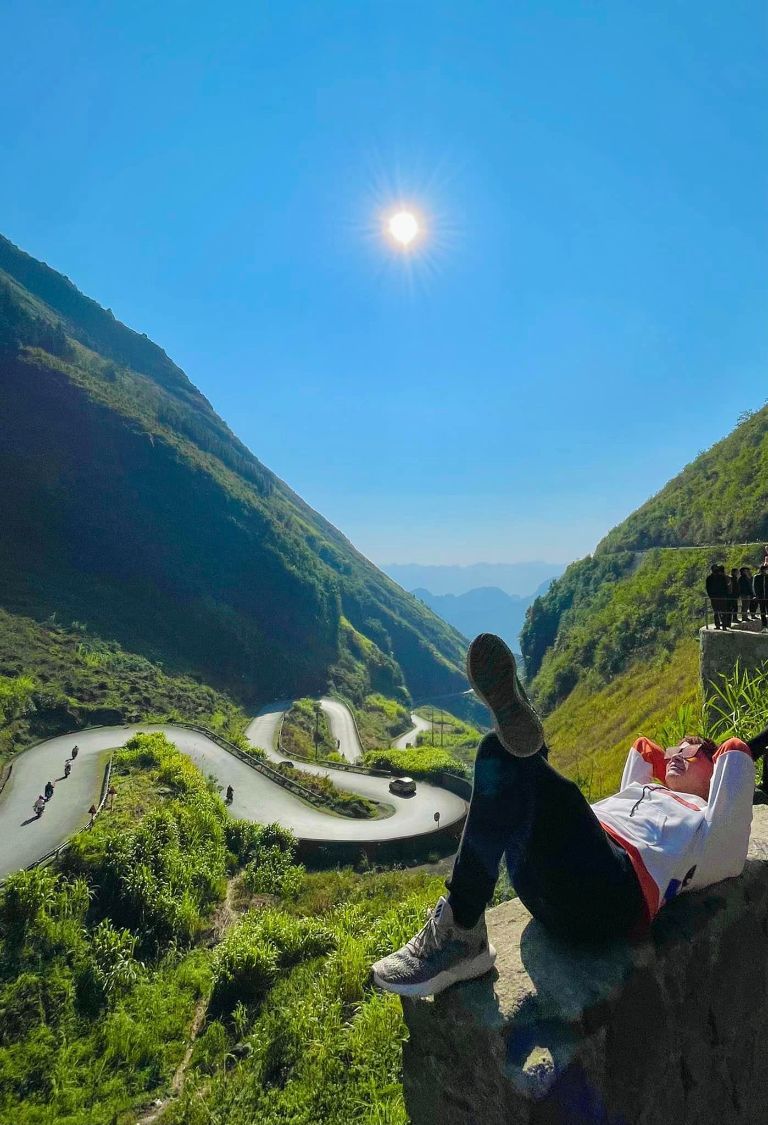
Continuous curves and switchbacks, especially at passes like Tham Ma and Ma Pi Leng
-
Sections of gravel, potholes and roadworks
-
Changing weather – sun, fog, rain, sometimes all in one day
Tour and rental companies consistently describe the loop as not suitable for first-time riders, especially if you’ve never ridden a semi-automatic or manual bike on mountains before.
Think of it like this:
-
For experienced riders used to mountain roads → medium difficulty, but still demanding.
-
For intermediate riders (city/flat road experience only) → challenging, especially in bad weather.
-
For complete beginners → can be very hard and risky unless you ride pillion with an Easy Rider or go by car.
What Makes the Ha Giang Loop Difficult?
1. Terrain & Road Conditions
The loop mixes smooth tarmac with rough stretches:
-
Many roads are paved but narrow and uneven, with unexpected bumps and patches.
-
Some parts are gravel or broken, especially after landslides or roadworks.
-
Sharp hairpin bends on steep slopes require good clutch, throttle and braking control.
You’ll also be sharing the road with trucks, buses, local bikes, animals, kids, and sometimes rockfall or loose stones on the corners.
2. Steep Mountain Passes
Legendary passes like Ma Pi Leng and Tham Ma are stunning but technically demanding:
-
Multiple tight switchbacks stacked one after another
-
Sheer drops at the roadside and minimal guardrails in some places
-
Long climbs and descents where you must manage gears and engine braking properly
Even for experienced riders, these sections require full focus and no showing off.

3. Weather & Season
Weather massively affects Ha Giang Loop difficulty:
-
Rainy season (roughly May–October) can turn gravel sections into slippery mud; visibility drops in heavy rain and fog.
-
In colder months, windchill at high passes can be brutal and roads can be damp or icy in the early morning.
-
Sudden fog around high viewpoints can hide corners and traffic.
Riding the loop in bad weather is possible, but it’s more tiring and much more technical.
4. Rider Experience & Fitness
The loop demands:
-
Comfort with semi-automatic/manual motorbikes
-
Ability to handle steep gradients, tight bends and downhill braking
-
Enough physical stamina to ride 4–7 hours a day for several days
If you’ve only ever ridden an automatic scooter in flat cities, you’ll feel a big jump in difficulty.

Ha Giang Loop Difficulty by Rider Type
Complete Beginners
If you’ve never ridden a bike (or only had a few tries), self-riding the Ha Giang Loop is not recommended. Most expert guides and rental shops clearly say the loop is too demanding for total beginners.
Best options:
-
Join an Easy Rider tour and sit on the back of a professional driver’s bike.
-
Hire a car with driver if you want comfort and zero riding stress.
You still get all the views, stops and cultural experiences, without the risk of controlling the bike yourself.
Intermediate Riders
If you:
-
Can ride confidently on a semi-auto/manual
-
Have some experience with hills or countryside roads
-
But haven’t done much serious mountain riding
…then the Ha Giang Loop will feel challenging but doable, especially in good weather.
Tips for this level:
-
Choose a 4D3N itinerary instead of cramming everything into 2–3 days.
-
Avoid riding in the dark; stop early if it’s raining heavily.
-
Consider joining a guided group tour where a local guide sets the pace and handles navigation.
Experienced Riders
If you’re used to twisty mountain roads, off-road sections, or long-distance rides, you’ll likely find the Ha Giang Loop technically satisfying and physically tiring, but not extreme.
Still, you need to respect:
-
Local traffic habits
-
Loose gravel on corners
-
Fog, rain and fatigue on long days
Many experienced riders say the loop is one of Southeast Asia’s most rewarding routes precisely because of its mix of difficulty and scenery.
How to Make the Ha Giang Loop Easier & Safer
If Ha Giang Loop difficulty worries you, there are lots of ways to reduce the risk.
1. Choose the Right Tour Style
You don’t have to self-drive. You can:
-
Ride pillion with an Easy Rider – ideal for beginners or nervous riders.
-
Join a group tour – social, structured days, with support if something goes wrong.
-
Book a car and driver – best for families or anyone who doesn’t want to be on a bike.
2. Prep Your Skills Before You Go
If you plan to self-ride:
-
Practise on a semi-auto or manual bike for at least a few days/weeks beforehand.
-
Learn hill starts, engine braking and how to take tight corners smoothly.
-
Be honest about your level – if you’re shaky in Hanoi traffic, the loop will be much harder.

3. Respect the Conditions
-
Check the weather forecast every morning; leave later or shorten the day if heavy rain or fog is predicted.
-
Don’t ride after dark – visibility is poor and animals often wander onto the road.
-
Take regular breaks to avoid fatigue; tired riders make mistakes.
4. Use Proper Gear
-
A good helmet with visor, gloves, long pants and a jacket
-
Closed shoes or boots
-
Rain jacket, layered clothing for cold passes
-
Phone mount plus offline maps
Good gear doesn’t remove the difficulty, but it gives you more margin for error.
When Might the Ha Giang Loop Be “Too Difficult”?
You may want to rethink self-riding if:
-
You are terrified of heights and cliffside roads make you panic.
-
You have no legal motorbike license and no time to practise beforehand.
-
You’re travelling in peak rainy/landslide season and don’t have flexible dates.
-
You have health issues (back, balance, heart, etc.) that make long rides uncomfortable or risky.
In those cases, choose an Easy Rider or car – you’ll still experience the loop’s beauty without pushing beyond your comfort zone.

Final Thoughts: Embracing Ha Giang Loop Difficulty
In the end, Ha Giang Loop difficulty is a big part of what makes this route legendary. The roads are demanding, but that’s exactly why the views feel so earned and the experience so unforgettable.
If you match the route to your skills, pick the right tour style, and respect the mountains, the Ha Giang Loop is challenging but achievable for most travelers – and one of the best adventures you can have in Vietnam.
Ready to plan, get a price, or just ask questions?
👉 Call/WhatsApp The Loop Tours — Hotline: +84862443320