
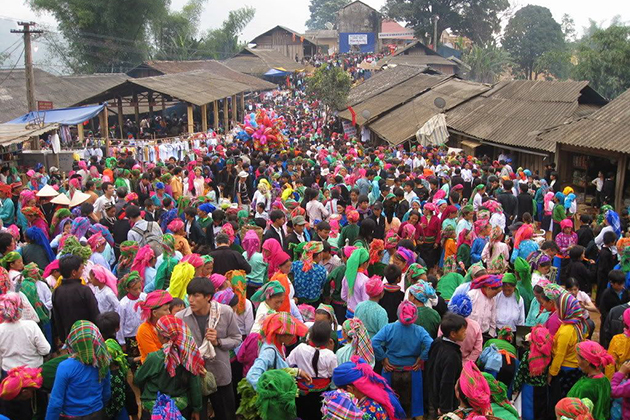
Ha Giang, in northern Vietnam, is famous for its dramatic karst mountains and winding passes. But beyond the scenery, the real soul of the province is found in its fair markets. Once a week—or in some cases once a year—ethnic minority communities walk or ride down from villages to trade goods, meet friends, and celebrate culture.
For travellers on the Ha Giang Loop, visiting at least one Ha Giang fair market turns a beautiful trip into a truly cultural one. This guide covers the main markets, what to expect, and essential tips to plan your visit.
Perfect Tours for You:
What Are Ha Giang Fair Markets?
Ha Giang fair markets are periodic markets (weekly, bi-weekly or annual) where people from different ethnic groups—Hmong, Tay, Dao, Nung and others—gather to trade livestock, farm produce, textiles, and handmade crafts.
Key features of Ha Giang fair markets:
-
Held mainly on Sundays or fixed lunar dates
-
Located in small towns along the Ha Giang Loop
-
Combine business, socialising and festivals
-
Amazing photo opportunities thanks to colourful traditional dress
Must-Visit Ha Giang Fair Markets
Dong Van Sunday Market – The Cultural Heartbeat
Dong Van Sunday Market takes place every Sunday in Dong Van town, right next to the Old Quarter. From around 5:00–6:00 AM, the town fills with people arriving on motorbikes, on foot, and even on horseback.
What makes Dong Van fair market special?
-
A mix of Hmong, Tay, Dao and other groups in full traditional costumes
-
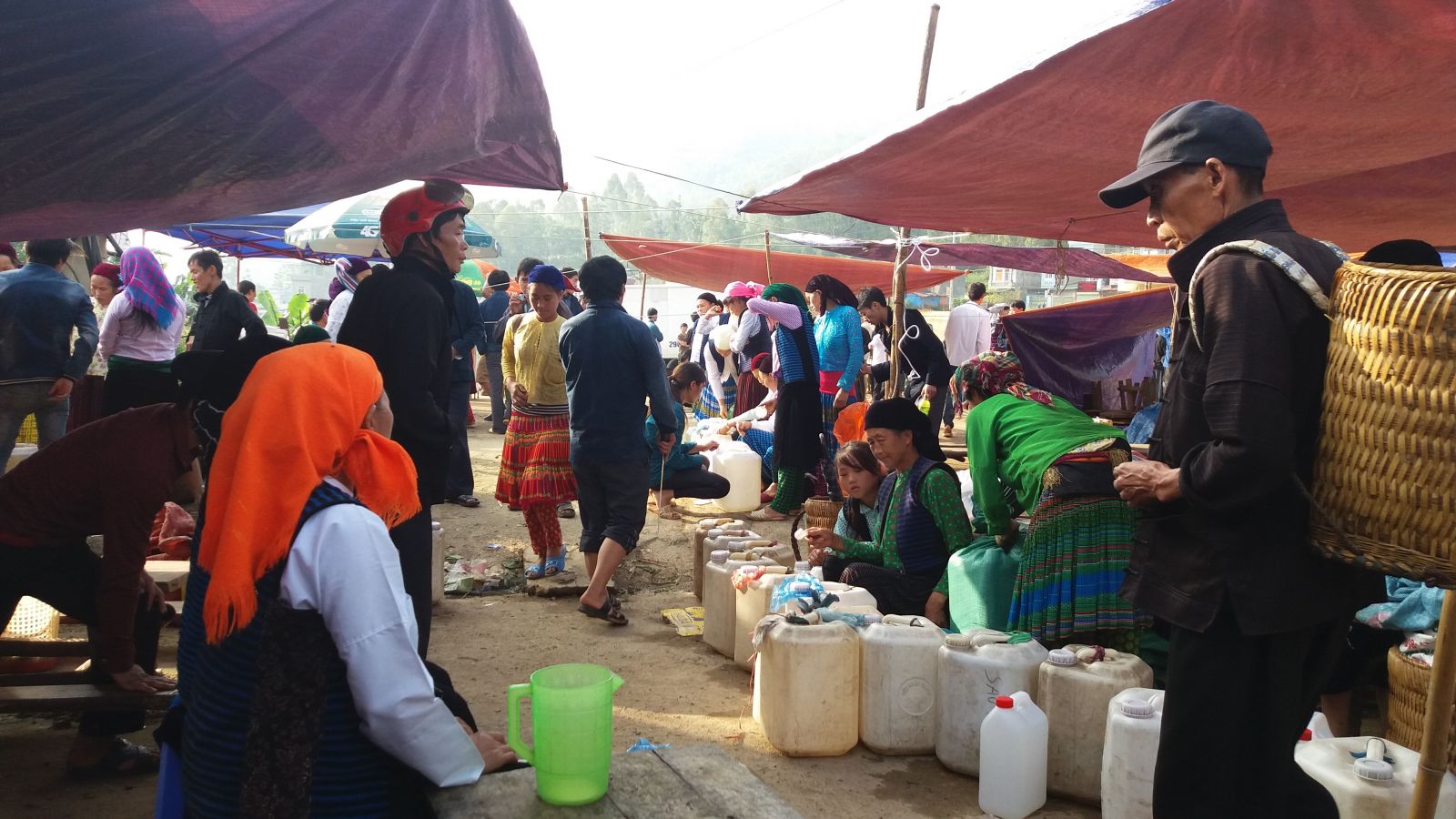
Stalls selling corn wine, honey, local herbs, chillies, and handmade tools
-
A dedicated area for buffaloes, cows, pigs and chickens
-
Breakfast corners with hot pho, thắng cố, sticky rice and steamed buns
If you only have time for one Ha Giang fair market, Dong Van Sunday Market is often considered the easiest and most accessible choice.
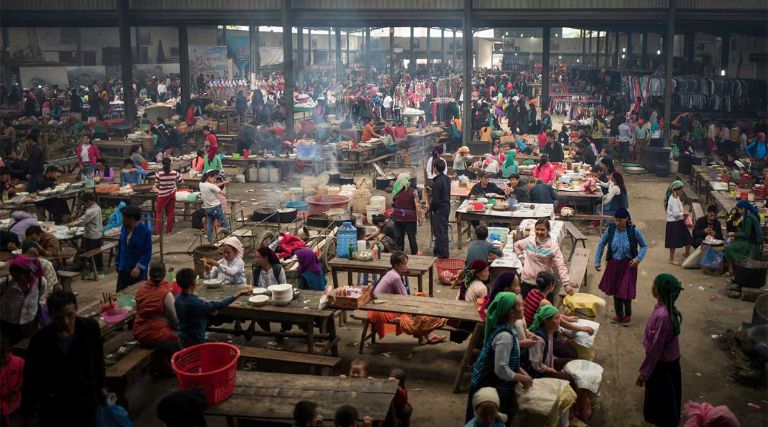
Meo Vac Sunday Market – The Largest Ethnic Market in Ha Giang
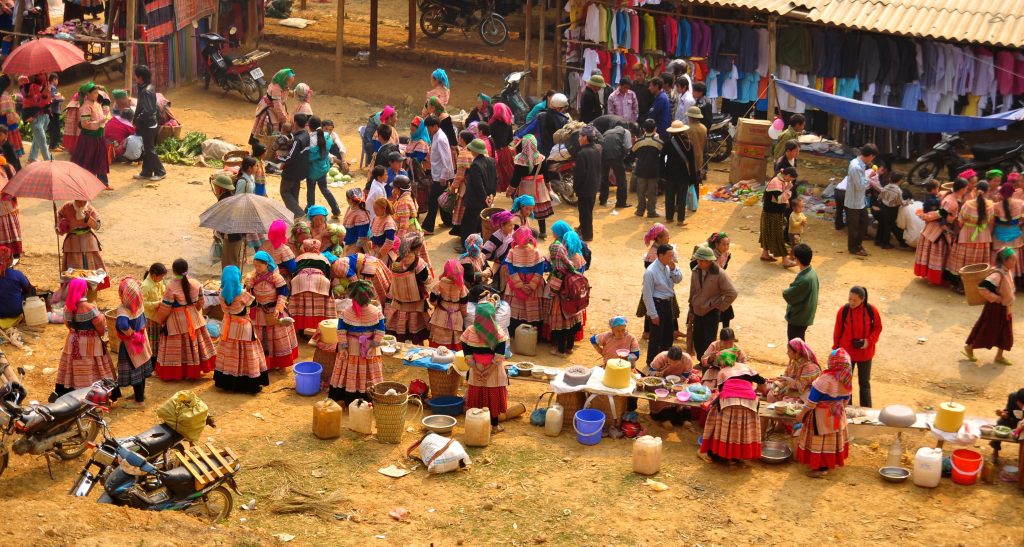
Over the Ma Pi Leng Pass from Dong Van lies Meo Vac Sunday Market, the largest ethnic minority market in Ha Giang. It also happens every Sunday and turns the whole town into a huge fair.
Highlights of Meo Vac market:
-
A massive livestock section with buffaloes, cows, goats and horses
-
Plenty of stalls for colourful brocade textiles, belts, bags and silver jewellery
-
Local food such as thắng cố, maize pancakes, and steaming bowls of noodle soup
-
A lively atmosphere where people drink corn wine, chat and even look for partners
Meo Vac fair market feels more “raw” and local than many other markets in northern Vietnam, making it a must-visit for photographers and culture lovers.
Khau Vai Love Market – A Once-a-Year Fair of Romance
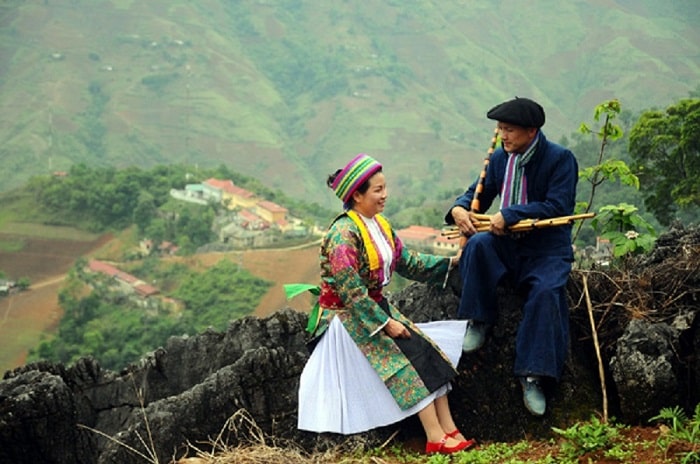
Among all Ha Giang fair markets, Khau Vai Love Market is the most unique. Held once a year in Khau Vai commune, Meo Vac district, it takes place on the 26th–27th of the 3rd lunar month.
Unlike regular markets, Khau Vai Love Market focuses less on buying and selling and more on reunions and romance:
-
Former lovers are traditionally allowed to meet here once a year
-
Young people use the fair as a chance to find potential partners
-
The event includes traditional music, dancing, games and local food stalls
If your travel dates match the festival, Khau Vai is one of the most memorable cultural events in northern Vietnam.
Other Notable Ha Giang Fair Markets
Beyond the famous trio, there are several smaller yet charming markets worth including in your Ha Giang itinerary:
-
Yen Minh Market – A Sunday market ideal if you stay in Yen Minh town on the way to Dong Van.
-
Sa Phin Market – Near the Hmong King’s Palace, combining sightseeing and market culture.
-
Lung Phin Market – A “backward market” held every six days instead of weekly, giving it a very local feel.
Each of these Ha Giang fair markets offers a different mix of ethnic groups, landscapes and products, so visiting more than one gives a richer perspective.
What to Expect at Ha Giang Fair Markets
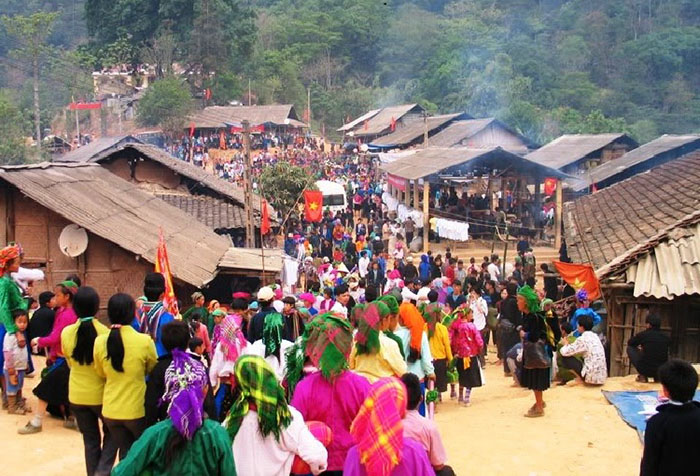
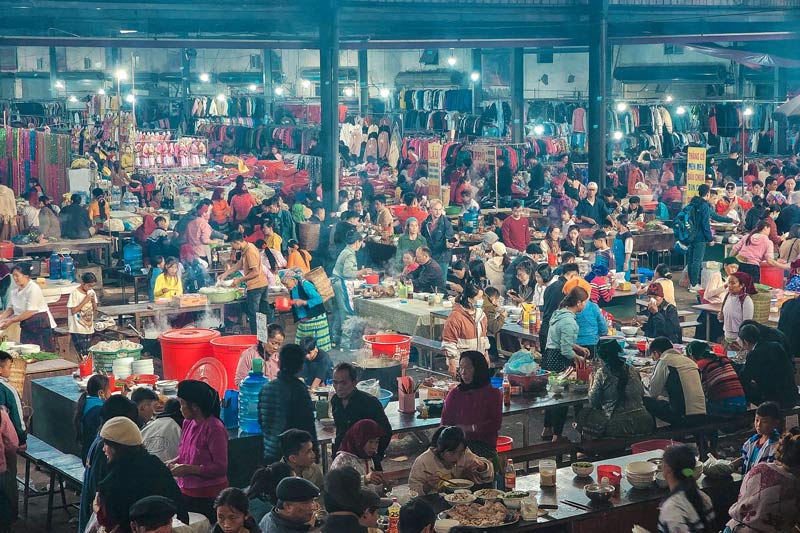
When you step into any Ha Giang fair market, you’re entering a social hub rather than just a place to shop. Here’s what you’ll typically see:
-
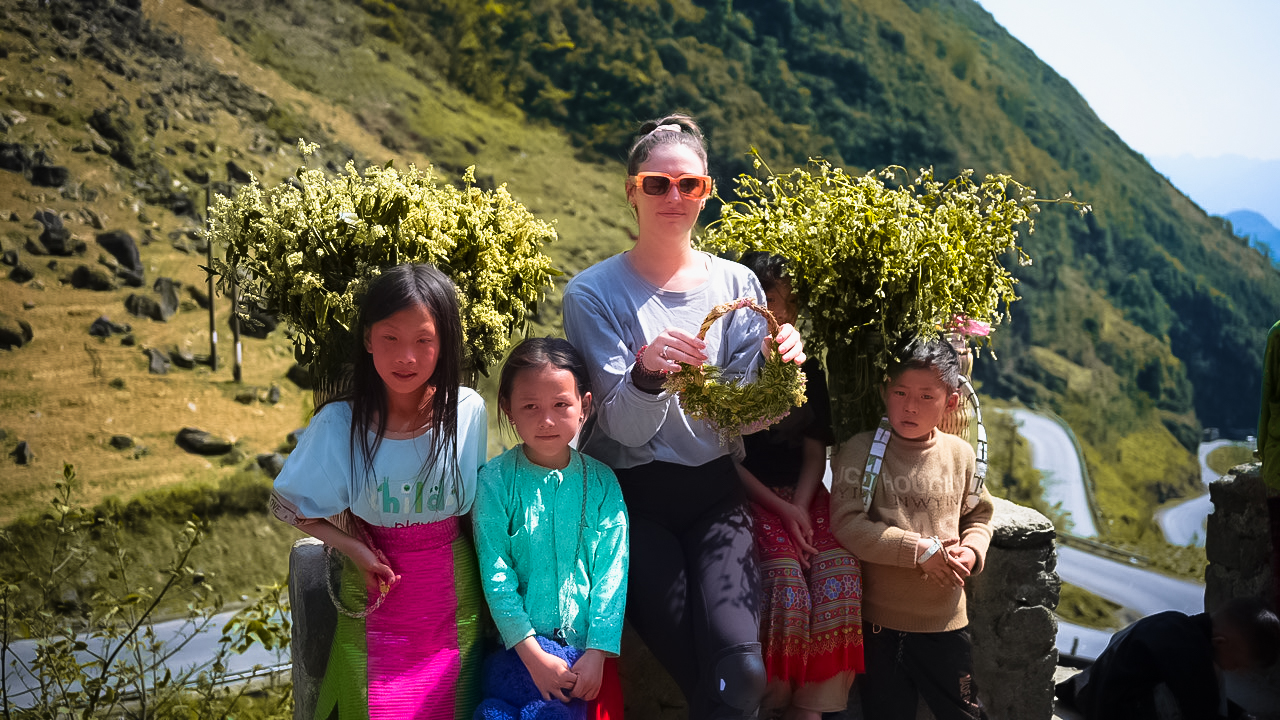
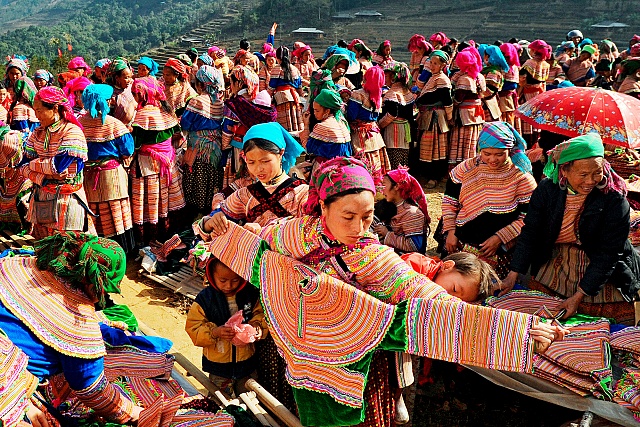
Traditional clothing in bright reds, greens and yellows, especially among Hmong women
-
Hand-embroidered textiles, scarves and bags made over weeks or months
-
Fresh produce: corn, pumpkins, spices, herbs and seasonal fruits
-
Livestock and poultry trading in separate, often very noisy sections
-
Street food stalls selling noodles, rice dishes, grilled skewers and hot soups
The markets are also places for:
-
Sharing news and gossip
-
Arranging marriages or friendships
-
Enjoying corn wine and local music
For travellers, these fairs are one of the most authentic ways to experience ethnic minority life in northern Vietnam.
Practical Tips for Visiting Ha Giang Fair Markets
To make the most of your Ha Giang fair market experience:
-
Arrive early
-
The best time is usually 5:30–8:00 AM, when locals arrive and the light is perfect for photos.
-
-
Dress respectfully and comfortably
-
Avoid overly revealing clothes. Choose layers, as mornings can be cold in the mountains.
-
-
Ask before taking close-up photos
-
Many people are happy to be photographed, but a friendly smile and a gesture to ask permission go a long way.
-
-
Carry cash in small denominations
-
Most vendors do not accept cards or mobile payments. Small notes make bargaining easier.
-
-
Try the food, but choose wisely
-
Eat at busy stalls with high turnover. If you have a sensitive stomach, start with simple dishes like noodles or grilled corn.
-
-
Respect local culture
-
Avoid pointing, loud arguments, or aggressive bargaining. Prices are often modest; think of your spending as supporting local families.
-
-
Plan your Ha Giang Loop around market days
-
For example, stay in Dong Van on Saturday night to catch the Sunday market, then ride to Meo Vac for its Sunday fair later in the morning.
-
FAQ About Ha Giang Fair Markets
1. When is the best time of year to visit Ha Giang fair markets?
Markets run year-round, but the most photogenic time is from September to November (harvest season) and March–April (flower season and Khau Vai Love Market).
2. Do I need to join a tour to visit the markets?
No, you can ride a motorbike or hire a local driver and visit independently. However, a guide can help translate, explain customs and ensure you reach the right market on the right day.
3. Are Ha Giang fair markets suitable for families?
Yes. Children often enjoy the colours, animals and food, but keep a close eye on them around livestock areas and busy streets.
4. What should I buy at Ha Giang fair markets?
Popular souvenirs include handwoven scarves, embroidered bags, silver jewellery, local tea, honey and spices. Buying directly from ethnic women supports traditional crafts and local incomes.
Conclusion
Ha Giang fair markets are more than just places to shop—they are living cultural spaces where ethnic communities gather, trade and celebrate life. From the energy of Dong Van and Meo Vac Sunday Markets to the romance of Khau Vai Love Market, each fair reveals a different side of northern Vietnam.
If you’re planning the Ha Giang Loop, make sure your itinerary includes at least one Ha Giang fair market. Arrive early, walk slowly, taste the food, support local artisans, and you’ll leave with memories—and photos—that stay with you long after the mountain roads fade from view.
Ready to plan, get a price, or just ask questions?
👉 Call/WhatsApp The Loop Tours — Hotline: +84862443320