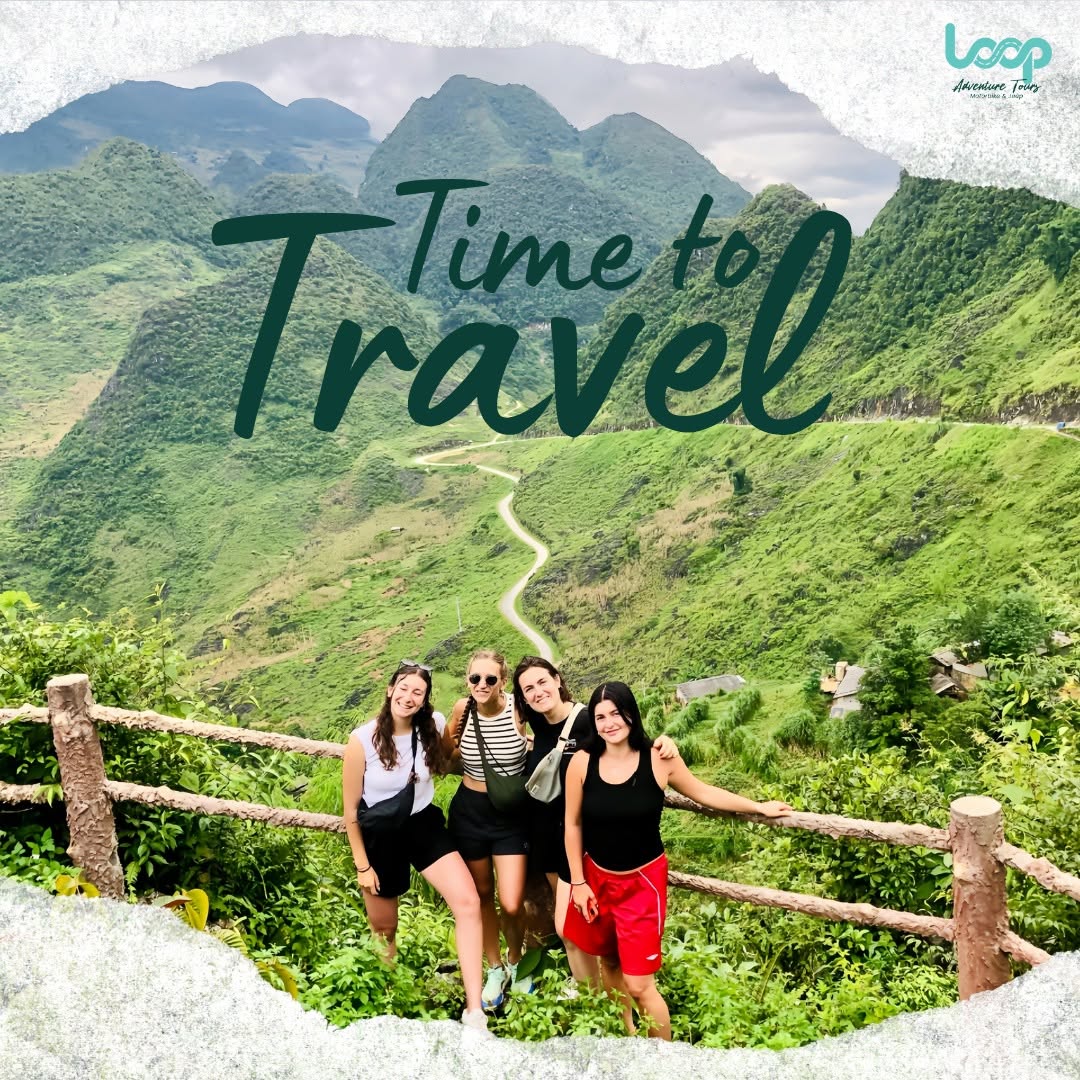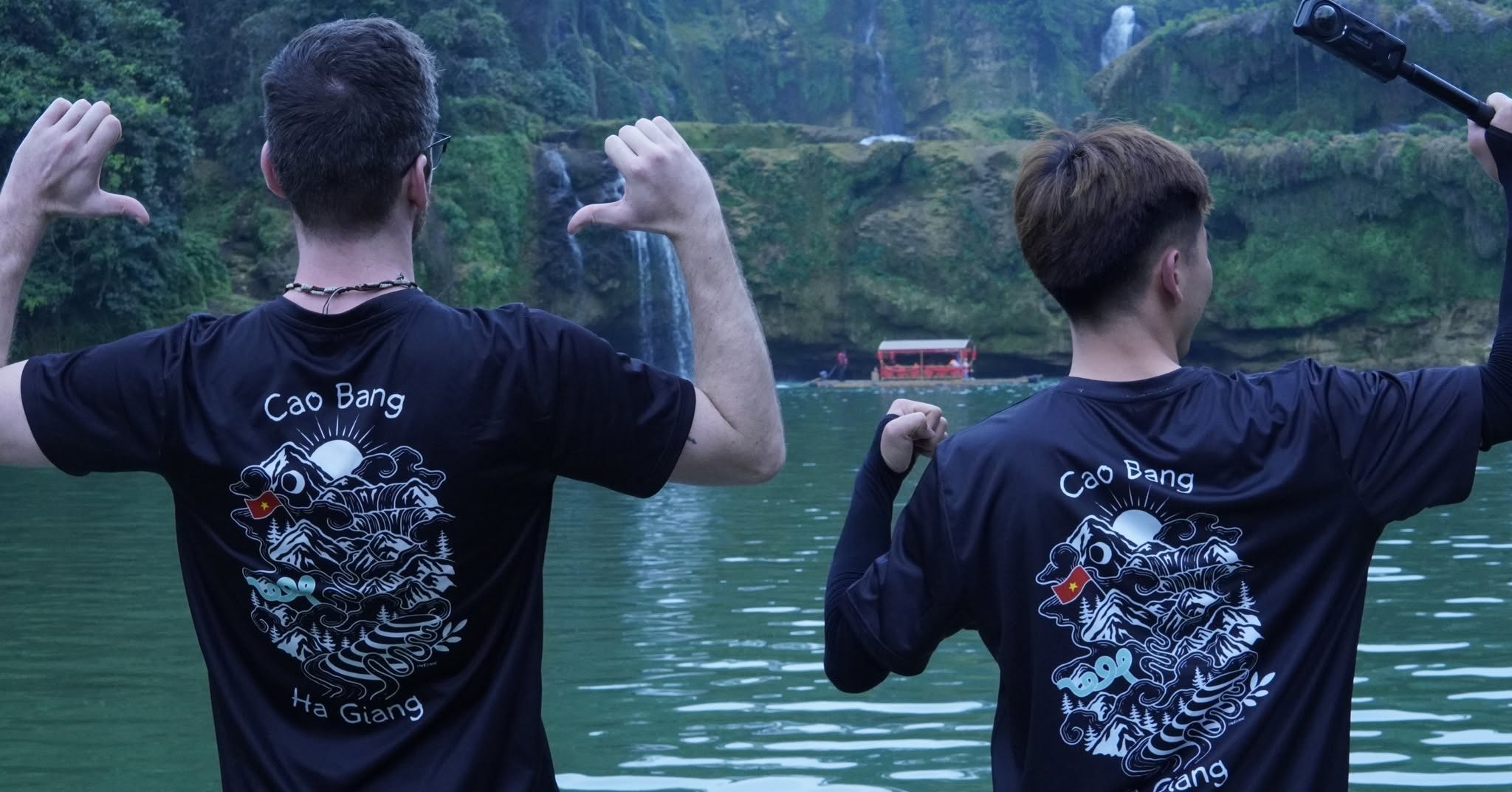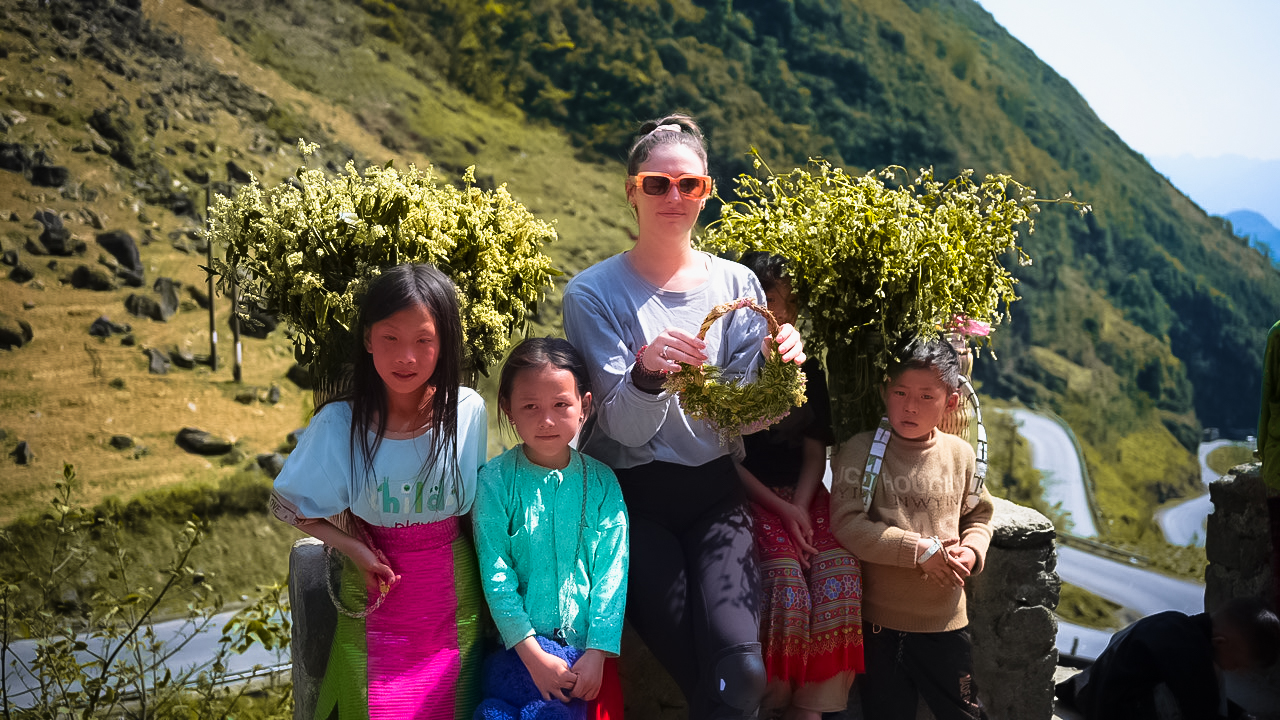


Tucked away in a green valley of Yen Minh district, Du Gia homestay options have become some of the most loved overnight stops on the Ha Giang Loop. Surrounded by rice fields, mountains and a gentle river, Du Gia Village offers slow, authentic village life with simple but charming Tay-style stilt houses and eco bungalows instead of big hotels.
If you’re planning your Ha Giang itinerary and wondering whether to spend a night here, this guide explains why Du Gia homestays are special, what to expect, how much they cost and how to choose the right one.
Perfect Tours for You:
Why stay in a Du Gia homestay?
1. Authentic ethnic village atmosphere
Du Gia is home mainly to the Tay ethnic minority, with some Hmong and Dao communities nearby. Most Du Gia homestay owners are local families who’ve converted their traditional wooden stilt houses or built small bungalows next to the rice fields.
Staying here you will:
-
Sleep in wooden houses on stilts, often with bamboo or wooden floors.
-
Eat shared family dinners with local dishes like bamboo shoots, mountain vegetables and grilled pork.
-
Wake up to the sounds of roosters, buffalo bells and children walking to school across the paddies.
Compared with busier towns like Dong Van or Meo Vac, Du Gia feels slower and more intimate – perfect if you want a real village experience.
2. Beautiful natural setting
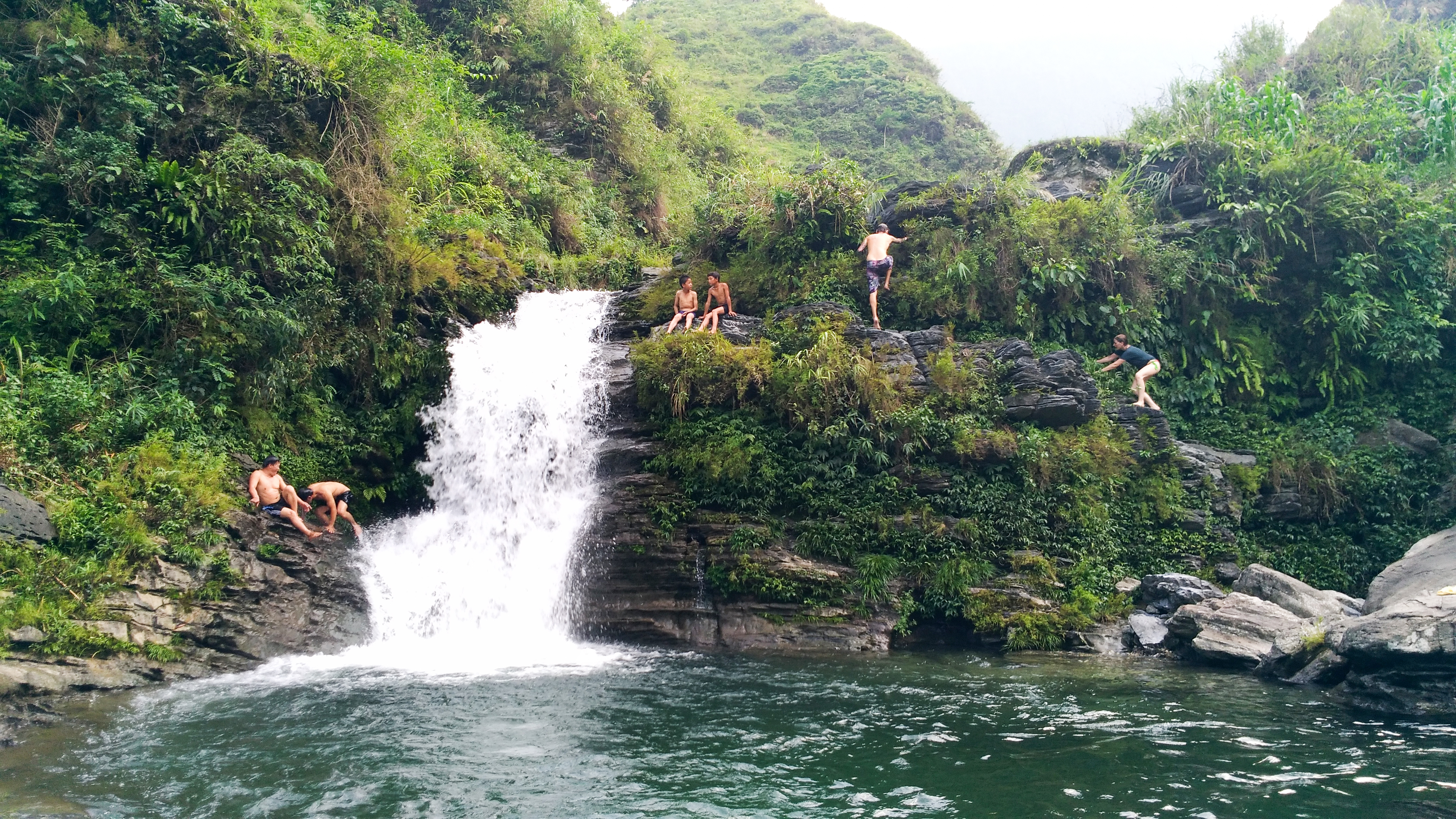
The Du Gia homestay area sits between green mountains, with rice fields and streams running right up to many houses. In summer and early autumn the fields glow bright green, then golden before harvest; in winter the valley feels misty and quiet.
Nearby highlights include:
-
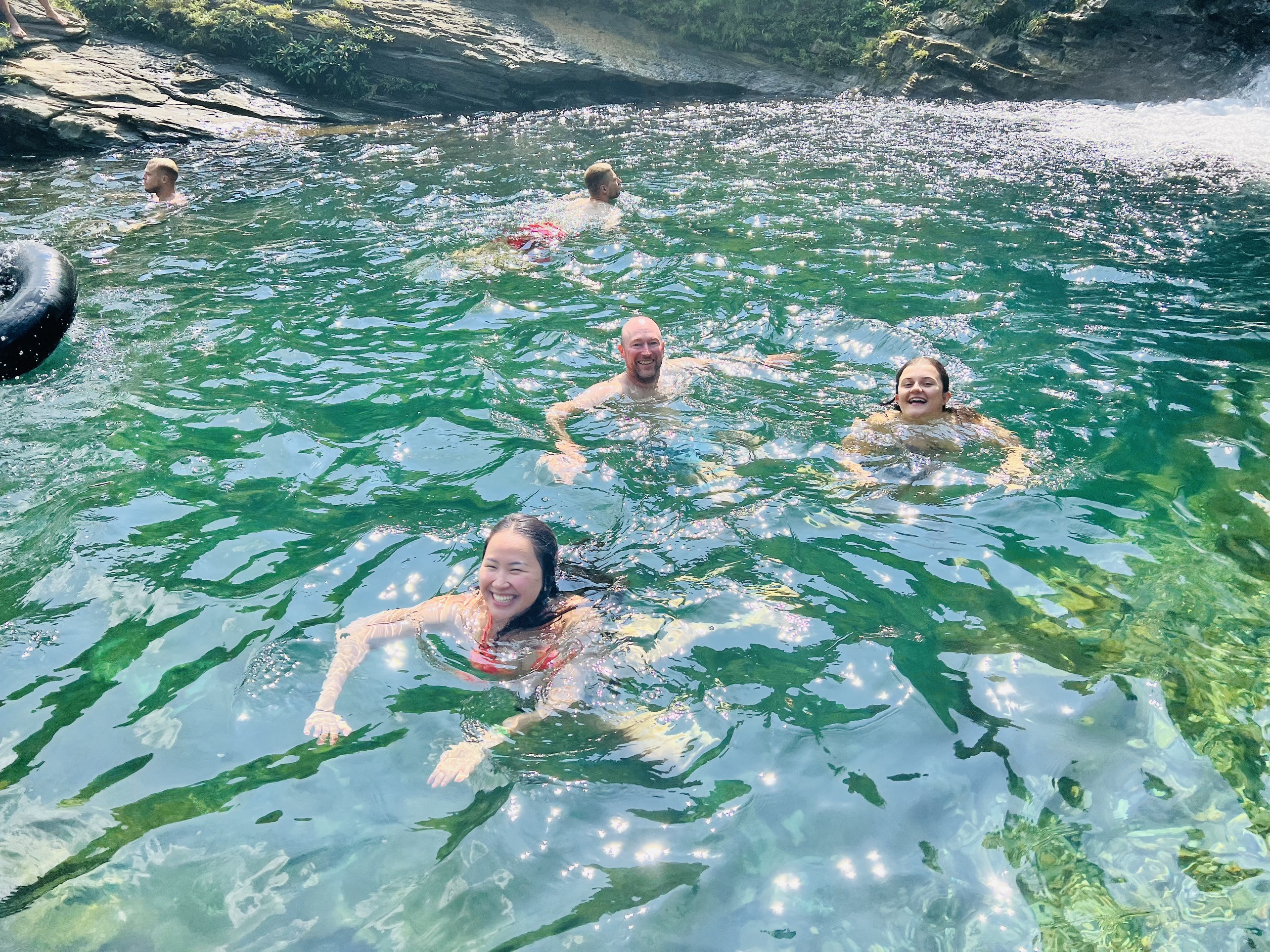
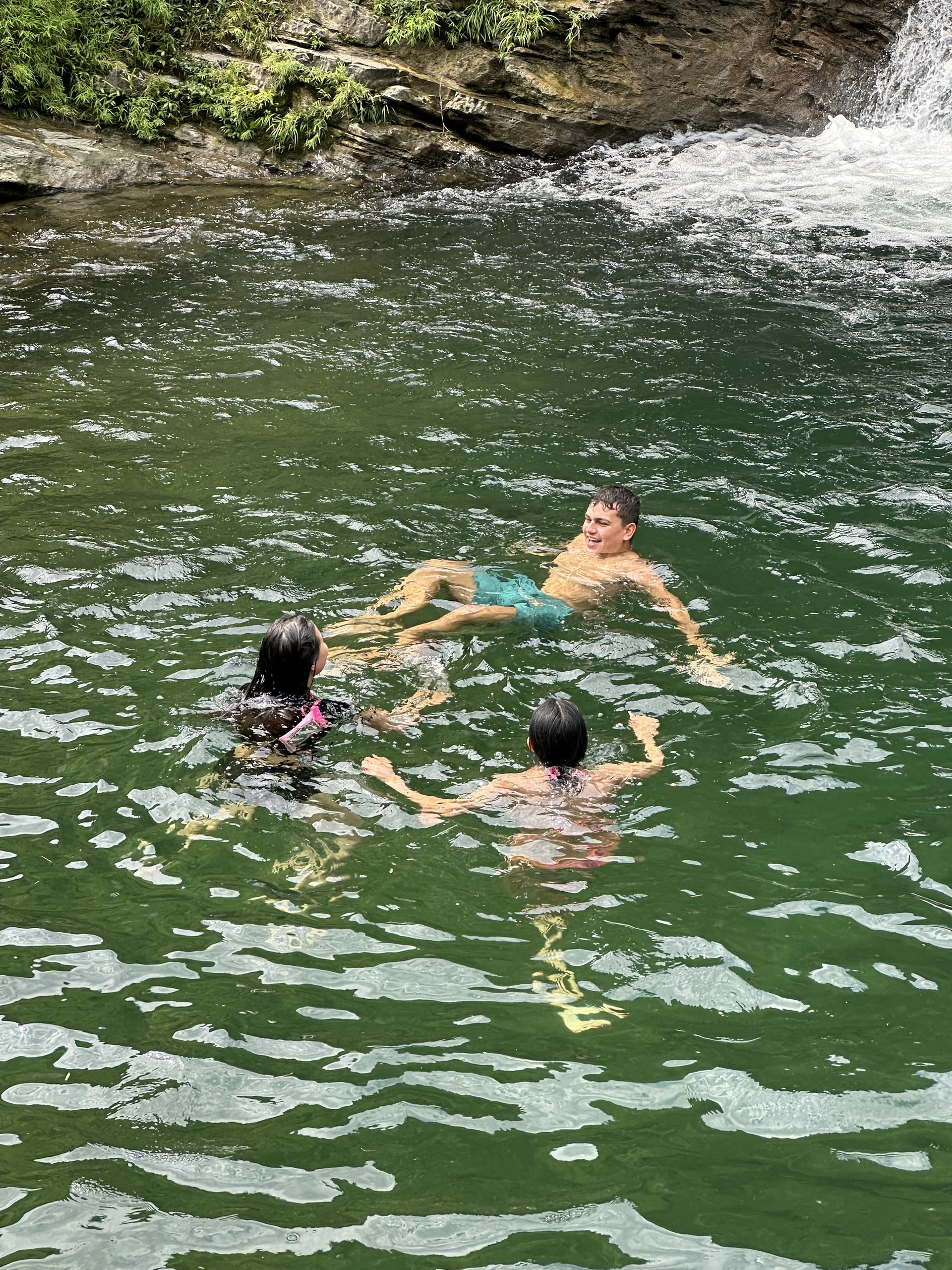
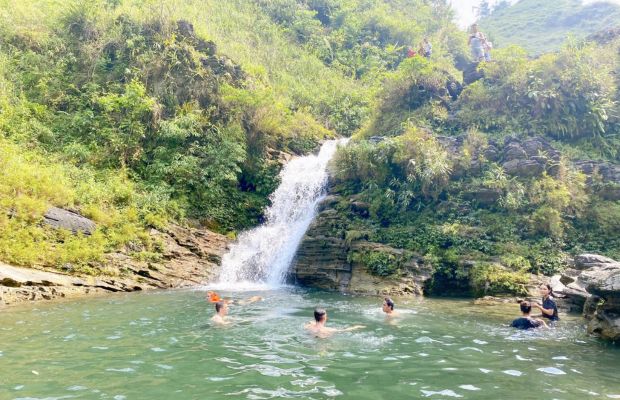
Du Gia waterfall – a clear turquoise pool and low waterfall, popular for swimming and cliff-jumping.
-
Easy walks or short motorbike rides through rice terraces, corn fields and small hamlets.
For many riders, this soft, green landscape is a welcome contrast after the sharp rock formations of the Dong Van Karst Plateau.
3. Ideal stop on the Ha Giang Loop
Du Gia lies on popular extended Loop routes between Ha Giang City and Meo Vac / Yen Minh, and many 3–4 day tours now include a night here.
That makes Du Gia homestay a strategic overnight stop where you can:
-
Break up a long riding day with a relaxed afternoon at the waterfall.
-
Experience a quieter side of Ha Giang beyond the main tourist towns.
Popular Du Gia homestay options
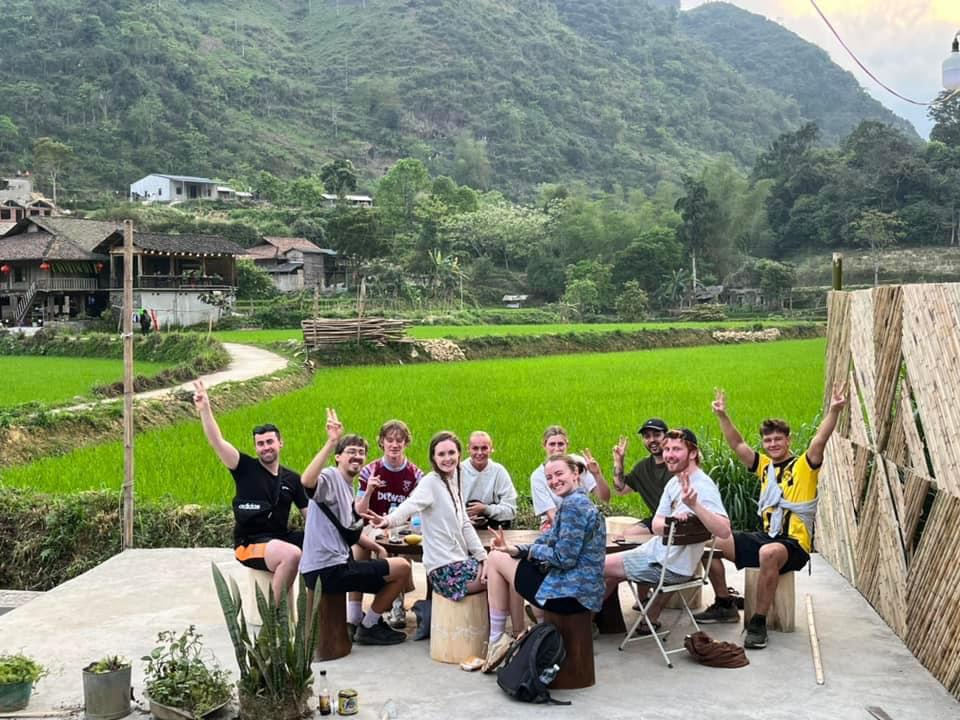
There are now dozens of homestays in and around the village, from simple dorms to nicer bungalows. Travel and booking sites highlight several names repeatedly:
-
Du Gia Homestay / Du Gia Village Homestay – among the earliest and most established, with traditional Tay stilt houses, mountain and rice-field views and family dinners.
-
Du Gia Panorama Homestay – known for sweeping views over the valley and good food, great for sunrise and sunset photographers.
-
Tom’s Du Già Homestay – offers private cabins, a small outdoor pool, garden and well-reviewed dinners; a good pick if you want a slightly more comfortable stay.
-
Budget choices like Cheers Du Gia, Du Gia CN, Stream Lodge, Du Gia Field View, BB Garden, NaLien View and others offer dorm beds and simple private rooms popular with backpackers riding the Loop.
Most have:
-
Dorms with mattresses and mosquito nets in a shared stilt house
-
A few private double / family rooms or bungalows
-
Shared bathrooms with hot showers
-
On-site restaurant area for breakfast and communal dinners
How much does a Du Gia homestay cost?
Recent homestay round-ups show Du Gia prices similar to the rest of Ha Giang:
-
Dorm beds: roughly 150,000–250,000 VND per person per night
-
Private rooms / bungalows: around 300,000–1,000,000 VND per night depending on size, view and facilities
-
Family dinner: often 120,000–200,000 VND per person for a big shared meal with rice wine
These prices can shift slightly between low and high season, but Du Gia remains very budget-friendly compared with city hotels.
What to expect from the Du Gia homestay experience
Rooms & comfort
Don’t expect luxury – Du Gia homestay stays are about atmosphere more than amenities. Typical features:
-
Clean but simple mattresses on wooden floors, with blankets and mosquito nets
-
Fans in summer; some bungalows have heaters for cold months (important in winter)
-
Shared bathrooms; newer places may offer private ensuite rooms
Electricity and Wi-Fi are usually available but can be patchy during storms.
Food & social life
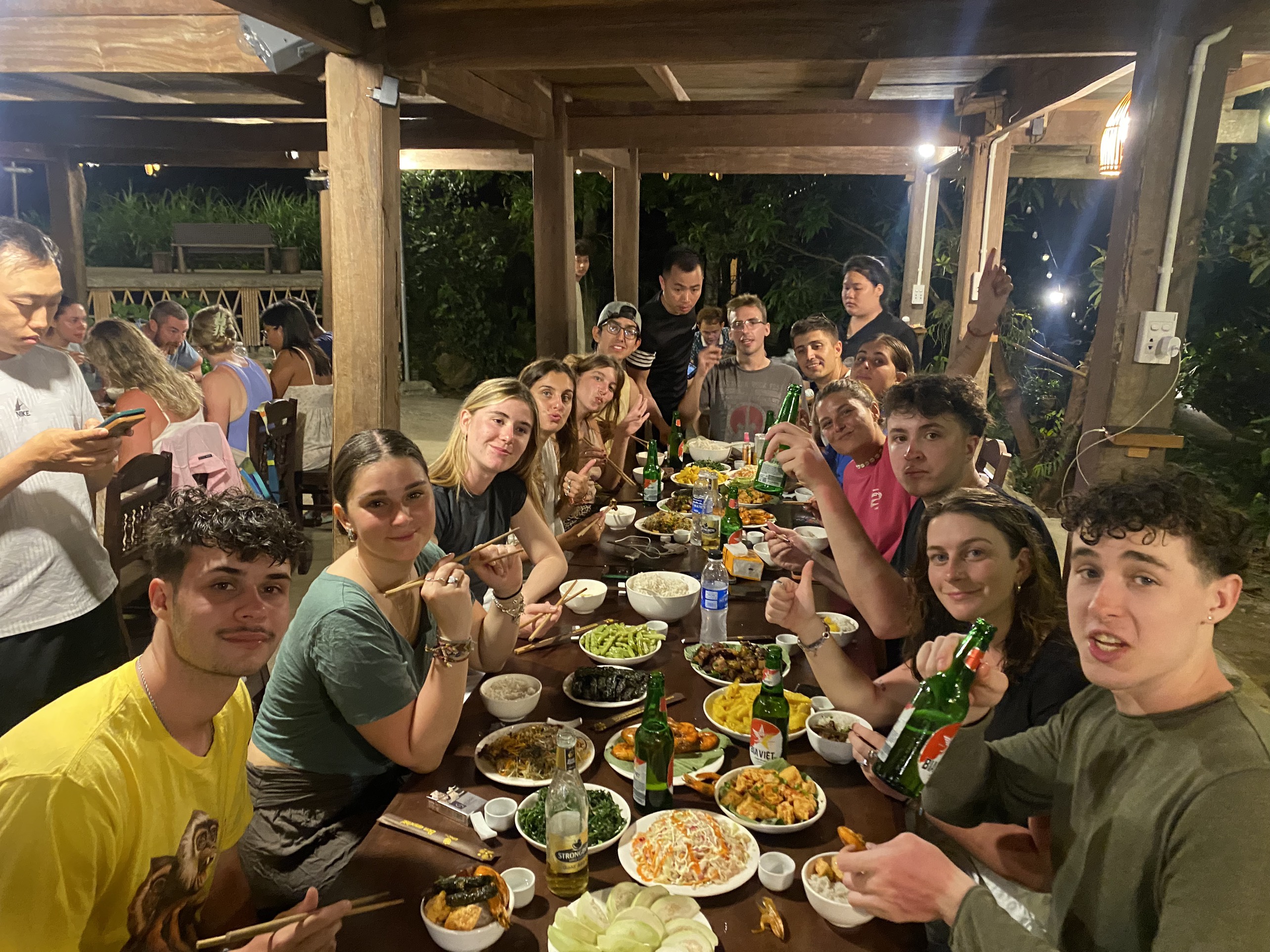
The family-style dinners are often a highlight:
-
Multiple dishes placed in the centre of a big table – vegetables, tofu, local meat, spring rolls, soups
-
Rice wine (“happy water”) shared around – expect some toasting!
-
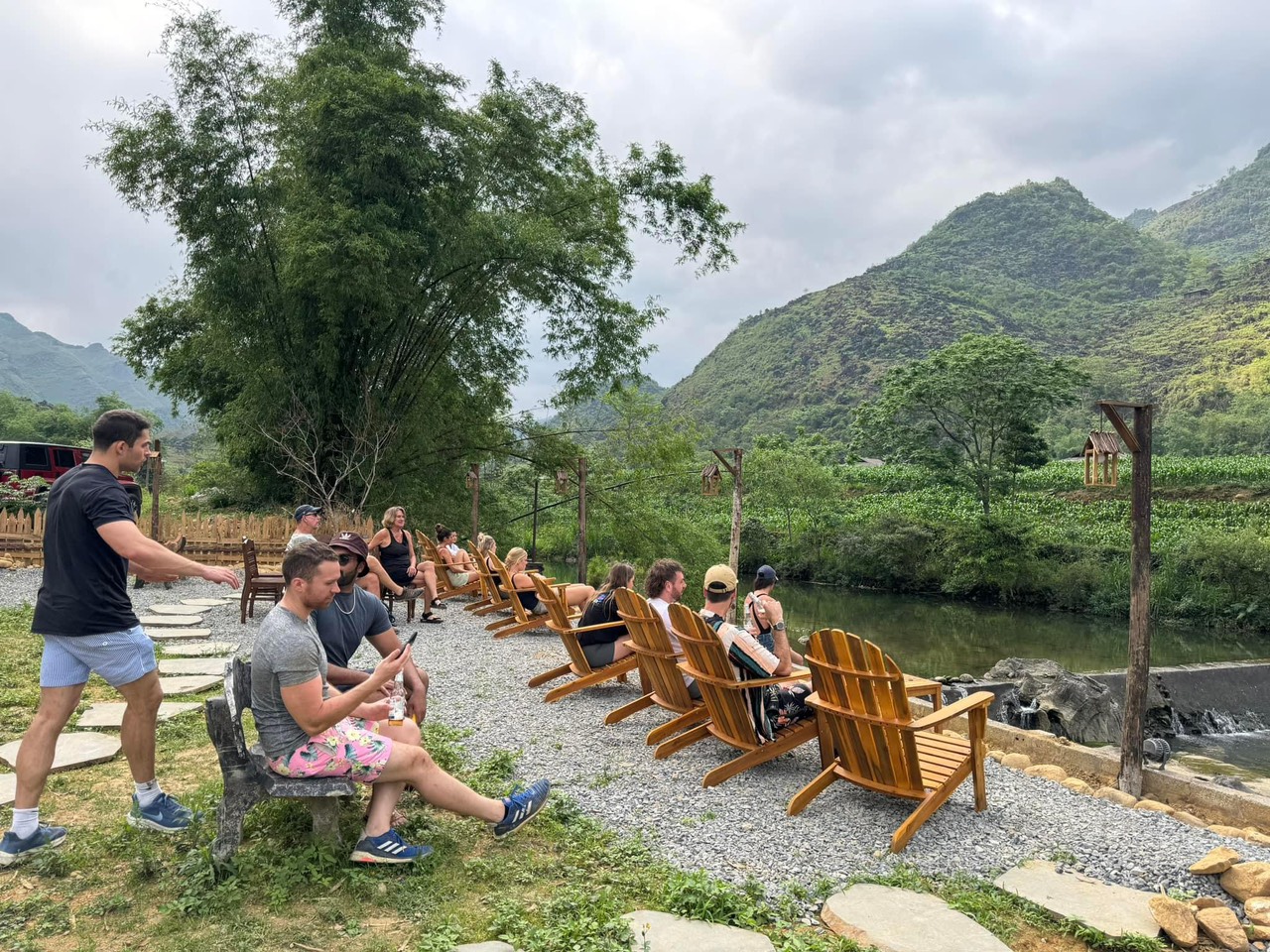
A mix of locals, guides and travellers from different countries, especially in busier homestays
Breakfast is usually pancakes, eggs, bread or noodle soup with tea and coffee.
Activities
From your Du Gia homestay, you can:
-
Walk or ride to Du Gia waterfall to swim, jump and relax by the pools
-
Stroll through rice fields and small lanes around the village for photos
-
Join short treks or guided walks organised by your host
-
Visit the weekly Du Gia ethnic market if your timing matches (great for photography and people-watching)
How to get to Du Gia & include it in your loop
Du Gia lies roughly 70–100 km from Ha Giang City or Meo Vac depending on your exact route. The roads involve narrow passes but are a well-trodden part of longer Ha Giang Loop itineraries.
You can reach your Du Gia homestay by:
-
Guided motorbike loop: Easy-rider or self-ride tours increasingly include Du Gia as the final or second night.
-
Private car / jeep: A comfortable choice if you don’t ride; cars can reach most homestays via the village roads.
Most travellers book their Du Gia homestay in advance through Ha Giang tour operators, or directly via messaging/booking platforms once they know their schedule.
Tips for choosing and enjoying a Du Gia homestay
-
Decide your vibe:
-
For quiet, traditional atmosphere, choose smaller village homestays.
-
For a more social, backpacker feel with parties and karaoke, look for bigger, well-known names that cater to Loop groups.
-
-
Check recent reviews:
Look for comments on cleanliness, food quality and staff friendliness – and note whether it’s more “party” or “peaceful”. -
Pack the right essentials:
-
Light sleeping clothes, earplugs, a small towel and toiletries.
-
A warm layer if travelling between November and February – nights in the valley can be cold.
-
-
Respect local culture:
-
Dress modestly around the house and village.
-
Ask before photographing people.
-
Keep noise down late at night, especially in smaller family homes.
-
-
Support the community:
Buy drinks, snacks or handicrafts from your hosts where possible – most Du Gia homestay businesses are family-run and your money goes straight back into the village.
Final thoughts
Choosing a Du Gia homestay is less about ticking off another tourist stop and more about slowing down: eating with a Tay family, swimming in a hidden waterfall, watching fog lift over the fields in early morning.
Add at least one night here into your Ha Giang Loop, pick a homestay that matches your style and travel slowly. You’ll leave with memories of warmth, silence, starry skies and the feeling of being welcomed into a small mountain community – all for a very affordable price.
Ready to plan, get a price, or just ask questions?
👉 Call/WhatsApp The Loop Tours — Hotline: +84862443320