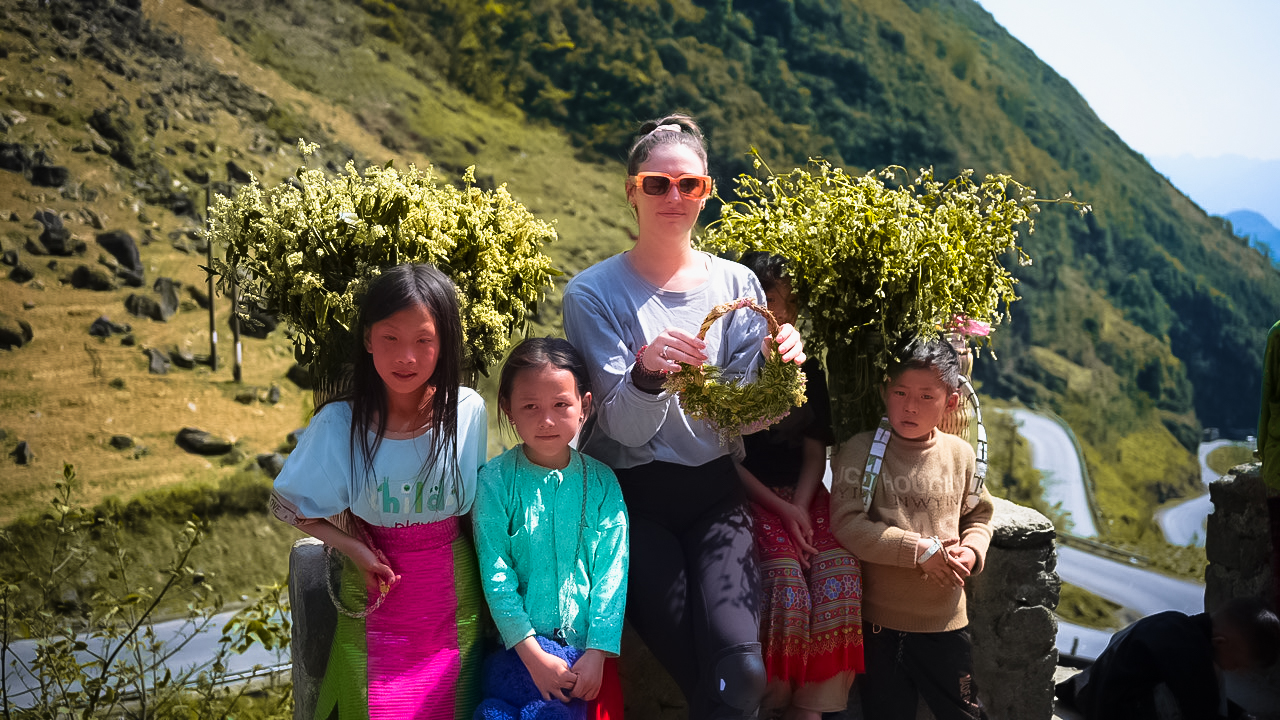


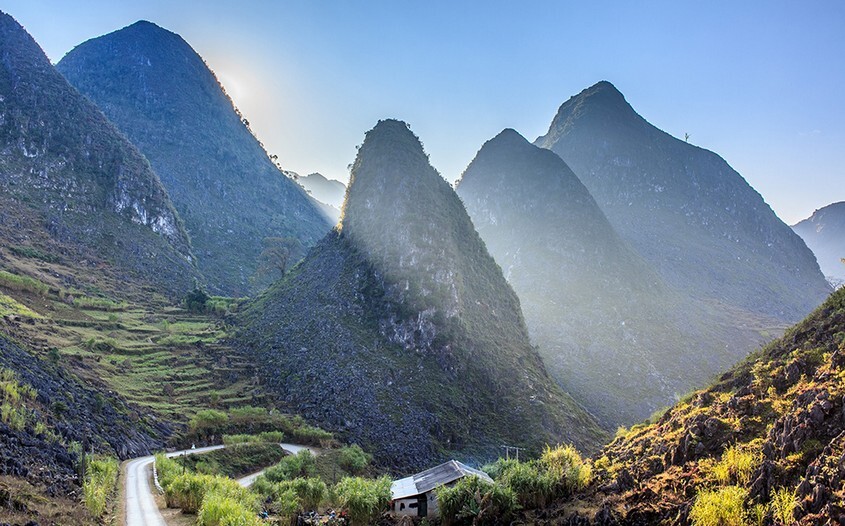
If you’re planning the Ha Giang Loop and wondering where to sleep after a long day on the bike, a Dong Van homestay is one of the most authentic options you can choose. Dong Van town sits inside the Dong Van Karst Plateau UNESCO Global Geopark, a dramatic landscape of limestone peaks, deep valleys and minority villages in far-northern Vietnam.
Staying in a local homestay here is more than just booking a bed – it’s a chance to experience Hmong, Tay, Lo Lo and other ethnic cultures, taste homemade food and wake up surrounded by mountains instead of traffic.
Below is a complete dong van homestay guide to help you choose the right area, style and property for your trip.
Perfect Tours for You:
Why choose a Dong Van homestay instead of a hotel?
Hotels do exist in Dong Van, but homestays are what make the town special. Across the plateau there are dozens of family-run stays created in traditional earth houses, wooden stilt houses or renovated old-quarter buildings.
A Dong Van homestay is ideal if you want:
-
Culture, not just comfort – many homes are run by Hmong, Tay or Dao families who still farm, weave or distil corn wine nearby.
-
Warm family meals – most homestays offer shared dinners with seasonal dishes, local greens and meats, and sometimes homemade rice or corn wine.
-
Atmosphere – old earthen walls, wooden beams, inner courtyards and views of the stone plateau give you a sense of place that a generic guesthouse can’t match.
If you’re riding the Ha Giang Loop, a night or two in Dong Van is usually one of the highlights, especially if you choose a homestay that matches your travel style.
Main areas to stay: Old Quarter vs. village homestays
When you search for dong van homestay, you’ll see two main locations:
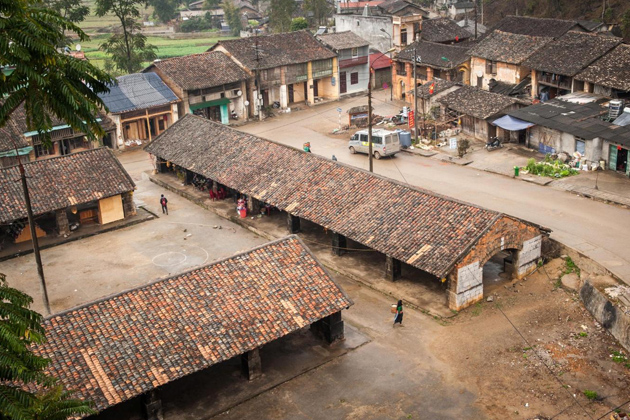
Dong Van Old Quarter
The Old Quarter is a compact grid of stone and clay houses with tiled roofs, cafés and small shops. Many of the town’s most popular homestays sit inside or just next to these old streets.
Who it suits:
-
Riders who want to walk to restaurants, cafés and the night market
-
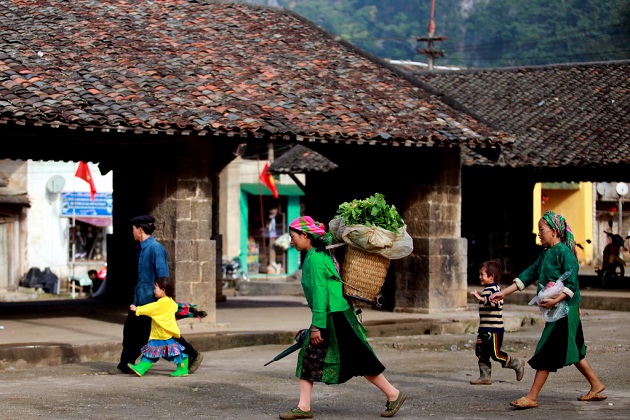
Anyone visiting the Sunday Dong Van market, where people from surrounding Hmong, Dao, Tay and Lo Lo villages come to trade.
-
Travellers who like a little nightlife and people-watching after a day on the road
You’ll find a mix of dorm beds, private rooms and small boutique homestays here, often inside restored traditional houses.
Villages around Dong Van
A short ride from town, small settlements like Ma Lé, Lung Cu or Lo Lo Chai offer quieter Dong Van homestay options, often in traditional earthen houses with views of rice fields or rock gardens.
Who it suits:
-
Travellers who want silence at night and close contact with daily village life
-
Photographers chasing sunrise and sunset over terraced fields
-
People staying more than one night in the area
These village stays usually include dinner and breakfast, and you’ll be further from cafés or ATMs – perfect if you’re craving real immersion.
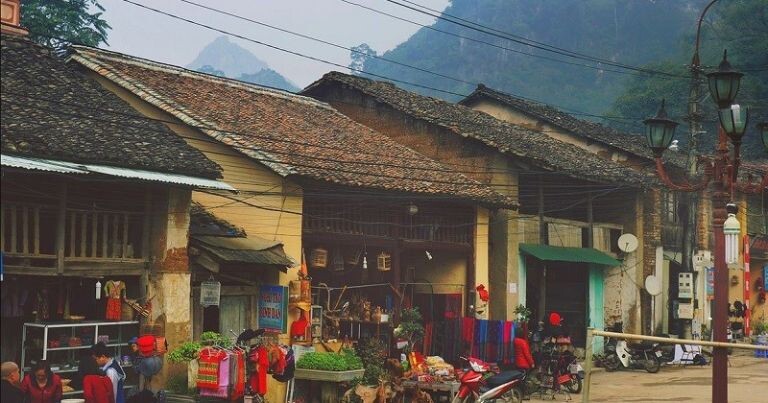
Types of Dong Van homestays
As you explore your dong van homestay options, you’ll notice a few common styles:
-
Traditional clay or stone houses
-
Located in the Old Quarter or surrounding villages
-
Rammed-earth or stone walls, wooden beams, inner courtyards
-
Often preserved as “ancient houses” with simple but upgraded rooms
-
-
Stilt-house style homestays
-
Inspired by Tay or other ethnic architecture
-
Open communal floors with dorm beds, plus a few private rooms
-
Great for groups or budget travellers
-
-
Modern homestay–guesthouse hybrids
-
Private en-suite rooms, sometimes family rooms
-
Cafés or small restaurants on the ground floor
-
Good Wi-Fi, hot showers, and a more “hotel-like” feel while still being family-run
-
You can easily mix styles over different nights of your Ha Giang trip – for example, an atmospheric ancient house in Dong Van followed by a rustic stilt house in Meo Vac.
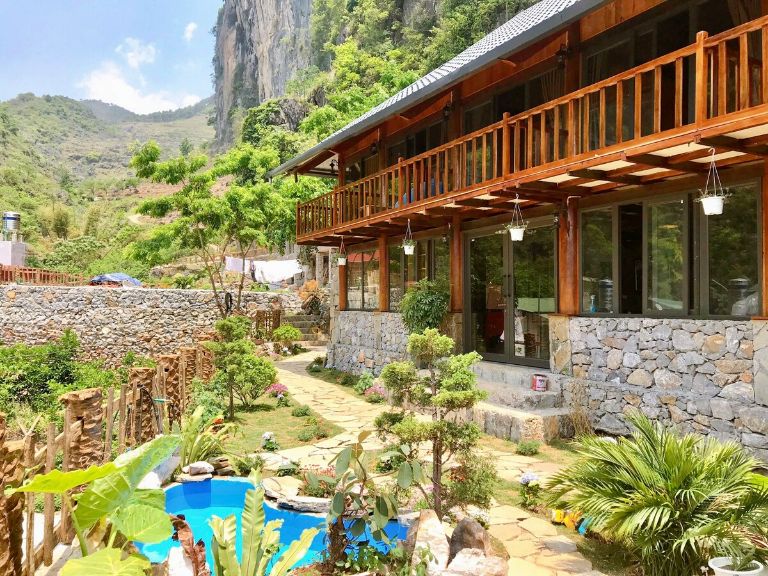
What to expect from a Dong Van homestay stay
Most dong van homestay options are simple but cozy. Here’s what you can realistically expect:
-
Rooms & beds
-
Dorms with bunk beds and curtains for privacy
-
Double or twin rooms, often with shared bathrooms; some newer places offer private en-suite bathrooms
-
Clean sheets, warm blankets – important, because nights can be cold at 1,400–1,600 m elevation.
-
-
Facilities
-
Hot showers and Western toilets at almost all established homestays
-
Free Wi-Fi strong enough for messaging and basic work in many properties
-
Motorbike parking; some offer laundry and bike-washing for a small fee
-
-
Food & drink
-
Home-cooked dinners are usually served “family style” with rice, several shared dishes and seasonal vegetables
-
Breakfast often includes eggs, pancakes or noodles plus tea and local coffee
-
-
Price range
-
Dorm beds typically start from around 8–10 USD per night
-
Private rooms often range 15–30 USD depending on season and comfort level
-
For what you pay, homestays in Dong Van offer very good value, especially considering the location inside a UNESCO Geopark.
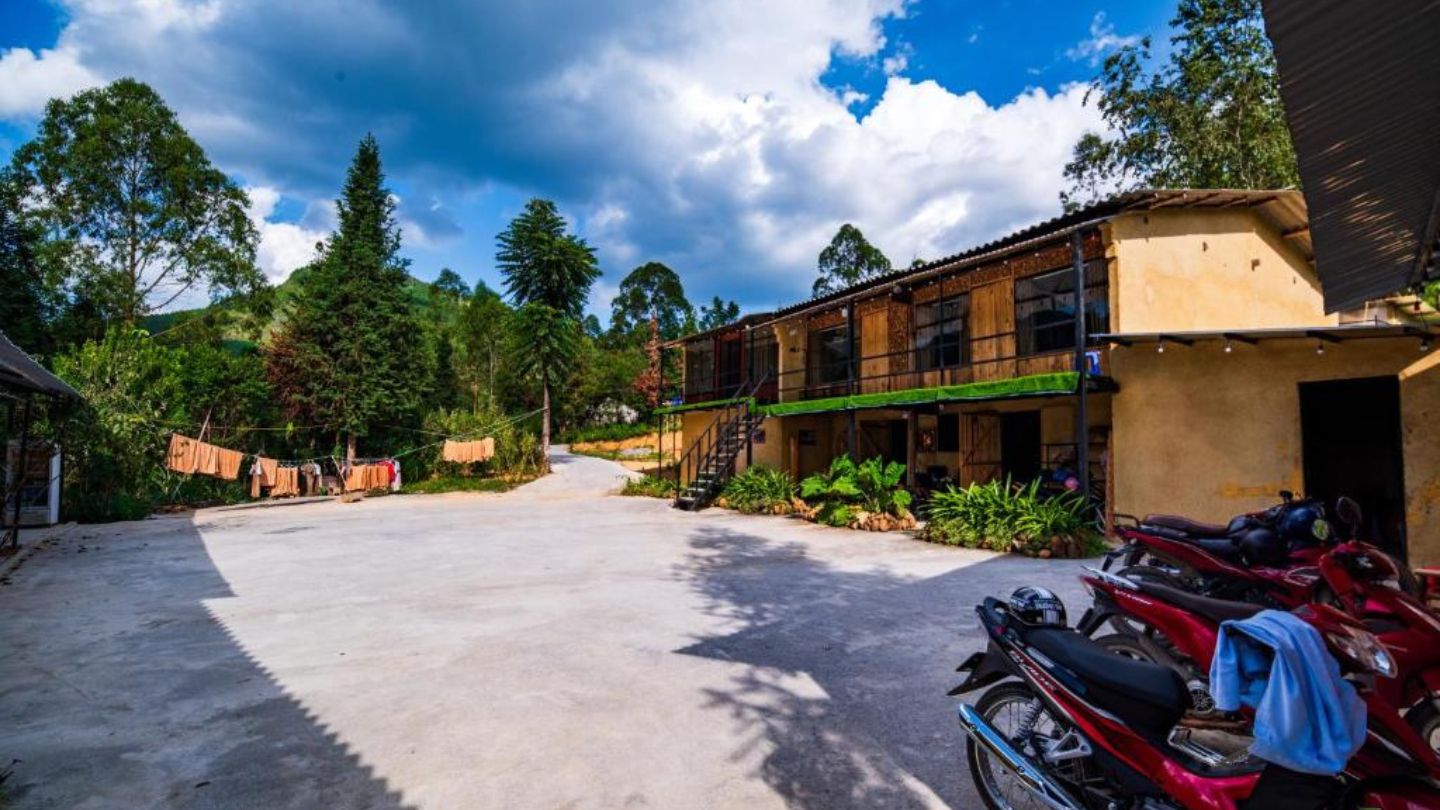
How to choose the right Dong Van homestay for you
When comparing listings, keep these points in mind so you book the best dong van homestay for your style and budget:
-
Location vs. atmosphere
-
Want cafés, the night market and easy logistics? Choose the Old Quarter.
-
Want quiet evenings, starry skies and village life? Pick a homestay a few kilometres outside town.
-
-
Room type
-
Solo or on a budget: dorm bed in a larger homestay
-
Couples: private room with en-suite bathroom if you prefer more privacy
-
Groups: stilt houses or bigger homestays with family rooms
-
-
Reviews & photos
-
Look for recent reviews that mention cleanliness, hot water and noise levels
-
Check traveler photos, not only the official pictures, to see what rooms really look like
-
-
Extra experiences
-
Some places can organise short walks to nearby Hmong or Lo Lo villages, local markets or sunset viewpoints
-
Others offer campfires, music nights or cooking experiences at the homestay itself
-
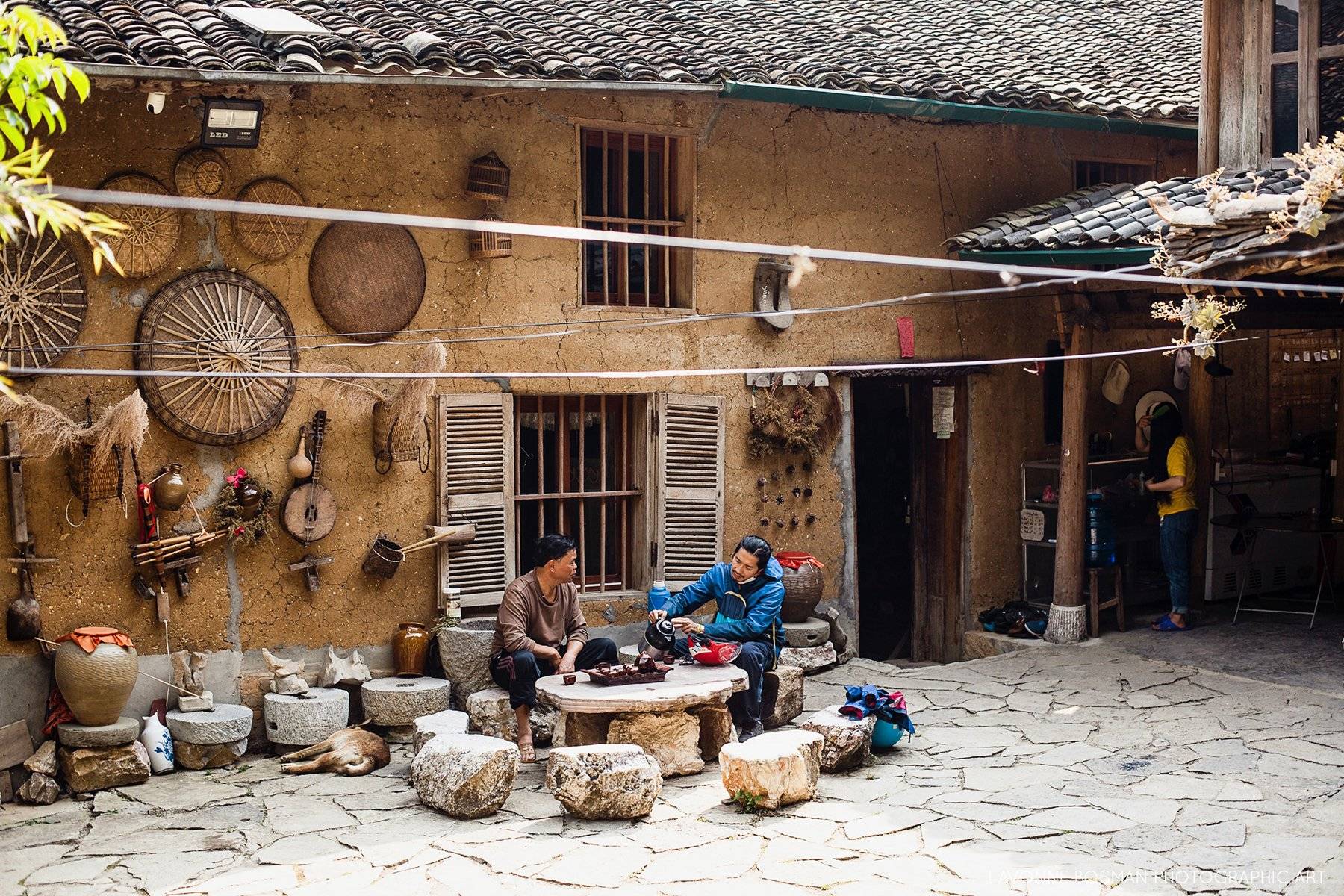
Practical tips for booking a Dong Van homestay
To make the most of your stay:
Book ahead in peak season
-
September–November (golden rice terraces and clear skies) and March–April (flower season) are busy periods on the Ha Giang Loop. Rooms in the best-rated Dong Van homestay properties can sell out days in advance.
Double-check access & parking
-
If you’re on a motorbike tour, confirm that the homestay has safe parking and is reachable by a normal road, especially in rainy season.
Carry cash
-
Card payments are still rare; bring enough Vietnamese dong to cover your stay and meals. ATMs exist in Ha Giang City and Dong Van but can be limited.
Pack warm layers
-
Even when Hanoi is hot, Dong Van evenings can be chilly due to the altitude, particularly from November to February.
Final thoughts
Choosing a dong van homestay is one of the best ways to experience Ha Giang beyond the viewpoints and passes. Instead of just riding through the UNESCO-listed plateau, you’ll sleep in a traditional house, share stories around the dinner table and wake up to roosters, mist and mountain silhouettes.
Whether you prefer an ancient clay house in the Old Quarter or a rustic village stay surrounded by limestone peaks, Dong Van offers a wide range of homestays for every budget. Plan ahead, pick the location and style that fits you, and your night in Dong Van will become one of the most memorable chapters of your Ha Giang journey.
Ready to plan, get a price, or just ask questions?
👉 Call/WhatsApp The Loop Tours — Hotline: +84862443320