

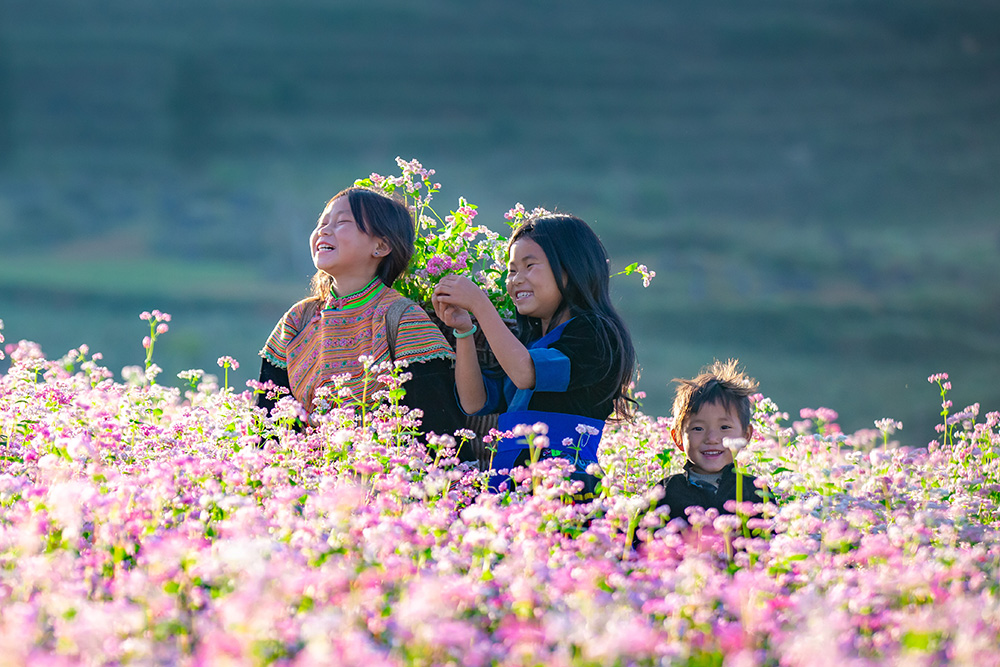
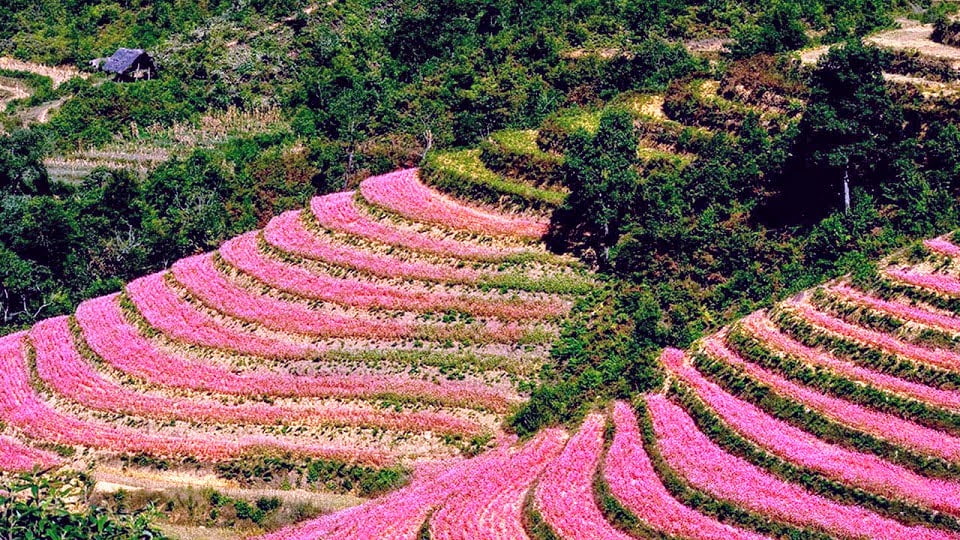
Every autumn, the buckwheat flower villages in Ha Giang turn Vietnam’s northernmost province into a pastel dream. Fields of tiny pink-white blossoms roll down rocky hillsides, wrap around clay-walled houses and line narrow village paths. If you want more than just a quick roadside photo, the real magic lies in the small villages where buckwheat is grown, harvested and celebrated by local ethnic communities.
This guide highlights the most beautiful buckwheat flower villages in Ha Giang, when to visit, and how to experience them respectfully.
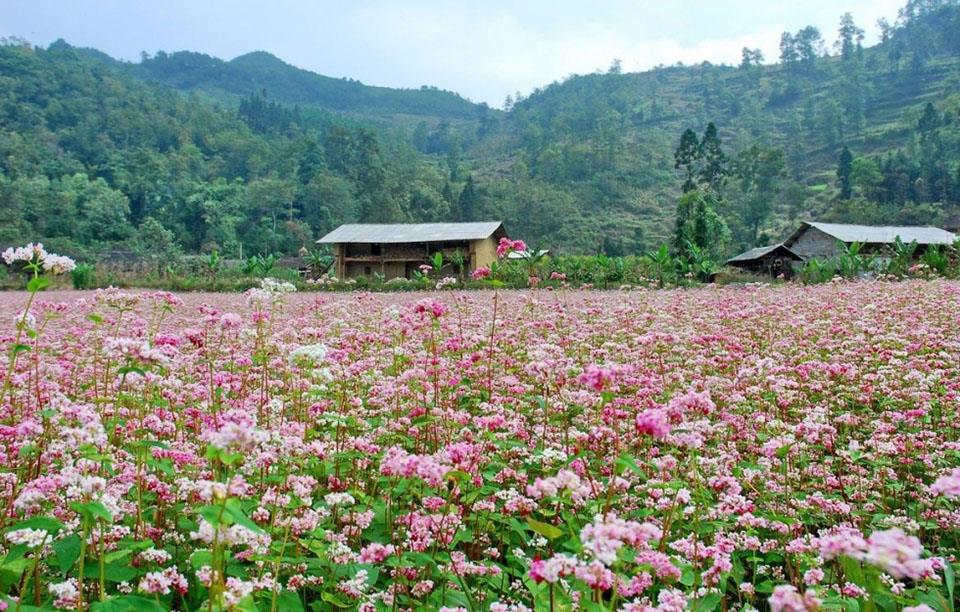
When is buckwheat flower season in Ha Giang?
Buckwheat (tam giác mạch) is a traditional highland crop grown on the Dong Van Karst Plateau. In recent years it’s also become the star of Ha Giang’s autumn tourism.
-
Main season: mid-October to late November
-
Best time for full bloom: roughly late October to mid-November
-
Where it’s most common: the four plateau districts – Dong Van, Meo Vac, Quan Ba and Yen Minh – plus surrounding valleys.
During this time, many villages plant extra buckwheat fields for both food and tourism, creating the classic carpets of flowers you see in photos.
Sung La Valley & Lung Cam – The most famous buckwheat flower village
If you only choose one place to see buckwheat flower villages in Ha Giang, make it Sung La Valley and Lung Cam Village on the road between Yen Minh and Dong Van.
Sung La is often described as an “oasis” in the stone plateau:
-
Gentle hillsides covered in buckwheat flowers during the season
-
Clay-walled houses of Hmong and other ethnic minorities scattered between the fields
-
A patchwork of corn terraces, vegetable gardens and stone fences around the village
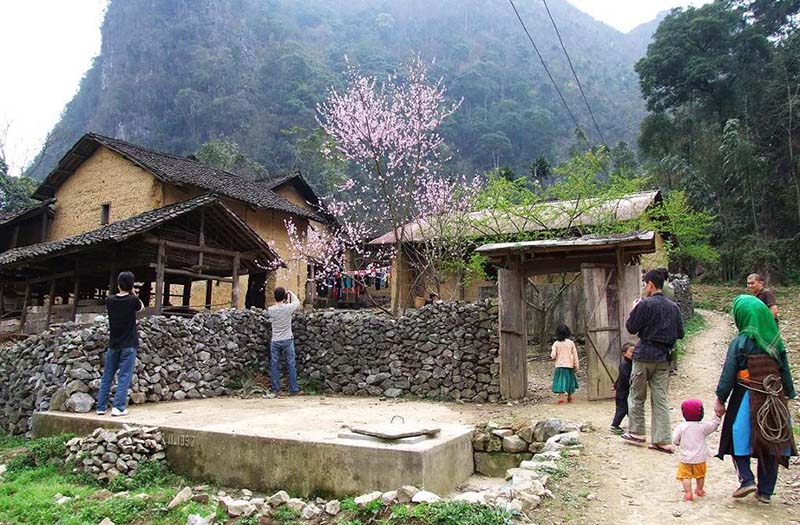
Right in the middle of the valley is Lung Cam Cultural Village, known from the Vietnamese movie The Story of Pao. The old “Pao’s house” has become a small cultural site where you can walk through traditional courtyards, then step straight into surrounding buckwheat fields for photos.
How to experience Sung La & Lung Cam
-
Walk, don’t just stop at the main viewpoint – wander down among the houses and narrow paths.
-
Pay the small entrance fees for flower fields; they help families maintain the crops and access.
-
Combine your visit with a stop at nearby Lao Xa or Pho Cao for quieter scenes.
Lao Xa – Buckwheat fields and Hmong silversmiths
Tucked away about 5–6 km from Sung La, Lao Xa Village is one of the most atmospheric buckwheat flower villages in Ha Giang – and still far less crowded than Lung Cam.
Lao Xa is a Hmong village surrounded by limestone peaks and scattered buckwheat plots. The village is also famous for its traditional silver craft: many families still hand-make necklaces, bracelets and earrings in small home workshops.
Why Lao Xa is special
-
Buckwheat fields feel more “natural” and less staged than some big photo spots.
-
You can see a slice of everyday highland life: children walking to school, elders working in the fields, black-clad Hmong women weaving or doing silverwork.
Tips for visiting Lao Xa
-
The road in is steep and narrow – better to come with an experienced driver or guide.
-
Stay a night in a Lao Xa homestay if you want sunrise/sunset light on the fields and quiet evenings in the village.
Lung Cu area – Northernmost villages in a sea of flowers
Right near Vietnam’s northernmost flag tower, the Lung Cu area is another cluster of beautiful buckwheat flower villages in Ha Giang.
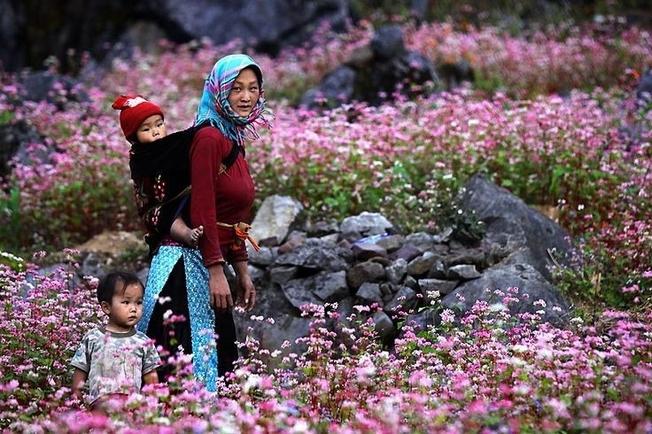
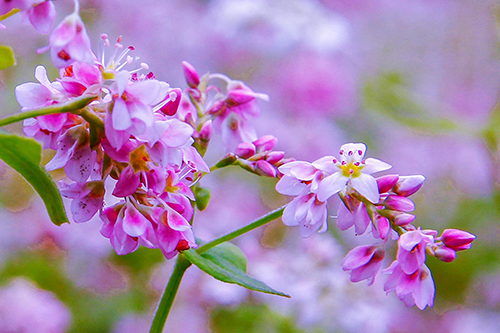
Each autumn, hills and valleys around Lung Cu are blanketed with pink and purple flowers. Local travel guides highlight the area as one of the best places to combine:
-
Lung Cu Flag Tower views
-
Hmong villages and stone houses
-
Large, photogenic buckwheat fields just a short walk from the road
How to explore Lung Cu’s villages
-
Base yourself in Lo Lo Chai or a nearby homestay and walk to surrounding fields.
-
Visit small markets (depending on the day) where villagers come down from the hills – often wearing bright indigo, embroidered jackets and silver jewelry.
Pho Cao, Pho La, Van Chai & Lung Thau – Quiet flower hamlets
In lists of top buckwheat spots, local Ha Giang travel sites often mention smaller hamlets such as Pho Cao, Pho La, Van Chai and Lung Thau.
What they have in common:
-
Old clay or stone houses grouped on slopes or small plateaus
-
Narrow terraces and rocky patches full of buckwheat flowers
-
Fewer tour buses than more famous spots, especially at sunrise and late afternoon
These villages are perfect if you want more space and fewer people in your photos. Talk to your guide or homestay host; they usually know which hamlet has the best bloom at that exact moment of the season.
Villages around Dong Van & Meo Vac – Festival atmosphere
During the Ha Giang Buckwheat Flower Festival, held each autumn mainly in Dong Van and Meo Vac districts, many villages near the main towns plant extra fields and host cultural events.
You’ll find:
-
Flower fields around Dong Van Old Quarter and on slopes leading into town
-
Villages near Ma Pi Leng Pass with buckwheat along paths and between corn plots
-
Local markets and festival stages where ethnic groups perform music and dance, and sell buckwheat cakes, wine and other specialties
These areas are less about one single “flower village” and more about a landscape where almost every hillside has at least a strip of pink.
How to visit buckwheat flower villages in Ha Giang
Getting around
Most travelers visit the buckwheat flower villages in Ha Giang as part of the Ha Giang Loop, either by:
-
Self-riding a motorbike
-
Hiring an easy-rider (local driver + your seat on the back)
-
Booking a private car or small group tour with a driver
Because many flower villages sit off the main road on steep side lanes (like Lao Xa and some hamlets near Lung Cu), having a confident local driver is a big advantage.
Best time of day
For photos and atmosphere:
-
Early morning: soft light, fewer people, chance of mist over valleys
-
Late afternoon (golden hour): warm tones on clay houses and flowers, more local activity as people come back from fields
Midday light is harsher, but still good if you want bright, high-contrast shots of pink against blue sky.
Responsible travel in buckwheat flower villages
To keep these villages beautiful – for both locals and future visitors – a few simple habits go a long way:
-
Stay on paths: don’t trample through the middle of fields; use marked trails and narrow ridges. Buckwheat is a real crop and source of income, not just decoration.
-
Pay entrance fees with a smile: the small amount you pay to enter a field often supports a local family directly.
-
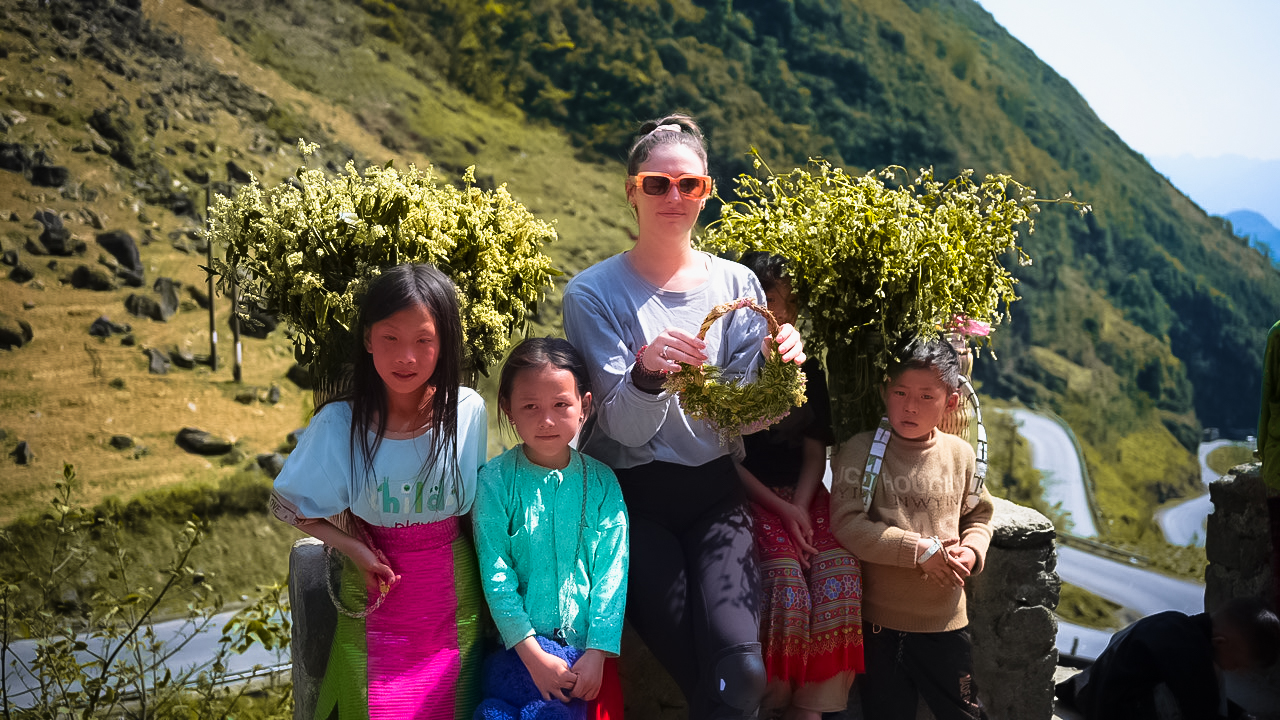
Ask before photographing people, especially elders and children. A quick smile and gesture or a few words of Vietnamese (“Xin chào”, “Cảm ơn”) are always appreciated.
-
Support village businesses: buy buckwheat cakes, herbal tea, small textiles or silver jewelry from local households. It helps them continue planting and welcoming visitors.
Final thoughts
From famous Sung La and Lung Cam to hidden corners like Lao Xa, Pho Cao and Lung Thau, the buckwheat flower villages in Ha Giang are more than just pretty backdrops. They’re living communities where Hmong, Lo Lo and other ethnic groups farm, weave, make silver and celebrate the short, bright season of blossoms each year.
Time your visit for late October or November, give yourself a few days to wander beyond the main roads, and treat each village as someone’s home rather than a studio set. Do that, and you’ll come away with not only beautiful photos, but also real memories of life among the pink buckwheat fields of Ha Giang.
Ready to plan, get a price, or just ask questions?
👉 Call/WhatsApp The Loop Tours — Hotline: +84862443320