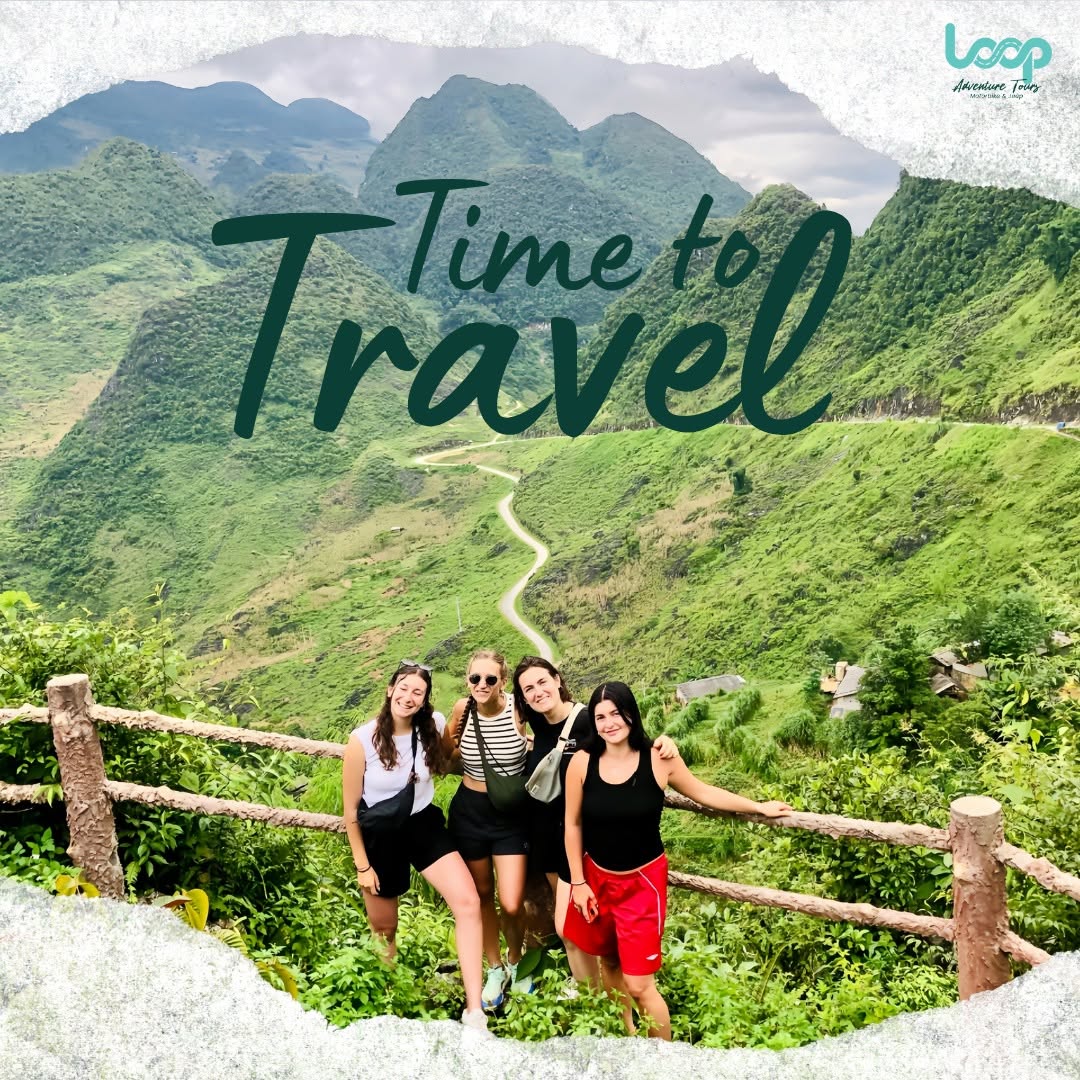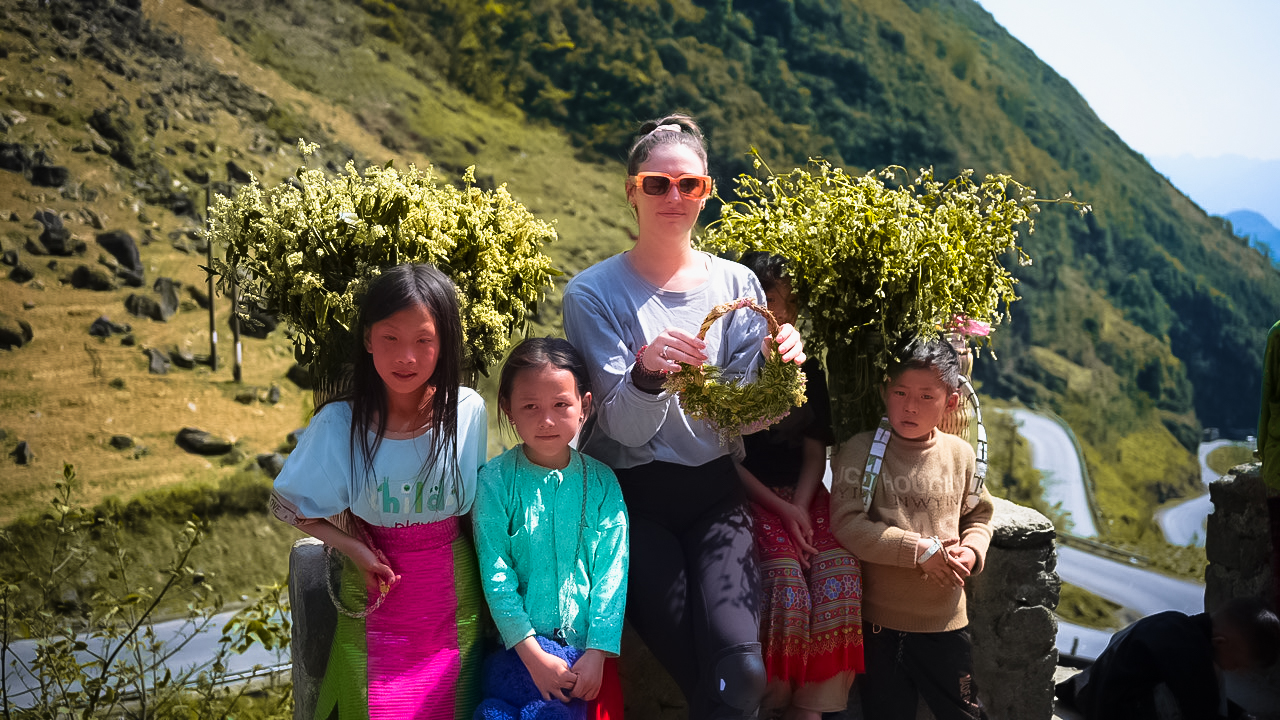


From cloud seas and jagged limestone peaks to pink buckwheat fields and terraced rice, the best photo spots in Ha Giang can easily fill an entire memory card. Whether you’re riding the Loop on a motorbike or visiting by car, this guide highlights the most photogenic locations, when to go, and a few shooting tips for each place.
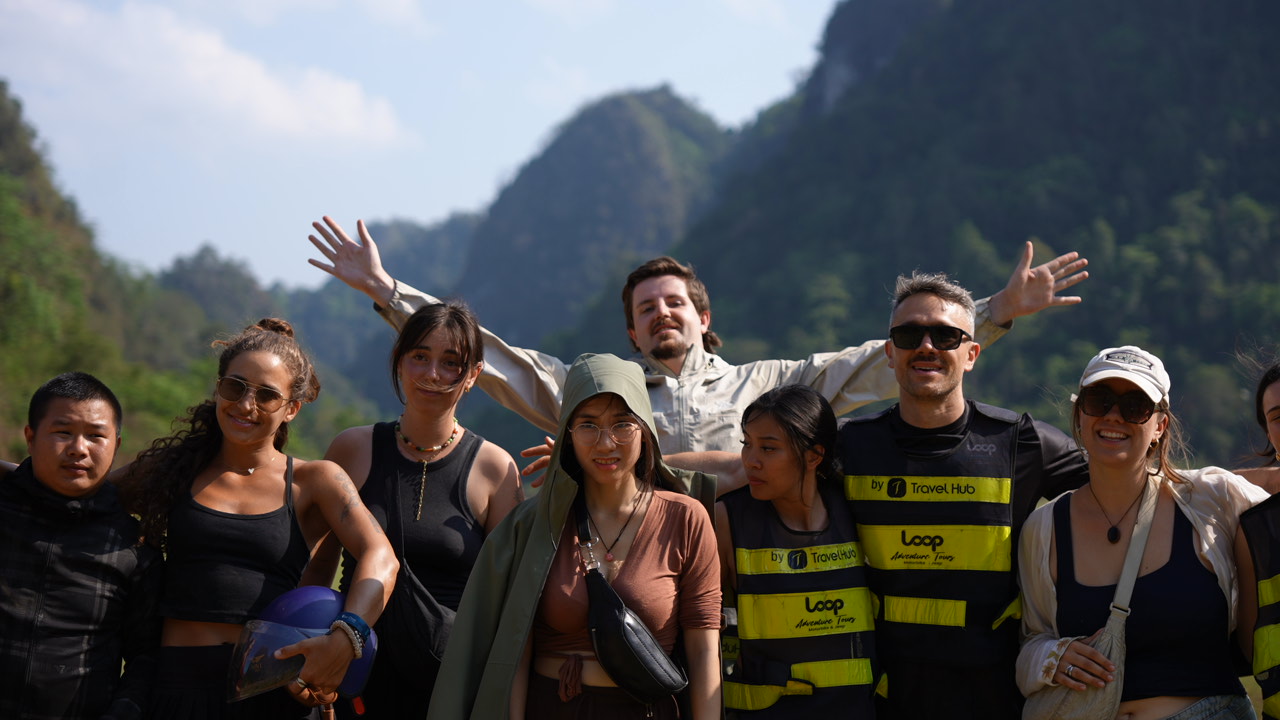
Perfect Tours for You:
Quan Ba Heaven Gate and Twin Mountains
Quan Ba Heaven Gate is the first major viewpoint on the Ha Giang Loop when you head north from Ha Giang City on Highway 4C. From the pass at around 1,500 m, you look down over valleys, terraced rice fields and the iconic Twin Mountains (Fairy Bosom).
Why it’s one of the best photo spots in Ha Giang:
-
Wide panorama of rolling karst peaks and patterned rice fields.
-
The two rounded hills in the valley create a unique focal point.
-
In autumn (Sept–Oct) the rice turns golden; from Oct–Nov, surrounding hills are dotted with buckwheat flowers.
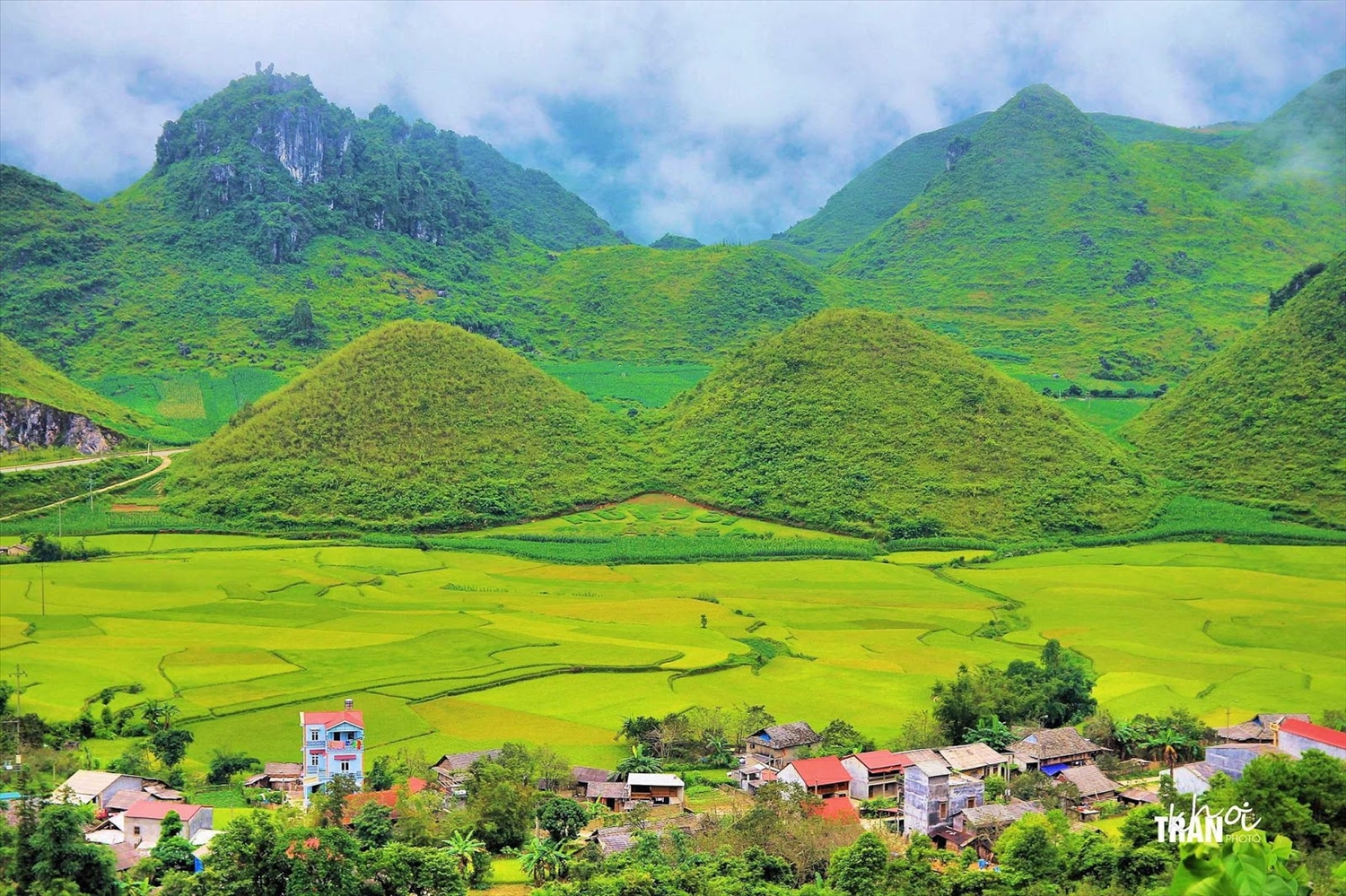
Photo tips:
-
Shoot at sunrise or late afternoon for soft light and long shadows.
-
Use a wide-angle lens or your phone’s ultra-wide mode to fit in both the Twin Mountains and distant ridges.
Ma Pi Leng Pass and the Nho Que River
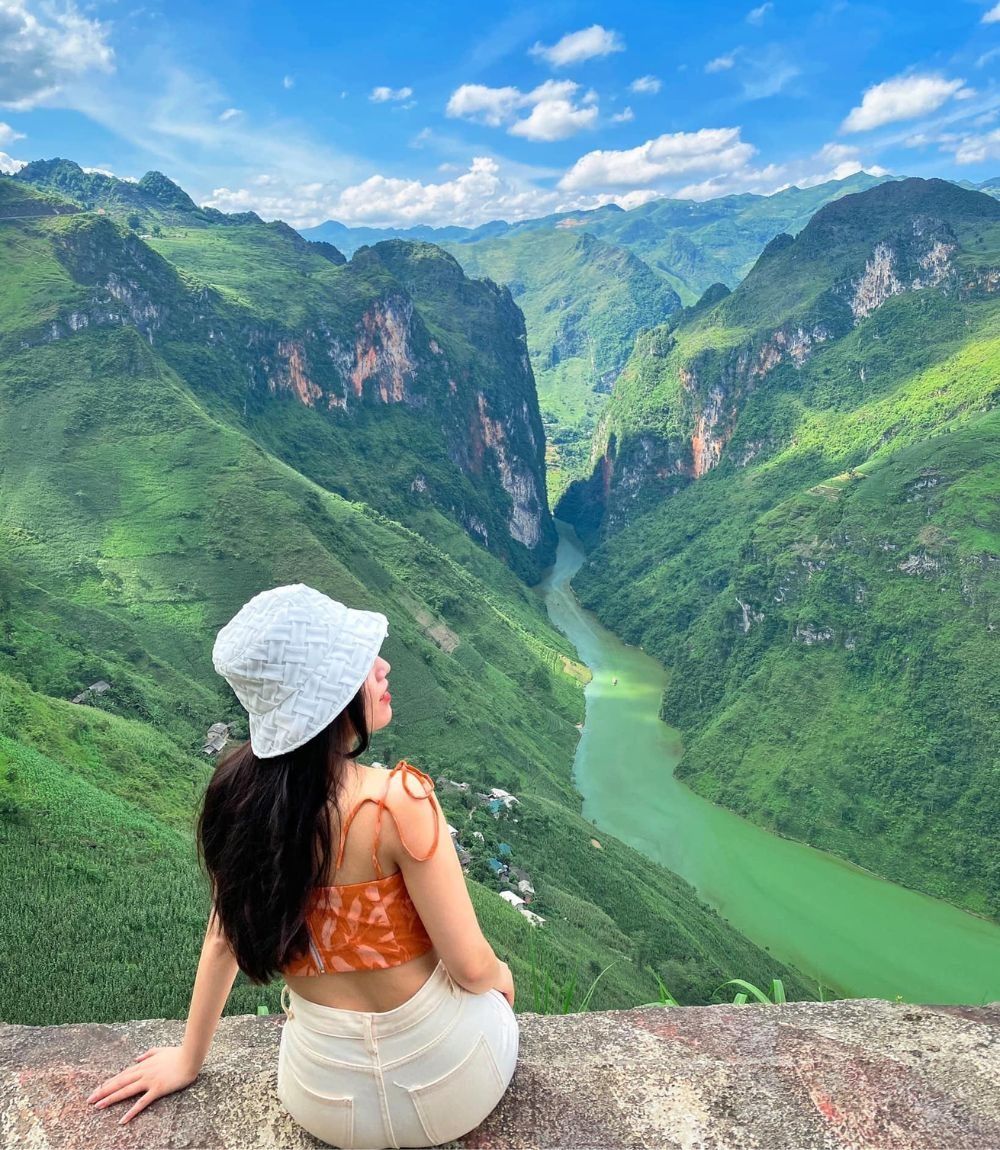
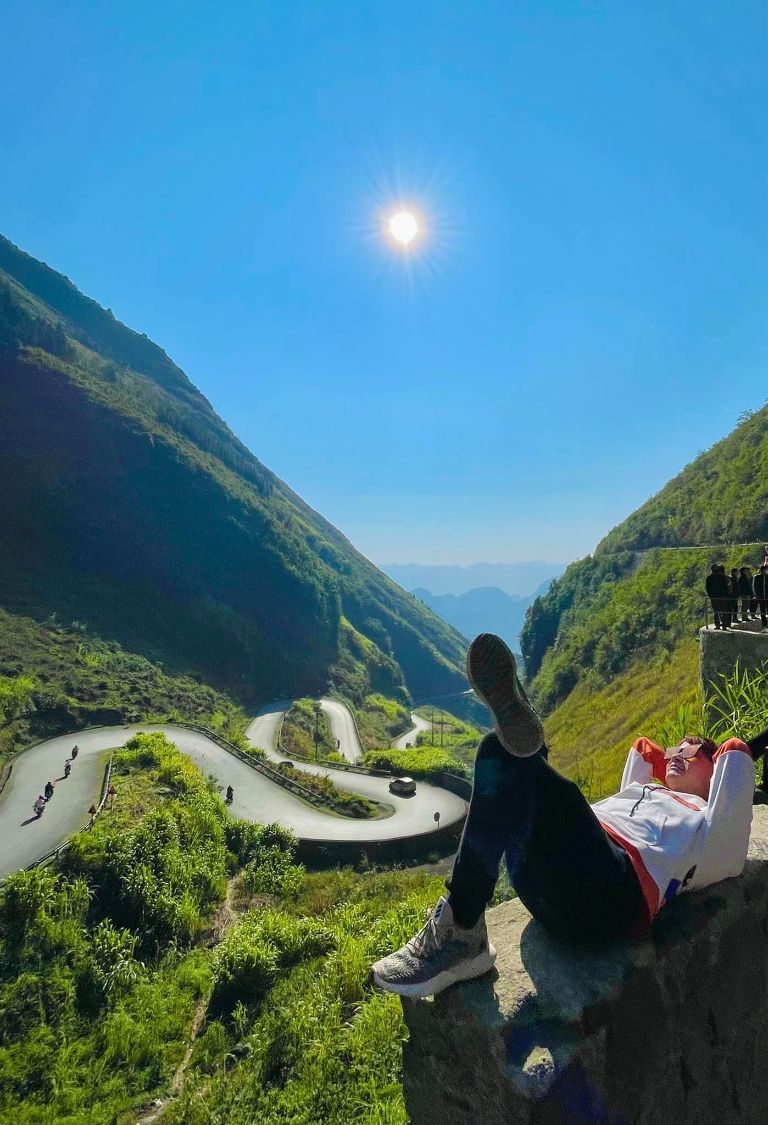
If you had to choose only one place from all the best photo spots in Ha Giang, Ma Pi Leng Pass would probably be it. This “king of passes” hangs high above the emerald Nho Que River as it cuts through Tu San Canyon, one of Vietnam’s deepest gorges.
What makes it so photogenic:
-
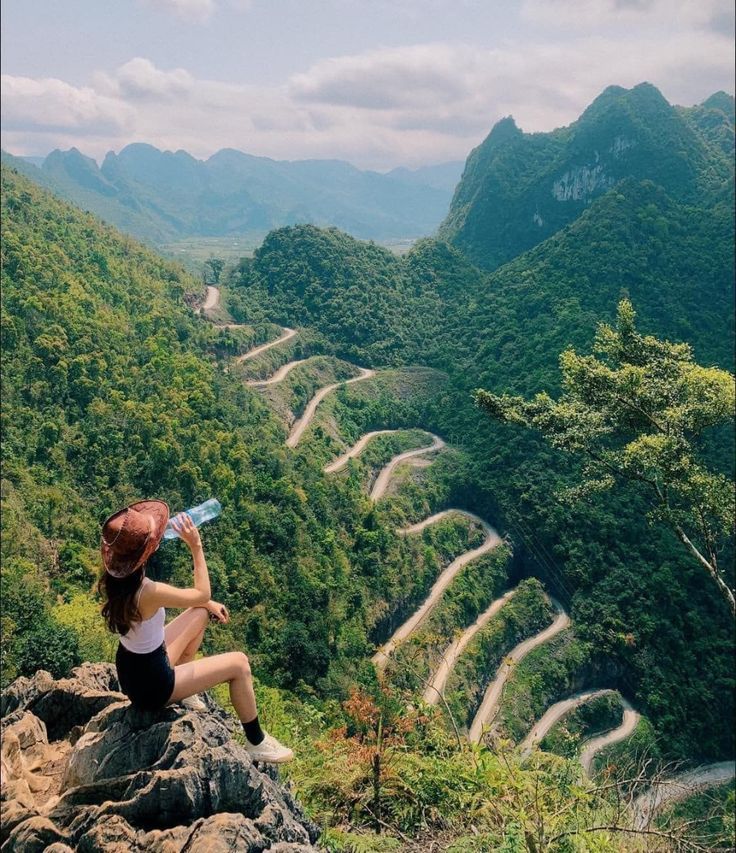
Sheer cliffs dropping hundreds of meters to the river.
-
S-shaped road snaking along the ridgeline.
-
Layers of peaks fading into the distance, especially on clear autumn or spring days.
Don’t miss:
-
The main roadside viewpoint between Dong Van and Meo Vac.
-
A boat trip on the Nho Que River, which lets you shoot up at the towering cliffs from water level for a totally different angle.
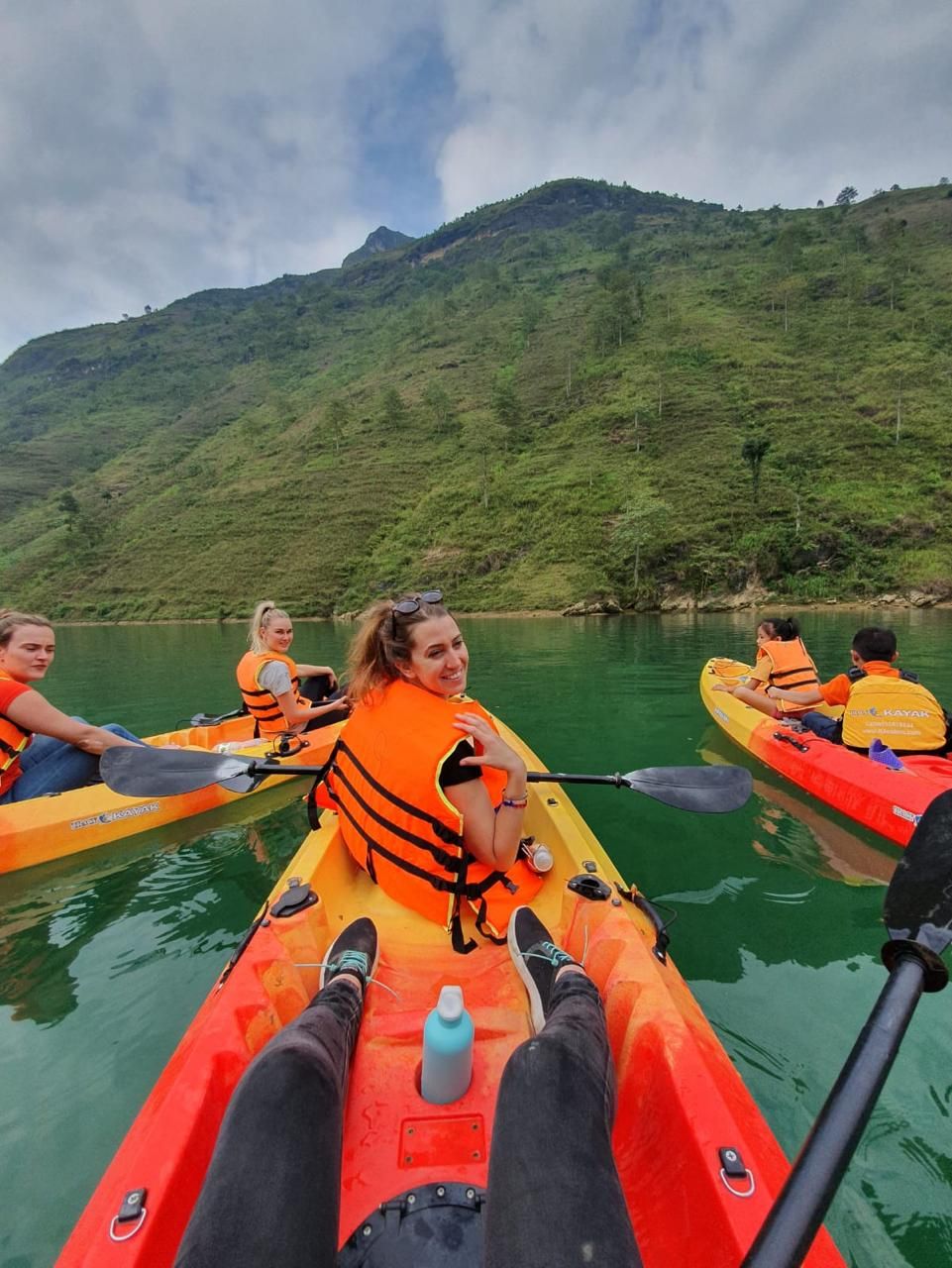
Photo tips:
-
For classic shots, place the guardrail or a person looking over the edge in the foreground to show scale.
-
In dry season (Oct–Apr) the water is often a bright jade color that pops in photos.
Sung La Valley and Lung Cam Village
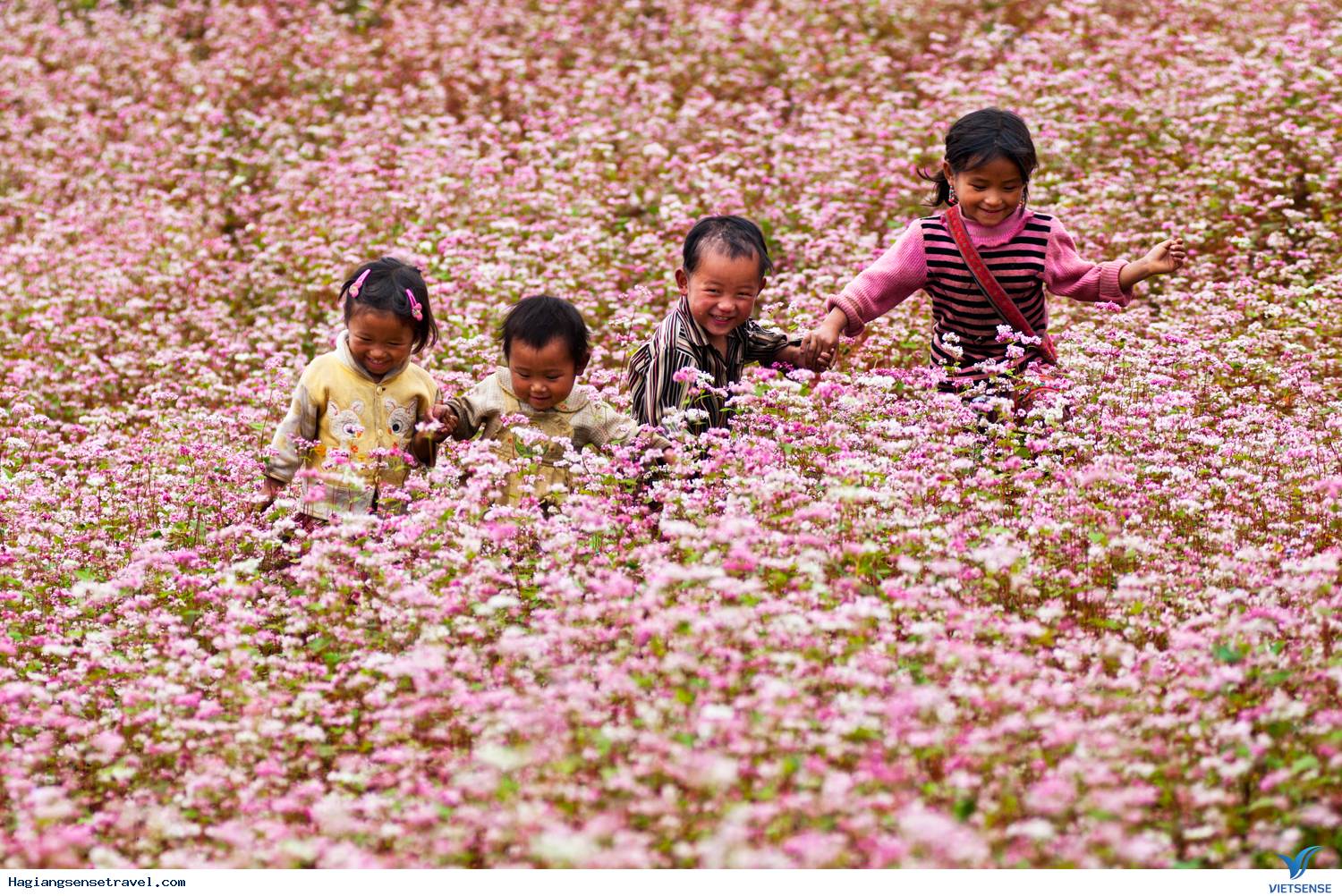
When people talk about buckwheat fields, they’re often thinking about Sung La Valley on the road between Yen Minh and Dong Van. Here, a patchwork of corn, stone walls and clay houses is surrounded by gentle hills of pink buckwheat flowers in season.
Inside the valley, Lung Cam cultural village offers:
-
Traditional Hmong and Lo Lo houses with tiled roofs and earthen walls.
-
Famous “Pao’s house” from the Vietnamese movie, now a small heritage site.
Why it’s among the best photo spots in Ha Giang:
-
Easy foregrounds: flowers, stone fences, children playing.
-
Misty mountains in the background, especially at sunrise.
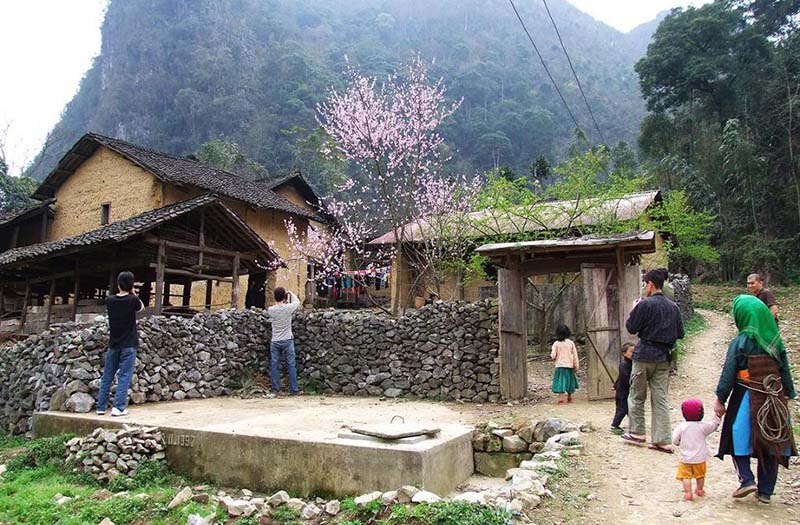
Photo tips:
-
Visit in late October–November for peak buckwheat bloom.
-
Ask villagers before taking close-up portraits, especially of children.
Lung Cu Flag Tower and Lo Lo Chai Village
At Vietnam’s northernmost point, Lung Cu Flag Tower stands on a hill overlooking scattered villages and terraced fields.
Great compositions here include:
-
The giant Vietnamese flag against a backdrop of layered mountains.
-
Views down to Lo Lo Chai, a traditional village with stone houses and narrow alleys.
In buckwheat season, hillsides near Lung Cu are covered in pink-white blossoms, adding more reasons to include it on your list of best photo spots in Ha Giang.
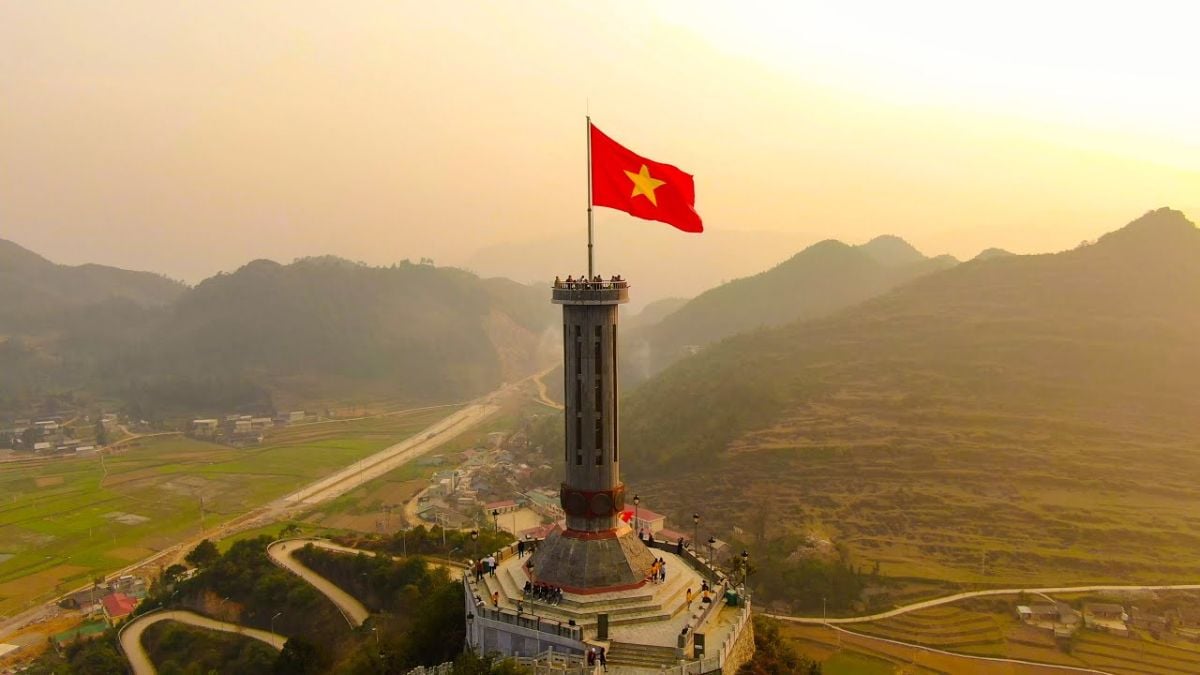
Photo tips:
-
Climb the tower for 360° panoramas at sunset.
-
Walk down into Lo Lo Chai to capture daily life shots and closer details of houses and courtyards.
Dong Van Old Quarter and Sunday Market
For street and culture photography, Dong Van Old Quarter is a must. It’s a small square surrounded by two-storey clay and stone houses dating back about a century, with tiled roofs and wooden balconies.
On Saturday night and Sunday morning, the area comes alive:
-
The Sunday market draws people from Hmong, Dao, Tay and other ethnic groups, all in colorful traditional clothing.
-
Stalls overflow with textiles, herbs, livestock and steaming bowls of local dishes.
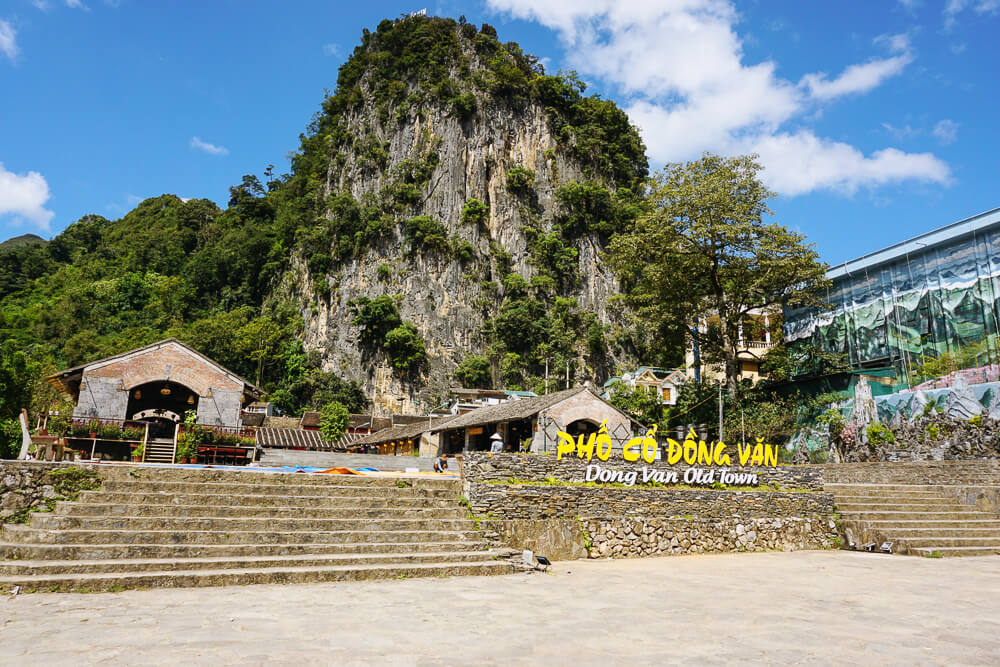
Why it’s one of the best photo spots in Ha Giang:
-
Strong contrasts between dark old houses and bright clothing.
-
Endless candid opportunities of trading, chatting, eating and kids playing.
Photo tips:
-
Arrive early on Sunday (6–8 a.m.) for the busiest scenes and soft light.
-
Shoot from first-floor balconies of cafes if you want top-down views of the square.
Hoang Su Phi Terraced Rice Fields
Though slightly off the classic Ha Giang Loop, Hoang Su Phi in the province’s southwest is legendary for its terraced rice. UNESCO has recognized several communes here for their cultural landscapes.
Why photographers love it:
-
Dramatic, tightly stacked terraces climbing steep hillsides.
-
Best in late September–early October when the rice turns golden, or in May when young rice reflects the sky in watery paddies.
Key communes and villages include Ban Luoc, Nam Ty, Thong Nguyen and Ho Thau.
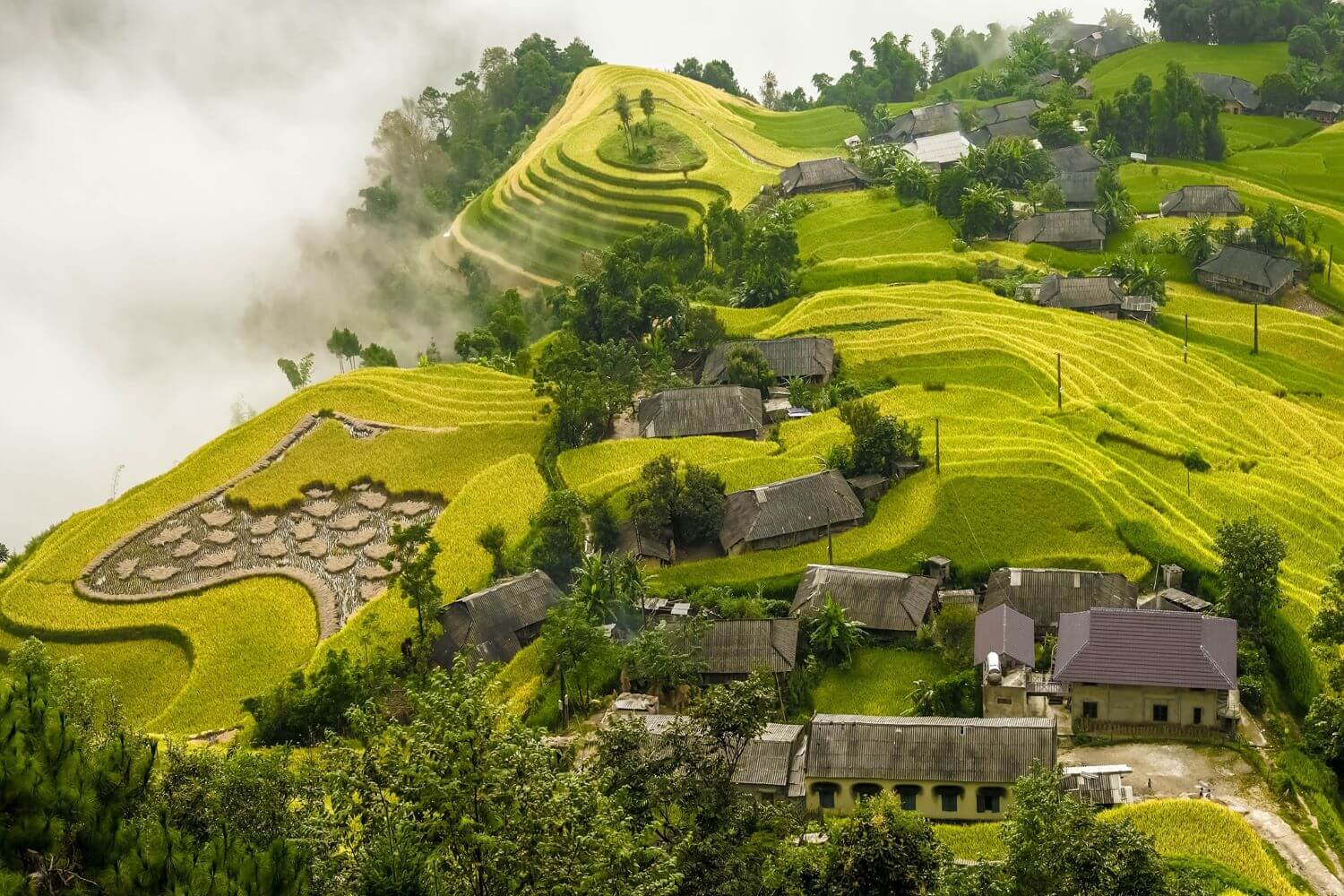
Photo tips:
-
Use leading lines of terrace edges to draw the eye into the frame.
-
Stay overnight in a stilt-house homestay for sunrise and sunset access right from your door.
Du Gia Valley and Waterfalls
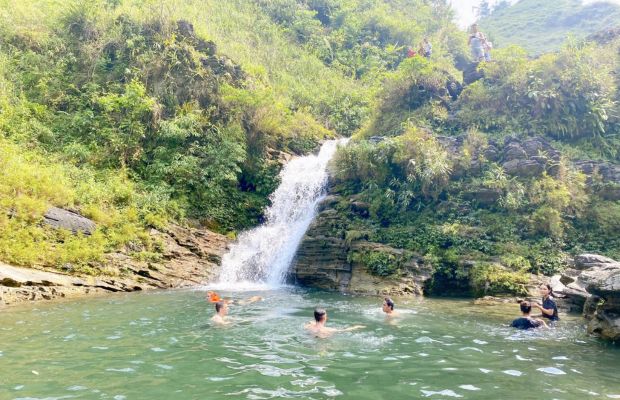
For softer, rural scenery, Du Gia is a beautiful valley surrounded by green hills, rice fields and waterfalls. Many Ha Giang Loop itineraries now include it as a final-night stop.
Photo highlights:
-
Wooden and bamboo bridges over streams.
-
Kids swimming and jumping at Du Gia waterfall.
-
Golden rice fields in autumn with water buffalo grazing.
Du Gia may not be as dramatic as Ma Pi Leng, but for many travelers it’s one of the most memorable, relaxed photo spots in Ha Giang.
Quan Ba’s Thach Son Than & Buckwheat Fields
Near Quan Ba town, Thach Son Than is a cluster of tall limestone pillars standing above flat fields. In buckwheat season these fields turn pink and white, creating a surreal mix of flowers and rock “statues”.
Why it stands out:
-
The vertical stone columns create graphic shapes.
-
In the right season, you can shoot flowers in the foreground and pillars behind for strong depth.
Photo tips:
-
Bring a mid-range zoom to isolate individual pillars or small groups of people walking through the flowers.
General photography tips for Ha Giang
To make the most of the best photo spots in Ha Giang:
-
Time your trip:
-
Sept–Oct: golden rice & clear skies.
-
Oct–Nov: buckwheat flowers.
-
Feb–Apr: blossoms and fresh green hills.
-
-
Shoot early and late:
-
Sunrise and sunset give softer light, richer colors and fewer crowds, especially at Ma Pi Leng, Quan Ba and Hoang Su Phi.
-
-
Protect your gear:
-
Pack a rain cover and microfiber cloth; mountain weather can change fast.
-
-
Be respectful:
-
Always ask before photographing people up close.
-
Avoid walking through fields or climbing onto fragile stone walls for a shot.
-
Final thoughts
From the panoramic ridges of Quan Ba Heaven Gate to the dramatic cliffs of Ma Pi Leng Pass, from flower-filled Sung La Valley to terraced rice in Hoang Su Phi, the best photo spots in Ha Giang cover every style of travel photography: landscape, culture, street and portrait. Plan a route that mixes big viewpoints with quiet villages, wake up for a few sunrises, and you’ll leave with a collection of images that really captures the wild character of Vietnam’s far north.

Ready to plan, get a price, or just ask questions?
👉 Call/WhatsApp The Loop Tours — Hotline: +84862443320