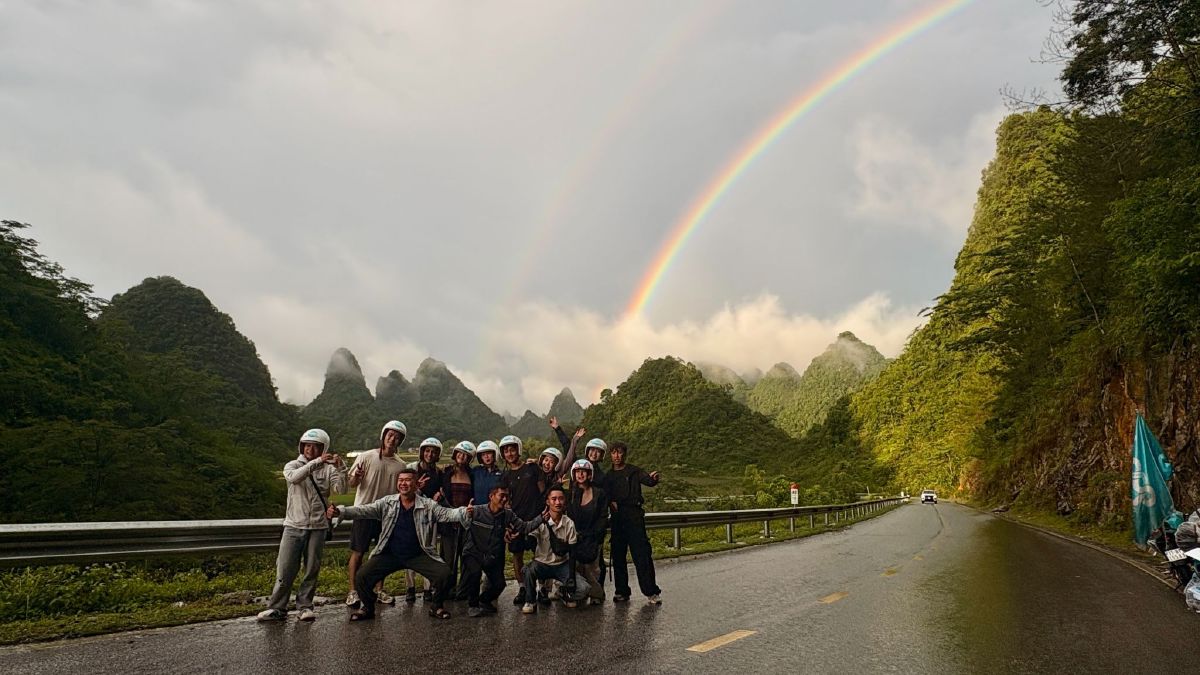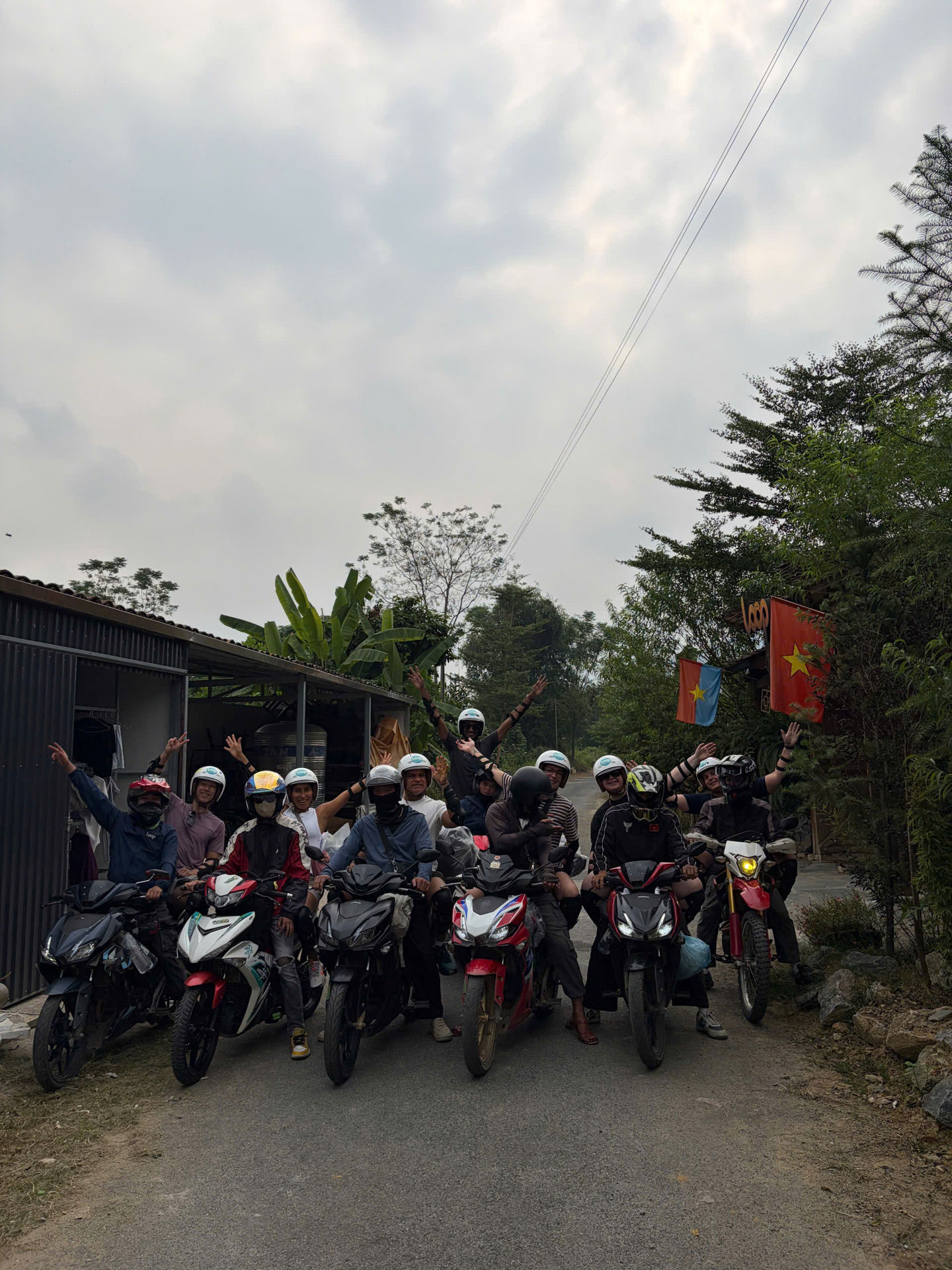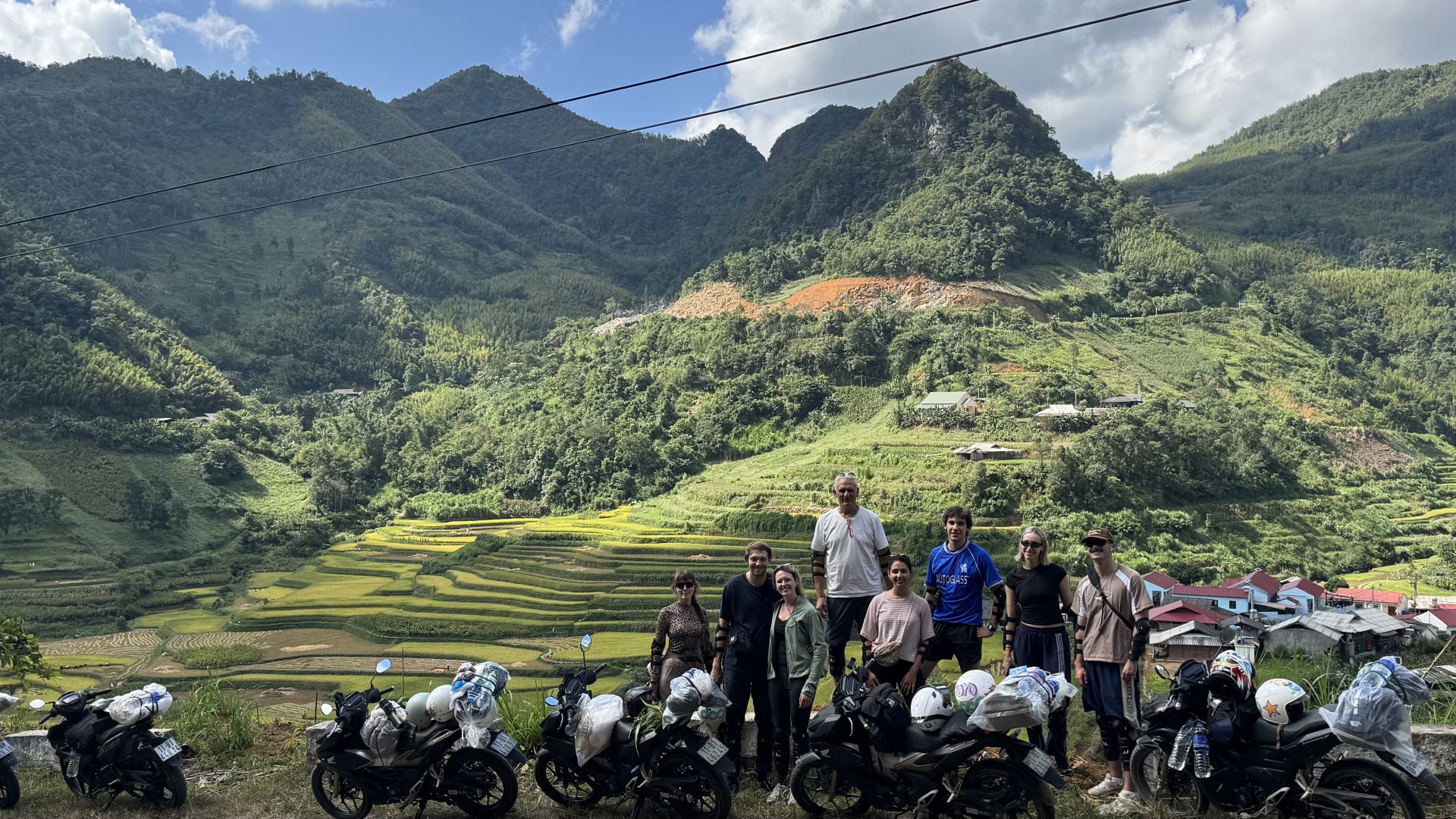


If you are planning the Ha Giang Loop road conditions by season are one of the most important things to understand before you choose your dates. Ha Giang has a subtropical monsoon climate with a cool, fog-prone winter and a warm, rainy summer, and road feel changes a lot depending on rain, fog, temperature, and altitude. Higher passes such as Ma Pi Leng are colder, windier, and often less predictable than valley towns, so the same day can feel very different across the route.
The good news is that the loop can be done year-round. The more useful truth is that each season creates a different kind of trip. Some months are best for dry roads and easy visibility, while others are more about misty scenery, green mountains, or dramatic weather windows. The safest way to think about Ha Giang is not “good season or bad season,” but “which road conditions match your travel style and confidence.”
Perfect Tours for You:
Spring road conditions: March to May
Spring is one of the easiest seasons for most travelers. Loop Tours’ weather guide describes March to April as cool to mild, increasingly sunny, and often starting with morning mist that clears by late morning, with temperatures around 15–24°C. A separate best-time guide says March to May brings comfortable riding temperatures of roughly 18–28°C, lush scenery, and fewer crowds than autumn, though light showers can still appear.
In practical road terms, spring usually means mostly good asphalt, better visibility after breakfast, and fewer serious weather disruptions than summer. You may still get damp patches in the morning or a passing shower later in the day, but road conditions are generally forgiving enough for travelers who want a smoother ride without peak-season pressure. This is one of the reasons spring is often grouped with autumn as one of the most comfortable times to do the loop.

Summer road conditions: June to August
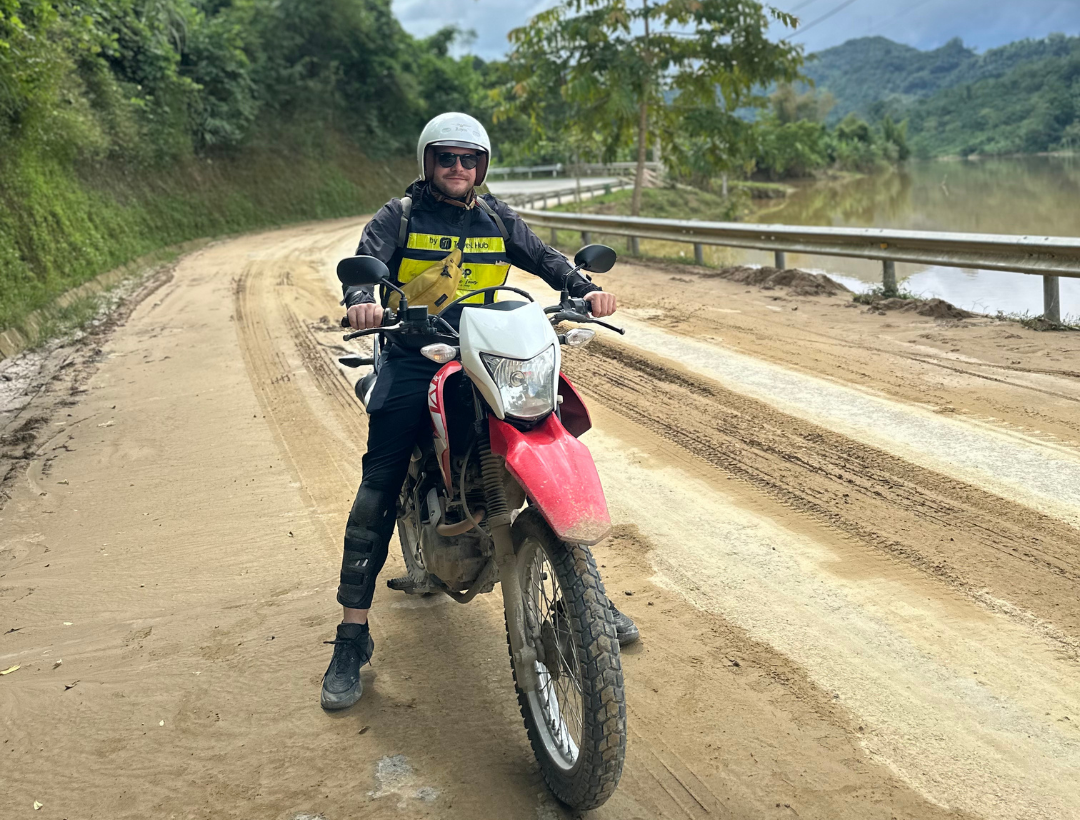
Summer is the season when road conditions become most unpredictable. Loop Tours’ weather guide describes summer as the rainy season, with showers and occasional storms, while the best-time guide is even more direct: June to August can bring heavy rain, landslides, and roads that become slippery and dangerous, especially for motorbike travel. Temperatures are also high, often around 25–35°C, which adds fatigue to long riding days.
This is the season when the road can change fastest over a single day. A clear morning can turn into a wet afternoon, and short but intense downpours can leave asphalt slick, wash grit and mud onto corners, and reduce confidence on steep descents. Summer is still beautiful because the mountains are at their greenest, but it is usually the season that demands the most caution, the most flexibility, and the least ego.
Autumn road conditions: September to November
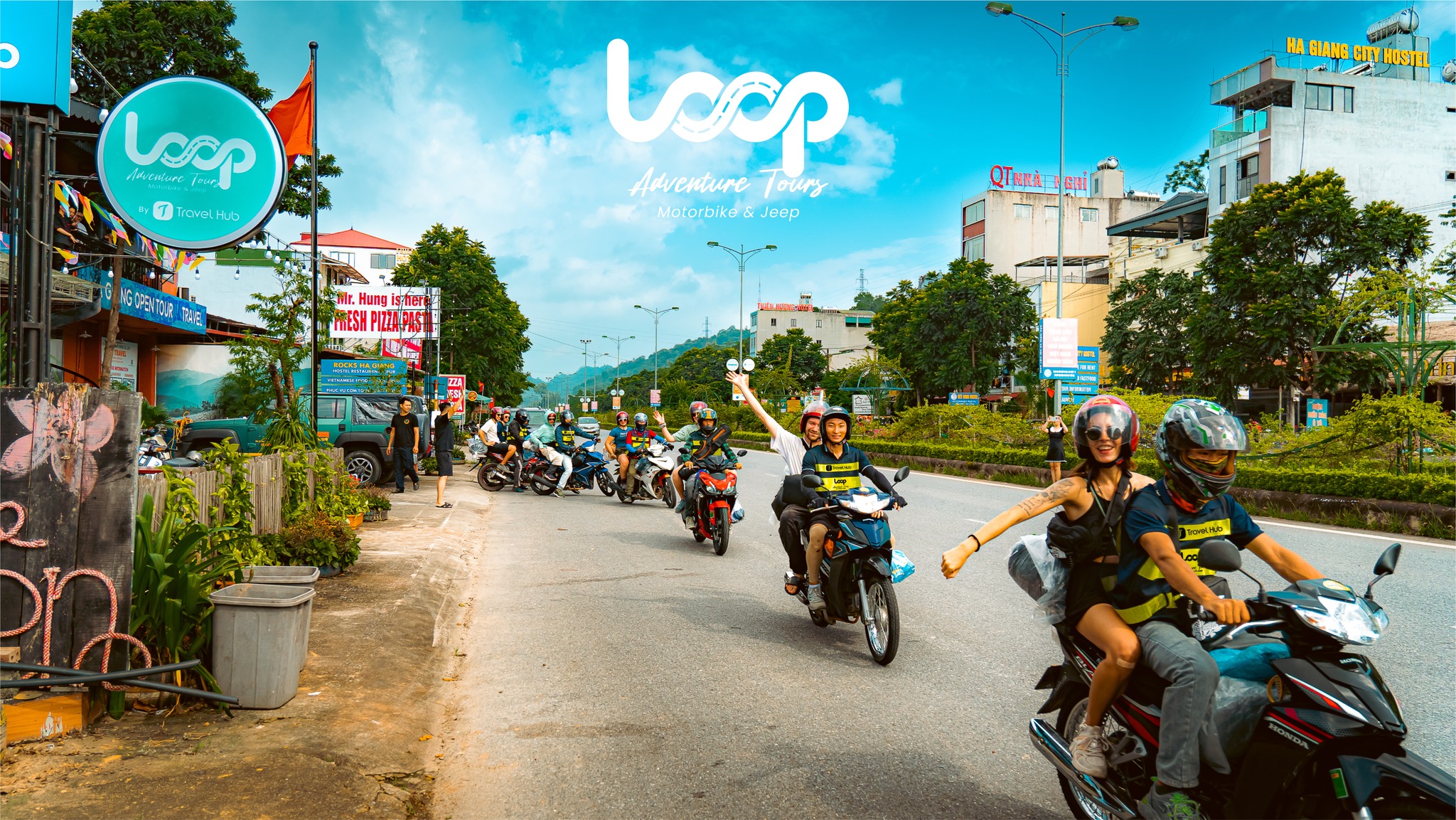
Autumn is widely the strongest overall window for road conditions. On the site’s best-time guide, September to November is described as the golden season and the best overall time to ride, with pleasant weather, mild temperatures around 15–25°C, and dry, safe roads for motorbike riding. This is also the season of golden rice terraces and some of the clearest horizons on famous viewpoints.
From a road perspective, autumn usually gives the best balance of traction, visibility, and comfort. Early September can still carry a little leftover wet-season uncertainty, but by late September and into October and November, the route tends to feel much more stable. If your priority is the easiest riding conditions rather than a specific atmospheric mood, autumn is usually the safest recommendation to give first.

Winter road conditions: December to February
Winter is the season that surprises many first-time visitors. According to Loop Tours’ weather guide, winter brings cold mornings and nights, patchy fog and low cloud, and temperatures around 8–16°C at altitude, while the winter-specific guide says mornings and nights can drop into single digits °C on the plateau. It also notes that drizzle can appear, longer summer-style downpours are rare, and clear windows often show up after mid-morning.
That means winter road conditions are usually less about flooding and more about visibility and slickness from mist or light rain. The best-time guide says some roads may feel slippery because of mist and light rain, and the weather guide recommends starting later on foggy days and riding only in daylight. In simple terms, winter can be beautiful and very rideable, but it rewards patience more than speed.
How altitude changes the road
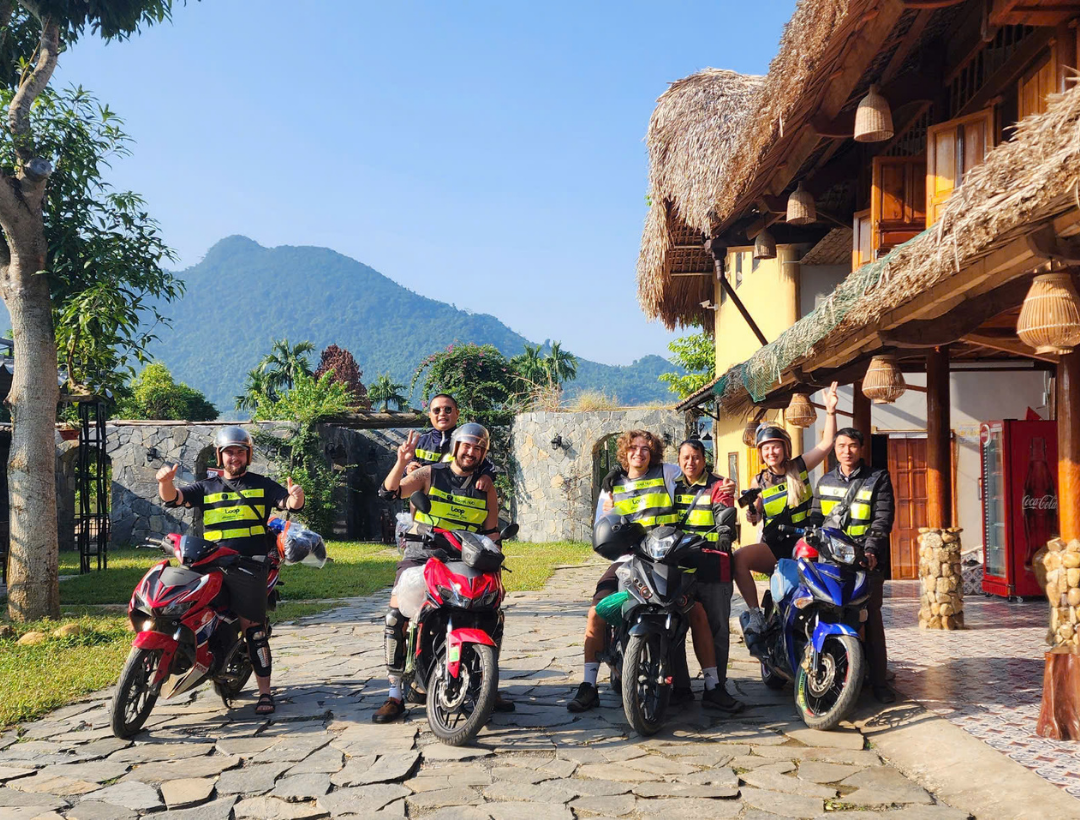
One of the biggest mistakes people make is assuming one forecast covers the whole loop. Loop Tours’ weather guide explicitly says altitude matters, and that karst passes feel colder and windier than valley towns. It also notes that mountain conditions can vary enough that a blue sky in Quan Ba can exist at the same time as fog in Dong Van, and recommends keeping plans flexible by 60 to 90 minutes because visibility can change fast in the highlands.
This matters because the Ha Giang Loop is not one uniform road. The surface may be the same highway number, but the riding experience changes from open valley sections to narrow mountain curves, exposed ridgelines, and shaded damp corners. In good weather, that simply makes the route scenic. In harder weather, it is exactly why conditions can feel easy in one section and tense in the next.
Which season is safest for most riders?
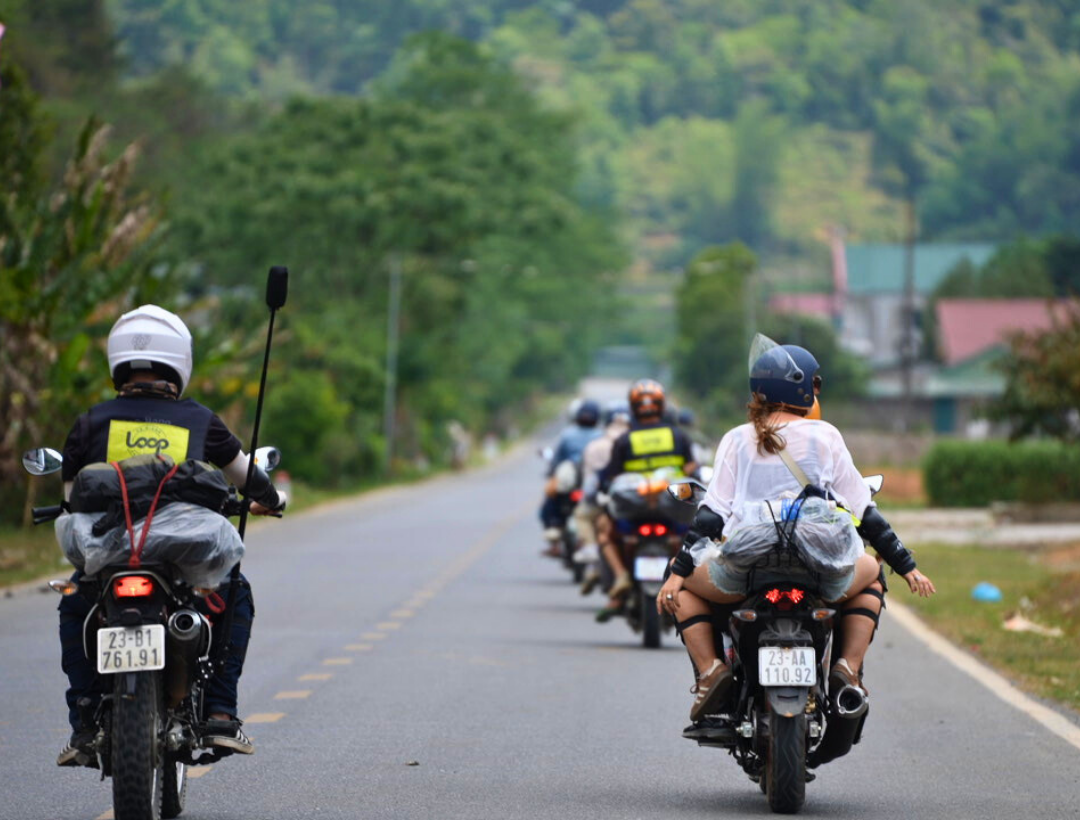
If the question is purely about safer, more forgiving conditions, the strongest answer is autumn first, spring second. The site’s best-time guidance points to September to November and March to May as the most comfortable periods, thanks to milder temperatures, better scenery, and safer riding conditions than the rainy season. By contrast, June to August carries the clearest warning for slippery roads and landslide risk, while December to February is calmer but more visibility-sensitive.
That does not mean winter and summer should be avoided completely. It means they ask for a better match between season and trip style. A traveler who loves moody light and does not mind later starts may love winter. A traveler who wants the greenest mountains and is comfortable adapting to rain may still enjoy summer. But for the broadest group of travelers, spring and autumn remain the easiest seasons to recommend.
What route style makes the most sense in harder seasons?
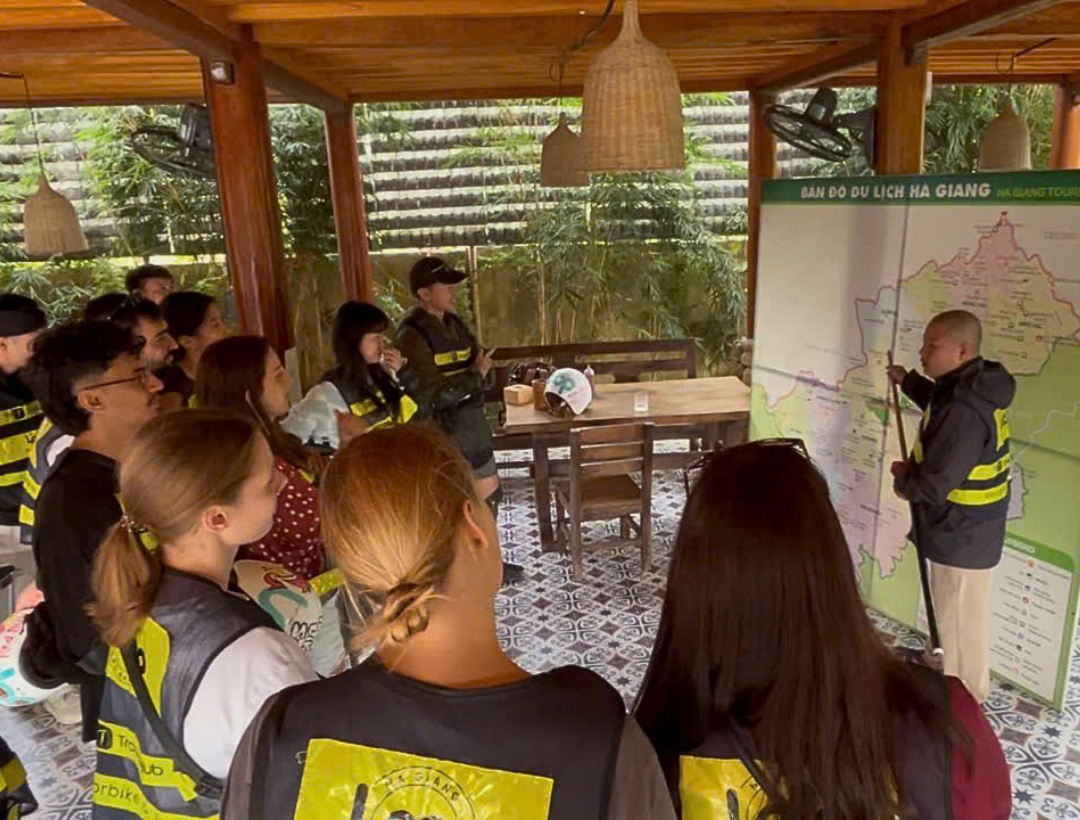
On the live site, the core Ha Giang products are 3 Days Ha Giang and 4 Days Ha Giang, and the homepage describes the Ha Giang route as a 3 to 4-day journey starting and ending in Ha Giang City. The same site also says the best way to experience the loop is through a guided motorbike tour, and the broader travel guide recommends choosing Easy Rider or a car/van for beginners rather than forcing self-ride in conditions that feel beyond your level.
That makes the slower 4-day format the easier choice in variable seasons. More time means more room for fog to lift, roads to dry, and itineraries to breathe. A tighter 3-day trip can still work well in dry conditions, but in rain-prone or fog-prone months, extra time usually makes the whole journey feel calmer and safer.
Final thoughts
The simplest way to think about Ha Giang Loop road conditions by season is this: autumn is usually the easiest, spring is close behind, winter is slower and foggier, and summer is the most weather-sensitive. The road is never just about the road surface. It is about visibility, wind, temperature, rain, and how much margin you leave yourself to adapt.
If you want the safest and smoothest overall experience, aim for September to November or March to May. If you travel in winter or summer, go with the right expectations, pack properly, and give the mountains time to do what mountains always do: change conditions without warning. That approach usually matters more than the month itself.
👉 Call/WhatsApp The Loop Tours — Hotline: +84862443320