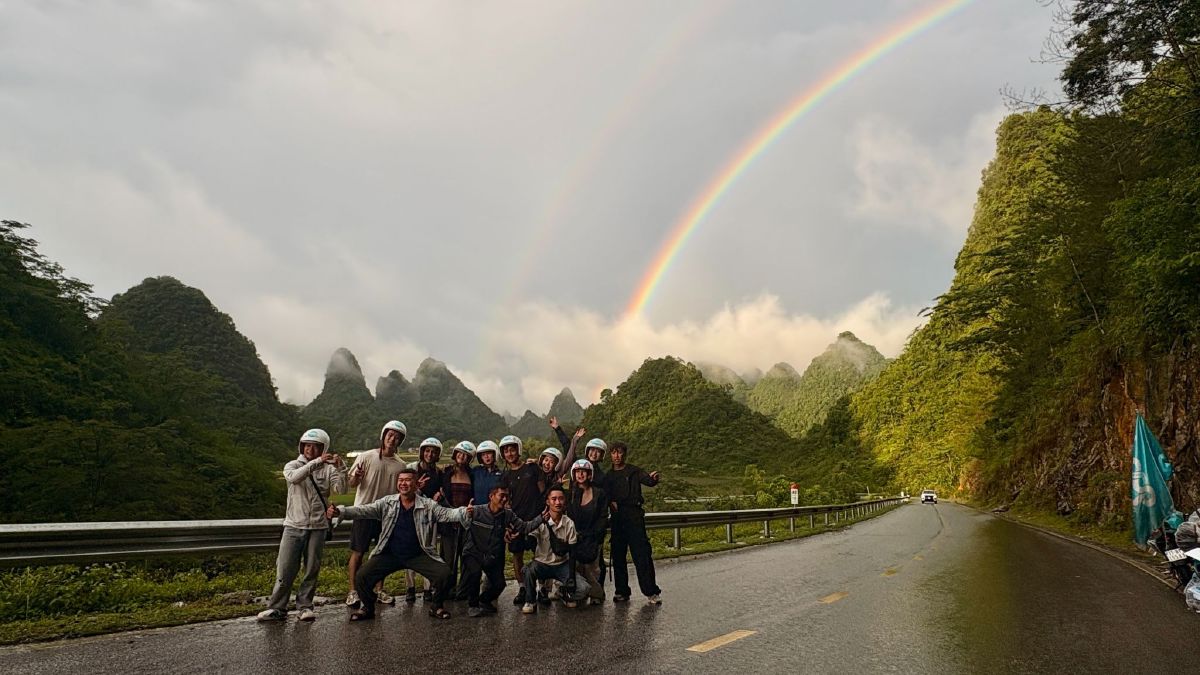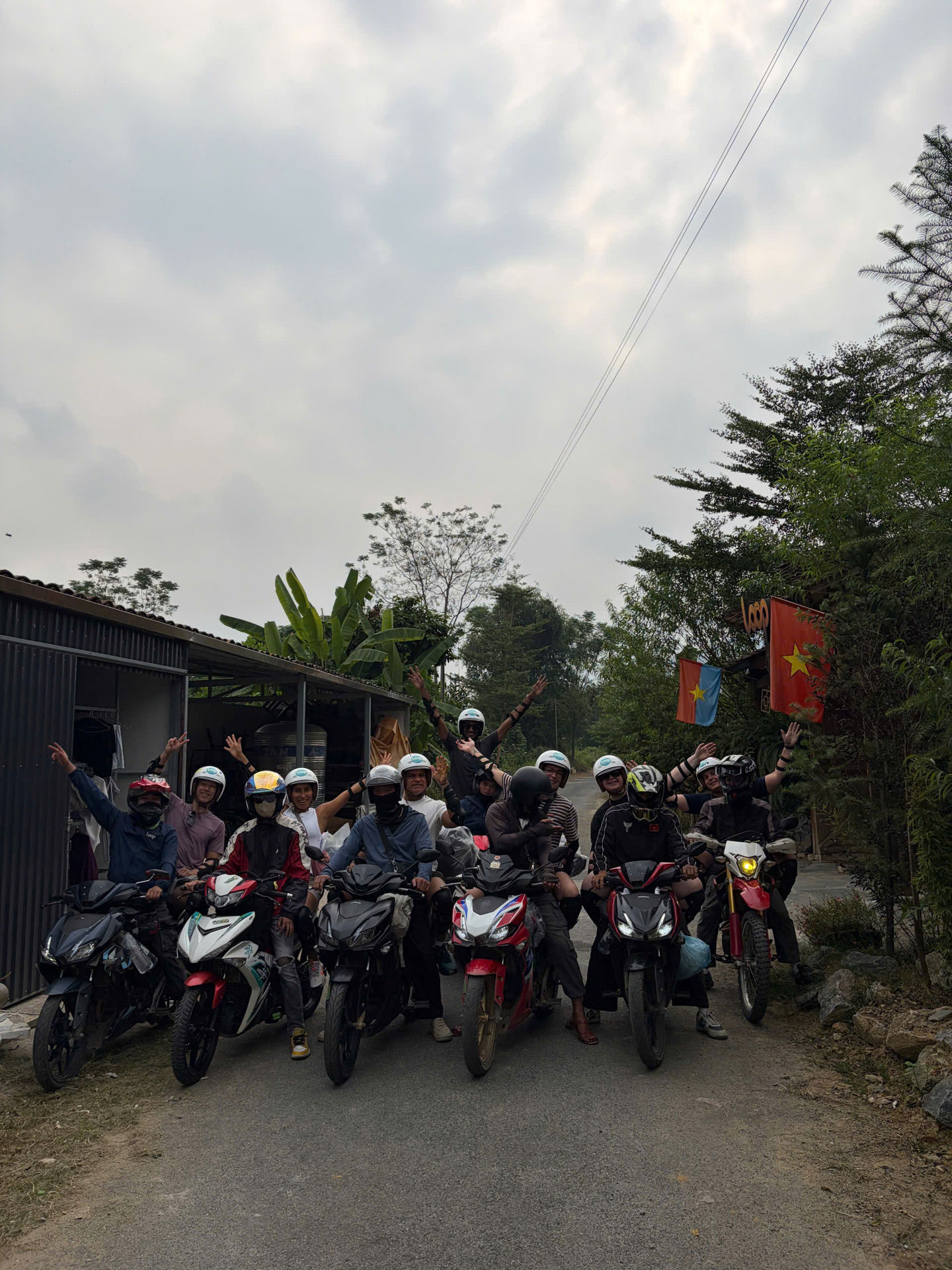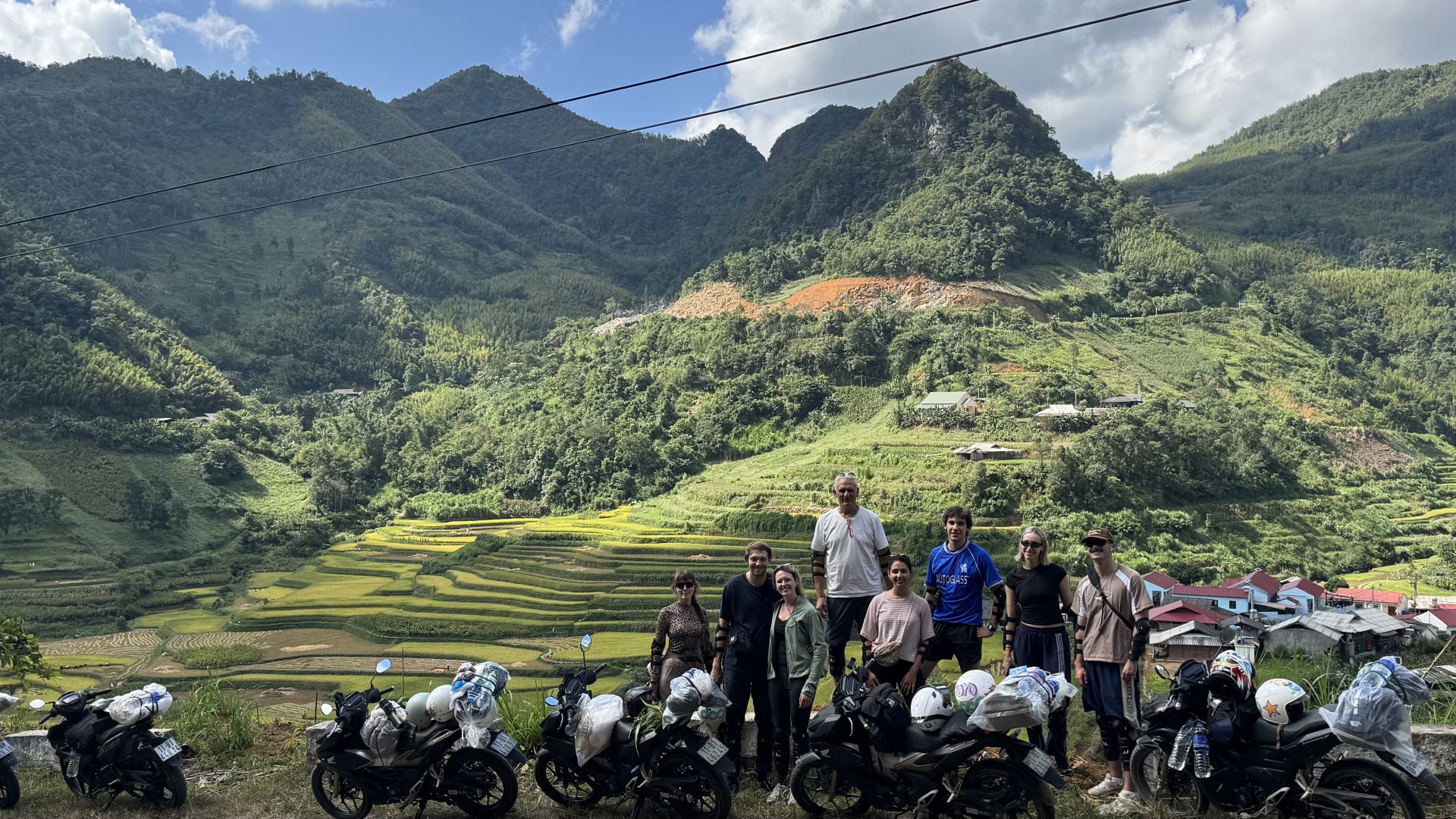


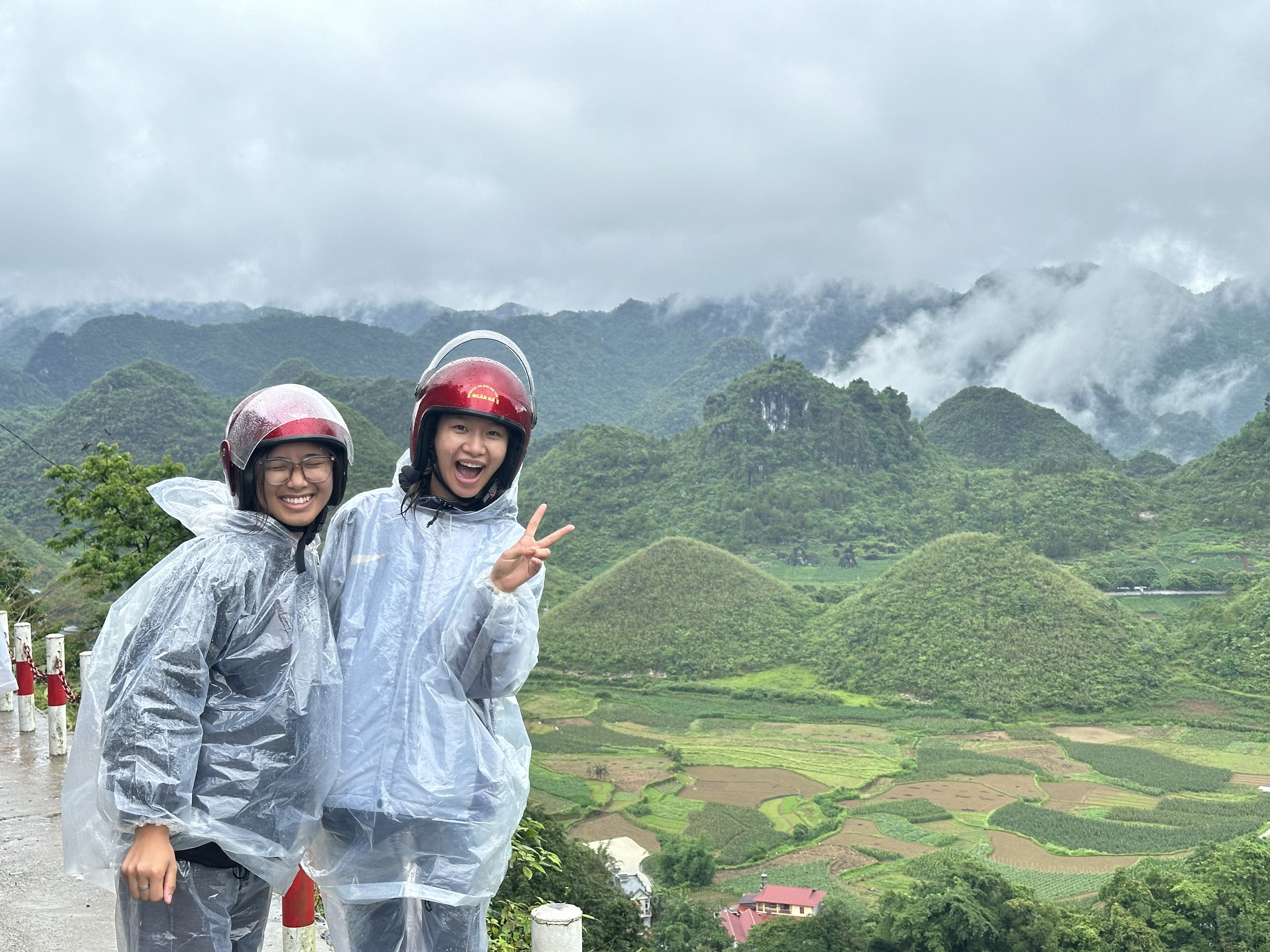
If you are planning the Ha Giang Loop in rainy season, the first thing to know is that this trip is still possible, but it needs a calmer mindset and better preparation than a dry-season ride. On Loop Tours’ weather guides, June to August is described as the wettest period in Ha Giang, with frequent showers, occasional storms, slippery roads, and a higher risk of landslides on mountain sections. Their broader best-time guidance also frames summer as lush and beautiful, but more demanding for motorbike travel than autumn or spring.
That does not make rainy season a bad time to go. It just makes it a different kind of trip. The mountains are greener, the valleys feel fuller, and waterfalls are often more impressive. But the trade-off is that visibility can change quickly, corners can stay wet longer, and the route becomes less forgiving if you are rushed, tired, or overconfident.
Perfect Tours for You:
What rainy season road conditions are really like
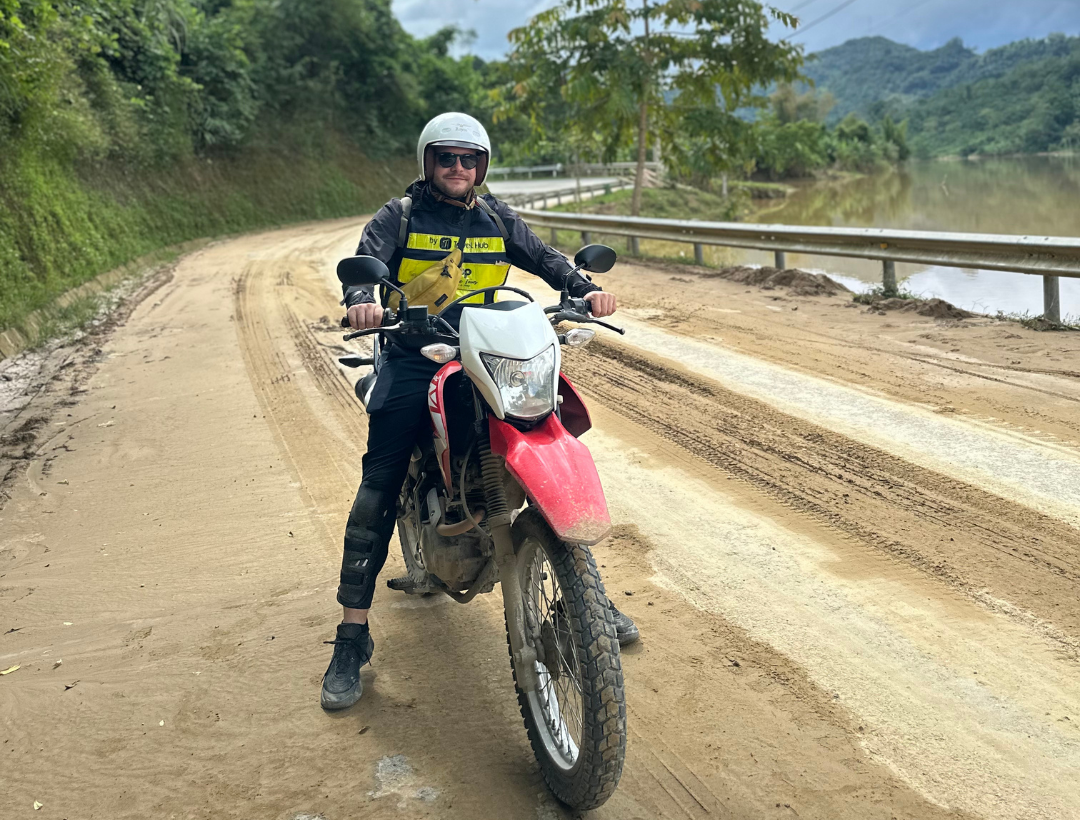
The biggest road issue in rainy season is not constant heavy rain all day. It is variability. A morning can start dry, then change into a wet afternoon, or a short downpour can leave behind slick asphalt, muddy shoulders, and gravel washed into corners. Loop Tours’ monthly weather guide specifically warns that summer can bring storms and unstable road conditions, while its best-time articles mention landslide risk and slippery surfaces during the wettest months.
Altitude makes this even more important. The site’s weather guide notes that high passes and karst plateau sections can feel very different from lower valley towns, and that weather can shift fast between places like Quan Ba, Dong Van, and Ma Pi Leng. So even if one part of the loop looks manageable, the next section may be cooler, wetter, and harder to read.
The most important safety rule: slow down
If there is one tip that matters more than any other during rainy season, it is simple: ride slower than you think you need to. Loop Tours’ safety content repeatedly emphasizes honest self-assessment, controlled speed, and avoiding the pressure to keep up with other riders. In wet mountain conditions, smooth riding matters far more than fast riding. Braking distances increase, visibility drops, and even familiar corners can feel different after a shower.
This also means leaving more space between you and other vehicles. Trucks, buses, and local traffic can appear suddenly on narrow sections, and rainy surfaces give you less margin for quick reactions. A slower pace is not just safer. It also makes the trip less stressful and easier to enjoy.
Do not ride in the dark
This advice matters year-round, but it matters even more in rainy season: ride only in daylight. Loop Tours’ weather and beginner guides both stress daytime travel because mountain roads become much harder to judge in low light, especially when mixed with rain, mist, or patchy fog. Wet roads after sunset are simply less forgiving.
This is one reason route pacing matters. A tighter itinerary can tempt people to push later into the day when weather slows them down. A better plan is to leave enough room for unexpected delays so you still arrive comfortably before dark.
Choose the right ride style for the season
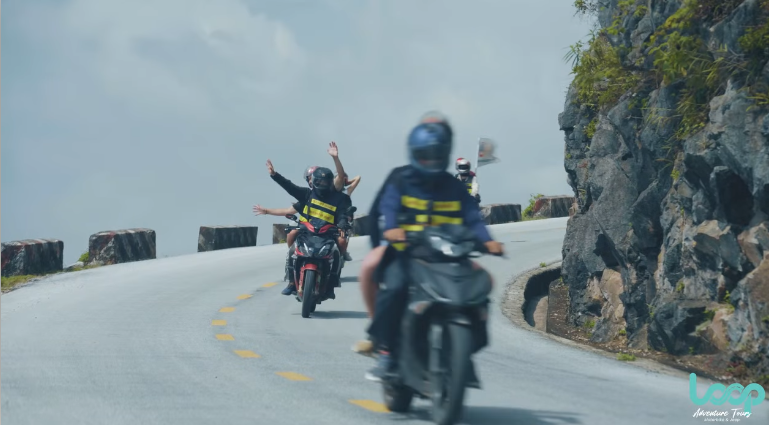
Rainy season is not the best time to be stubborn about self-riding if you are inexperienced. Loop Tours’ beginner and safety guides are very clear that Easy Rider is often the smarter option for first-time visitors, non-riders, or travelers who are not fully confident on steep mountain roads. Their site also positions Jeep/car as the more comfortable choice for travelers who want maximum weather protection and less physical stress.
That is especially relevant in summer. If your main goal is to enjoy the scenery rather than prove something in wet conditions, letting an experienced local driver handle the road can completely change how the trip feels. This is also where the live tour lineup helps: the current Ha Giang routes are offered in Self Rider, Easy Rider, and Jeep formats, so travelers can match the season to the style that feels safest.
A slower route is usually better in rainy season
When conditions are more variable, extra time becomes a safety feature. Loop Tours’ route-planning content consistently describes 3 to 5 days as the normal window for the loop, and its beginner guidance frames 4 days / 3 nights as the better pace for travelers who want more breaks, shorter daily riding blocks, and less pressure. That logic becomes even stronger in rainy months.
A 3-day loop can still work if your schedule is fixed and the weather behaves. But if you are choosing between a tighter route and a calmer one, the slower option is usually the easier rainy-season fit. It gives more room for rain to pass, roads to dry a little, and morning departures to stay sensible instead of rushed.
What to pack for rainy season
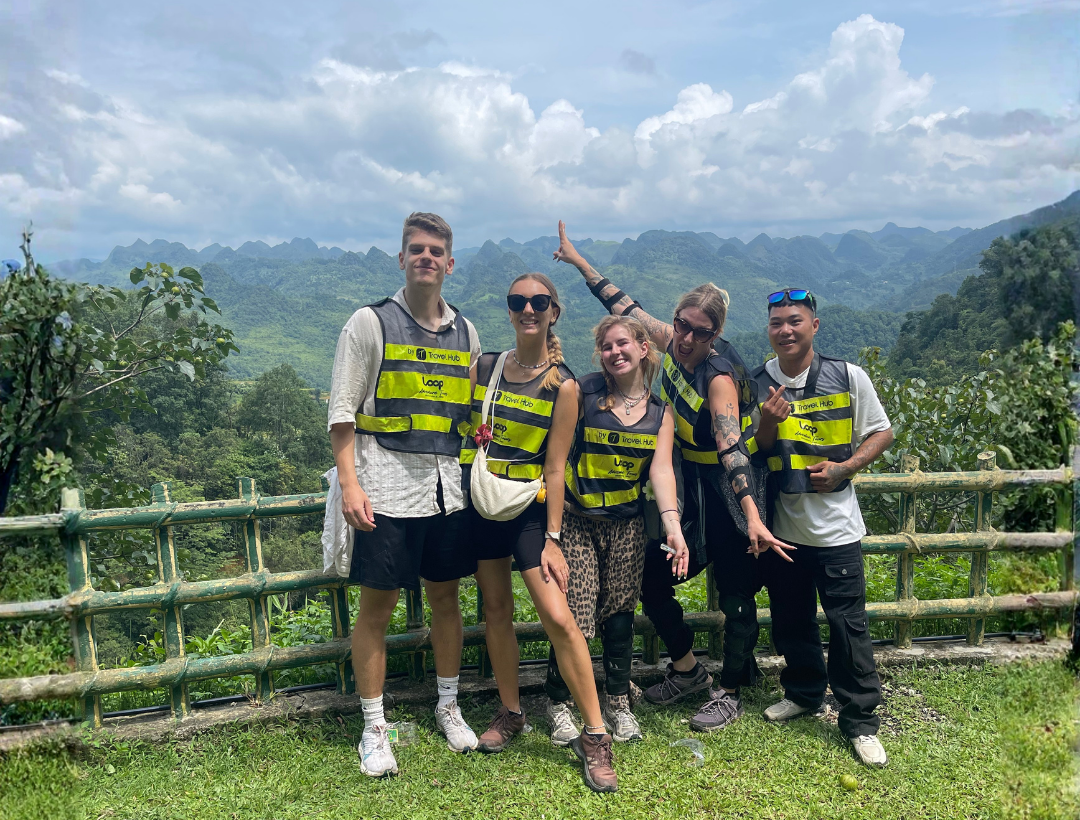
Loop Tours’ packing guidance makes rainy-season priorities very clear. A waterproof jacket, backpack cover, long sleeves, proper shoes, and a phone with backup charger all appear on the live tour packing list. Their weather articles also recommend thinking in layers, because even in warmer months, mountain sections can feel cooler once rain and wind arrive.
A few things matter more than people think. Good footwear helps a lot at muddy roadside stops. Dry layers in a separate bag can save an evening if you get soaked. And a power bank is useful because bad weather, navigation, and weak signal areas can drain your phone faster than expected.
Check the forecast, but stay flexible
One mistake travelers make is treating the forecast like a fixed promise. Loop Tours’ weather guide stresses that mountain weather can shift by altitude and location, and recommends keeping plans flexible when conditions look unstable. That means checking the forecast before you go, but also accepting that what you see in Ha Giang City may not match what happens later near Dong Van or Ma Pi Leng.
Flexibility is especially useful in rainy season because it prevents bad decisions. If the weather is ugly in the morning, waiting a little is often smarter than trying to “push through” just to stay on schedule.
Avoid the biggest rainy-season mistake
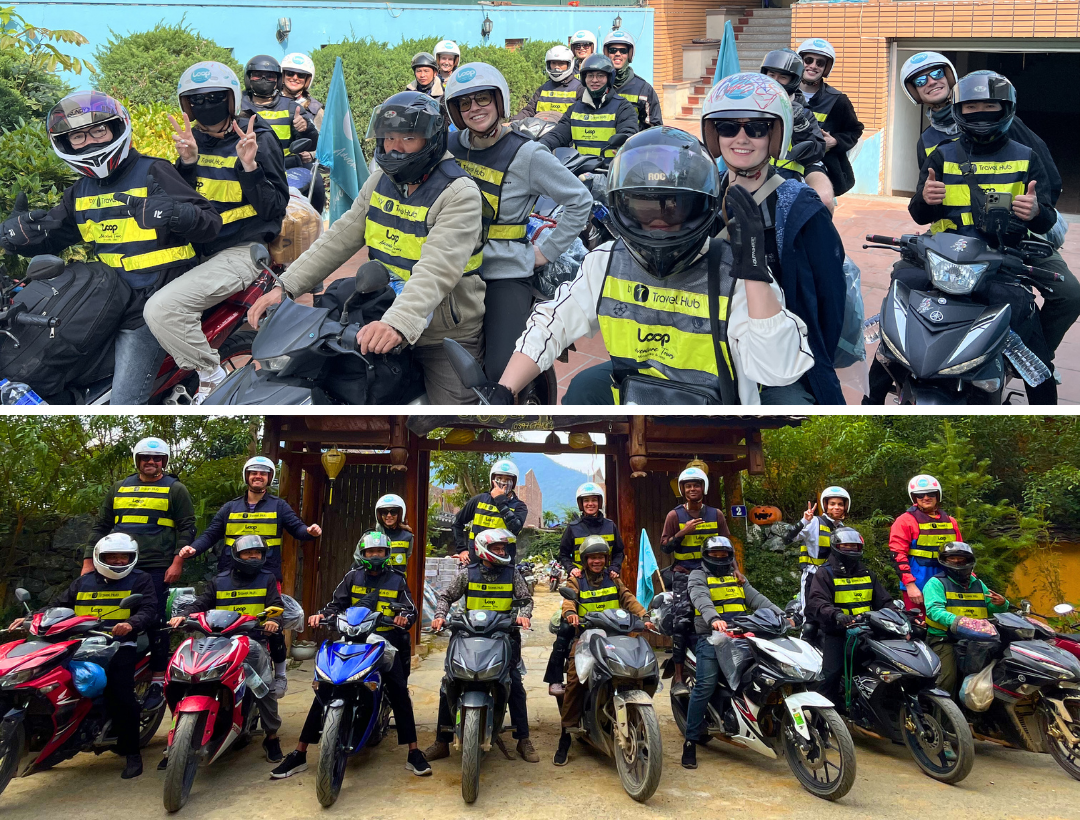
The biggest rainy-season mistake is trying to treat summer like dry season. That usually shows up in three ways: riding too fast, leaving too late, or choosing a ride style that does not match your experience. Loop Tours’ safety content keeps returning to the same principle: honest self-assessment is what keeps the loop enjoyable. In rainy months, that principle matters even more.
If you are already asking whether rainy season is a good idea, that usually means you care about risk. The most practical response is not to cancel automatically. It is to go in with the right plan: slower pace, daylight-only riding, better rain gear, and a route style that gives you support instead of extra stress.
Final thoughts
Doing the Ha Giang Loop in rainy season can still be a great trip. The scenery is lush, the mountains feel dramatic, and the route can be far quieter than in peak autumn. But safe rainy-season travel comes down to a few simple rules: slow down, ride only in daylight, pack proper waterproof layers, leave room in your schedule, and choose the travel style that honestly matches your skill level.
If you want the most forgiving version of the trip in wet months, a slower 4-day format and a supported style like Easy Rider or Jeep usually make the whole experience feel calmer and more enjoyable. In Ha Giang, the road is always more rewarding when you respect the conditions instead of fighting them.
👉 Call/WhatsApp The Loop Tours — Hotline: +84862443320